
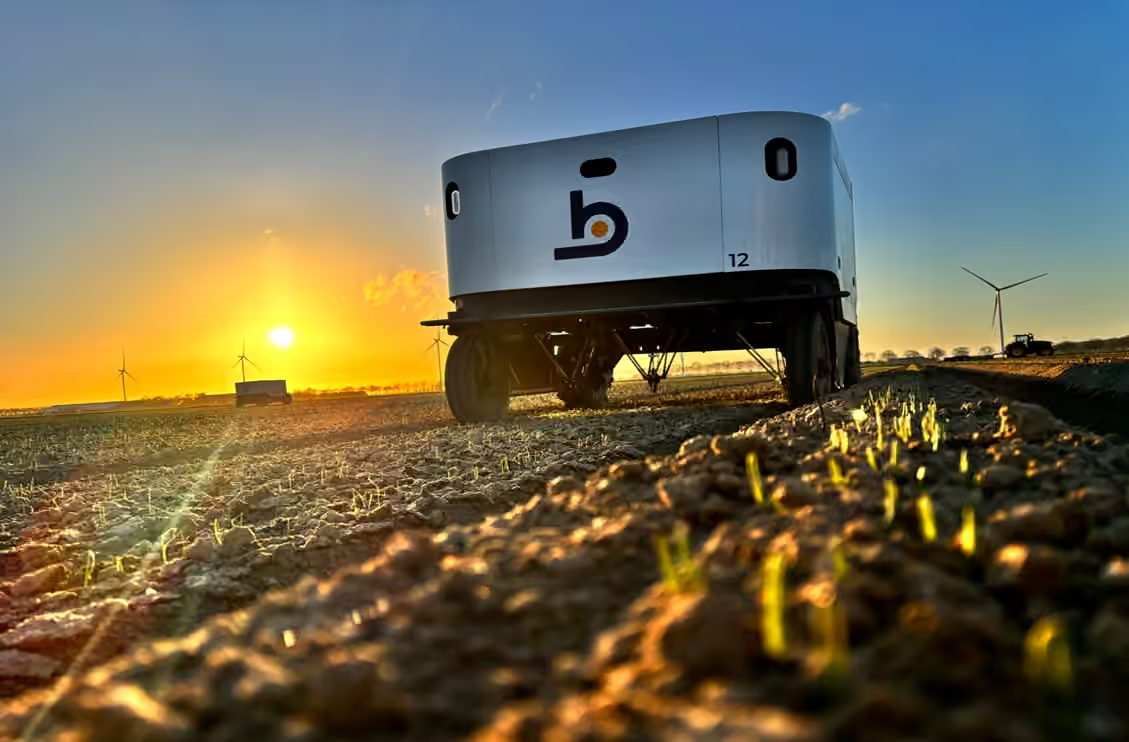
France and the Netherlands join forces on AgTech and alternative proteins
New business programs target robotics, precision farming and hybrid foods
France and the Netherlands are expanding their cooperation on agricultural innovation through two Partners for International Business (PIB) programs focused on agricultural robotics and precision farming, and on alternative proteins. The initiatives build on the Innovation Pact for Sustainable Growth signed in 2023. For Dutch companies, they offer opportunities to enter the French market and develop new partnerships, supported by the Netherlands Agricultural Network (LAN) team at the Dutch Embassy in Paris.
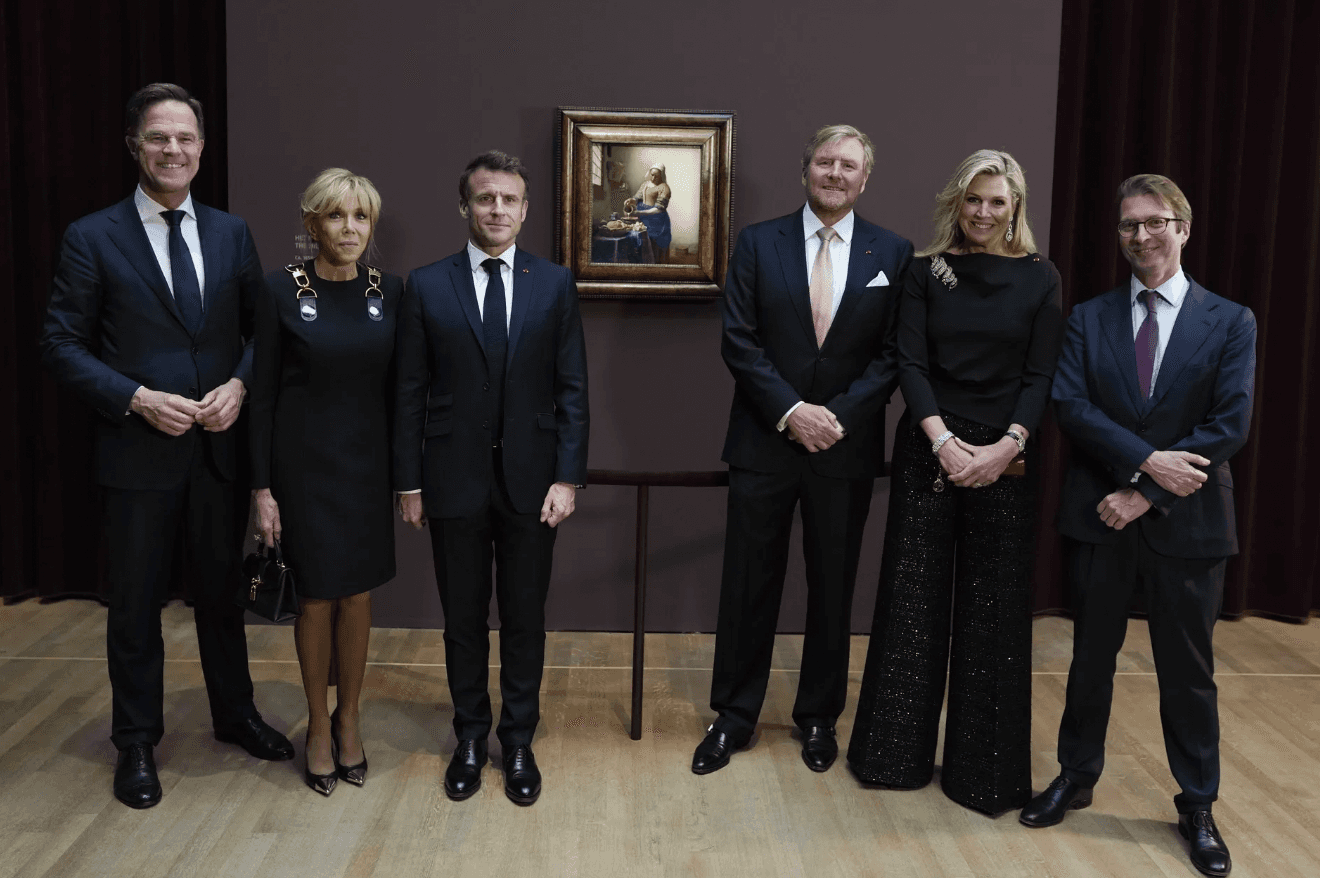
Beeld: © ANP
President Macron's state visit to the Netherlands, 2023
The collaboration between France and the Netherlands on innovation is supported at a high political level. During President Macron’s state visit to the Netherlands in April 2023, the Innovation Pact for Sustainable Growth was signed. The pact focuses on energy, mobility, key technologies, agriculture and food, with the aim of strengthening innovation and cooperation between the two countries. It responds to challenges including high energy and fertilizer prices linked to geopolitical developments, and the need to adapt to climate change. Cooperation between European nations is also important to provide a unified response to other major global players.
The effects of climate change are highly visible in France, with major spring flooding following persistent rainfall and saturated soils, and severe droughts, heatwaves and wildfires in summer. This has led to water shortages, significant crop losses, shortages of animal feed, and increased livestock mortality. Consequently, the importance of climate adaptation and innovation continues to grow. Furthermore, the need for generational renewal, labor shortages, and the declining availability of crop protection products are major drivers of the transition toward more sustainable agriculture and innovation.
In the agricultural sector, both countries are global players in the food industry and possess robust knowledge and innovation ecosystems. Furthermore, the two nations are complementary. The Netherlands excels through intensive, high-value production per hectare, advanced technology, and efficient supply chain organization. France’s strengths lie in its extensive agricultural land area and high production volumes, as well as its abundant space, (natural) diversity, and varied climate zones. These differences between the two countries make collaboration an attractive prospect.
The role of knowledge institutions
Knowledge institutions in both countries have also strengthened their ties. In February 2026, INRAE and Wageningen University & Research (WUR) renewed their long-standing framework agreement. The agreement is intended to strengthen cooperation on research, innovation, and policy dialogue concerning sustainable agriculture, food, and the environment. Their work on digital and sustainable transitions in food and agricultural systems also aligns with the Innovation Pact. Separately, WUR has signed a cooperation agreement with the French institute IFREMER on sustainable fisheries and aquaculture as well as the conservation of marine ecosystems.
Outcomes under the Innovation Pact
Within the framework of the Innovation Pact, the LAN team at the Dutch Embassy in Paris, the Netherlands Enterprise Agency (RVO), companies, industry associations and knowledge institutions have worked together on market access and innovation. Their activities have included embassy-commissioned market studies on AgTech and alternative proteins, seminars, a roundtable at the Dutch residence in Paris on cooperation in alternative proteins, and innovation and trade missions. Examples include a 2023 AgTech and robotics innovation mission to Toulouse and Dutch participation at World FIRA 2024. The embassy’s AgTech market report remains available from the LAN team on request.
In agriculture and food, AgTech and alternative proteins have emerged as particularly promising fields. These activities have helped lay the foundations for two Partners for International Business (PIB) programs in France, one focused on AgTech and the other on alternative proteins.
Trilateral cooperation on agricultural robotics
A milestone in the cooperation between France and the Netherlands took place in October 2025 during a working visit by King Willem-Alexander and Queen Máxima to Toulouse, which coincided with a trade mission. During this visit, a Memorandum of Understanding (MoU) in the field of AgTech and agricultural robotics was signed between the Netherlands and France.
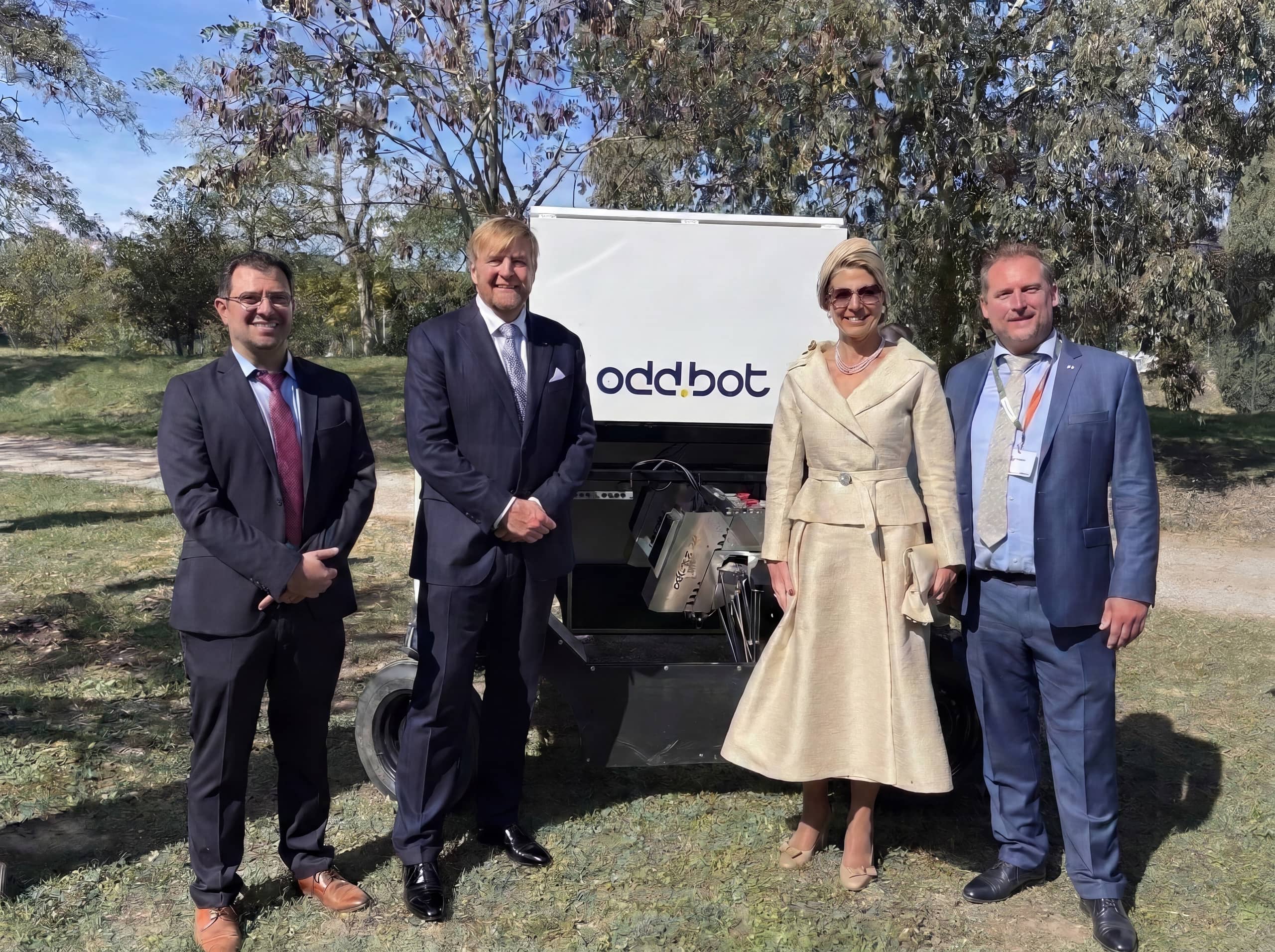
Beeld: © FME
Royal couple during their working visite in Toulouse at Domaine de Candie for Robotics in Agriculture, with Odd.Bot
In January 2026, at the Grüne Woche in Berlin, Germany joined the MoU, turning it into a trilateral cooperation framework. The partnership focuses on agricultural robotics, autonomous systems, and other innovative technologies. It envisages knowledge exchange, joint field trials using agricultural machinery and robotic equipment, and better alignment of standards and regulations. The first trilateral meeting took place in September 2026 on the sidelines of a scientific congress during AgroTechniek Holland.
AgTech PIB: activities starting in 2027
The AgTech PIB program focuses on precision agriculture and robotics. The program has been formally launched, but its main activities are expected to begin in 2027. By working as a cluster with support from the Dutch government, Dutch companies can build a stronger position in the French market. A French liaison partner is being selected for each of the two PIB programs, with appointments expected to be announced in early 2027.
‘Successful market entry requires strategic alliances with cooperatives, technology partners, and regional stakeholders’
France offers a significant potential market, but greater adoption of new technology by farmers remains a challenge. Agricultural machinery is often purchased through cooperatives, and engaging a younger generation of farmers is another priority. Dutch suppliers must also navigate complex French rules and decision-making structures, secure sufficient investment and innovation capacity, and form the partnerships needed for market access and visibility. The Netherlands brings expertise in precision farming, robotics and sustainable agriculture. In 2024, Dutch exports of agricultural machinery totaled approximately €3 billion.
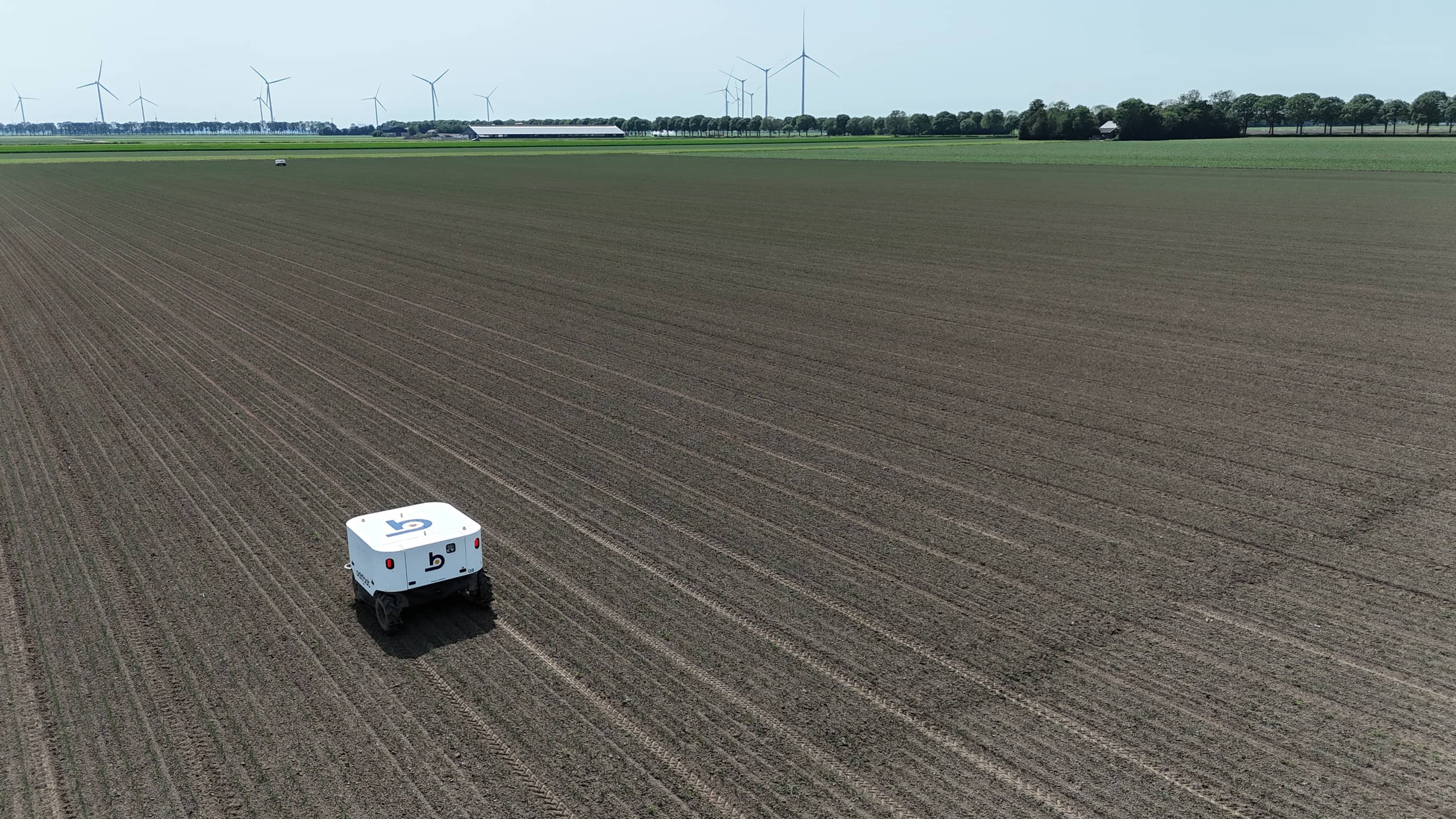
Beeld: © Odd.bot
Odd.bot robot working in the field
Alternative proteins and hybrid products
In the field of alternative proteins, several initiatives have taken place. A market study on France’s plant-based and alternative protein sector was published in early 2024, an innovation mission to France took place in mid-2025, and a pre-PPS process was completed in early 2026. This preparatory process, supported by RVO and the Dutch Embassy, laid the groundwork for an alternative proteins cluster. As part of the pre-PPS process, the Protein Transition Map from The Protein Community at Foodvalley expanded into France, including a French-language search module.
This is an initial step toward lowering the barriers to contact between companies from both countries. The Map, a digital platform, offers French companies, researchers, and policymakers a clear, accessible overview of the Dutch ecosystem, with the ability to initiate contact or submit inquiries at the click of a button. French companies will also be added to the Protein Transition Map, fostering reciprocal collaboration.
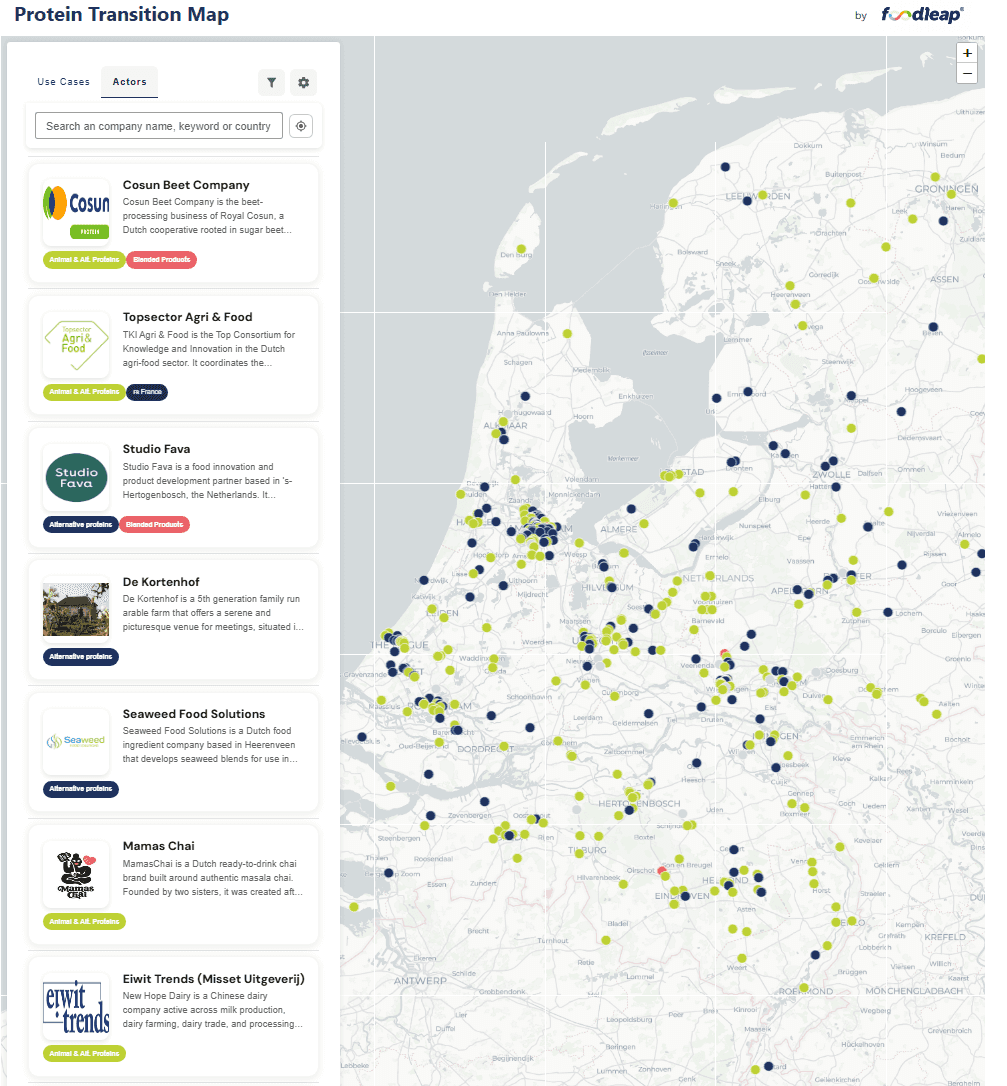
Beeld: © FoodValley
The Protein Transition Map lists more than 530 Dutch organizations, including 52 with balanced-protein expertise (Foodvalley)
‘The Balanced Protein Future program provides a boost to collaboration between Dutch ingredient and technology companies and French food producers'
Balanced Protein Future PIB: activities starting in 2027
The second Partners for International Business (PIB) program in France, Balanced Protein Future France (BPF), has also been formally launched, with its main activities planned for 2027. It focuses on hybrid products that combine animal-based and alternative proteins. The core concept is ingredient swapping: the targeted, partial replacement of animal proteins to improve a product’s protein composition, fiber content and sustainability while maintaining taste, texture and ease of use.
Nutrition and health join the agenda
In October 2026, the Innovation Pact marked its third anniversary at a summit organized by VNO-NCW, the largest employers’ organization in the Netherlands, and MEDEF, France’s largest employers’ federation. The summit also marked a new chair and broadened focus for the Agriculture and Food working group. Danone has taken on the chairmanship of the Food Transition working group. A new area of cooperation has also been introduced, focusing on food and health. It is based on a Letter of Intent signed by the French Embassy in the Netherlands, Utrecht University and Danone Research & Innovation.
The signatories expressed the ambition to bring together knowledge and capacity in nutrition, health, and healthy ageing. Possible activities include developing joint research programs, encouraging exchanges of students and early-career researchers, and strengthening public-private cooperation. These are intended areas of collaboration, rather than specific projects or financial commitments already announced.
Various French research institutions, including AgroParisTech, the Institut Pasteur, the University Medical Centre of Toulouse, the University of Montpellier and L’Institut Agro, together with Dutch universities (WUR, Utrecht University), have already expressed an interest in joining the initiative. Other Dutch and French partners are also invited to contribute to this initiative.
The Netherlands and France face shared challenges in the coming years, and the complementary strengths of both countries can help them respond. Cooperation in knowledge and innovation will remain important for developing a future-proof food system. The Innovation Pact for Sustainable Growth provides a framework for this cooperation, particularly on health through nutrition, agricultural robotics, digitalization and alternative proteins.
For Balanced Protein Future France, the LAN team has worked with the cluster coordinator and RVO on the PIB program, building on the preparatory pre-PPS process. More broadly, the team supports Dutch companies, start-ups and knowledge institutions by helping them identify French partners, build strategic relationships and find opportunities for commercial cooperation.
More information
For more information about AgTech and alternative proteins cooperation, visit the country page of France on this website. Dutch companies interested in joining either PIB programs can contact the LAN team at the Dutch Embassy in Paris at par-lvvn@minbuza.nl. Interested companies are still welcome to join both clusters.