
In this month's edition we bring updates on how Central Asia’s region is becoming a hub of innovations and new opportunities - from Kazakhstan’s technoparks for organic agriculture and greenhouse bananas, to Uzbekistan’s digital farming and new water code and to Kyrgyzstan’s expertise information system.
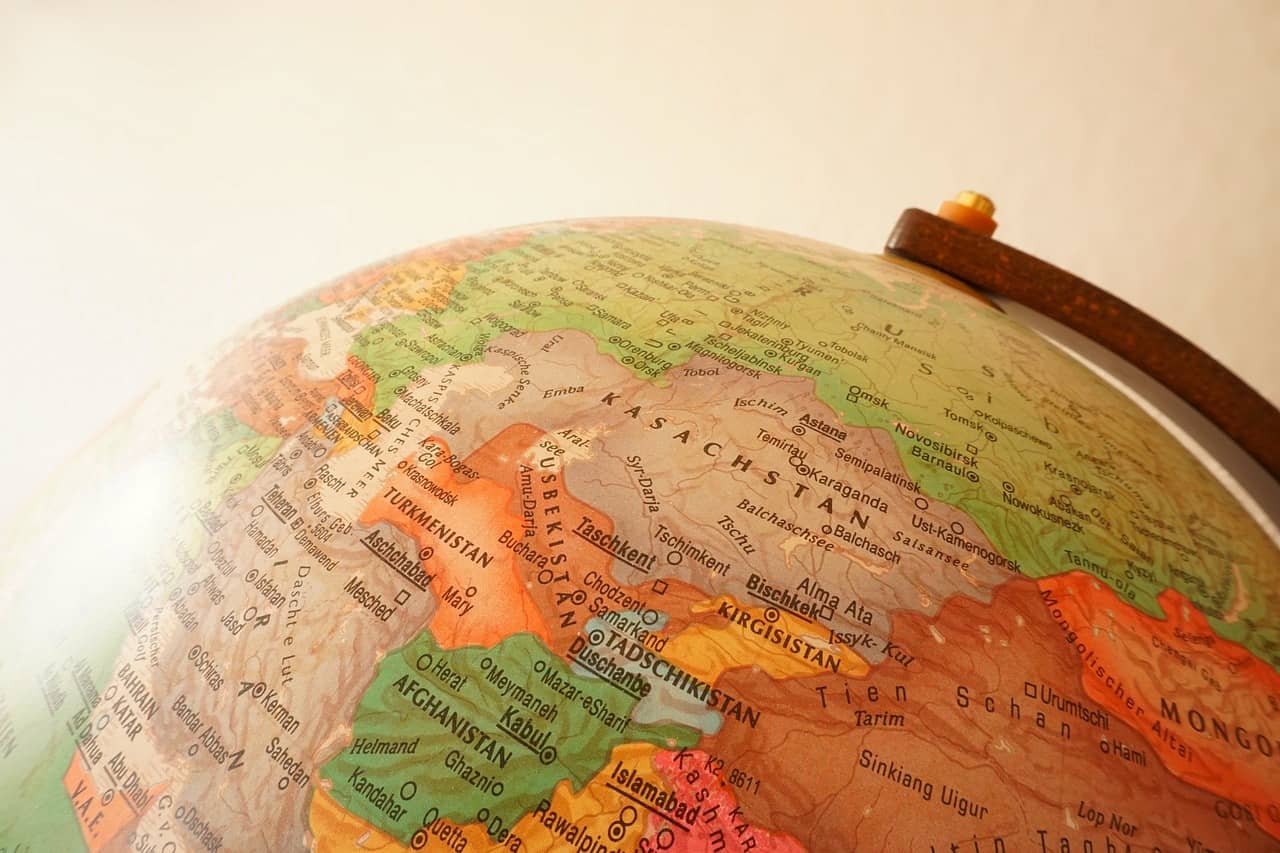
Illustrative
Kazakhstan is investing in a network of technoparks
Kazakhstan is creating a network of technoparks for developing organic agriculture. These hubs will bring together research institutions, universities, and production sites to boost organic agriculture, encourage innovation, and ensure full traceability “from field to fork.”
Supported by EU certification partnerships, they are expected to accelerate exports of organic cereals, breakfast products, and animal feed.
The Ministry of Agriculture stresses these technoparks will not only modernize farming but also strengthen Kazakhstan’s export potential, opening the door for greater access to foreign markets.
Bananas in the steppe
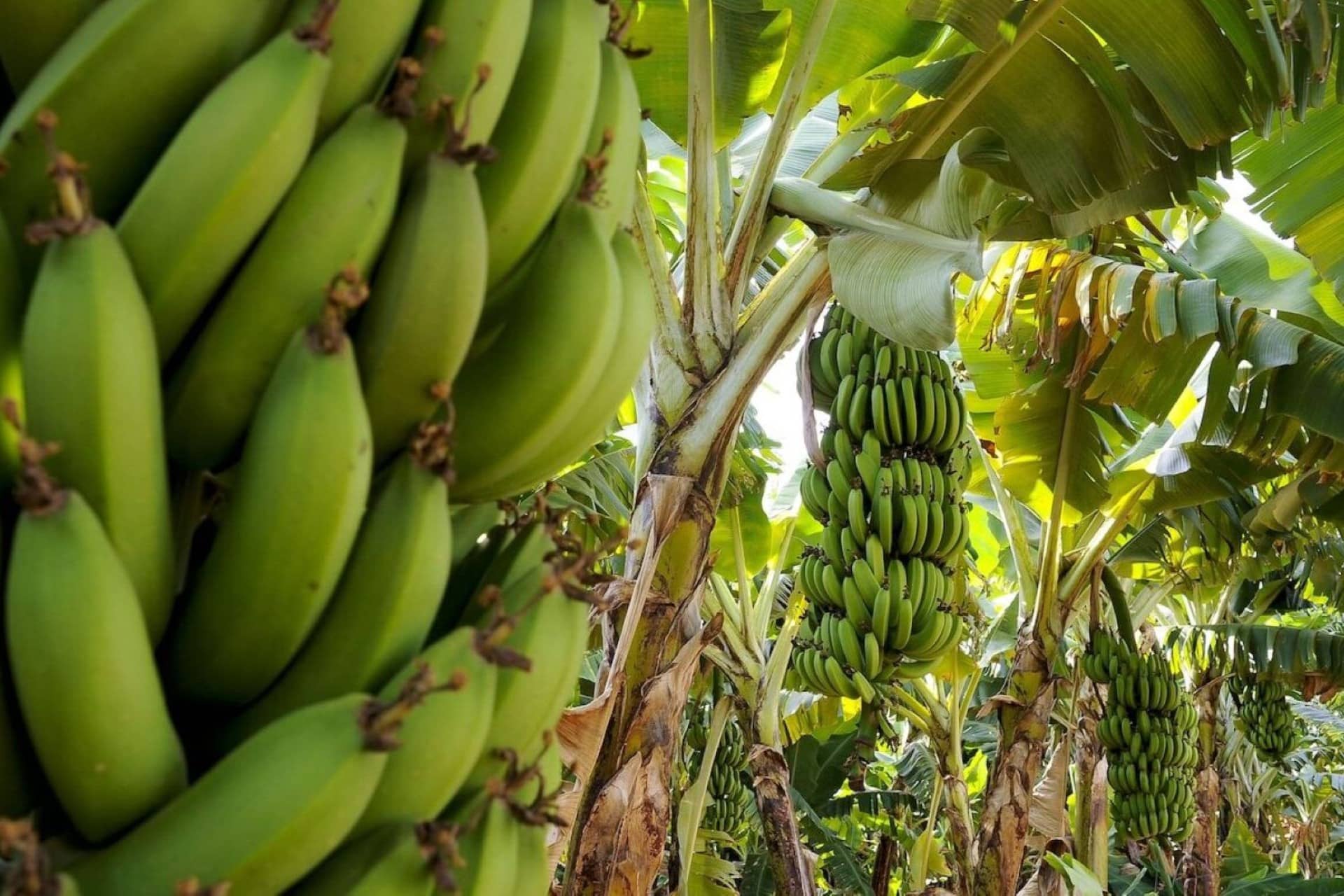
Kazakhstan’s greenhouse industry continues to surprise. In just three months (April-June 2025), the Turkestan region harvested 70 tons of banana per area of five hectares.
With projects like the Kasymbek Datka greenhouse, rising from the steppe, aiming for 400-450 tons of bananas annually, controlled-environment farming is no longer experimental, it’s scaling.
Bananas are carefully harvested while they’re still green before being sent to ripening chambers.
And this is only the beginning. The farm is still in its first stage of development. Over the next few years three more greenhouses will be added, expanding to 15 hectares with the bigger ambitions - growing mangoes, avocados, blueberries, turning the Kazakh steppe into an oasis of exotic flavors.
Strong export growth and water reforms in Uzbekistan
Uzbekistan is also raising its agricultural profile. Food exports in the first half of 2025 surged 44% to $1.3 billion. Products such as prunes, apricots, peaches, raisins, black cherries, and legumes are increasingly branded under the “Made in Uzbekistan” label, noted for their taste and natural qualities.
Yet, challenges remain. President Mirziyoyev highlighted inefficiencies in export performance and urged the cultivation of climate-resilient and drought-resistant crops. In 2024 Uzbekistan exported 2 million tons of fruits and vegetables worth $1.5 billion. Clearly, more room for growth remains.
In parallel, Uzbekistan adopted its first comprehensive Water Code aimed at rational use, integrated management, and alignment with international water law. This is expected to support investment in modern irrigation, digital monitoring, and water-efficient farming.
Digital & drone farming in Uzbekistan
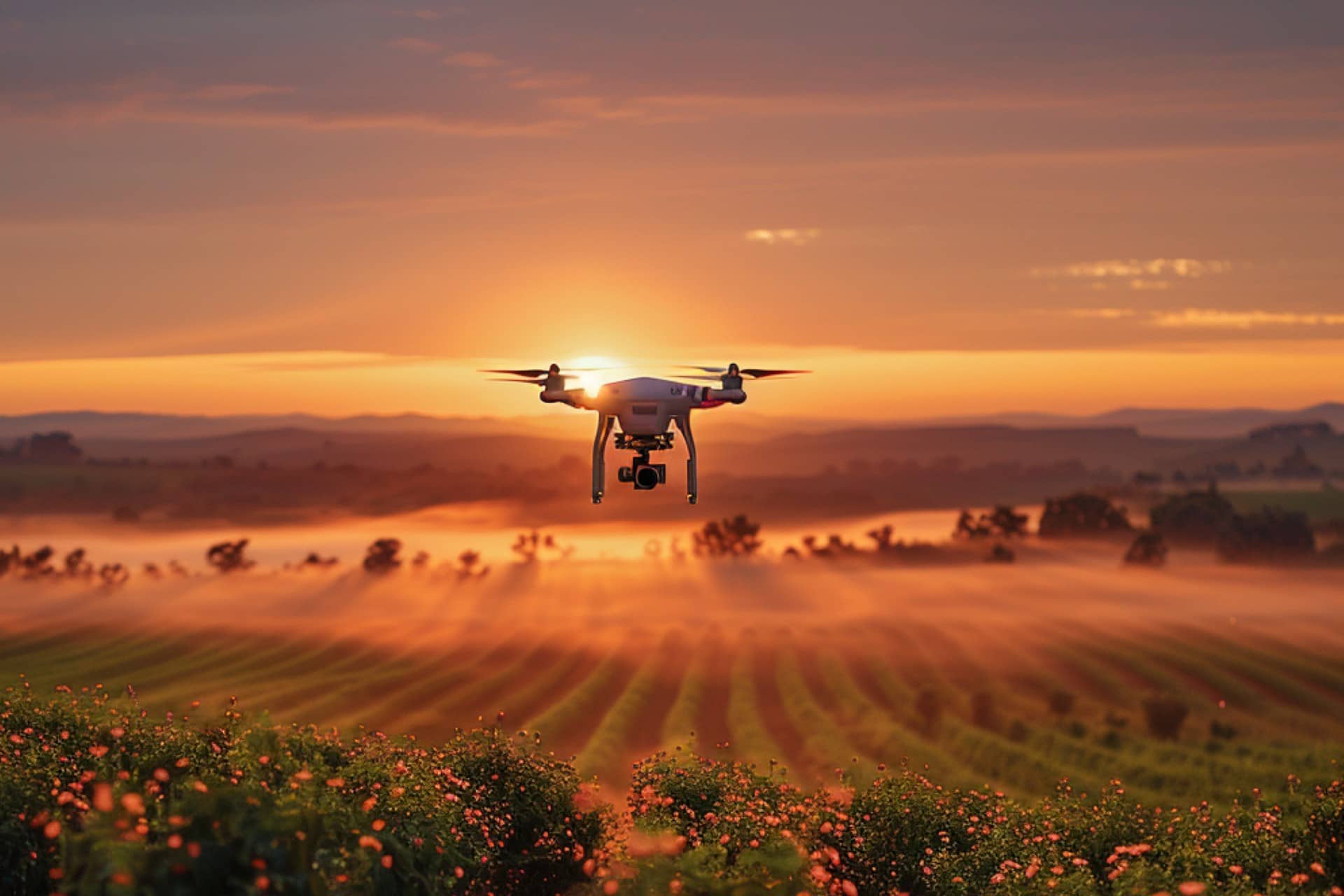
Digitalization is moving fast in Uzbekistan. More than four million hectares of farmland have already been monitored by satellite to detect irregularities in cotton and crop planting.
The government is rolling out smart water meters, real-time reservoir monitoring, and is preparing to launch a national Digital Agriculture platform.
Over 100 drones are due for deployment this autumn, to be offered as a service to farmers.
President Mirziyoyev has ordered full digitalization of irrigation and water use, alongside greater private sector involvement in drone-based farming.
Mandatory animal Identification in Uzbekistan
Uzbekistan has introduced mandatory identification of livestock and pets.
Cattle, sheep, goats, and camels should now be registered within 14 days of birth; horses within four months; pigs within one month; and dogs and cats by three months.
Imported animals should be registered within 21 days.
Smart greenhouses & digital expertise system in Kyrgyzstan
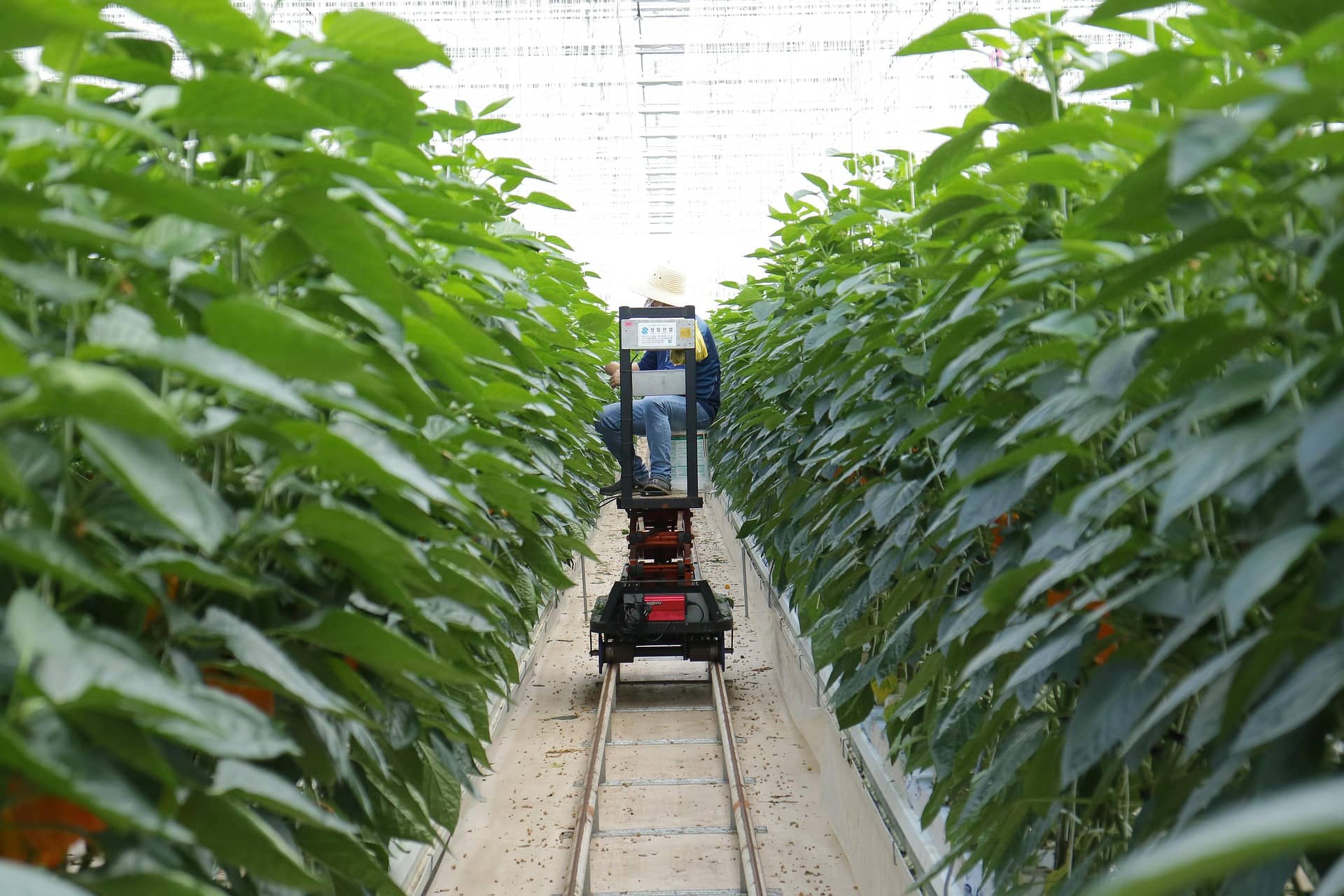
Kyrgyzstan is finalizing construction of nine smart greenhouses aimed at testing and improving the production of vegetable seeds (onion, Korean pepper, cucumber). This $3.5 million project will reduce reliance on imported seeds and boost local breeding. The official opening is scheduled for September 2025.
At the same time, the Ministry of Agriculture is preparing to launch the Expertise information system, a digital tool that will streamline applications for seed testing, crop inspections, and laboratory analyses. The platform, in test mode now and phased implementation in Q3 2025, aims at reducing bureaucracy and improving transparency for farmers and businesses.
More information
The Netherlands Agricultural Network team in Astana will bring you more updates and developments from this significant region in the next edition!
Sources: ElDala, Kapital, Kursiv, Interfax, 24.kg, menafn, gazeta.uz