
Kazakhstan, the largest country in Central Asia, is undergoing a large-scale modernization of its agro-industrial complex, focusing on food security, exports, and sustainable agriculture. The growth in production, mechanization, and export orientation makes the agricultural sector attractive for investment and strategic for the country’s development.
Exports and agrotechnology
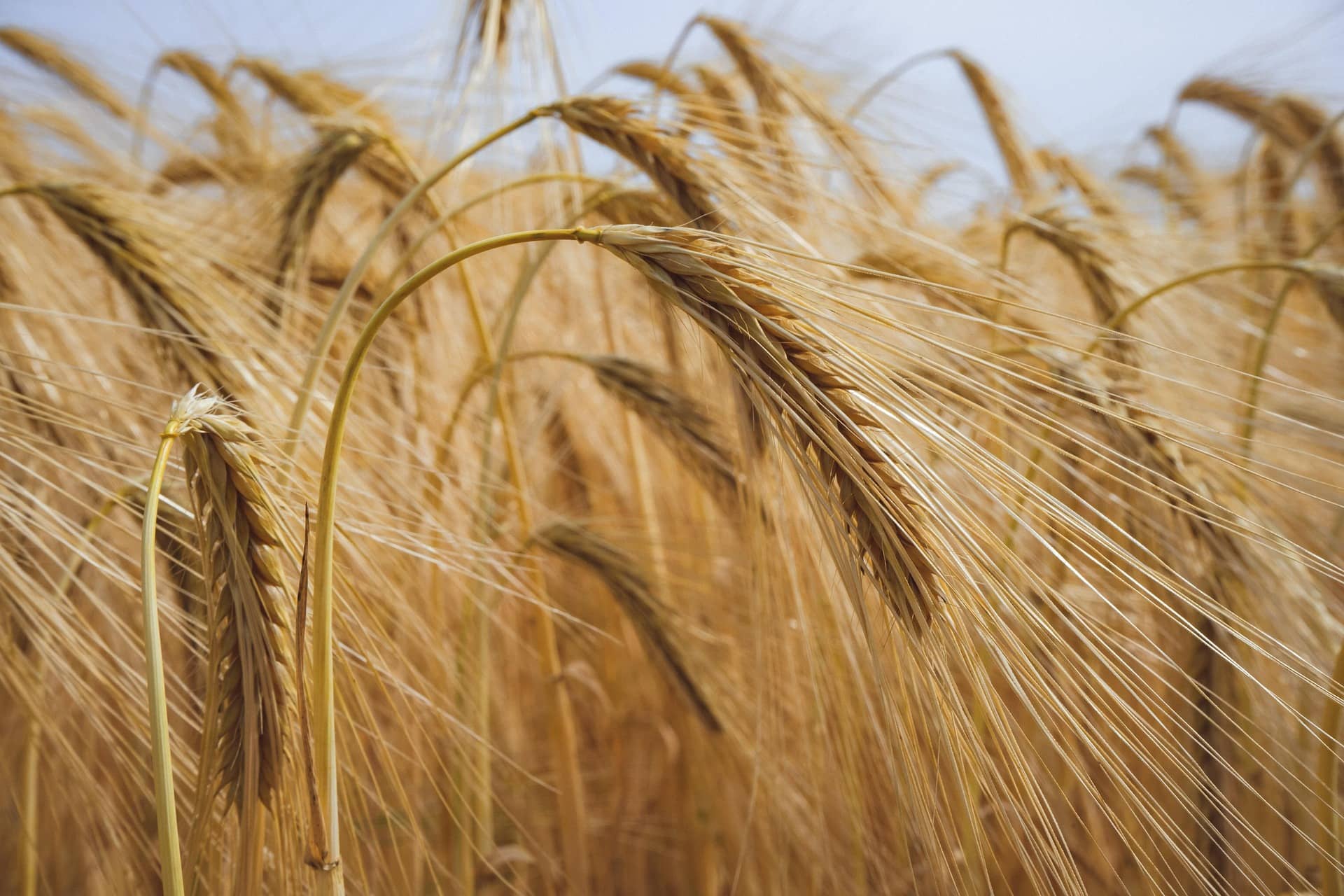
From 2020 to 2024, Kazakhstan’s agricultural exports increased by 51%, reaching 66 countries. More than half of these exports are value-added products. Kazakhstan is actively developing agrotechnologies: fertilizer usage has nearly doubled, elite seeds are being introduced, and equipment is being modernized. In 2024, the country harvested over 25 million tons of grain, 3.3 million tons of oilseeds, and 640,000 tons of legumes.
The most significant growth has been seen in crop production. Kazakhstan has signed new phytosanitary agreements with China, Turkey, Iran, and Azerbaijan, enabling the export of oilseeds, legumes, and grains. For example, Kazakh producers can now export safflower meal, lentils, and rapeseed to China. Negotiations are underway to expand access to foreign markets for rice, cotton, melons, and watermelons.
Oilseed success
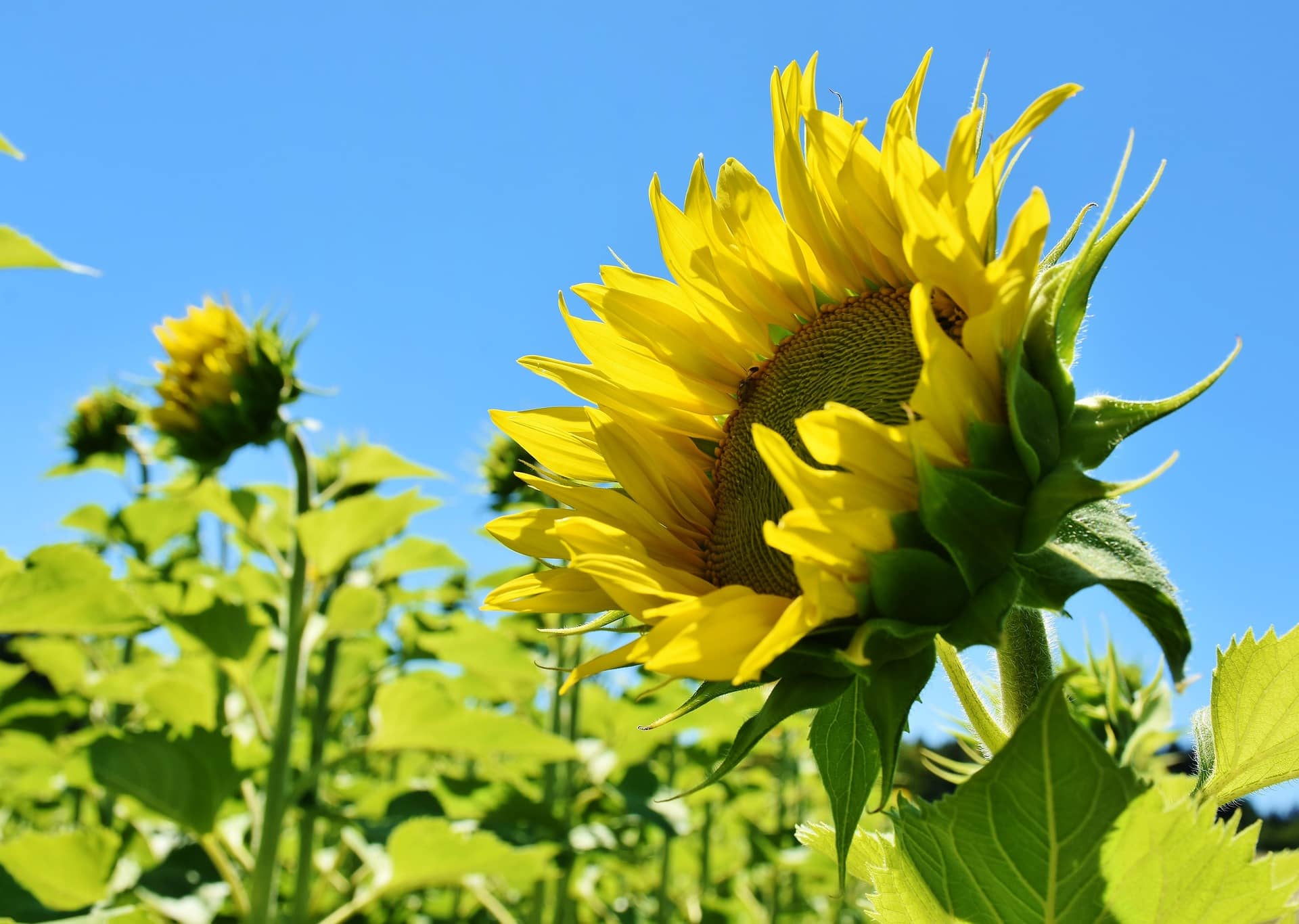
Sunflower oil production has increased 2.5 times, while exports have grown fivefold. Kazakhstan now ranks 8th among global exporters of sunflower oil and is among the top three suppliers of sunflower meal to the European Union. In 2024, exports to China reached 275,000 tons ($205 million). Foreign currency earnings are projected to grow to $2 billion annually.
Deep processing and livestock
Beeld: © AST-LVVN
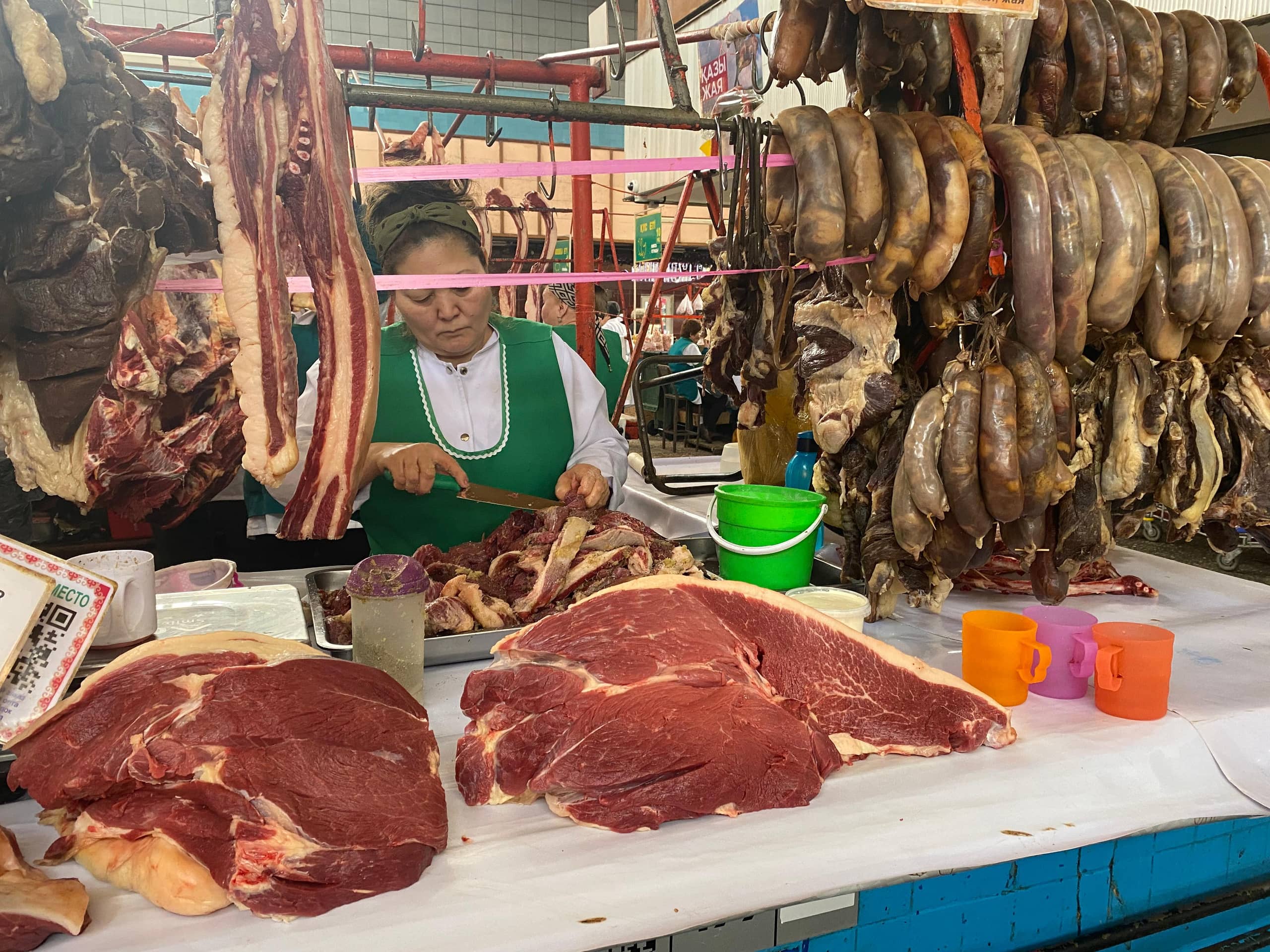
Meat market in Almaty, Kazakhstan
Kazakhstan is developing grain deep processing and expanding meat exports. In the first five months of 2025, 40,000 tons of meat products were exported. Support measures include subsidies, digitalization, and modernization of veterinary services.
One of the most promising export directions is red meat, referred to in Kazakhstan as "red gold." Beef and lamb are in steady demand in China, the Middle East, and other countries. There is also significant export potential for by-products of poultry and livestock farming, especially in the Chinese market, where new logistics solutions are currently being developed.
Organic agriculture
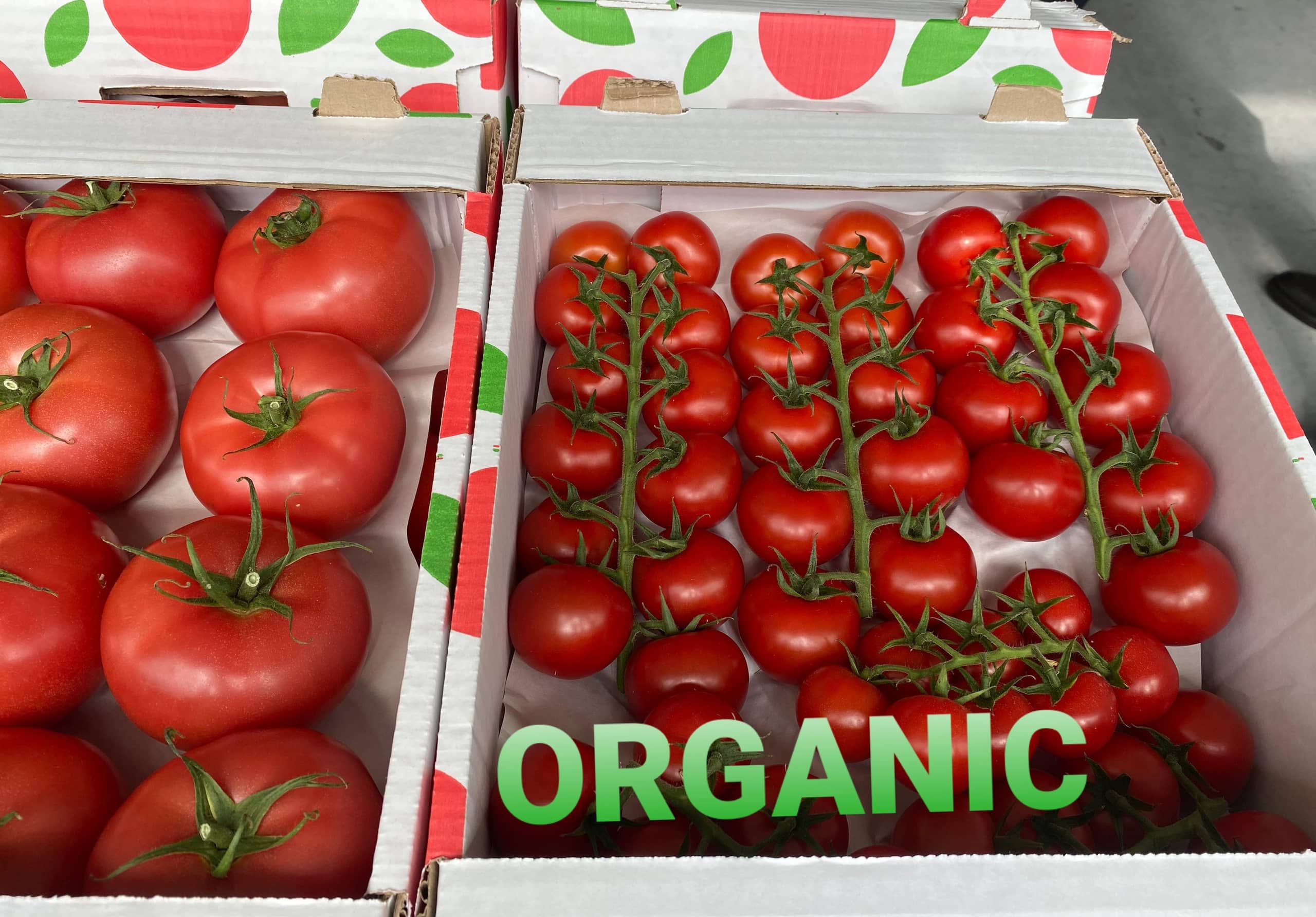
Another promising direction is organic production. There is consistently high demand for organic wheat, flax, soybeans, peas, lentils, and medicinal herbs. Kazakhstan has already established export channels to Germany, Sweden, Belgium, the Czech Republic, and several other countries.
Beeld: © AST-LVVN
Organic tomatoes from greenhouse in Almaty oblast, Kazakhstan
For example, in 2023 alone, about 26,000 tons of products were exported to the EU and the United States, including oilseeds, legumes, and cereals. More than 60 certified organic producers currently operate in the country, meeting international standards.
Kazakhstan also holds significant potential for further growth. According to reports by the Research Institute of Organic Agriculture (FiBL) and the International Federation of Organic Agriculture Movements (IFOAM), in 2023, nearly 200,000 hectares in Kazakhstan were certified under organic production standards—up from 114,000 hectares in 2022. This demonstrates growing farmer interest in organic farming and strong potential for expanding exports to global markets.
Sustainable agriculture
Kazakhstan is implementing its Agro-Industrial Development Concept until 2030, aligned with the national Green Economy Strategy and the goal of achieving carbon neutrality by 2060. The concept places a strong emphasis on sustainable practices, crop and resource diversification, and the expansion of water-saving technologies. Currently, Kazakhstan has about 1.5 million hectares of irrigated land. In 2024 alone, water-saving technologies were introduced on 150,000 hectares, and the country plans to maintain this pace for the next three years. Support measures include cost reimbursement for farmers and concessional loans.
Conclusion
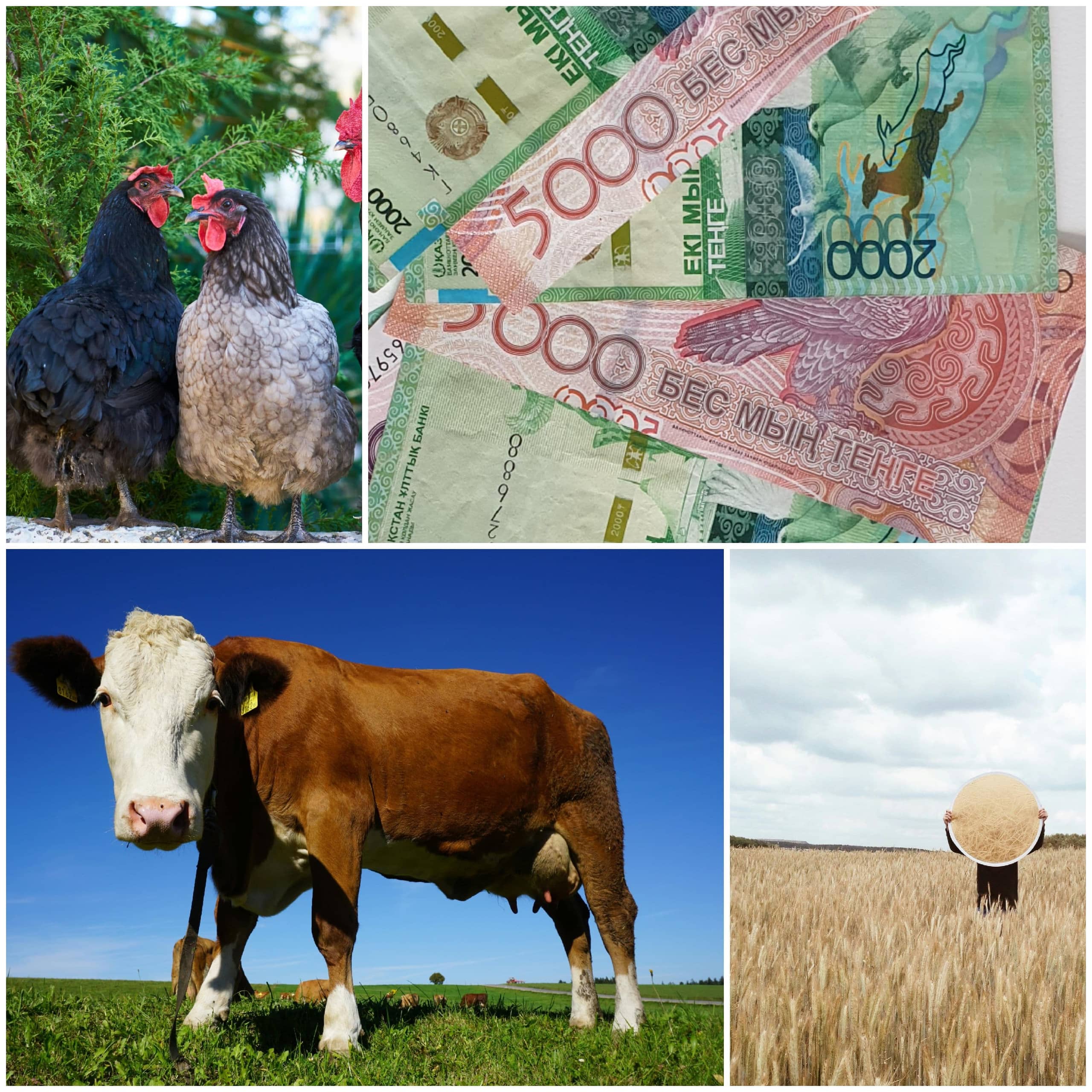
Illustrative
Kazakhstan is shaping a competitive and environmentally friendly agricultural system. More than 600 investment projects worth $4.8 billion are planned over the next three years. The country already exports agricultural products to 80 countries and ranks 32nd in the Global Food Security Index.
You can read in more details here (in Russian): https://kz.kursiv.media/2025-08-12/agrosektor-kazakhstana-kak-tochka-prityajeniya-kapitala/