
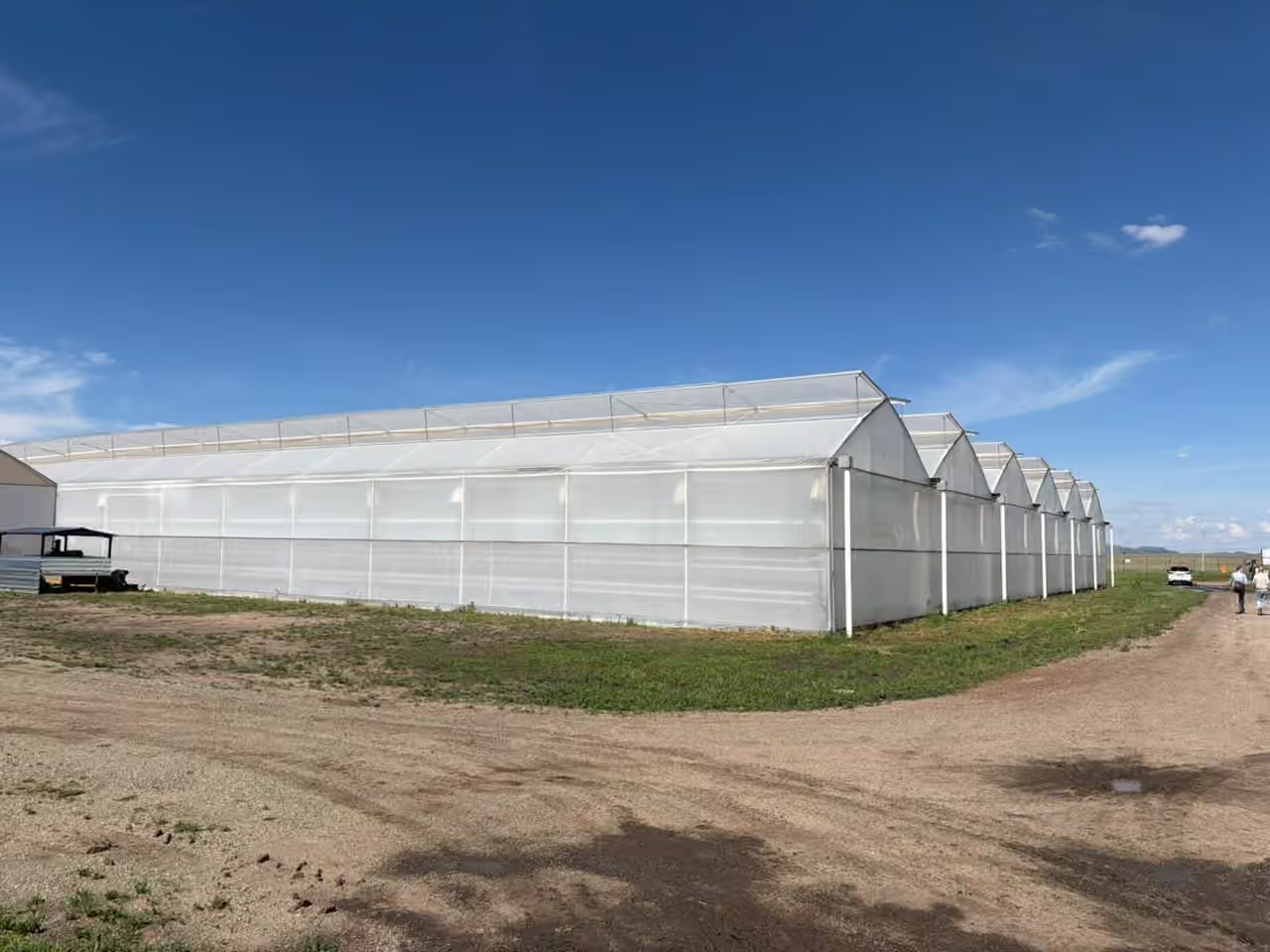
Innovating together: Dutch–South African cooperation in agriculture
Regenerative farming, water scarcity, and commercial pressure drive agricultural innovation
South African farmers have years of experience with farming methods that protect the soil and save water. This offers opportunities for Dutch AgTech companies to test technologies that measure soil health and help farmers use water and other resources more efficiently. The Netherlands Agricultural Network (LAN) team at the Dutch Embassy in Pretoria is helping Dutch companies, researchers and South African farmers work together to develop and test these technologies.
South Africa has a globally competitive, export-oriented agricultural sector, with strengths in horticulture and producers who rank among the world’s leading exporters. Water scarcity, soil degradation and climate change are, however, putting South African farmers under growing pressure. Agriculture already uses about 60% of the country's water supply, and water shortages are expected to become more serious. The Department of Water and Sanitation (DWS) and WWF projected in the Water Resources 2030 Study that by 2030 a 17% national water deficit could lead to lower yields, crop losses and further pressure on South African farming.
The pressure does not stop at the farm gate. Farmers must also meet export requirements and compete in international markets. The South African Government’s support is limited compared with OECD countries, with the Producer Support Estimate (PSE) sitting at just 3.1% as a three-year average between 2022–2024. Together with climate risks and scarce resources, these demands have encouraged farmers and food businesses to use more technology and farm data, including to deal with water shortages and flooding.
Despite these challenges, the agricultural sector is expected to grow. Horticulture alone is forecast to grow by 50% over the next decade. Especially strong exports, value addition, urbanization and technology adoption are the big drivers in the next decade, according to the BFAP Agri Outlook. This combination of commercial opportunity and resource pressure makes South Africa an interesting field lab for agricultural innovation.
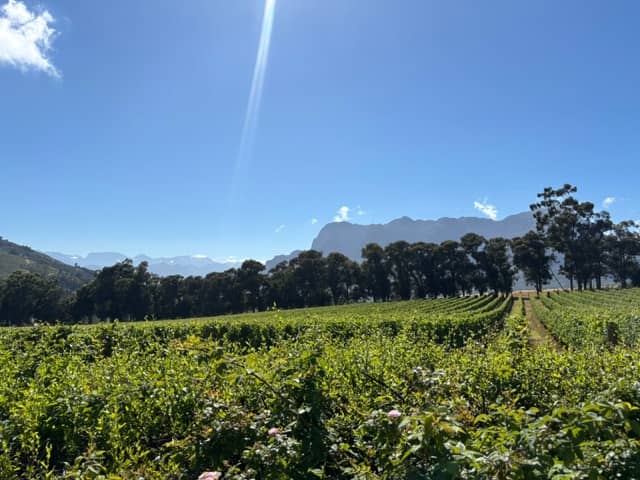
Western Cape horticulture
South African practices
One response is regenerative agriculture (ReGen). In South Africa, regenerative agriculture is practiced on around 1.6 million hectares, or 25% of the area under commercial annual crop-livestock systems. In the Western Cape that figure is close to 50%. Adoption is particularly strong among progressive commercial farmers. A 2025 market study conducted by ASSET Research at the request of the Dutch Embassy provides more information on the state of climate-smart regenerative agriculture in South Africa.
South African experience benefits Dutch farmers
The Netherlands is also working to bring regenerative farming to more farms. Through the ReGeNL program, more than fifty partner organizations are developing viable business models. It is backed by roughly €129 million from the National Growth Fund and aims to make regenerative agriculture the Dutch norm by 2030–2040.
That does not mean Dutch farmers can simply copy South African methods. Soils, crops, and growing conditions differ. What South Africa offers is experience and field data from farms working across a wide range of soils, climates and crop systems while dealing with serious climate risks, relatively little government support and commercial pressure. Such experience is difficult to recreate in a Dutch laboratory and could be useful as Dutch farmers face their own soil, water and climate challenges.
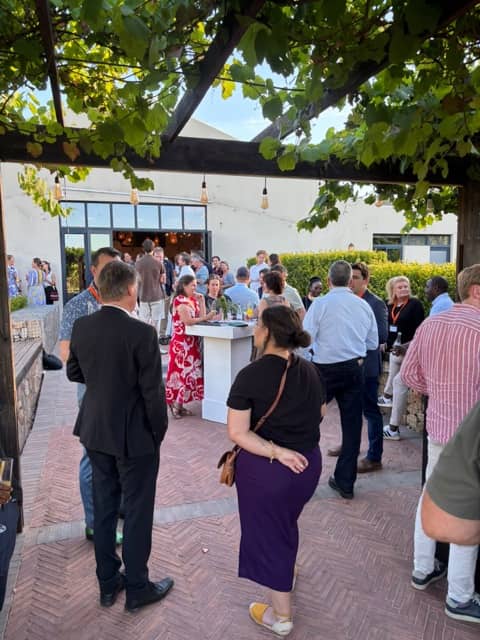
Agro-Water Mission Stellenbosch Reception
Innovation mission focusing on regenerative agriculture
From 20 to 24 April 2026, a Dutch delegation of farmers, researchers, policy experts and technology companies visited Gauteng and the Western Cape. The mission aimed to help scale up regenerative agriculture by learning from South African farming practices and exploring opportunities for joint research and business cooperation. Following discussions with sector organizations, including AgriSA, FruitSA, GrainSA, and the Red Meat Industry, the delegation visited ZZ2 and Schoeman Boerdery in Delmas to see regenerative farming in practice at different scales.
Engagements with retailers like Woolworths highlighted market incentives and supply chain partnerships. Woolworths’ ‘Farming for the Future’ program, for example, works with farms on environmental performance across areas such as soil health, irrigation and water management, biodiversity, waste and carbon footprint. Woolworths invited the Dutch companies to explore opportunities for cooperation.
One of the mission's lessons was that regenerative agriculture is not a one-size-fits-all solution. By focusing on shared bottlenecks like soil carbon measurement and financial sustainability, both nations aim to move beyond theoretical models into proven, scalable farming solutions. The mission highlighted the importance of combining practical farming experience with technologies that can measure outcomes and help farmers make better-informed decisions.
‘Farmers need to know whether changes in management are improving soil health, reducing water use or maintaining productivity’
Dutch technology shows if new practices work
The emphasis on measurement raises a wider question: how can farmers know whether new practices work? Farmers need to know whether changes in management are improving soil health, reducing water use or maintaining productivity. Retailers and consumers also want evidence of environmental performance.
Dutch participants brought different kinds of expertise. Ag Leader Europe works with GPS steering, variable-rate application and in-field sensing. Spatialise presented its satellite-based Soil Organic Carbon Monitor, which can help measure, report, and verify changes in soil carbon. Wageningen startup Antonie looks at another aspect of the soil, measuring its biology through nematode analysis. Others brought crop knowledge and research expertise. Delphy and Den Ouden GrowSolutions drew on practical experience developed across Africa. Aeres University of Applied Sciences and Wageningen University's Plant Sciences Group contributed research experience.
For farmers, collecting data is only useful if it helps them act. Sensors, satellite monitoring, robotics, soil analysis, AI and precision machinery can help them identify crop stress or disease early, understand growing conditions, use inputs more efficiently and decide when to intervene.
The same evidence matters to banks and investors. They need reliable data to assess the risks and prospects of new farming models. In a round table with Nedbank, Standard Bank, and Invest International, the mission participants and stakeholders addressed the “bankability” of regenerative models.
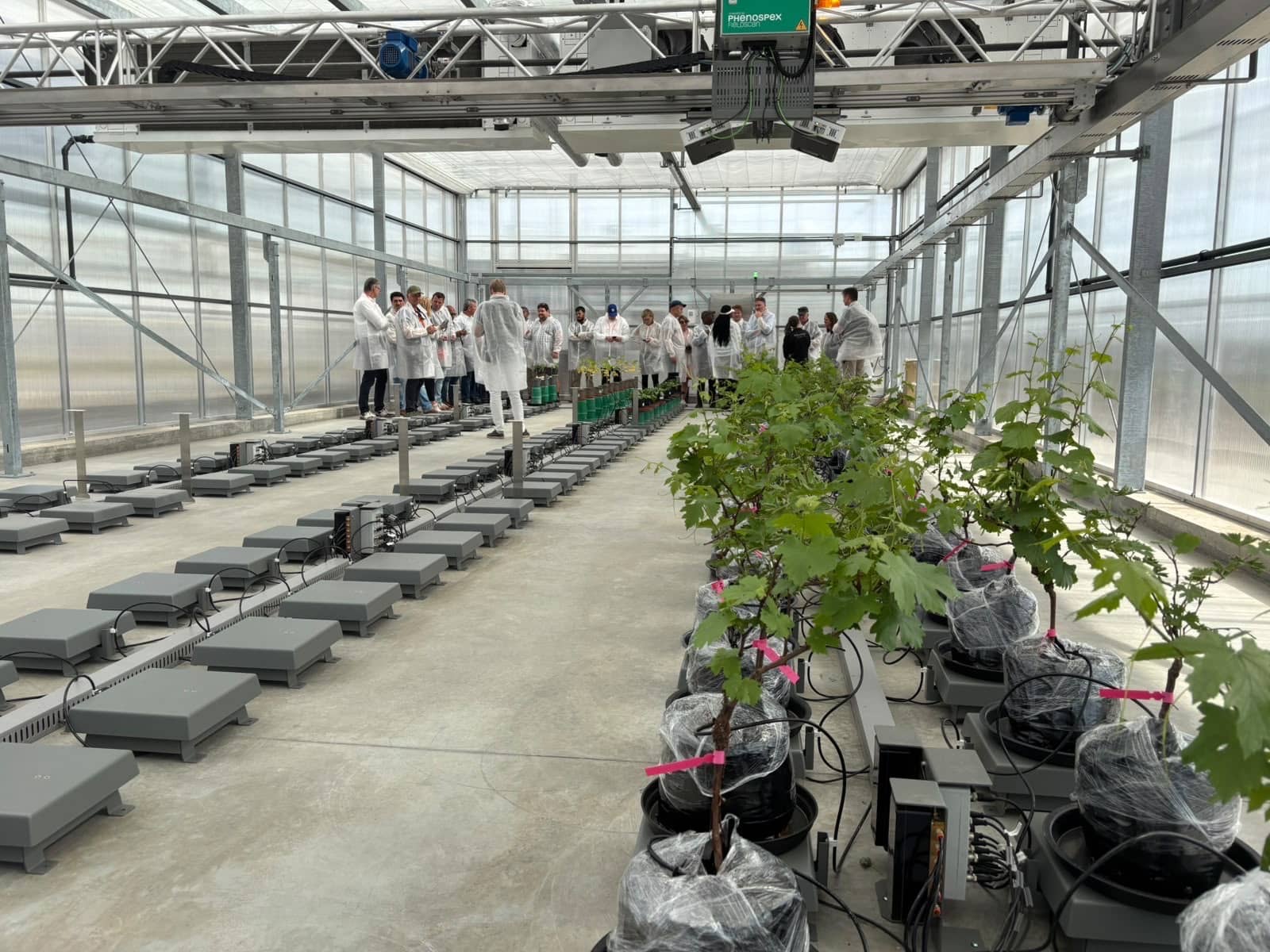
Greenhouse plantations
The LAN team cooperates with ARC, universities, and businesses
South Africa offers more than experience on farms. Its diversified industrial base, developed capital markets, and research institutions support agricultural trade, AgTech and applied research.
That research base is one reason the LAN team in Pretoria wants to strengthen ties with the Agricultural Research Council (ARC), universities and private companies. The five highest-ranked African universities are all South African: the ARC, Stellenbosch University and the University of Pretoria are already part of the team’s network. North-West University and the University of Cape Town are potential partners for the SIA call described below.
South Africa’s commercial farms compete internationally, use technology and have access to finance, making them suitable places to test agricultural innovation. AgTech is considered the most concrete opportunity for Dutch cooperation in its 2026–2030 strategy, which, besides innovation, also focuses on climate-smart agriculture, water efficiency and agricultural logistics.
Mpumalanga irrigation drone tech
‘An innovation mission only creates value if it leads to partnerships’
SIA call as follow-up for Green Education Institutes and farmers
An innovation mission only creates value if it leads to partnerships. The Dutch Embassy is working with the Dutch Ministry of Agriculture, Fisheries, Food Security and Nature, SIA, and the Green Education system (HAS, AERES) on an SIA call: a concrete follow-up to the April visit. SIA funds practice-oriented research in Dutch universities of applied sciences and green education institutions in agriculture, food and the environment.
The proposed SIA call is expected to be published in April 2027 and focuses on several areas. The first is AgTech and digitalization, including robotics, data platforms and AI, as well as other technical solutions that can support the transition to regenerative agriculture. The second is resilient crops, including plant breeding and low-risk crop protection approaches to reduce farmers’ exposure to climate risks and pests, and their reliance on crop protection inputs.
The aim is to test solutions with South African farmers, researchers and businesses that respond to real challenges on the ground. Addressing questions around the economics of the transition to regenerative agriculture and developing learning models can help farmers adopt and adapt new practices. Solutions developed and validated in South Africa can subsequently be adapted for other markets, including the Netherlands.
More information
Would you like to know more about regenerative agriculture, AgTech and agricultural innovation in South Africa? Visit the country page of South Africa on this website or send an email to the LAN team at the Dutch Embassy in Pretoria: pre-lvvn@minbuza.nl.