
Argentina, Chile and Uruguay explore satellites, robotics, and financing
Dutch partnerships address salinity, water scarcity and conservation
From soy, beef and peanuts in Argentina to avocados, blueberries and citrus fruit in Chile, products grown in South America are part of Dutch food supply chains. Dutch and local partners are working together to address salinity, water scarcity and labor shortages through research, new technology and new ways of working. The Netherlands Agricultural Network (LAN) team Cono Sur, stationed at the Dutch Embassies in Buenos Aires in Argentina and Santiago de Chile in Chile, supports three innovation projects in the region.
Beeld: © LAN Cono Sur
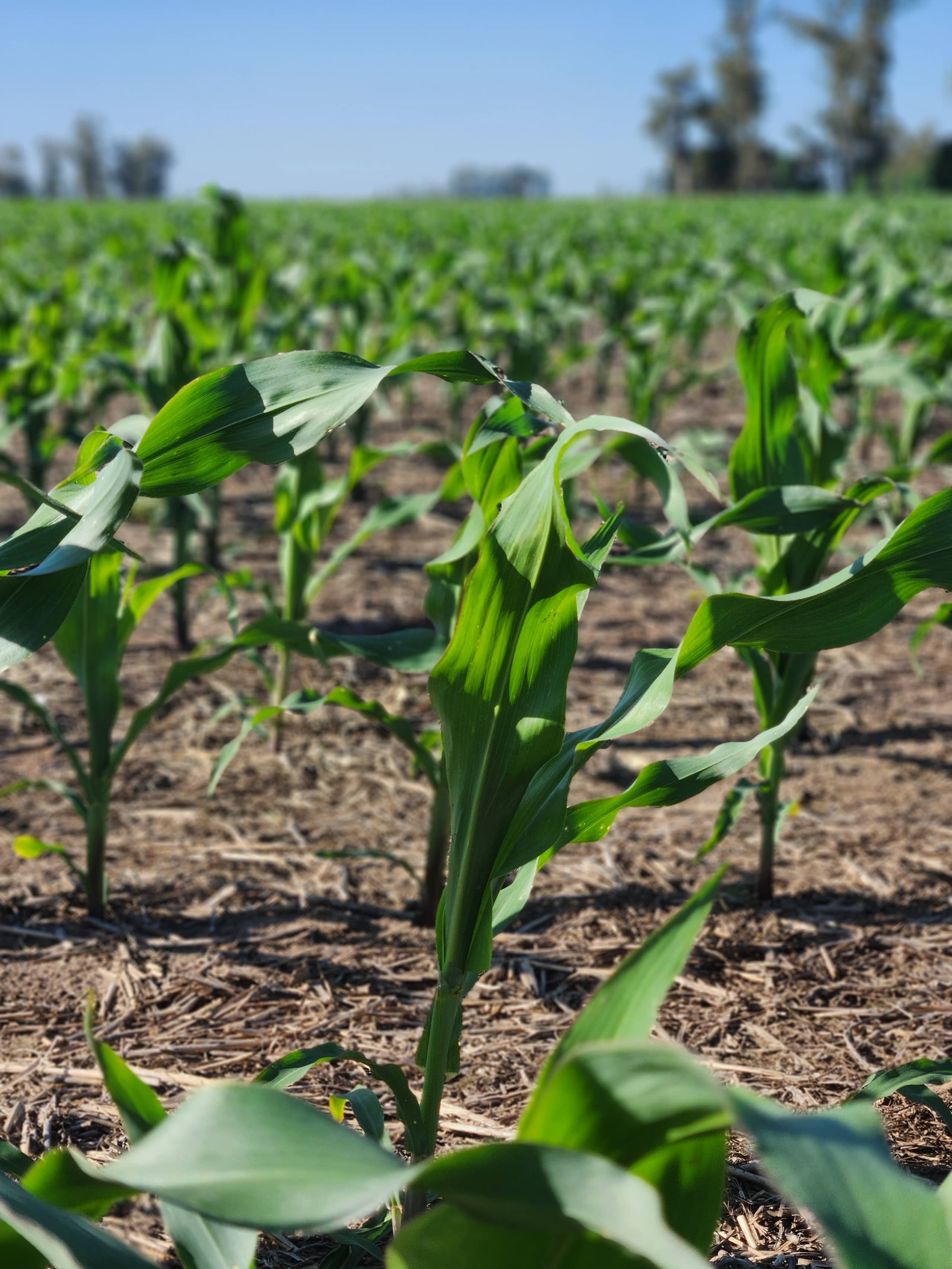
No-tillage maize crop
Resilient Argentine soils: turning salinity into a crop
Between 27% and 38% of Argentina’s soils are affected by salinity to some degree, according to the country’s National Institute of Agricultural Technology (INTA). Climate change and unsustainable land management are making the problem worse, affecting agricultural production and the supply chains that depend on it.
In 2024, the LAN team helped establish the Saline Agriculture Innovation Hub, by bringing different partners together. Its partners include Wageningen University & Research, Vrije Universiteit Amsterdam, the Dutch company The Salt Doctors, the Argentine research center América Agroinnova, the University of Buenos Aires and local farmer networks. The hub combines field research with satellite images to track where salinity occurs, how it changes over time, and what farmers can do about it. With this information and data, it helps farmers to take measures to prevent or reverse salinization.
Based on satellite images (Landsat and Sentinel), the hub developed a salinity map for the Rivadavia district in Buenos Aires province. The map shows where soils are more or less saline across five different soil environments. Field trials in the same area then tested which crops can cope better with these conditions. These trials showed that sorghum can still produce a good yield on saline–sodic soils where soybeans no longer perform well. Other crops such as Tricepiro, sugar beet, and chard are also being evaluated as alternatives.
With this information, the hub helps farmers choose concrete measures to prevent or reverse salinization. Producers can access the salinity map in tools they already use, such as Google Earth Pro and Climate FieldView. This allows them to apply the results directly: for example, by planting more salt tolerant crops in the most affected areas or adapting their management to slow down or reverse salinization. The key innovation lies in this way of working together and in turning satellite data and field trials into practical choices for farmers.
Better information can help farmers anticipate and manage salinity risks and make production more resilient, including in supply chains linked to the Dutch market; in this case soy. Knowledge also flows the other way: the Wageningen report Salinisation Strategies: Learning from the Argentinian Context describes how experience in Argentina can inform Dutch approaches to salinity management.
Beeld: © LAN Cono Sur
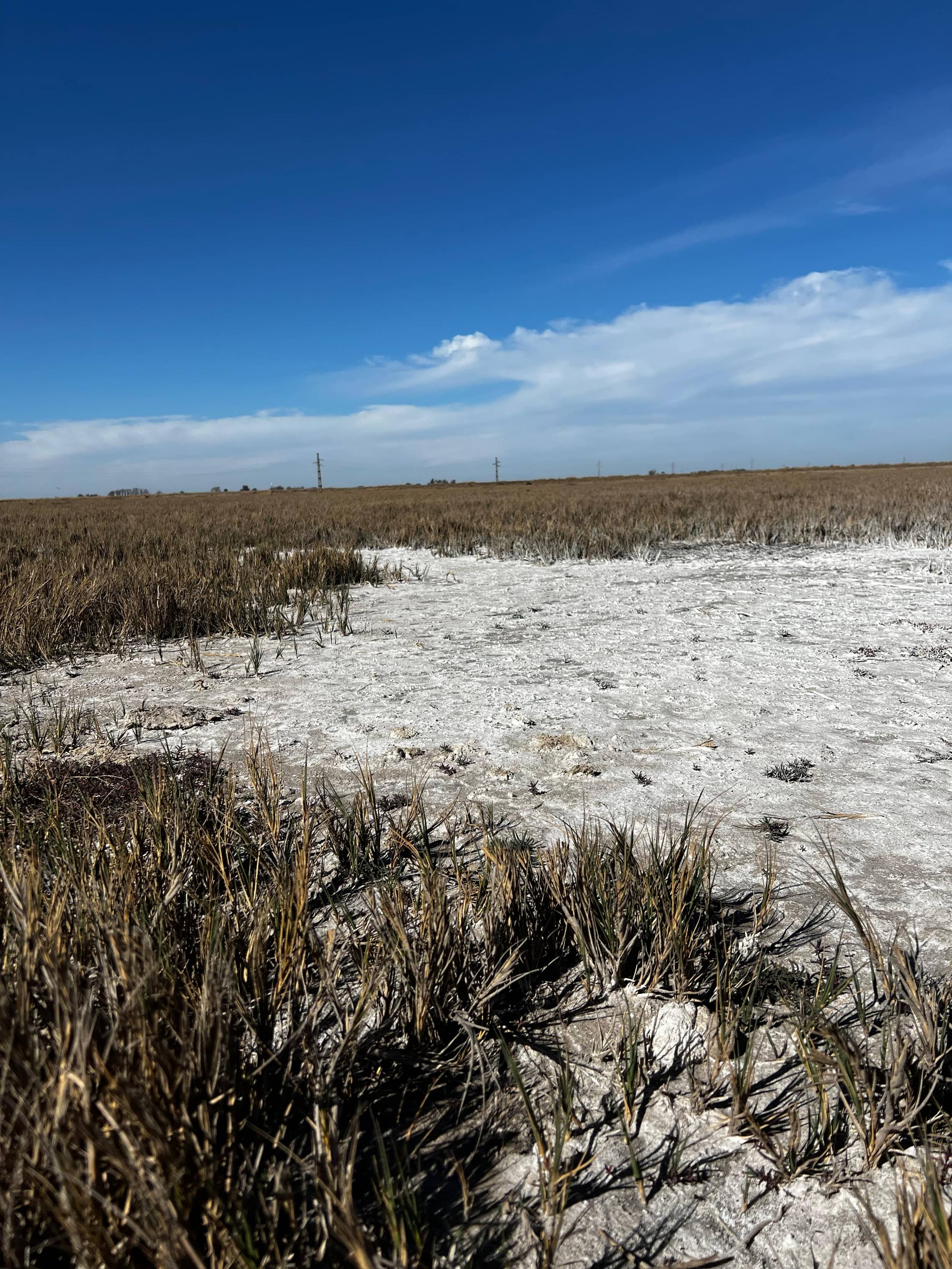
Saline field on pilot project in arid pampas
Water stewardship in Chile across shared value chains
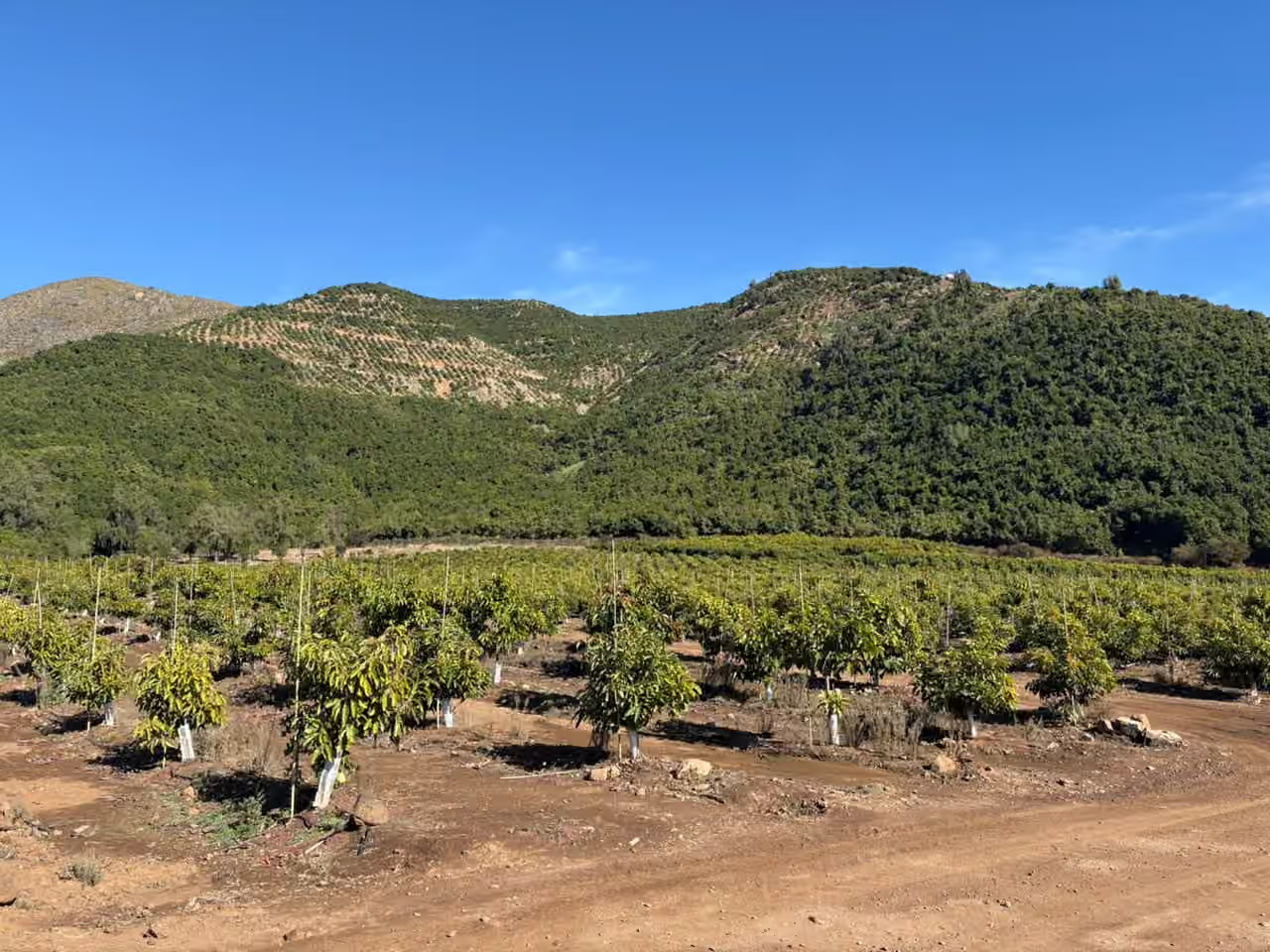
Water governance is becoming a growing challenge for agricultural supply chains connecting Chile and the Netherlands, particularly blueberries, avocados, grapes, citrus fruit and horticultural seeds, many of which are produced in Central Chile. After more than a decade of prolonged drought and water scarcity, increasingly unpredictable weather patterns and extreme events have added new challenges. Ensuring a reliable water supply for agricultural production is no longer just about managing scarcity, but also about adapting to greater climate variability.
In response to these challenges, the Netherlands is involved in two initiatives in Central Chile, in the adjacent Aconcagua and Maipo river basins. Although at different stages of development, both seek to strengthen water security through collaboration, knowledge sharing, and innovation.
In the Aconcagua watershed, the Embassy of the Kingdom of the Netherlands has been working with public and private partners since 2021 through the multiyear Partners for Water program, supported by the Netherlands Enterprise Agency (RVO). Within this program in 2024 the Aconcagua Partnership was established, bringing together 15 local fruit producers, international buyers, technical partners, and the Embassy. The initiative engages regional authorities and European importers and retailers, including Nature’s Pride and Dole, to encourage collective action on water challenges traditionally addressed by producers individually. At the farm level, the initiative promotes water-use monitoring and regenerative agricultural practices. Current activities include developing a water footprint dashboard and conducting a baseline study across participating farms, providing a basis for measuring future improvements.
‘In the Aconcagua watershed, a local network encourages producers to tackle water problems together’
In the neighboring Maipo watershed, the LAN team launched a project in 2026 through its Biodiversity Fund, in partnership with the Dutch organization Commonland. Drawing on Commonland's 4 Returns framework, the project takes an integrated biodiversity-agriculture-water-climate nexus approach to landscape regeneration. The ambition is to develop a shared long-term vision and build an alliance for the conservation, restoration, and sustainable use of biodiversity. Initial activities have focused on stakeholder engagement, connecting existing initiatives, and identifying shared challenges and opportunities. The next step is to move toward practical pilot initiatives that can demonstrate solutions, generate learning, and support long-term collaboration.
Both initiatives highlight the importance of connecting farm-level action with a broader understanding of landscape dynamics. In Aconcagua, discussions with local authorities are exploring how existing water-related data could better support decision-making, including potential collaboration with the Dutch research institute Deltares. Similar expertise in water balance assessment, satellite-based monitoring, and data analysis could also benefit the Maipo project. Both watersheds offer opportunities for Dutch knowledge institutions and AgTech companies to contribute innovative solutions at the watershed and farm levels. The LAN team is also exploring a possible Dutch innovation mission on water and agriculture in 2027 to strengthen these connections.
Beeld: © LAN Cono Sur
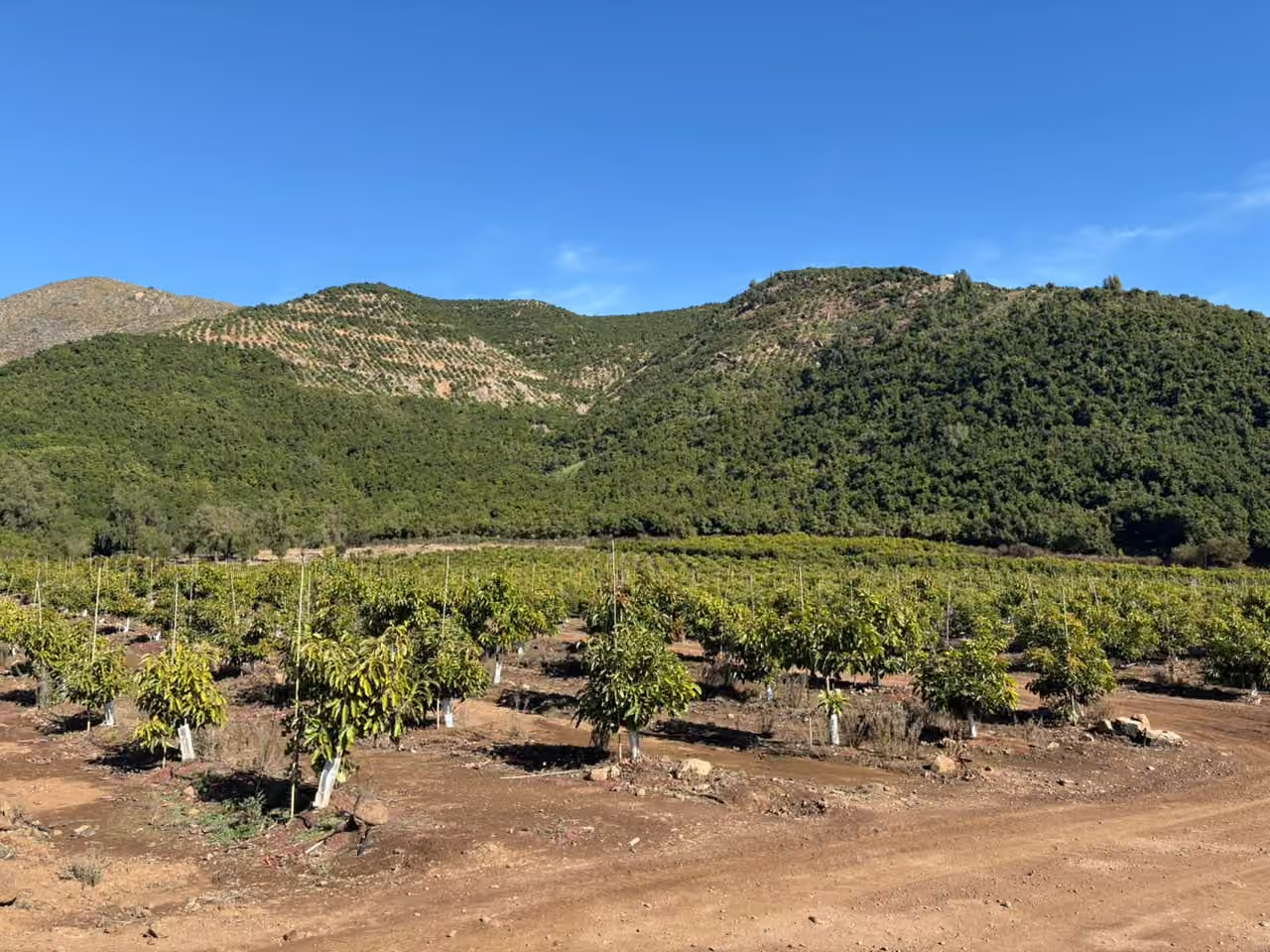
Pilot plot Aconcagua / Maipo project
From commodity to value: Uruguay’s dairy campus
Uruguay is the world’s seventh-largest dairy exporter. Dairy exports earned the country USD 962.7 million in 2025, but most products are sold as milk powder. That leaves the sector exposed to changes in global prices, a shrinking rural workforce, and drought. Instituto Nacional de la Leche (INALE) has released export figures for 2025.
A Seed Money Project with Wageningen and Uruguay’s national research institute, INIA, is developing a dairy campus modeled on the Dutch example. The idea is to create a neutral site where companies and researchers can test technology before competing products reach the market, adapting innovations to Uruguay’s pasture-based farming systems. The campus is still only a proposal; no location, budget or managing partner has been agreed.
An April 2026 mission presented the concept to INIA, cooperatives, local companies, universities, and technology providers. The next step is to involve Dutch AgTech and dairy businesses. In 2027, the LAN team plans to organize a Dutch trade mission to explore what role Dutch technology and solutions can play. The April 2026 mission was led by Wageningen University; the 2027 mission would engage a cluster of Dutch AgTech and dairy companies rather than named firms.
Dutch companies could contribute on farms through robotic milking, monitoring of animals and pasture, soil and feed analysis, and grass genetics. These precision-livestock and pasture tools could help producers increase output despite labor shortages. Further along the supply chain, Dutch expertise in dairy ingredients and branded products, together with the Dairy Campus model, could help Uruguay move into higher-value products rather than relying mainly on milk powder. These are potential contributions to be defined through the 2027 mission.
As EU-Mercosur trade relations change for example by the provisionally applied trade agreement, Uruguay could also provide Dutch firms with a base for reaching the wider Mercosur market. Particularly since Uruguay offers a relatively stable political and economic environment making it attractive for Dutch companies.
“Uruguay is inspired by Wageningen’s Dairy campus and looks to ways to do develop a similar initiative.”
Benefitting producers, businesses, and consumers alike
These three examples show that the Netherlands has a clear role to play in helping to make agri‑food value chains more sustainable. By combining Dutch knowledge and expertise with local partnerships in Argentina, Chile and Uruguay, the LAN team supports concrete innovations that strengthen environmental performance and social resilience along the chain.
In doing so, these collaborations contribute to future‑proof trade relations, foster innovation on both sides of the Atlantic, and help develop sustainable production and value chains that benefit producers in the region, Dutch businesses, and consumers alike.
More information
Would you like to know more about satellite-based salinity research in Argentina, shared water management in Chile or precision dairy technology in Uruguay? Visit the country pages of Argentina, Paraguay and Uruguay and Chile on this website. You can also contact the LAN teams at the Dutch Embassies in Buenos Aires (bue-lvvn@minbuza.nl) and Santiago de Chile (stg-lvvn@minbuza.nl).