
From 31 August to 5 September 2026, a Vietnamese aquaculture delegation visited the Netherlands on the occasion of the Global Shrimp Forum 2026 in Utrecht. Bringing together senior representatives from more than 30 organisations, the mission provided a unique platform to strengthen existing relationships, exchange knowledge, explore new business opportunities and identify areas for future cooperation across the aquaculture value chain.
Beeld: Dinh Tuyen
The Vietnamese delegation during aquaculture mission in the Netherlands
The mission was organised as part of the Netherlands–Vietnam sustainable aquaculture programme and brought together representatives from Vietnamese and Dutch government authorities, sector organisations, knowledge institutes and businesses working across the value chain, from breeding and hatcheries to feed, farming, processing, trade and retail.
Creating opportunities that neither country could achieve alone
The mission kicked off with a high-level dialogue at the Ministry of Agriculture, Fisheries, Food Security and Nature (LVVN) of the Netherlands. Receiving the delegation were Director General Mark Roscam of LVVN, together with Mr. Michiel van der Pompe, Head of Business Climate, Sustainable Economic Development Department at the Ministry of Foreign Affairs.
Beeld: © EKN Hanoi / Dinh Tuyen
Dialogue at the Ministry of Agriculture, Fisheries, Food Security and Nature of the Netherlands
The Netherlands congratulated Vietnam on its success in developing a globally competitive aquaculture sector, positioning the country among the world’s leading producers and exporters of aquatic products. The successful implementation of the Netherlands-Vietnam aquaculture programme in the Mekong Delta of Vietnam, initiated in 2023, was also the key topic of the dialogue. With Vietnam targeting an aquaculture output of around 7 million tonnes by 2030, both the Netherlands and Vietnam shared the view that the future of aquaculture cannot be measured in tonnes alone. It depends not only on how much we produce, but also on how responsibly we produce it: using less water and energy, reducing emissions, protecting biodiversity, maintaining economic viability for producers, and ensuring food security for present and future generations.
This is an area where the strengths of Vietnam and the Netherlands are highly complementary.
Vietnam brings extensive production experience, entrepreneurial dynamism and deep practical knowledge of aquaculture. The Netherlands contributes expertise in innovation, water management and technology, research, and integrated food systems. Together, these complementary strengths create opportunities that neither country could achieve alone.
Beeld: © EKN Hanoi / Dinh Tuyen
Dr. Tran Dinh Luan, Director General of Fisheries and Surveillance (DFiS), Ministry of Agriculture and Environment of Vietnam at the meeting
Looking towards a longer-term partnership, as the Head of the delegation, Dr. Tran Dinh Luan, Director General of Fisheries and Surveillance (DFiS), Ministry of Agriculture and Environment of Vietnam, proposed six priority areas for future cooperation between the Netherlands and Vietnam. These include: (1) water management and water-saving technologies; (2) recirculating aquaculture systems and efficient resource use; (3) digital monitoring and data-driven farming; (4) seed quality, nutrition, aquatic animal health and biosecurity; (5) climate-resilient production; and (6) circular economy and emission-reduction solutions. These priorities provide a practical framework for turning the shared ambition of sustainable aquaculture into concrete cooperation between the two countries in the upcoming years.
The new Vietnam shrimp story: resilience, responsibility and premium potential
The Global Shrimp Forum 2026 was the centrepiece of the mission.
Held in Utrecht from 1 to 3 September, the fifth edition of the forum brought together nearly 600 delegates from 40 countries and around 300 businesses and organisations across the global shrimp supply chain. Processors and exporters, importers, retailers, feed and genetics companies, technology providers, researchers, financial institutions and investors all came together, to discuss the future of the sector.
Beeld: © Global Shrimp Forum / Global Shrimp Forum
The Global Shrimp Forum 2026 opening in Utrecht
Across three days, the forum offered a comprehensive view of the global shrimp industry, covering global trade flows, feed availability and pricing, sustainability, EU seafood market trends, labour and human rights, branding and consumer demand.
For Vietnam, the forum was also an opportunity to highlight its success story.
In the first eight months of 2026, Vietnam's shrimp exports reached USD 3.3 billion, an increase of 12% compared with the same period last year. Vietnam remains the world's third-largest shrimp exporter, following Ecuador and India, while continuing to build its strength in value-added products.
Europe remains an important market. During the first seven months of 2026, Vietnam exported USD 307 million worth of shrimp to the EU, up 0.5% year-on-year. The EU accounted for approximately 11% of Vietnam's total shrimp export value, while shrimp represented 48% of Vietnam's total seafood export value to the EU during the same period.
Within Europe, the Netherlands plays a particularly important role—not only as a consumer market, but also as an important import and distribution hub. According to data from the Dutch Fish Importers Association, the Netherlands imported approximately 125,000 tonnes of shrimp in 2025, including around 27,000 tonnes from Vietnam.
On the second day of the forum, the Vietnam country session at the Global Shrimp Forum—“The New Vietnam Shrimp Story: Resilience, Responsibility and Premium Potential”—provided an important opportunity to for the Vietnamese shrimp story to take the international stage. Hosted by the Netherlands' CBI and the Dutch Fish Importers Association (VIV), the session attracted retailers, importers and Dutch and European businesses interested in Vietnam's shrimp sector.
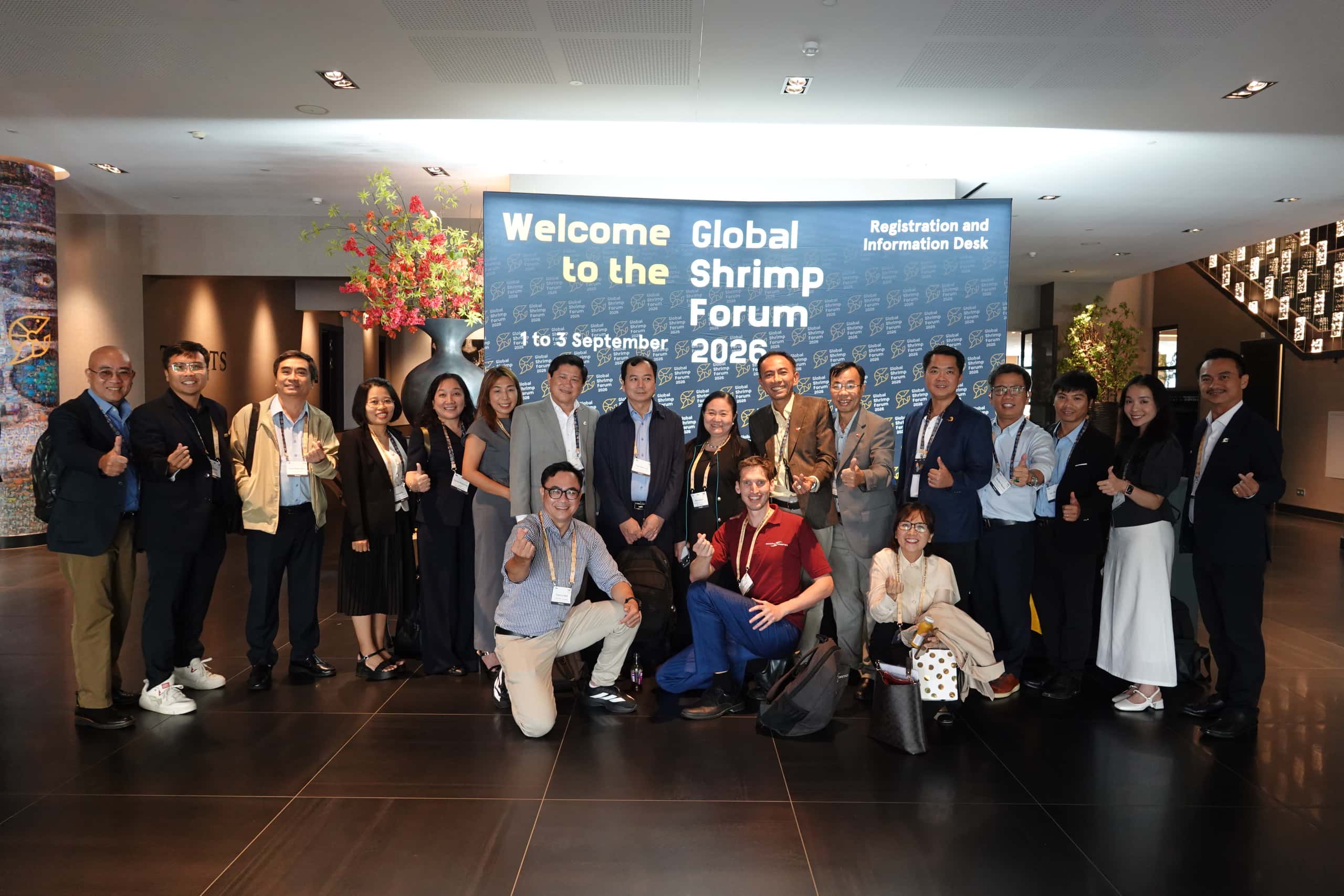
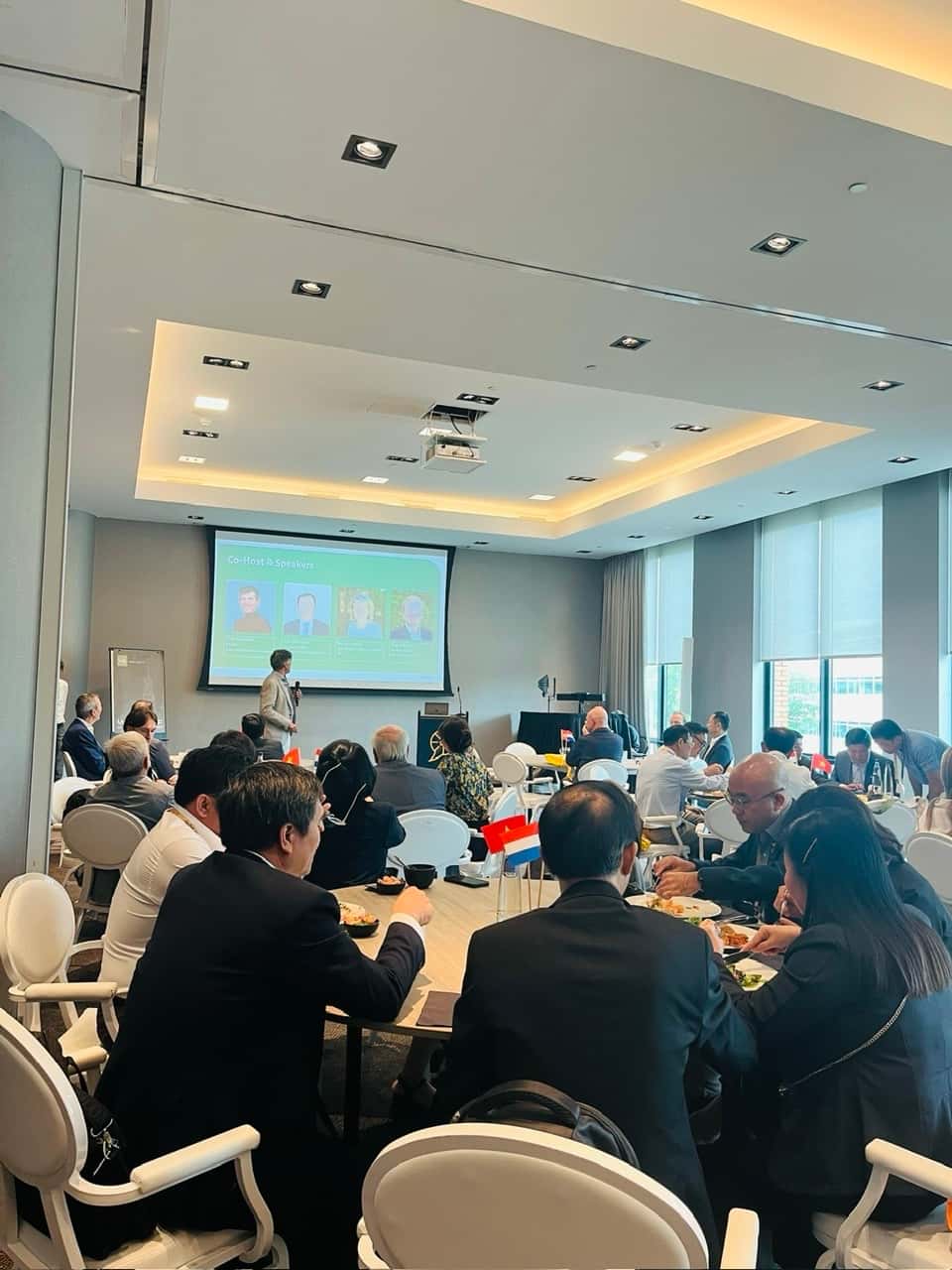
The discussions focused on some important questions: How can Vietnam better communicate its shrimp story? How can it strengthen its position in value-added shrimp? And can premium products, such as mangrove shrimp, open new opportunities in European markets?
No clear answers were given at the end of the workshop yet. However, one message is clear that Vietnamese shrimp can strengthen its position in Europe’s premium seafood market, supported by ASC certification, zero-antibiotics production, disease-resistant breeding, as well as innovative and sustainable farming models.
Knowledge exchange: seeing is believing
On the sidelines of the Global Shrimp Forum, the delegation visited several Dutch organisations and companies along the aquaculture value chain, including Wageningen University & Research, Delta Farm and DaySeaDay.
At Wageningen University & Research, the delegation visited Carus-ARF, the Aquatic Research Facility of Wageningen Livestock Research. The facility works on nutrition, digestibility, animal welfare, aquaculture systems, marine ecology and climate change under both freshwater and marine conditions. The visit provided an opportunity for in-depth discussions on aquaculture and fisheries welfare and ecology, the blue economy, and breeding and genetics.
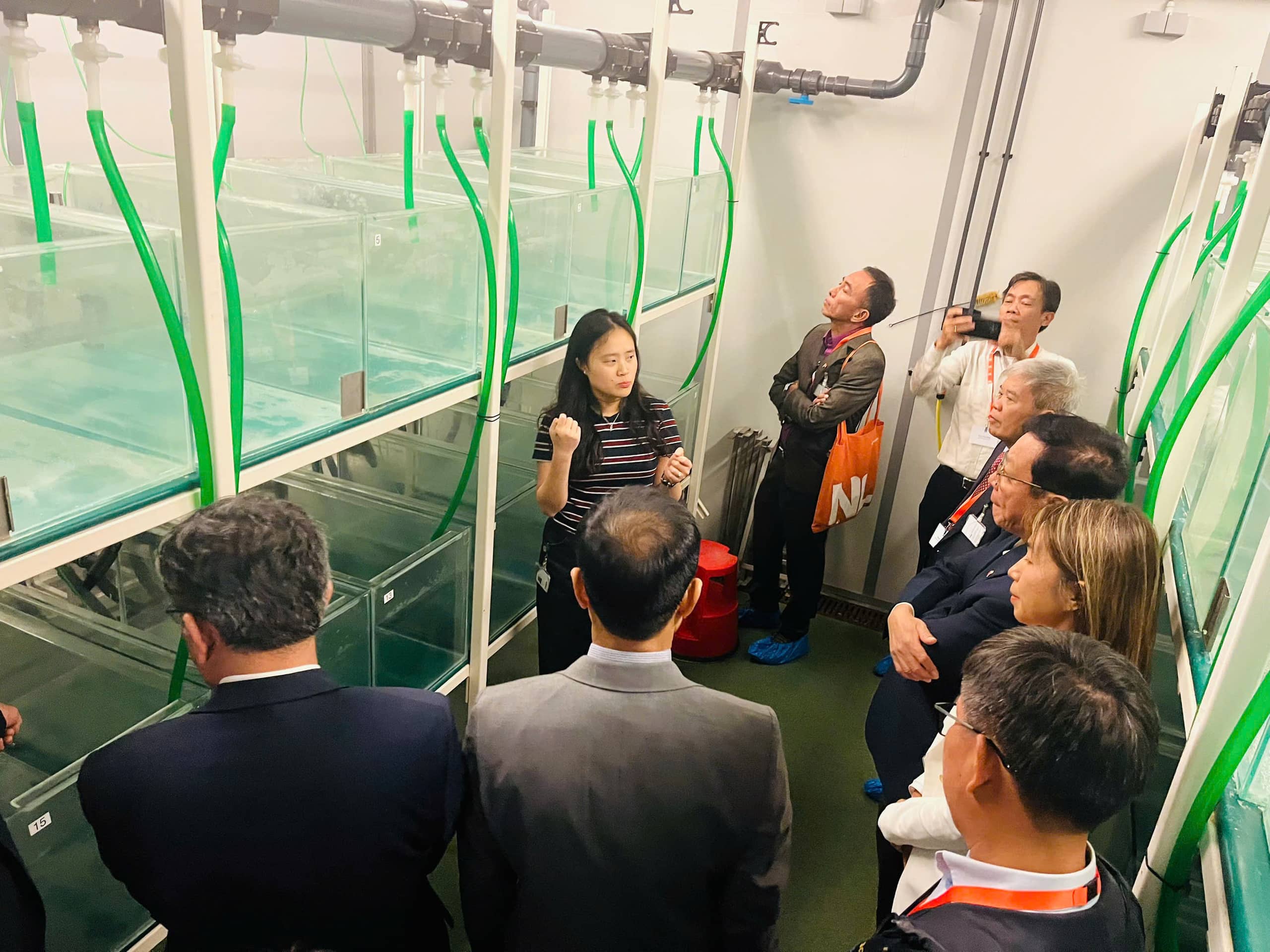
Site visit to Wageningen University & Research 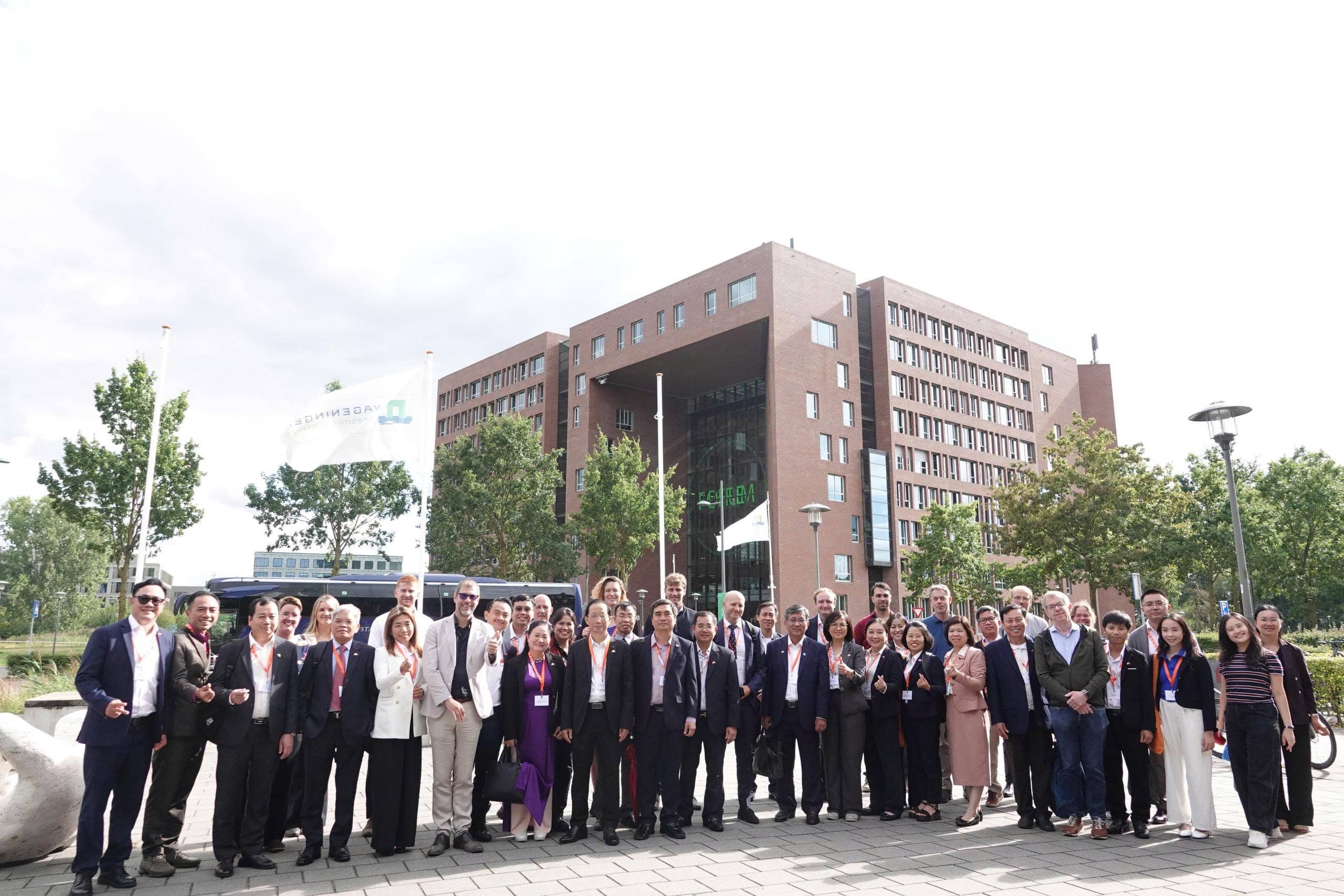
Site visit to Wageningen University & Research
At Delta Farm, the delegation had chance to learn more about the importance of Specific Pathogen Free (SPF) polychaetes, as a dietary supplement in maturation feeds for aquaculture. As Europe's largest supplier of farmed Specific Pathogen Free (SPF) polychaetes, Delta Farm produces polychaetes under highly controlled conditions designed to minimise the risk of tropical pathogens. Their polychaetes are exported to around 60 countries, including Vietnam.
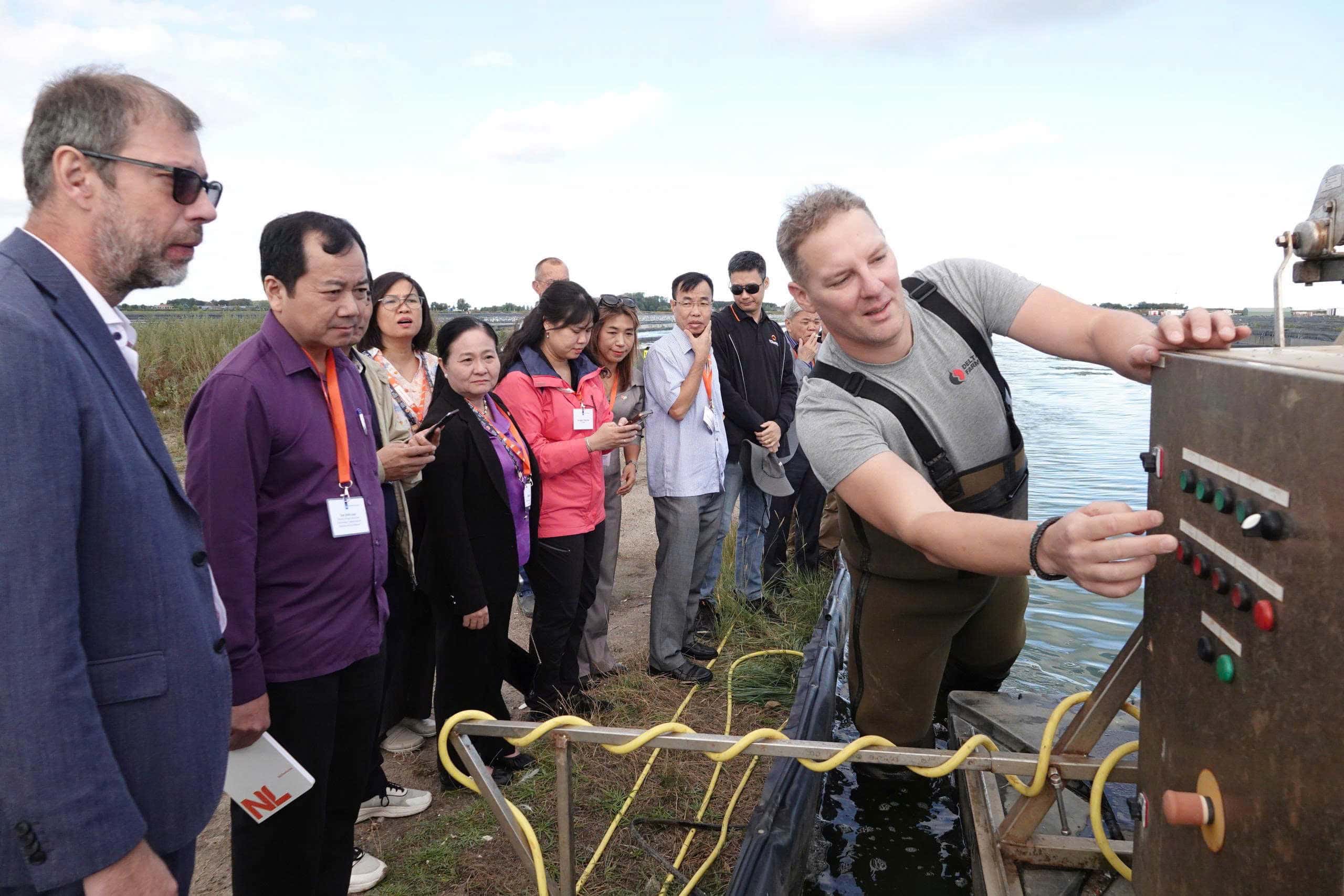
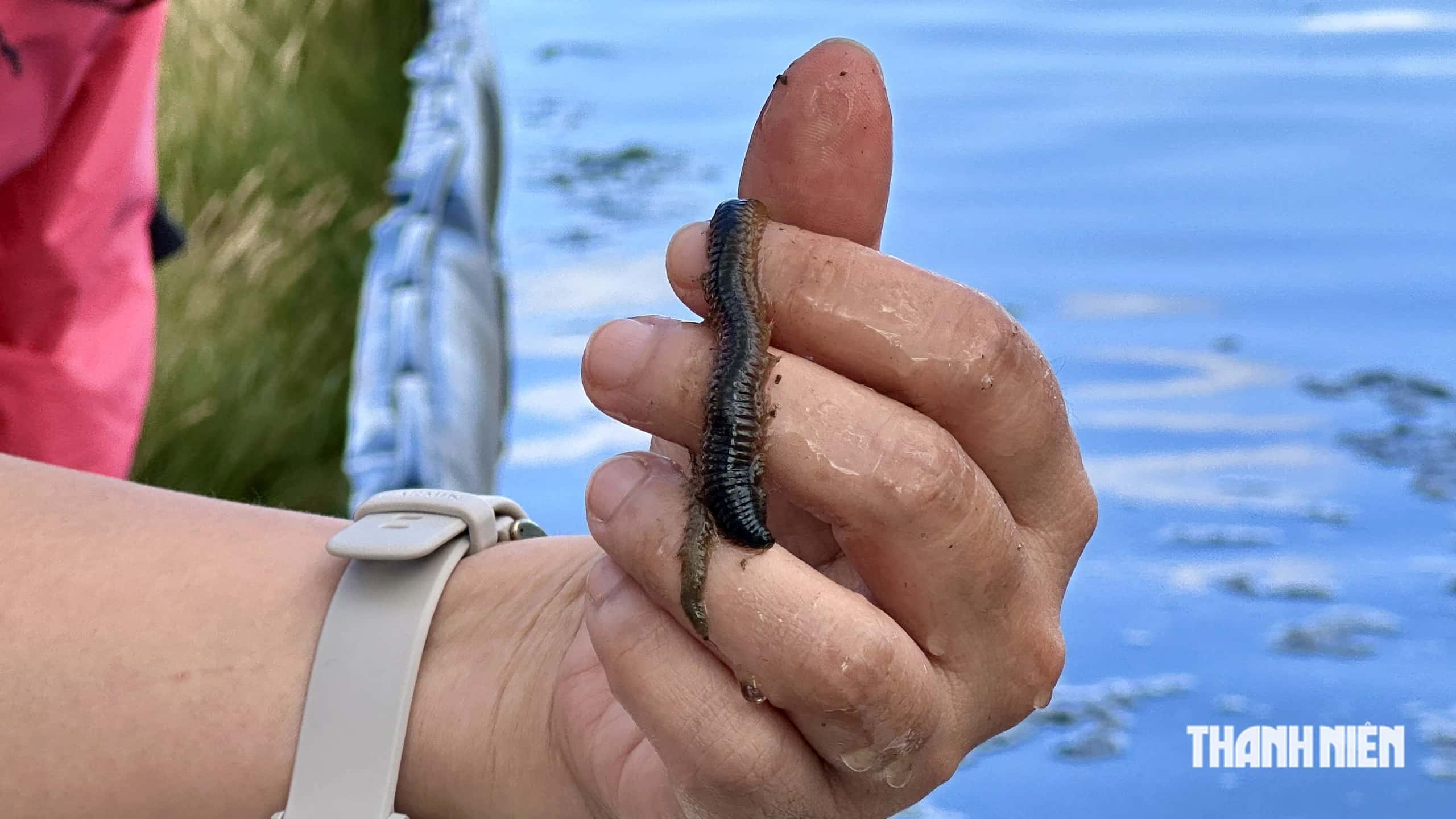
Beeld: © EKN Hanoi
Site visit to DaySeaDay
The final field visit took the delegation to DaySeaDay in Urk, a Dutch trade partner specialising in fresh and frozen fish products and sourcing from around the world, including Vietnam. Here, the delegation could see containers of Vietnamese shrimp already in the Netherlands and ready for distribution across Europe. The visit offered a direct perspective on how Vietnamese seafood enters European markets and how retailers and buyers view Vietnamese products, including their freshness, appearance and food-safety. The EU–Vietnam Free Trade Agreement also contributes to the competitiveness of Vietnamese seafood in the European market.
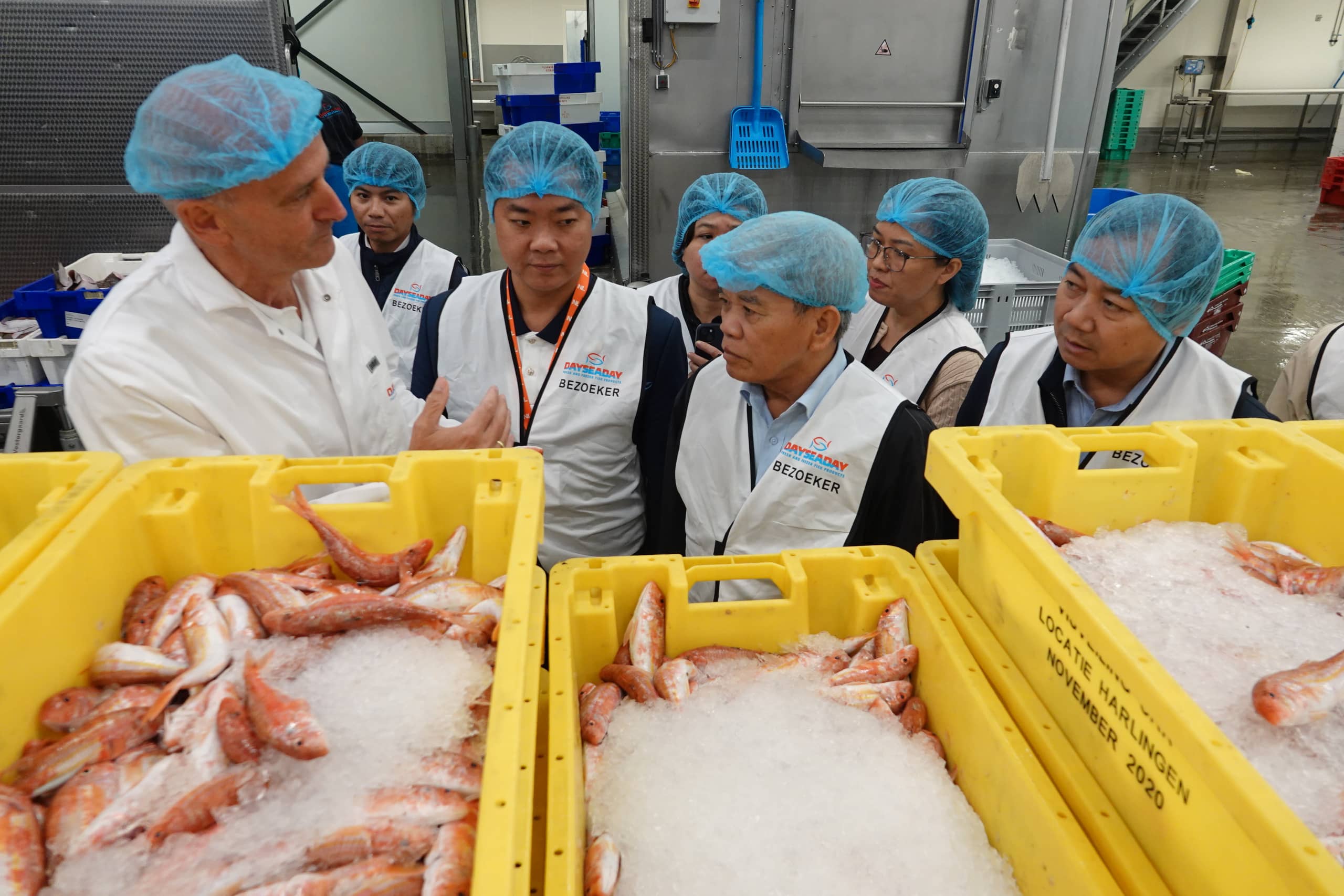
Delegation's visit to DaySeaDay 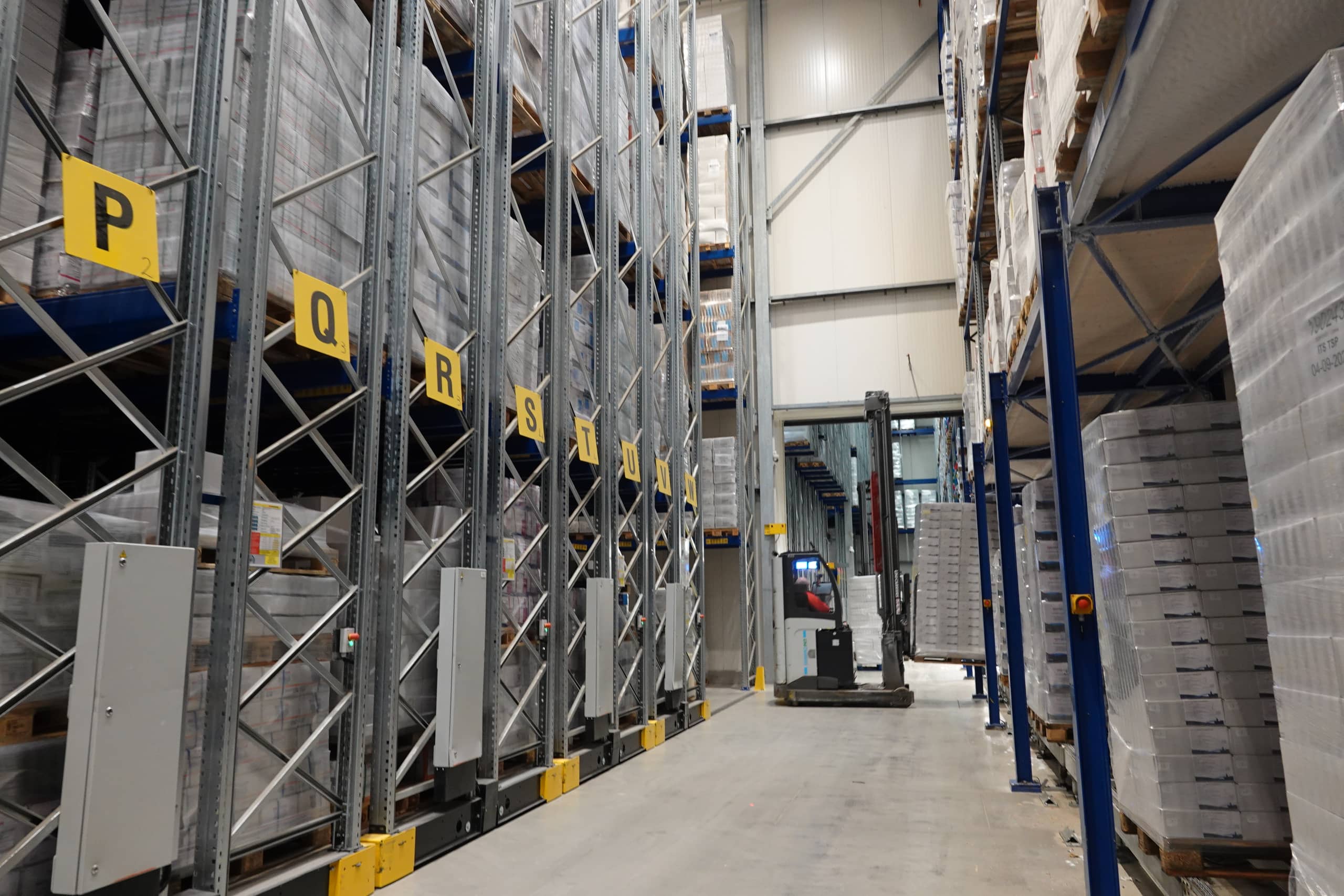
Inside the DaySeaDay facility
From ideas to investment: financing impact in the aquaculture
Financing sustainable aquaculture was an important part of the mission programme. A dedicated session brought together Dutch financial institutions—including Invest International, Dutch Development Bank (FMO) and Rabobank Partnership—to discuss a practical question: How can we enable more Dutch–Vietnamese projects and investments to move forward?
The Vietnamese delegation learned about different financial instruments, eligibility requirements relevant to agriculture projects. Dutch financial institutions also shared examples and experiences from agricultural projects in Vietnam and other parts of the world that they are financing. The financiers also expressed strong willingness to work with Vietnamese partners on projects that can scale and generate greater impact in the sustainable shrimp sector.
Beeld: © EKN Hanoi
The Vietnamese aquaculture mission to the Netherlands
From a mission to a longer-term partnership
After one week, the delegation returned home with more than new contacts. The mission created opportunities to learn from Dutch innovations and technologies in aquaculture sector, understand European market perspectives, explore financing mechanisms, exchange practical experiences and develop new ideas for cooperation.
The mission therefore marks not an endpoint, but another step in a longer journey: strengthening trust, sharing knowledge, connecting markets and building green economic partnerships that create value for both countries while contributing to a more sustainable global seafood industry.