
Year two of the ShrimpTechVietnam Impact Cluster is well underway, and the consortium is moving from laying foundations to delivering results. Where year one focused on setting up demonstration farms, building partnerships and defining the technical agenda, year two is about turning those building blocks into measurable impact: hard data on carbon footprints, and knowledge development and transfer at scale across the Mekong Delta.
Beeld: Larive International
ESG farm
Bringing together Dutch and Vietnamese private sector partners alongside government support, the ShrimpTechVietnam consortium, consisting of Skretting, TipTopp Aquaculture, ShrimpVet, Delta Farms, Hendrix Genetics, Viqon, OpenAsia, Larive International, and RYNAN Smart Aquaculture, continues to work as a single team with one shared ambition: making the Vietnamese shrimp sector more sustainable, more productive and future-proof. Below are the highlights of the past year.
Life Cycle Analysis: mapping the carbon hotspots
ShrimpTechVietnam has published a Life Cycle Analysis (LCA) study identifying the main carbon emission hotspots along the shrimp value chain. Results from the project’s two demonstration farms show that shrimp production generates around 3.7 kg CO₂e per kg of shrimp, already well below the 7–12 kg CO₂e/kg typically cited in industry literature.
To drive emissions down further, the partners are trialling low-impact feed formulations with reduced protein levels and applying responsible sourcing policies that prioritise ingredients free from land use change and deforestation. Building on the LCA, the tool is now being rolled out to additional farmers, giving them insight into their own carbon footprint and the concrete measures available to reduce it.
From Farm to Fork: the video
Making the Vietnamese shrimp sector future-proof takes focus and collaboration. The new “ShrimpTechVietnam | From Farm to Fork” video shows how partners across the value chain have come together as a single team, combining their expertise for the benefit of the sector. It captures what becomes possible when private sector innovation meets government support, when Dutch know-how meets Vietnamese entrepreneurship, and when an entire value chain commits to positive change. Watch the movie through the link below:
ShrimpTechVietnam | From farm to fork | A journey of innovation and collaboration
Access to Finance
The consortium has published a new study on access to finance for shrimp farmers. The report maps the financing landscape for farmers looking to invest in net-zero and technically advanced farming systems, and sets out practical pathways to unlock capital at scale a critical step if sustainable practices are to be adopted beyond the demonstration farms.
The transition to sustainable shrimp farming requires significant investment, particularly from small and mid-sized farmers, yet access to finance for this group remains constrained. They face persistent barriers related to legal status, collateral requirements and proof of repayment capacity. The study explores how these gaps can be bridged and sets out concrete options for improving farmers’ access to capital.
Demonstrations and Knowledge Sharing
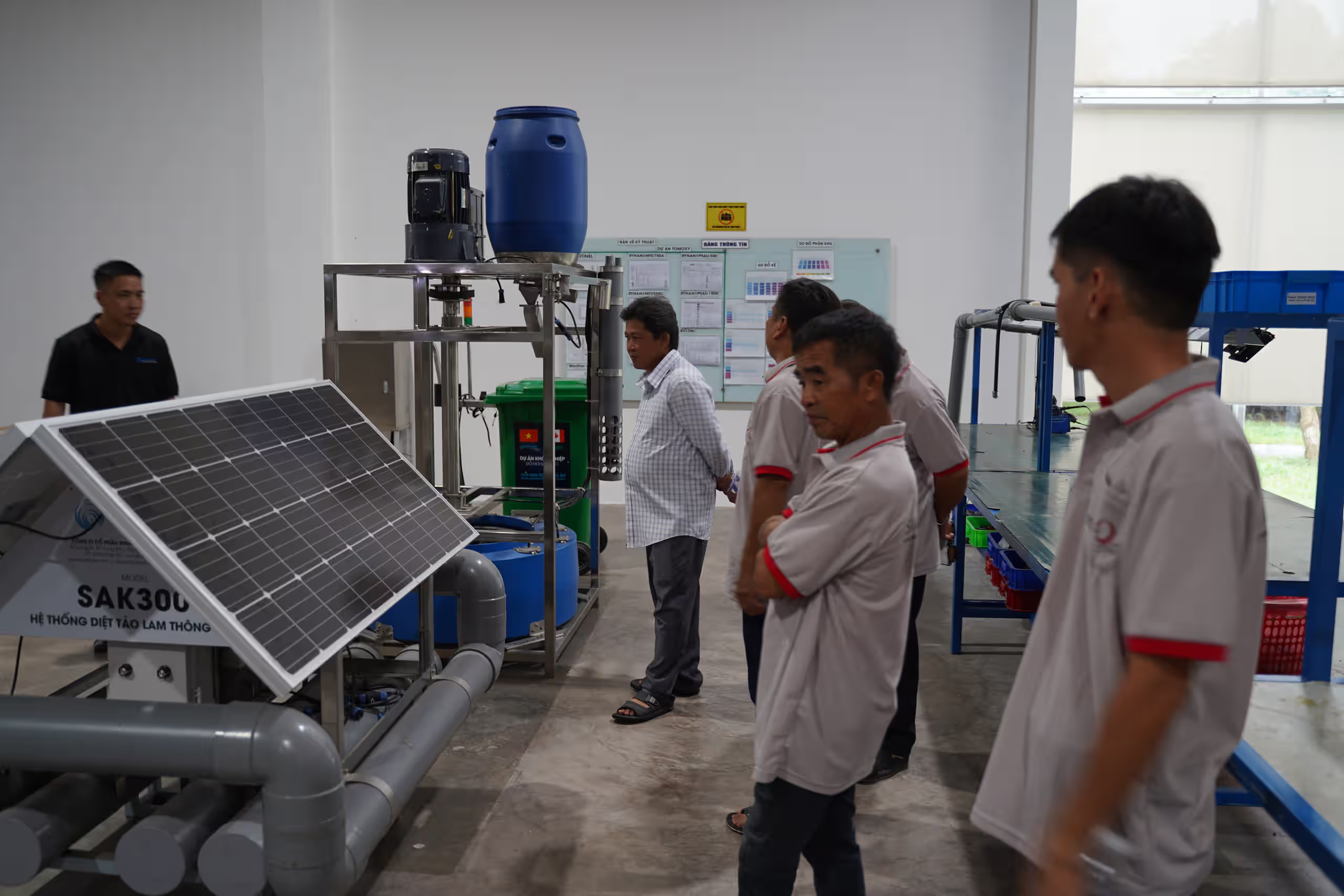
Demonstration and training activities are moving the sector towards a more system-based approach to net-zero farming, quantifying environmental impact at farm level and pinpointing where improvements can be made across feed, farming practices and technology integration. Priority topics include:
- Use of IoT technology and monitoring;
- Biosecurity and health management programmes for effective disease prevention;
- Comprehensive methane mitigation in ponds and sludge through daily siphoning, sludge composting and improved aerobic conditions;
- Optimising aeration and transitioning to renewable energy and energy-efficient pumping systems;
- Mangrove-based interventions.
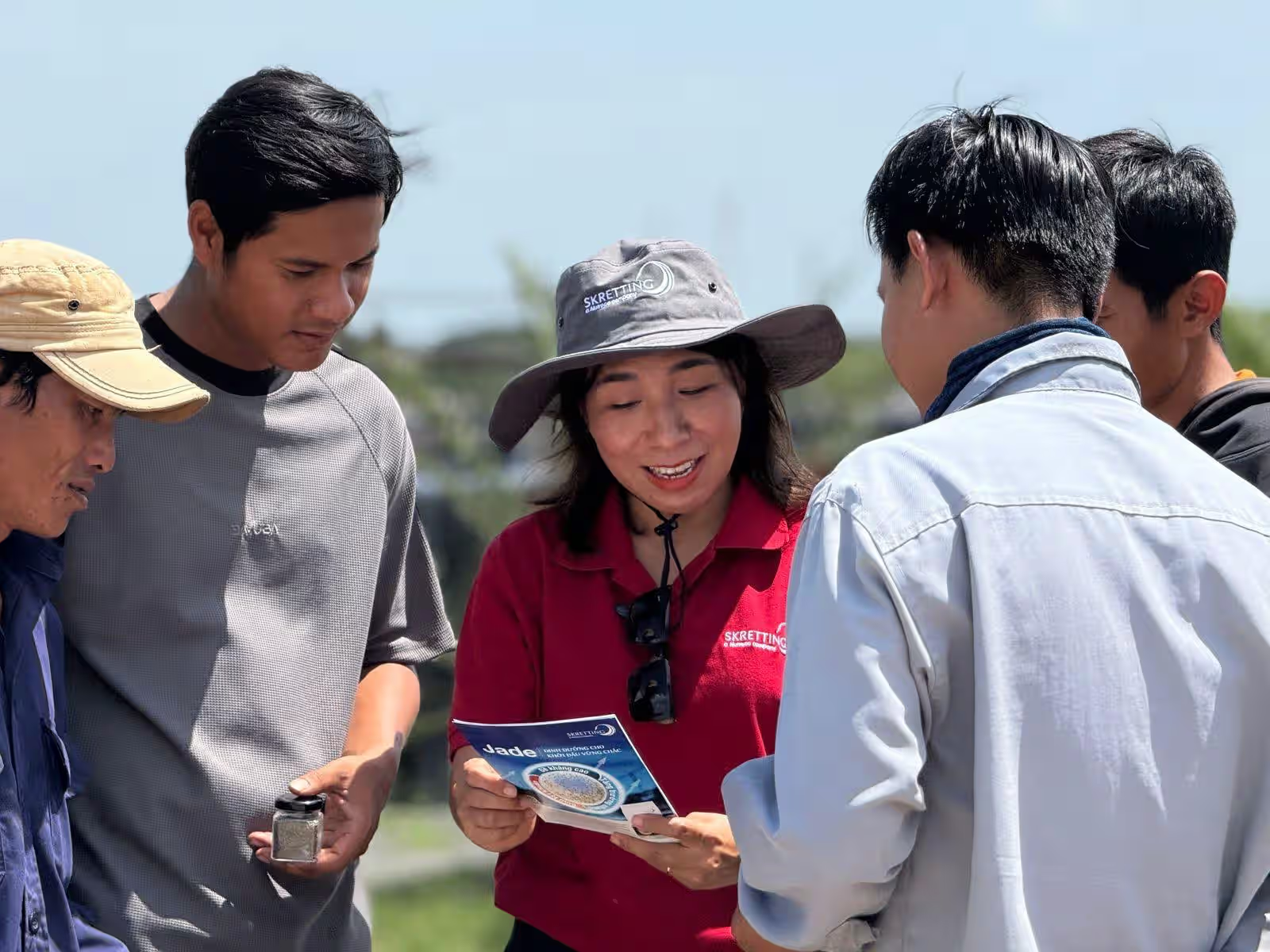
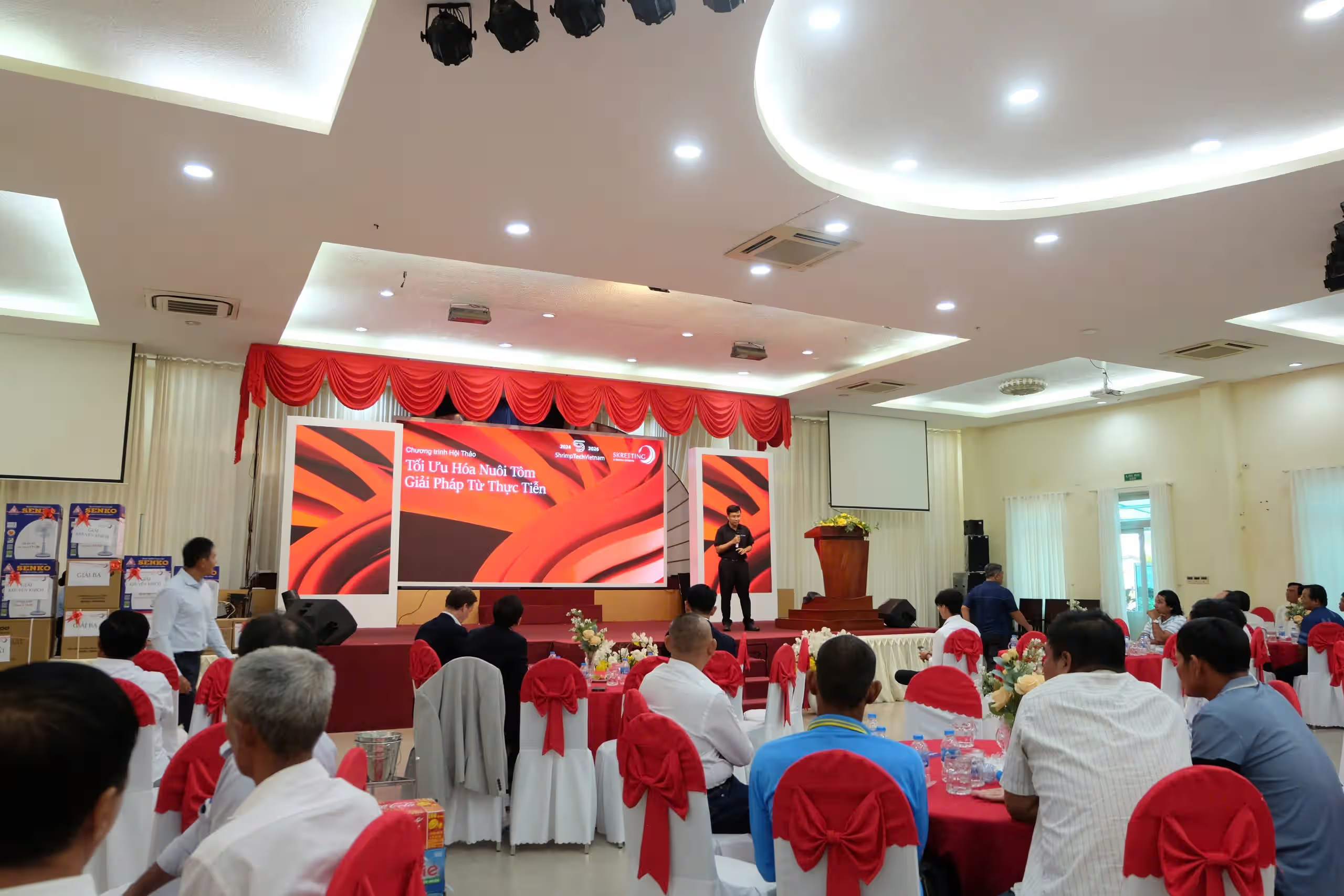
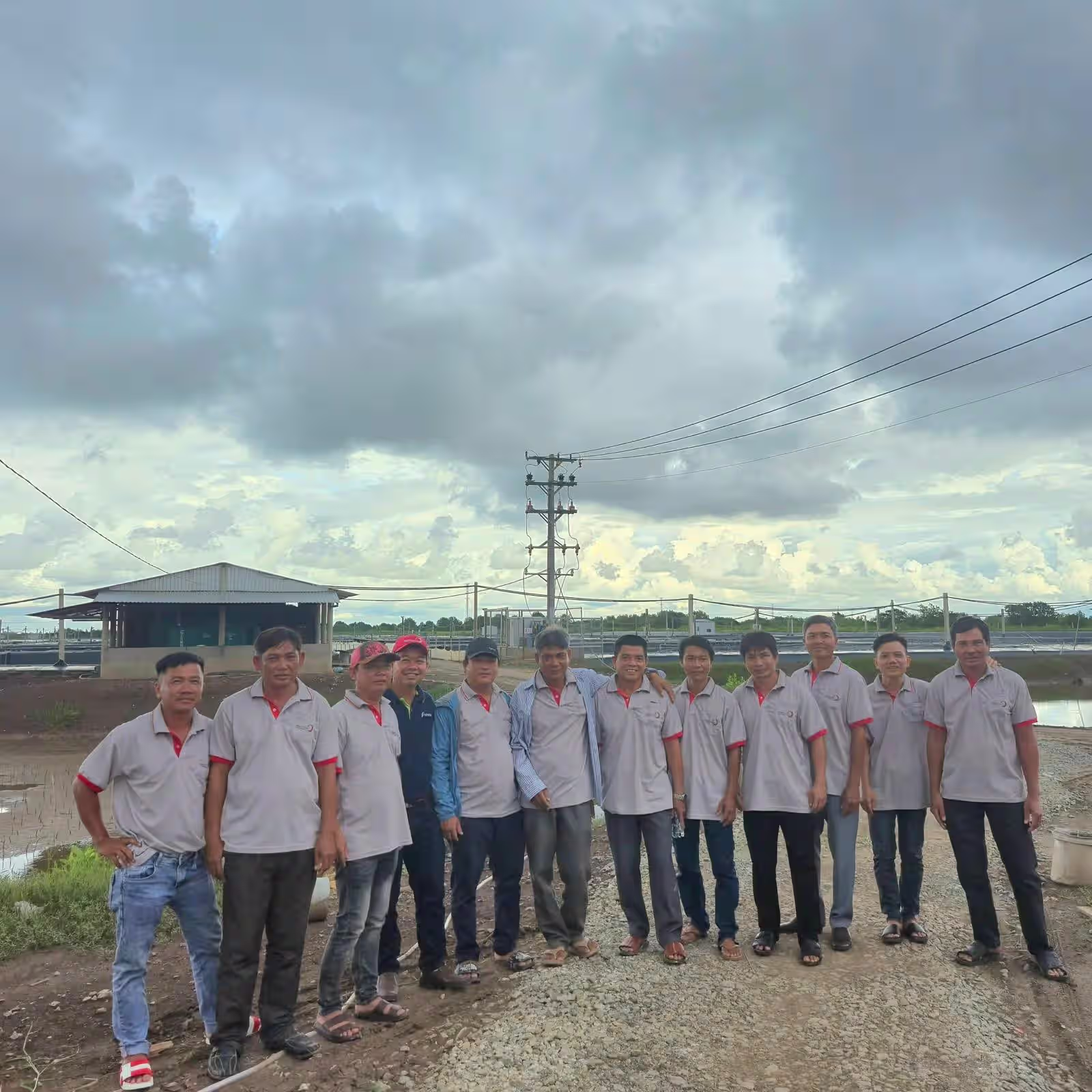
These insights are shared through knowledge transfer sessions and on-farm demonstrations. To date, continuous farmer training has reached over 750 farmers and stakeholders, turning project findings into practical solutions that help farms move towards carbon reduction.
Looking ahead
With the technical foundations in place and the first hard results on the table, year three will be about scale and consolidation. The focus will be on rolling out the carbon footprint methodology to a wider group of farmers and expanding the reach of training and on-farm demonstrations across the region. Year three is where ShrimpTechVietnam moves from proving what is possible to embedding a sustainable, low-carbon standard at the heart of the Vietnamese shrimp sector.