
Beef prices in Kazakhstan have surged by 20% since the beginning of the year, prompting concern among consumers and government officials alike. However, industry experts argue that the price hike is not a symptom of crisis, but rather a reflection of deeper financial and structural dynamics in the livestock sector.
Beeld: © AST-LVVN
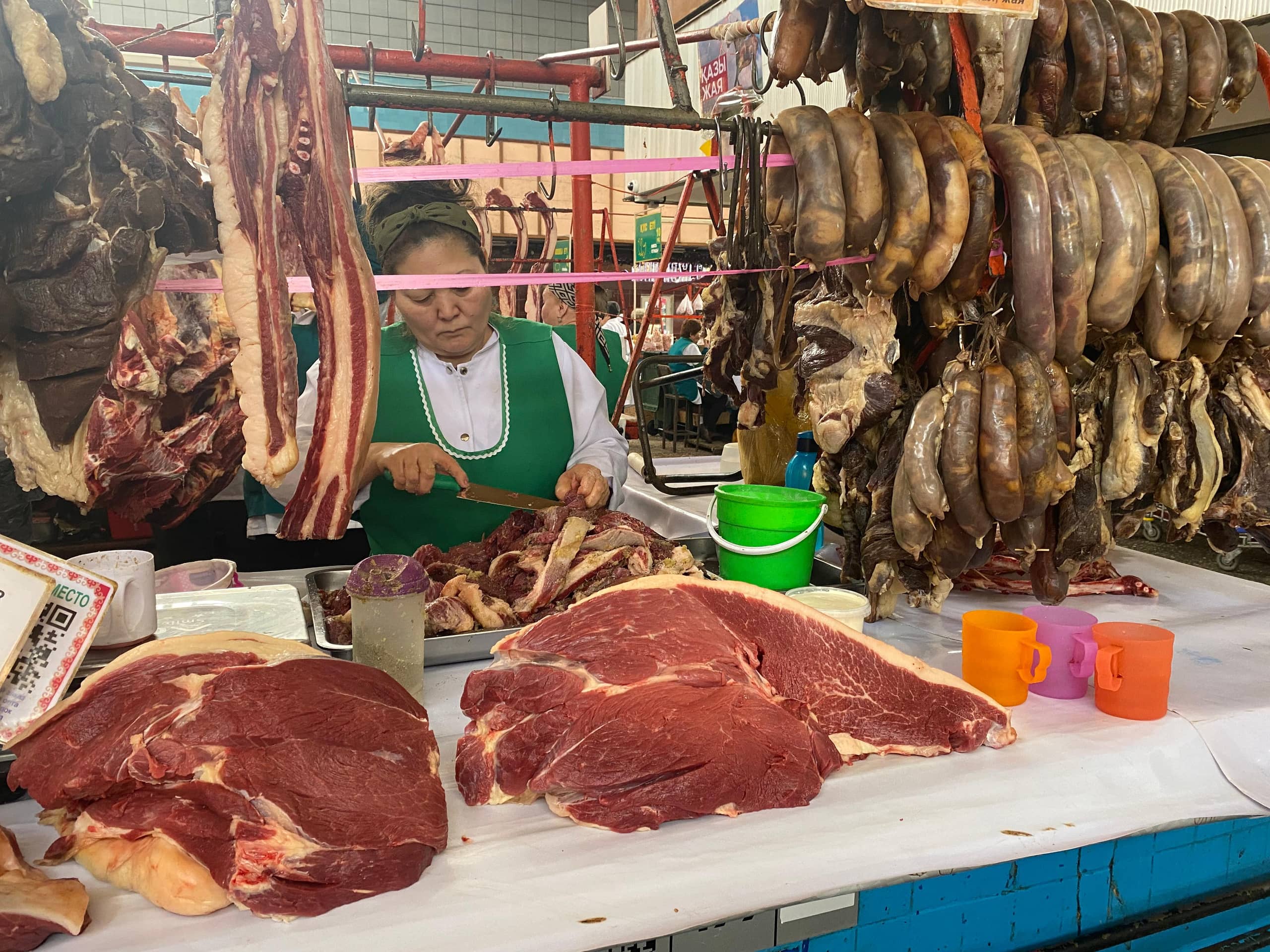
Meat market in Almaty, Kazakhstan
While the government has responded with restrictions on beef exports and live cattle sales, many believe these measures are unlikely to stabilize prices and may, in fact, harm the industry in the long term.
The real causes behind rising beef prices
Despite the common belief that exports are driving up domestic beef prices, evidence suggests otherwise. Over the past two years, Kazakhstan’s exports have been modest—only about 85,000 head of cattle or 20,000 tonnes of meat, representing just 1% of the national herd. For context, in 2019, the country exported significantly more cattle, yet domestic beef prices remained relatively stable. Thus, the current price increase appears to stem more from financial constraints and policy decisions made in recent years.
Beeld: © AST-LVVN
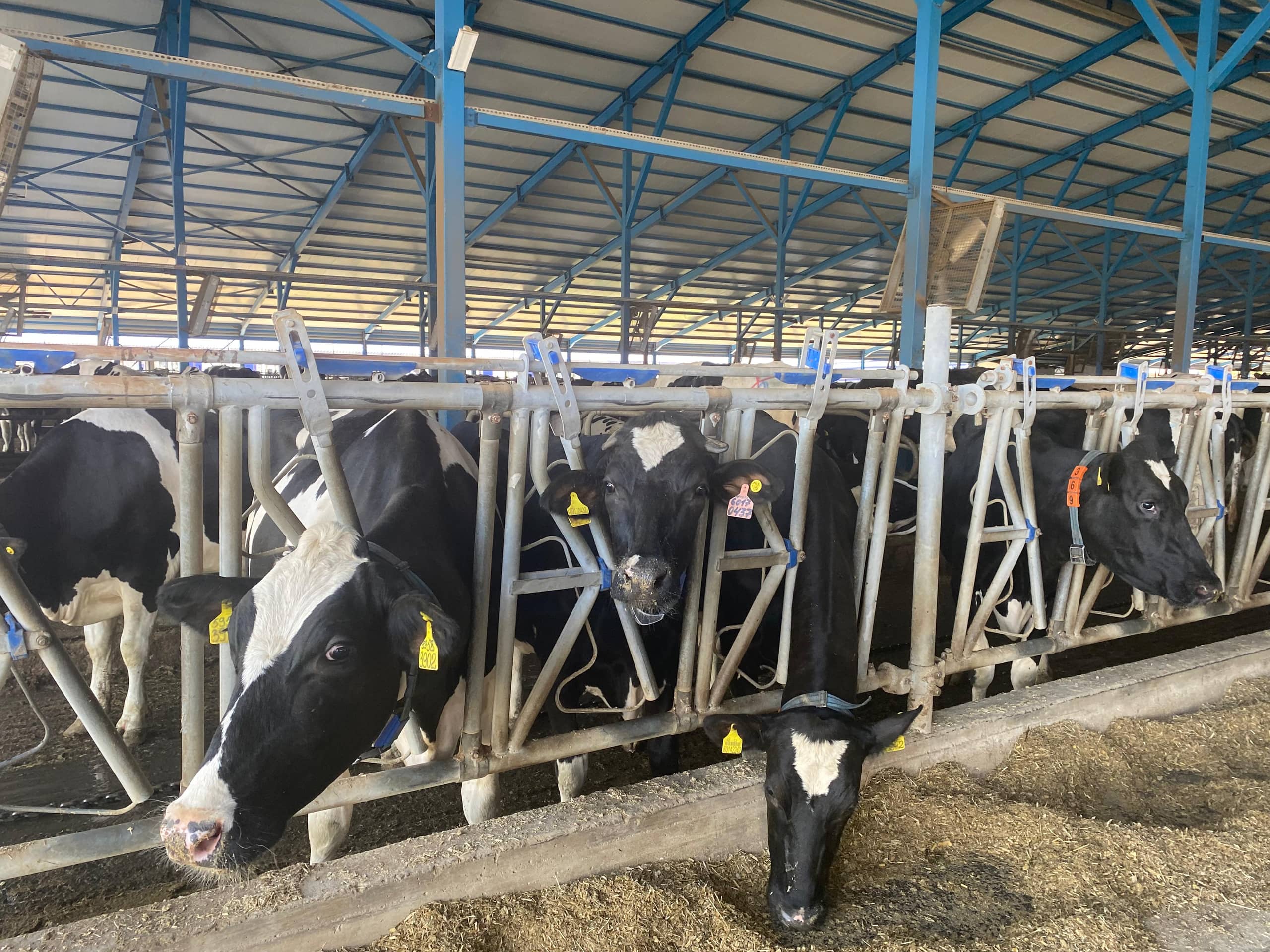
Dauren Salykov, Executive Director of the National Angus Chamber, notes that decisions such as reduced government support, limited access to low-interest loans, and previous export restrictions have weakened the industry’s capacity. Livestock production is inherently slow-moving—farmers need at least 2-3 years to raise cattle to slaughter weight. Therefore, today's shortages are the result of decisions made years ago.
Furthermore, input costs such as wages, feed, and pasture access have been steadily increasing. With wages in the sector traditionally below national averages and feed costs nearing unsustainable levels, many small farmers are struggling to keep up. This is significant, as 70–80% of the country’s cattle are raised by smallholder and private farms, who are the primary suppliers to domestic markets.
Government measures: quotas and bans
In response to rising prices, Kazakhstan’s government has introduced export quotas for beef and extended a complete ban on the export of live cattle until late 2025. The rationale is simple: keep more meat within the country to stabilize supply and lower prices.
However, critics argue that these restrictions are misguided and ineffective. Large agricultural holdings, which focus on producing high-quality, marbled beef (like Angus and Hereford), are the primary exporters. Their premium meat is not in demand domestically due to high prices. Export restrictions, therefore, target a segment that does not serve the local market and won’t suddenly pivot to do so—especially when local consumers cannot afford their products.
In fact, these large producers were originally encouraged by government policies to focus on exports. Since 2011, Kazakhstan has aimed to become a major beef exporter. While the ambitious target of exporting 60,000 tonnes by 2016 was never met, progress has been made, especially by vertically integrated producers who manage the entire supply chain—from breeding and feeding to slaughter and packaging.
Export restrictions now jeopardize that entire ecosystem. By cutting off foreign markets, the government risks destroying years of work and investment, all without meaningfully affecting domestic beef availability or prices.
Structural problems need structural solutions
Experts agree that the key to stabilizing beef prices lies not in restricting exports, but in addressing the real challenges faced by small and medium-sized farms, including:
- Lack of affordable, long-term financing for purchasing livestock.
- Limited access to quality pastureland, especially near villages.
- Rising feed costs, with bran and hay prices nearing those of wheat.
- Lack of direct-to-market options, forcing farmers to sell through middlemen and inflating consumer prices.
Without resolving these issues, the country will remain vulnerable to price spikes and supply shortages, regardless of how much beef is kept from export.
Source: https://eldala.kz/ (in Russian)