
On 30 May, on the International Day of the Potato, we celebrated not only one of the world’s most versatile and sustainable crops but also a food that plays a crucial role in food security, innovation, and rural economies.
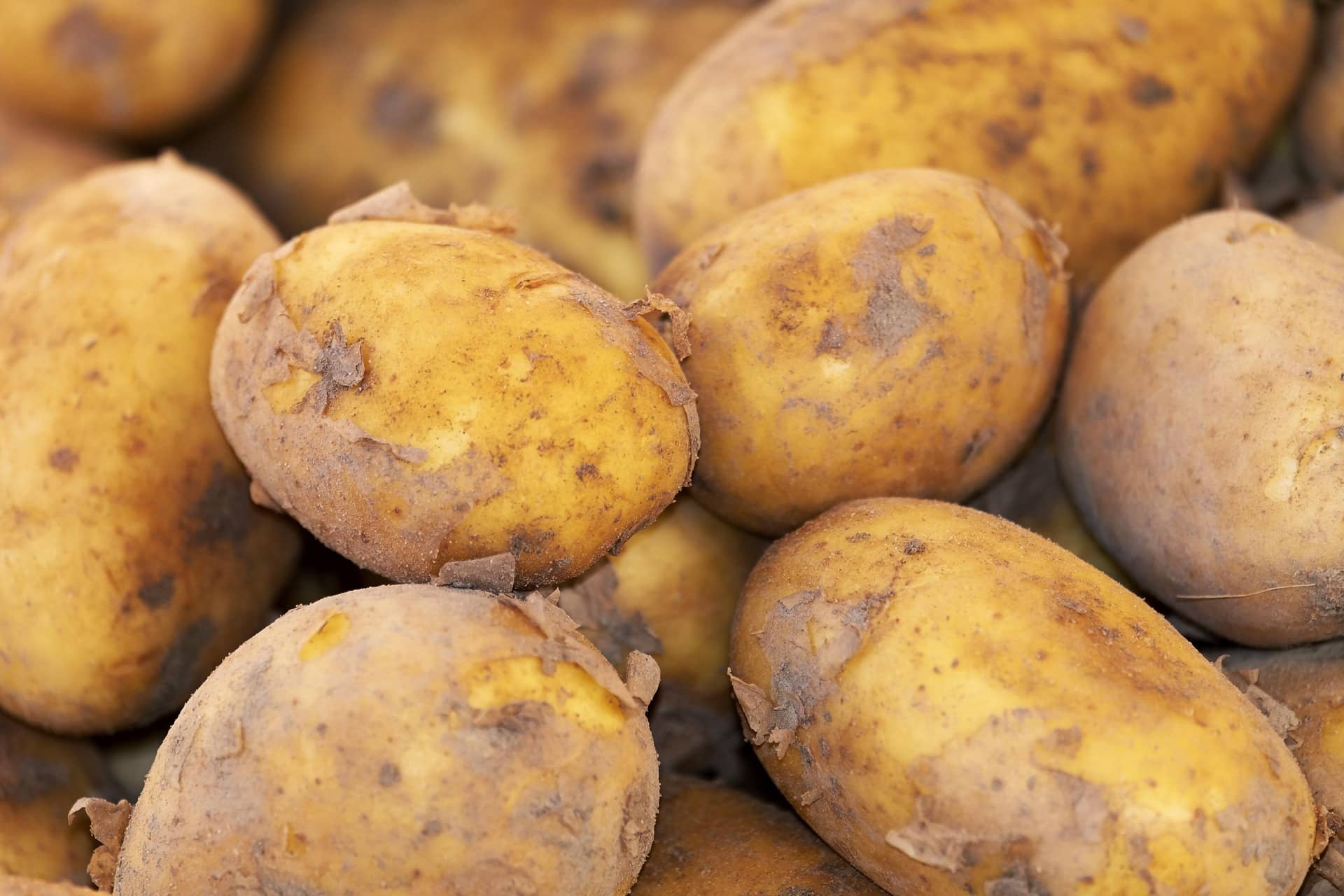
From humble roots to high-tech laboratories, the potato continues to shape agricultural and economic landscapes across the globe.
One country where the potato is making particularly impactful headlines in 2025 is Kazakhstan — a nation navigating challenges and innovations alike, all centered around this modest tuber.
Potato Imports Surge in Kazakhstan
In a surprising turn this year, Kazakhstan has seen a dramatic 8-fold increase in potato imports during the first five months of 2025. According to the Bureau of National Statistics, 145,300 tonnes of potatoes were imported from January to May, surpassing not only the same period in 2024 but also exceeding the total for all of last year by more than double.
This surge follows a record-breaking export year in 2024, when Kazakhstan exported 564,000 tonnes of potatoes — a 37% increase year-on-year. This unbalanced trade policy led to domestic shortages and soaring prices, with the consumer price index (CPI) for potatoes reaching 137.7% by December 2024 and continuing to rise into early 2025.
To stabilize the market, the Kazakh government temporarily banned potato exports from January to June 2025. Despite this, increased demand and a 47% rise in import prices contributed to a 79% annual price increase in spring, which slightly cooled to 54.9% by June.
A Global Potato Trade Network
Kazakhstan’s key potato suppliers in 2025 include:
- China: 115,800 tonnes (368 times more than last year)
- Pakistan: 46,700 tonnes (up 146.6 times)
- Iran, Germany, Belarus, the Netherlands: Significant increases
- New suppliers: Egypt, Mongolia, and the United Kingdom
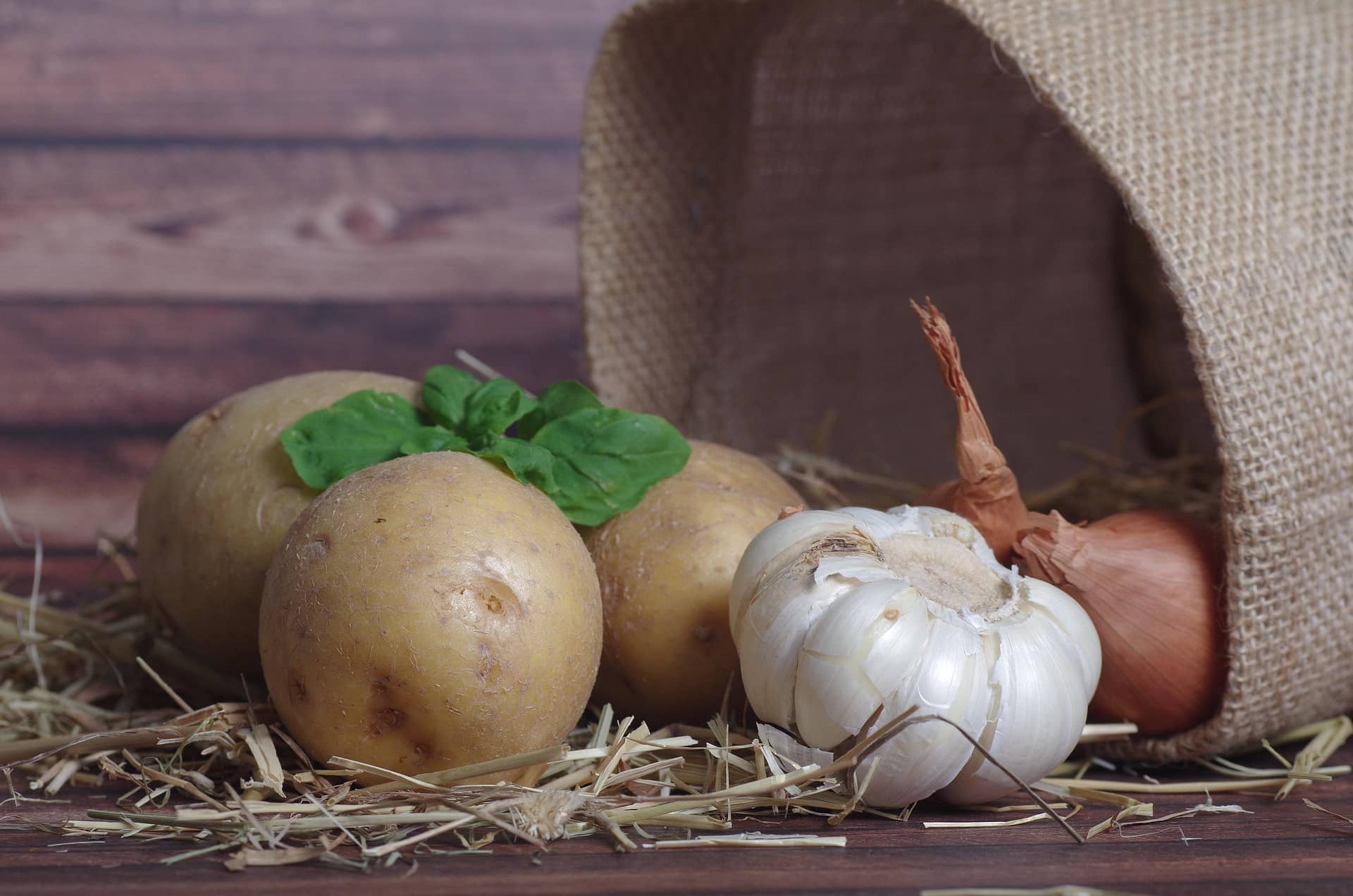
Interestingly, while potato imports rose sharply, imports of other staple vegetables like onions and garlic declined by 12.3%. This reflects the uniquely volatile supply-demand dynamics of potatoes in Kazakhstan and their critical role in the national food system.
In Kazakhstan two big Dutch potato companies are active, namely: Agrico and HZPC. Agrico exports potato seeds to Kazakhstan, Russia and Belarus. It produces annually about 600 000 tonns of potato seeds. HZPC is one of the world’s leader in sale, innovation selection and development of conceptions for potato seeds. They have more than 100 innovative potato varieties adopted to local environment and planting conditions.
A Strong Domestic Potato Industry
Despite recent shortages, Kazakhstan possesses robust fundamentals in potato cultivation. Production is concentrated in East Kazakhstan, Almaty, Akmola, and Karaganda, where soil quality, climate, and irrigation infrastructure support high-yield and seed potato production.
Early-season growing regions like Turkestan and Aktobe are expanding, supplying both domestic and Central Asian export markets.
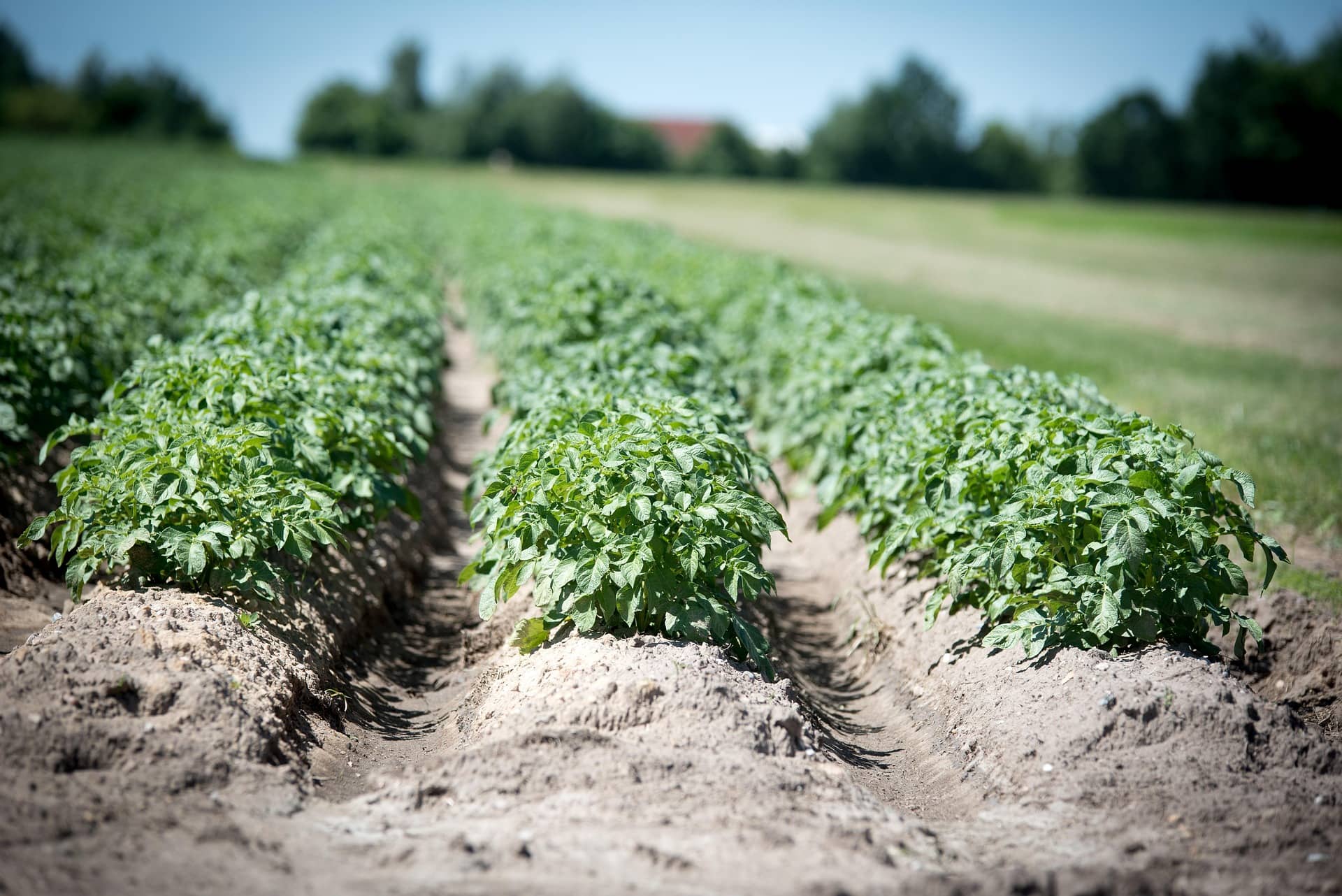
Popular varieties include:
- Local cultivar ‘Janaisan’ – viral and wart disease resistant
- European variety ‘Gala’ – introduced by Norika, supporting efficiency and yield
Supporting this is the Kazakh Research Institute of Potato and Vegetable Growing (KRIPVG), located in the Almaty region, which holds a genetic library of over 2,250 potato samples from 40 countries and plays a key role in developing climate-resilient varieties.
Innovation: Turning Potato Waste into Livestock Feed
One of the most forward-looking developments comes from Kazakh scientists, who have successfully patented a technology to convert potato waste into sustainable livestock feed. This innovation tackles two major issues at once: agricultural waste management and livestock feed shortages.
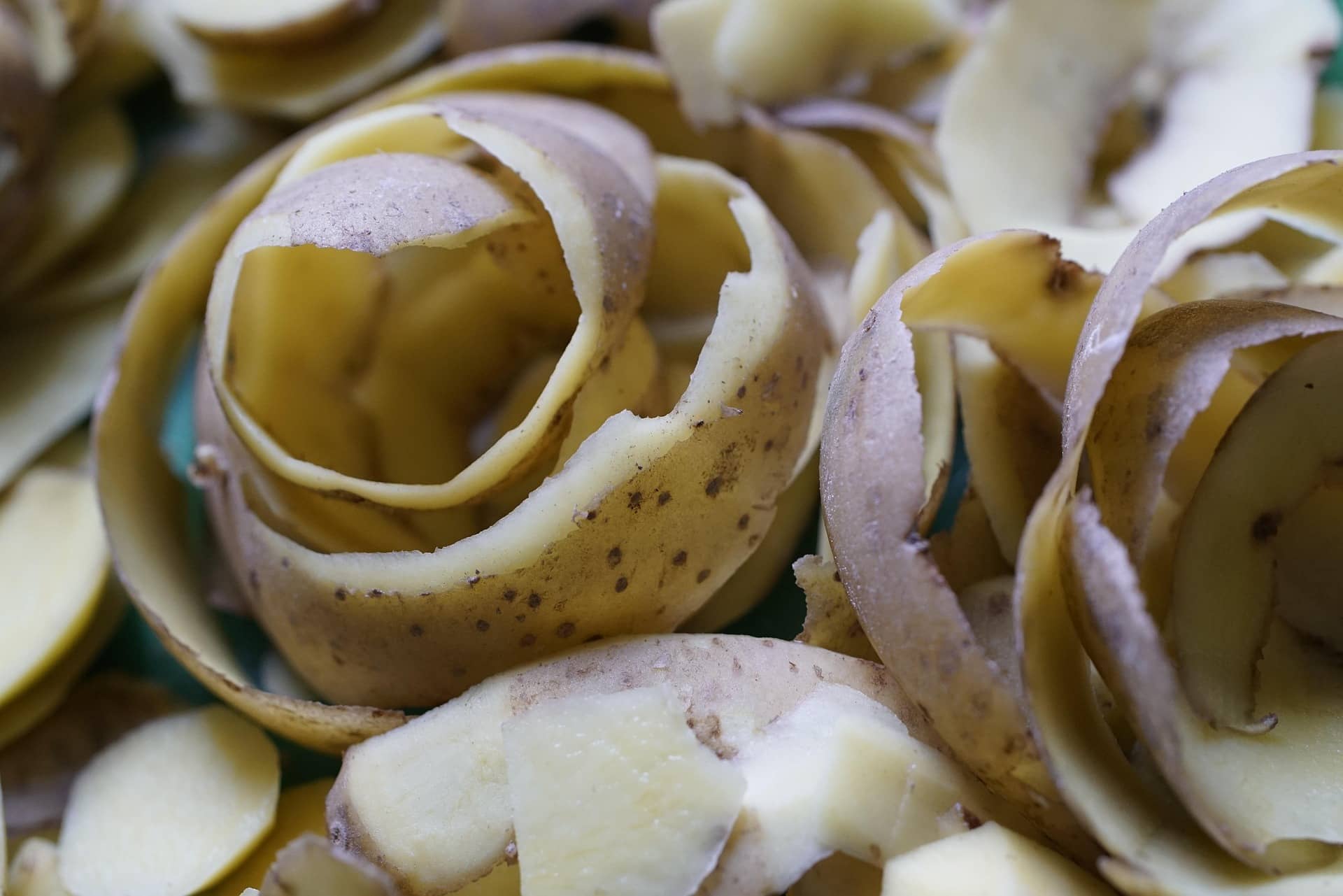
The method involves crushing non-varietal potatoes and mixing them with grains like barley, oats, corn, or wheat. These are then combined with plant-based extracts from wormwood and balsam poplar to improve digestibility. The feed is processed using extrusion technology to create durable, nutrient-rich granules.
According to Yuri Baldzhi, veterinary science expert and acting professor at Saken Seifullin Kazakh Agrotechnical University, the process not only reduces waste but also lowers the environmental footprint of agriculture and increases livestock productivity.
While field trials are yet to be fully disclosed, the potential for scaling this solution is promising — particularly in a region where circular agriculture is gaining attention.
Strategic Outlook: A Crop with Commercial and Ecological Value
The developments in Kazakhstan’s potato sector signal both challenges and high-value opportunities for agribusiness players:
- Traders can benefit from market volatility and shifting sourcing needs.
- Input suppliers and seed developers can tap into growing demand for resilient, high-yield cultivars.
- Investors and project developers can support infrastructure upgrades — from cold storage to feed manufacturing.
- Sustainability-focused agribusinesses have a clear path for innovation in waste-to-feed tech.
Sources: www.agrosektor.kz; https://www.potatopro.com https://www.allaboutfeed.net