
Regional trade in Africa has gained significant momentum in recent years, driven by economic integration, enhanced trade relations, and sustainable development. The OECD has provided valuable insights into the dynamics of trade in Africa, emphasizing the importance of policy frameworks that support regional trade agreements (RTAs) and address the unique challenges faced by the continent. This article explores the current landscape of regional trade in Africa and the implications of OECD findings for policy development, specifically for Côte d'Ivoire and Senegal.
The importance of Regional in Africa
Africa is characterized by diverse economies and varying levels of development. Regional trade presents a strategic opportunity for African countries to strengthen economic ties, improve market access, and foster growth. The African Continental Free Trade Area (AfCFTA), launched in 2021, aims to create a single market for goods and services across the continent, potentially boosting intra-African trade significantly.
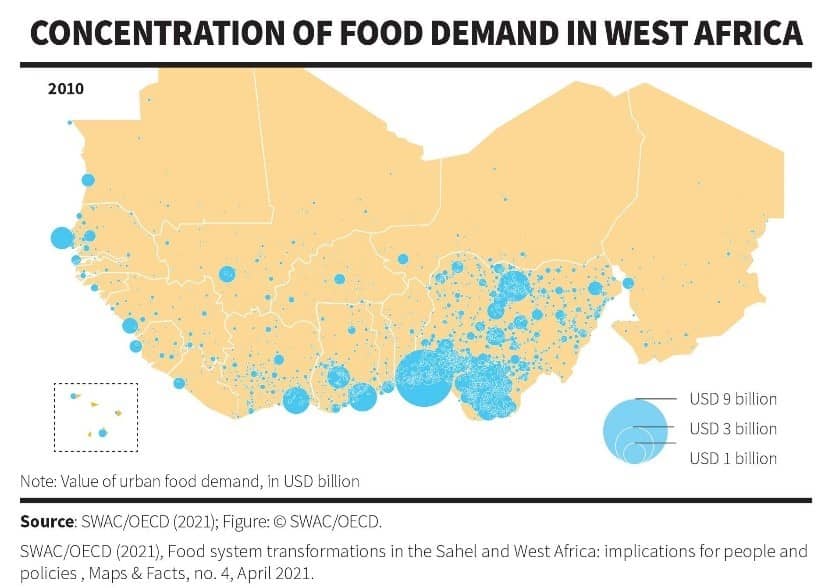
Underestimated Economic Opportunities
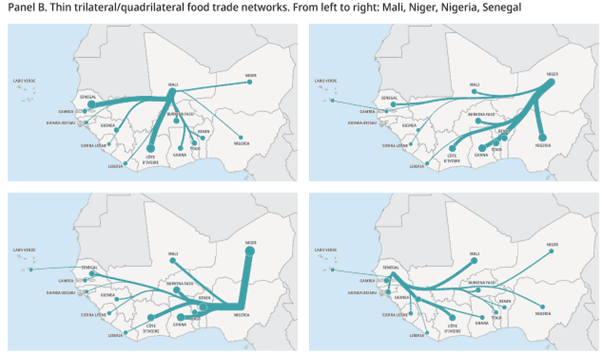
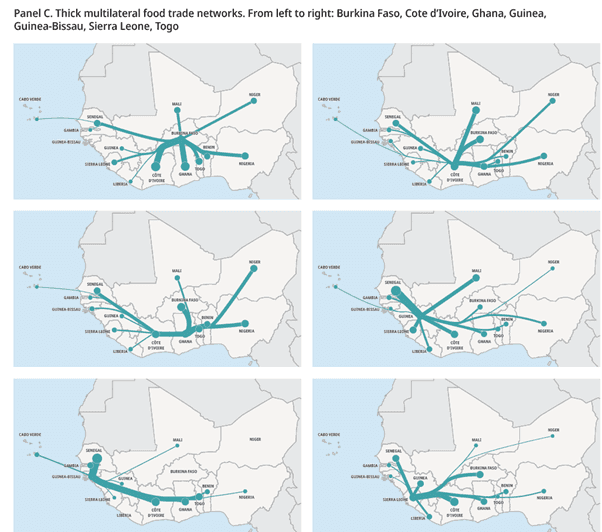
Intra-regional trade is often underestimated, representing a $10 billion sector that is six times higher than official statistics suggest. This trade is crucial for food and nutrition security, accounting for up to one-quarter of regional calories and contributing to nutritional diversity. Furthermore, regional trade is characterized by long-distance connections, with a median number of 12 trading partners in the region, highlighting the depth of economic relationships that exist.
According to OECD reports, regional trade can facilitate the integration of African economies into global value chains, enhance competitiveness, and promote structural transformation. By reducing tariffs and non-tariff barriers, African nations can improve access to larger markets, which is crucial for small and medium-sized enterprises (SMEs) that often struggle to compete in larger economies.
Implications for Côte d'Ivoire and Senegal
For Côte d'Ivoire (CDI) and Senegal (SEN), the findings from OECD reports highlight several opportunities:
- Côte d'Ivoire can leverage its agricultural exports, particularly cocoa and cashews, to increase trade under AfCFTA. Improved access to regional markets can enhance the competitiveness of its SMEs.
- Senegal, with its diversified economy, stands to benefit significantly from reduced trade barriers, allowing for increased exports and investment in various sectors, including services and industry.
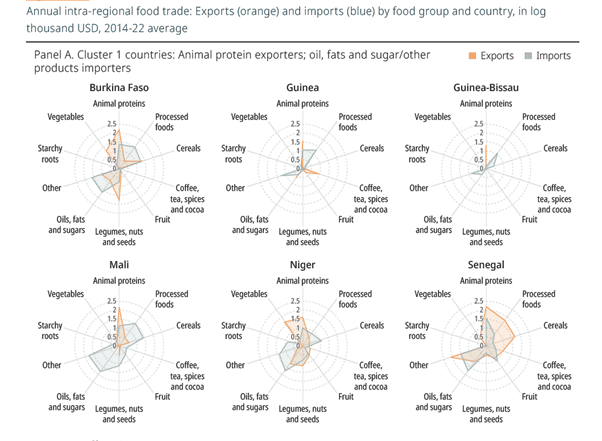
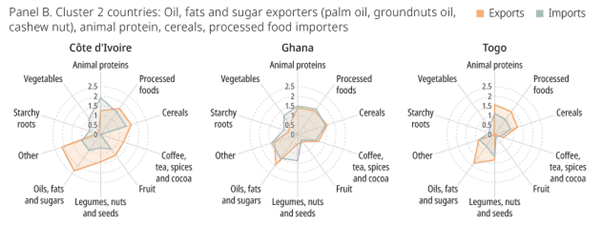
Beyond Trade Facilitation: The need for trade promotion
It's essential to recognize that enhancing regional trade is not solely about trade facilitation measures, such as those outlined in AfCFTA, but also about active trade promotion. A recent survey involving 3,000 food traders in the region revealed that access to finance is the primary constraint they face, rather than border crossing issues. Please do read the presentation of preliminary results
Moreover, these traders express a positive outlook on the future of regional food trade, identifying Côte d'Ivoire and Nigeria as the top markets for growth. This insight underscores the need for targeted policies that not only facilitate trade but also promote it by improving access to financial resources.
Key Findings from OECD Reports
The OECD reports have several significant impacts on the European Union (EU), particularly in the context of trade, economic policy, and sustainable development. Here are some key areas of influence:
1. Policy Formulation
OECD findings provide evidence-based insights that inform the EU's trade and economic policies. The data and analyses help policymakers design regulations that enhance trade efficiency, address barriers, and promote economic growth.
2. Trade Agreements
The EU often looks to OECD reports when negotiating trade agreements, both within Europe and with external partners. The reports help identify best practices and highlight areas where trade facilitation can be improved, ensuring that agreements are beneficial and comprehensive.
3. Sustainable Development Goals (SDGs)
OECD emphasizes the importance of integrating sustainability into economic policies. The EU, committed to the SDGs, uses these insights to align its policies with environmental goals, ensuring that trade and development efforts do not compromise ecological integrity.
4. Investment Strategies
OECD reports provide valuable data on investment trends and economic conditions in member states and beyond. This information helps the EU strategize its investments, especially in regions like Africa, where economic partnerships are being strengthened.
5. Capacity Building
The OECD's focus on capacity building resonates with the EU's initiatives in developing countries. The EU uses OECD recommendations to enhance its support programs, ensuring that partner countries are equipped to negotiate and implement trade agreements effectively.
6. Response to Global Challenges
OECD analyses help the EU respond to global challenges such as economic volatility, trade disputes, and public health crises. The reports provide a framework for understanding these challenges and developing coordinated responses.
Policy Recommendations
To enhance regional trade in Africa, particularly for Côte d'Ivoire and Senegal, the following policy recommendations emerge from OECD findings:
1. Strengthening Regional Institutions Both countries should invest in strengthening regional institutions that facilitate trade negotiations and implementation. This includes enhancing the capacity of organizations like the African Union and regional economic communities.
2. Promoting Public-Private Partnerships Encouraging collaboration between governments and the private sector can lead to innovative solutions for improving trade infrastructure and logistics in both CDI and SEN.
3. Implementing Trade Facilitation Measures: Both countries should prioritize the implementation of trade facilitation measures outlined in international agreements, such as the WTO Trade Facilitation Agreement, to streamline customs processes and reduce trade costs.
4. Fostering Inclusivity: Policymakers must ensure that trade policies in CDI and SEN are inclusive, addressing the needs of marginalized groups, including women and smallholder farmers, to promote equitable growth.
5. Enhancing Access to Finance Initiatives aimed at improving access to finance for food traders should be prioritized, as this is the primary constraint identified by traders in the region
Conclusion
Regional trade in Africa holds significant potential for economic growth and development. Insights from OECD reports underscore the importance of coherent policies, infrastructure development, and capacity building to facilitate trade. By addressing the challenges and leveraging opportunities, Côte d'Ivoire and Senegal can enhance their regional trade landscape, ultimately contributing to sustainable development and economic integration across the continent.