
This month we explore how Kazakhstan is becoming the EU’s top flaxseed supplier, Uzbekistan is unlocking vast forest and pasture lands for food security, and Kyrgyzstan is setting its sights on agriculture development and green energy. Meanwhile, regional cooperation under the RESILAND CA+ initiative highlights how Kazakhstan, Kyrgyzstan, and Uzbekistan are restoring land, managing water, and adapting to climate change. Here’s a roundup of the region’s key developments shaping the future towards 2030.
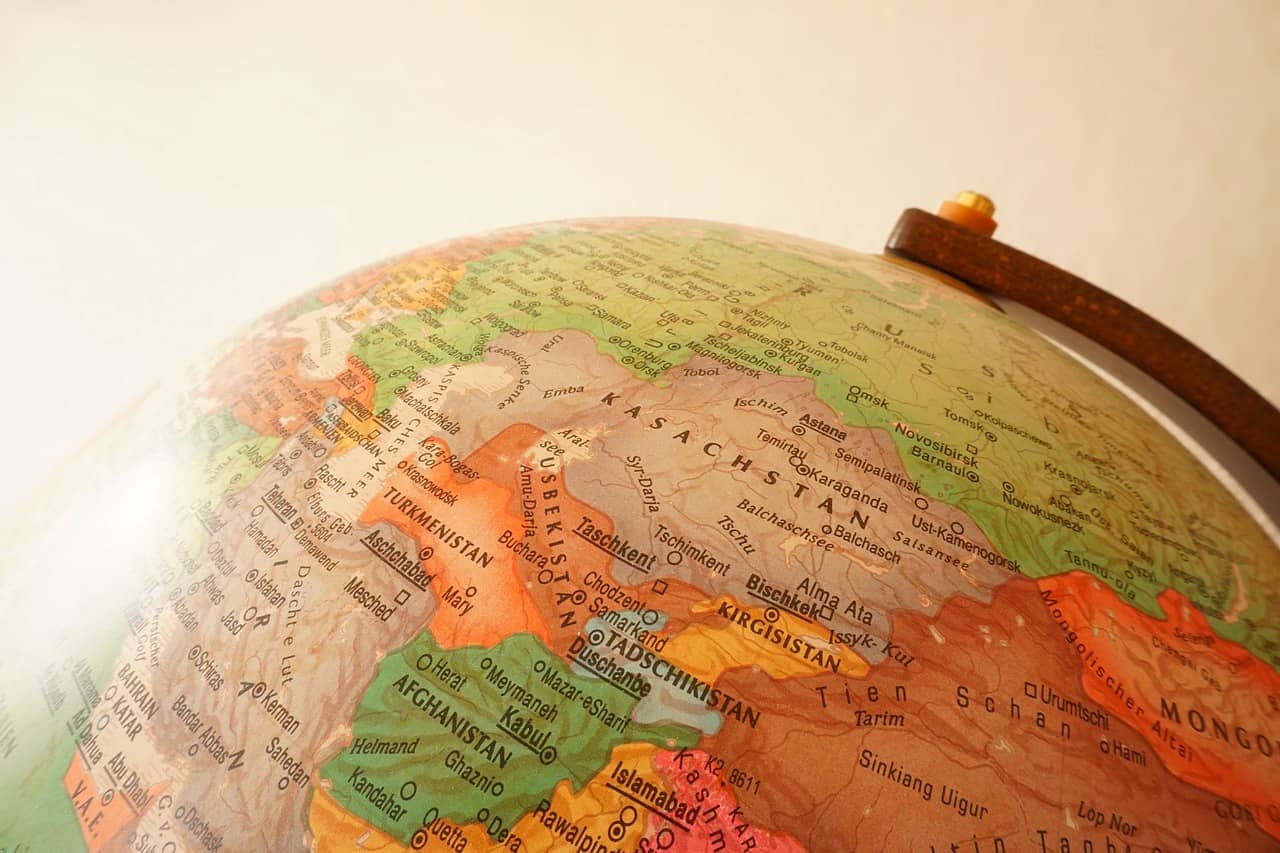
Illustrative
Kazakhstan’s Growing Role in EU Flaxseed Trade

KZ flag
Kazakhstan is emerging as a key supplier of flaxseed to the European Union. With EU tariffs on Russian and Belarusian flaxseed climbing to 50%, Kazakhstan is filling the gap.
Exports to the EU more than doubled year-on-year, hitting 413,800 tons by April. With favorable prices around 500 euro/ton and planting areas expanding fast, driven by strong demand from the EU, Kazakhstan is on track to become the EU’s top flaxseed source.
Kazakhstan Promotes Farm-to-Export Livestock Model
Kazakhstan is rolling out an integrated animal husbandry strategy focused on better breeds, cheap loans, and export growth. Farmers and processors now get 5% loans, but must sell 70% of livestock to domestic processors with deep-processing capacity.
So far, 10 beef projects worth 27.4 billion tenge (44.9 million euro) aim to export 50,000 tons in 2025. On the dairy side, 69 farms (valued at 100 billion tenge (164 million euro)) are boosting milk output, with 39 already running. Export talks are ongoing with China, Turkey, Afghanistan, and Pakistan.
The goal is more local production, more exports, and stronger value chains.
Agricultural Tourism: Lavender, Roses, and Local Trade
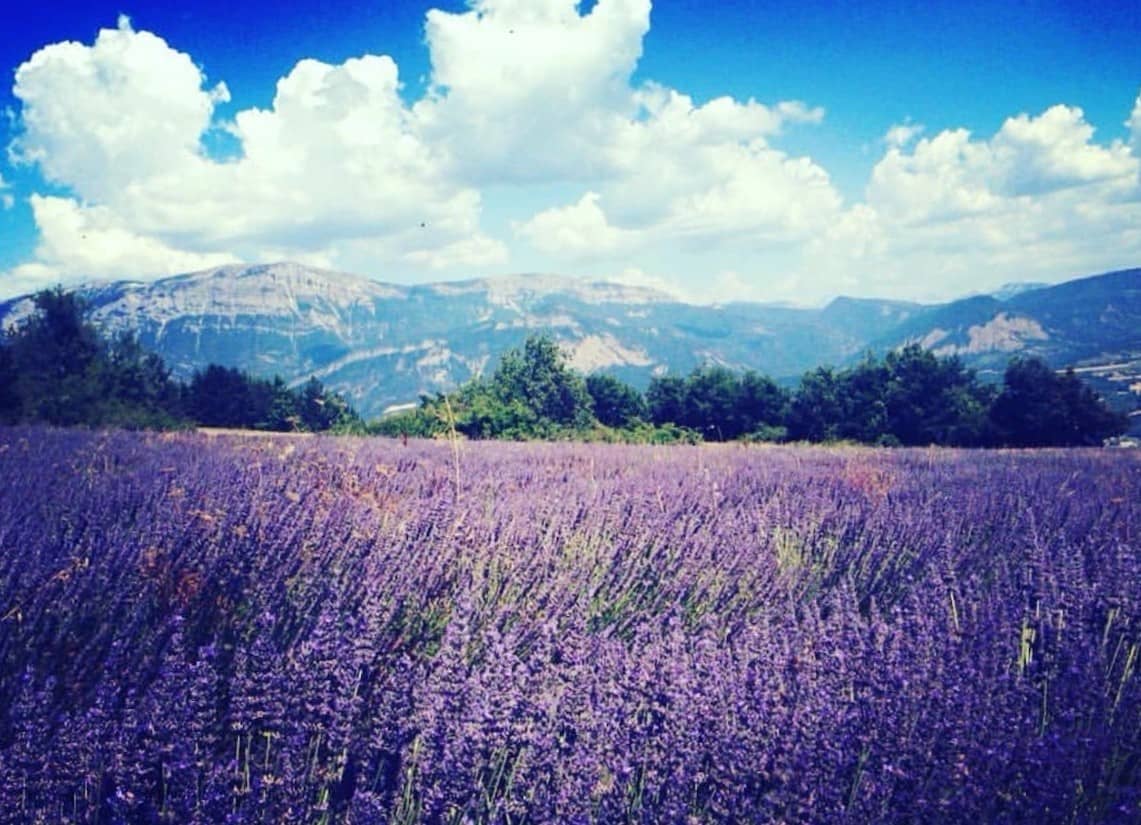
Kazakhstan’s domestic agrotourism continues to attract attention. The Daisy & Floran Flower Farm near Almaty, located in Bereke village, offers picnic packages, tea tables, flower purchases at wholesale prices, and seasonal photo shoots.
The owners have made a special calendar of flowering plants on the farm so that tourists can plan their visit ahead. Apple and lilac trees bloom in May, peonies in late May and early June, lavender in June and July, sunflowers in June and August, roses bloom from early June to August, hydrangeas in July and August, dahlias from late July to September.
Recreation at the flower farm is becoming increasingly popular among Almaty residents and visitors.
Kyrgyzstan 2030: Four Pillars for Sustainable Growth
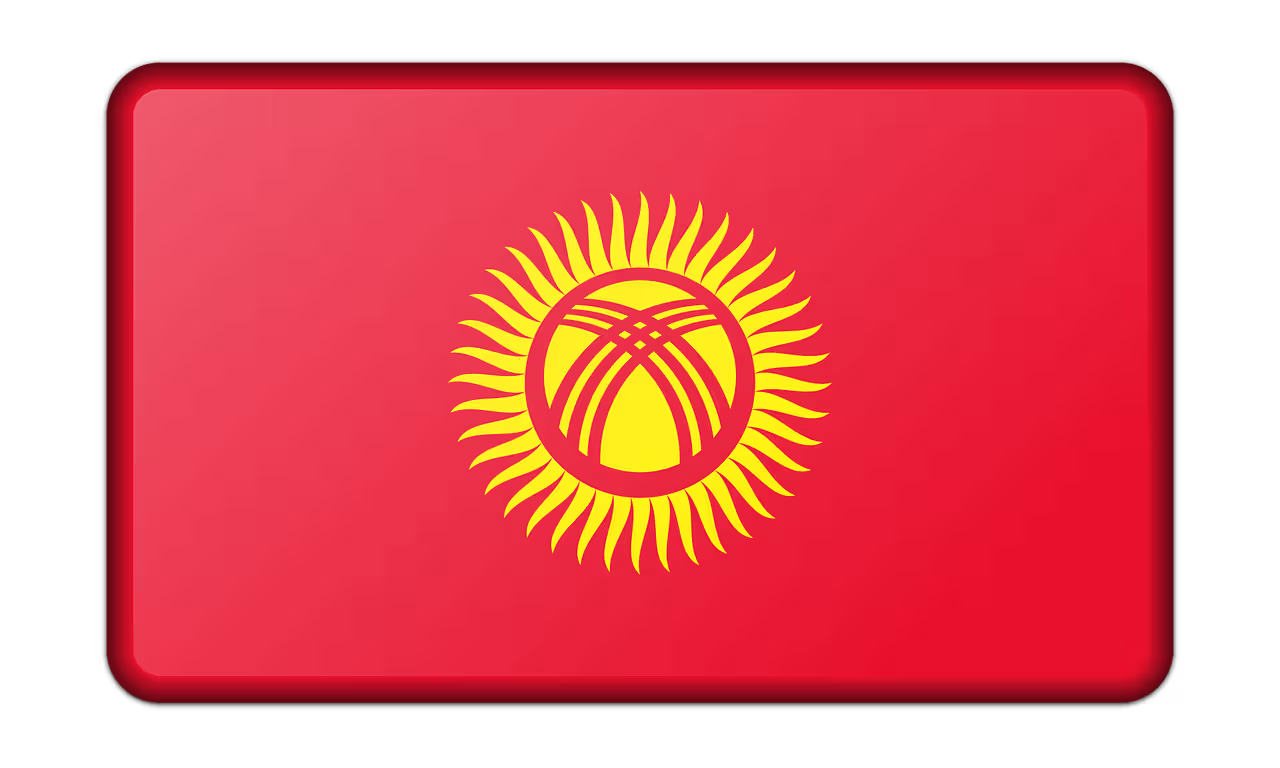
KG flag
President Japarov’s National Development Program sets a course for 2030, built on four key pillars:
- Industrialization: Double output, cut imports, and boost high-value sectors like minerals, pharma, and machinery.
- Logistics hub: Modern roads, rail, and one million m² in logistics space to anchor Central Asia’s trade flow.
- Agriculture and tourism development: Smarter farming and irrigation, eco-tourism to lift tourism’s GDP share to 7%.
- Green energy transition: 92% renewables by 2030 with big moves in hydro, solar, wind, and smart grids, and attracting international investments in sustainable projects.
Add in reforms on investment climate, digitalization, and skills and Kyrgyzstan is aiming for a modern, resilient economy with regional reach.
Uzbekistan to Repurpose Forests and Pastures for Food Production
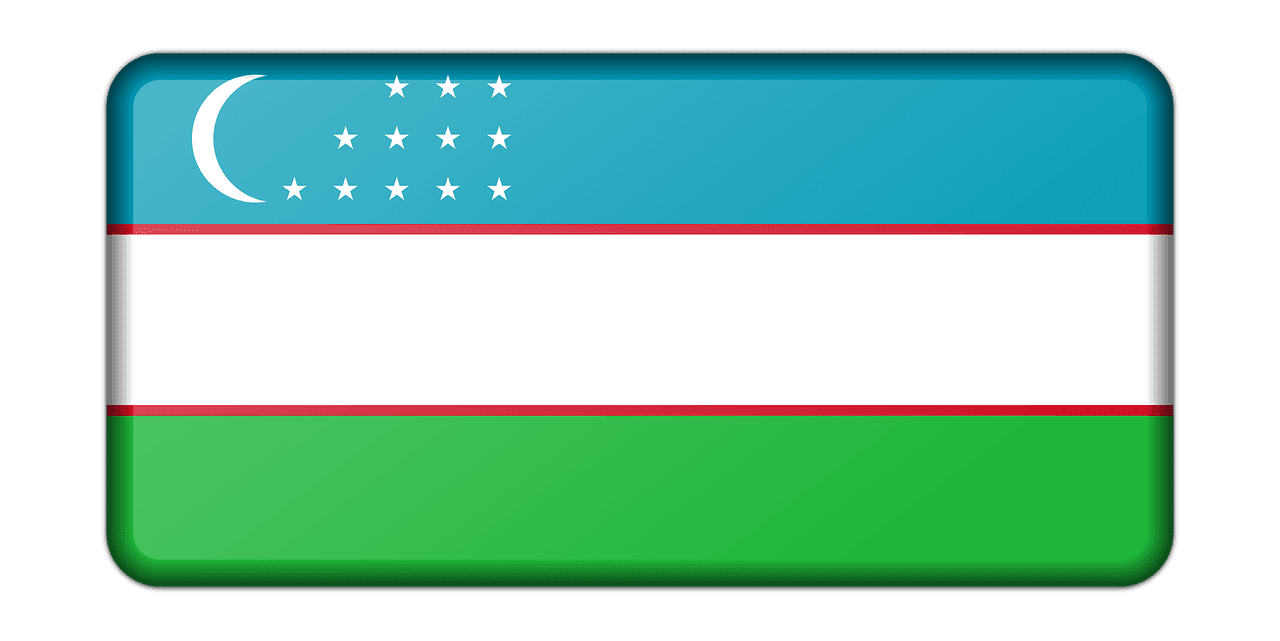
UZ flag
President Mirziyoyev has criticized poor use of Uzbekistan’s 28 million hectares of forest and pasture lands, urging their transformation into productive farmland.
Agrostar companies in 16 districts have received major funding, but exports lag in some areas. Now, the government will identify lands for food and fodder use, to be auctioned to the public.
The goal is to boost domestic food supply, unlock meat exports, and ensure recipients have the capital to deliver results.
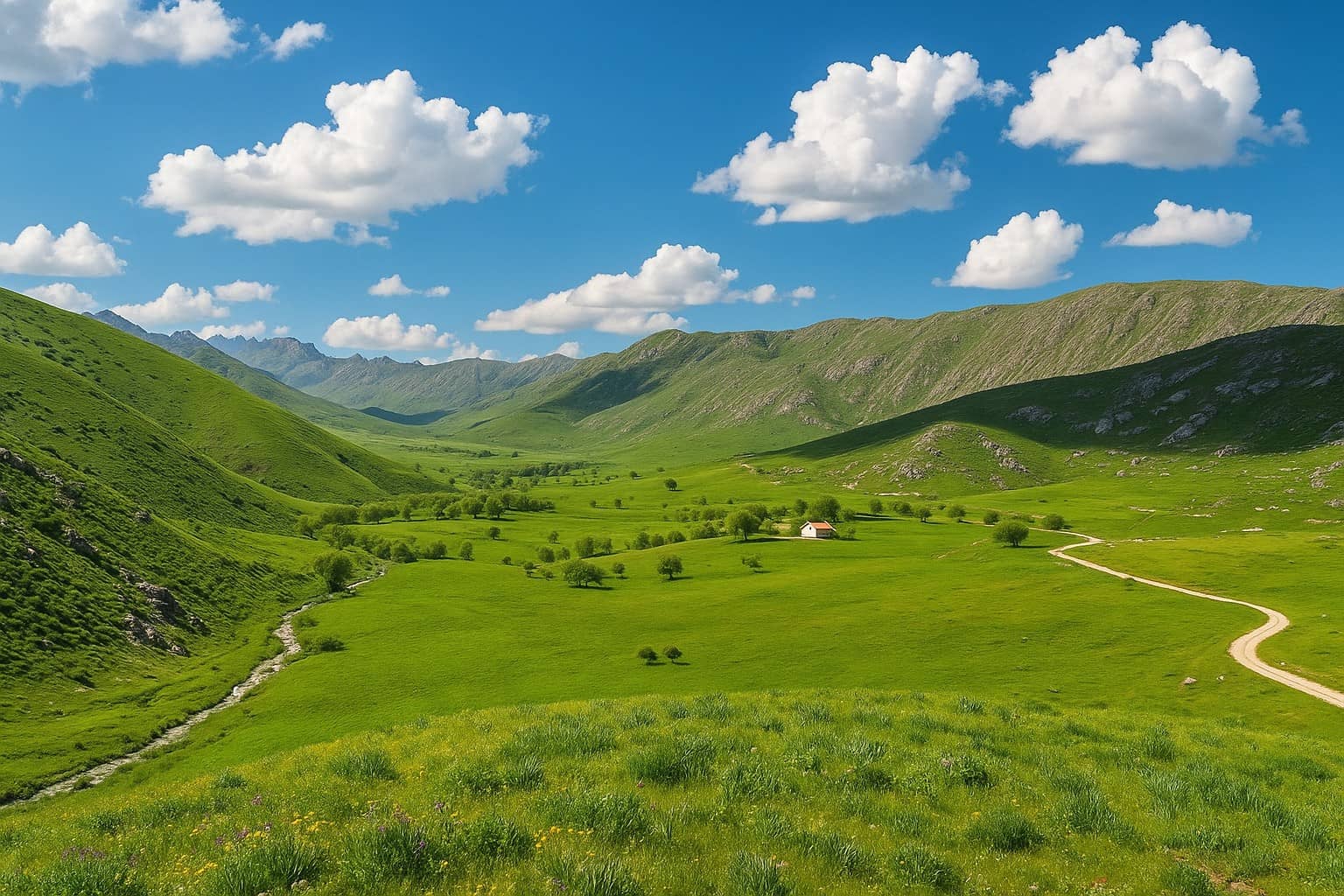
Central Asia Spotlight: Central Asia Scales Up Land Restoration & Climate Action
Under the World Bank-backed RESILAND CA+ program, Central Asian nations are accelerating efforts to combat desertification and restore degraded lands.
Kazakhstan:
- 6.9 million hectares of new forest since 2021
- 1.36 billion trees planted, including 15 million in urban areas
- Aral Sea bed restoration (672.000 hectares)
- Forest fire monitoring and carbon offset projects launched
Kyrgyzstan:
-
Landslide protection at 22 sites. Both engineering ("grey") and nature-based ("green") solutions are applied, including reforestation, slope terracing, and the construction of small upstream dams to slow water runoff, prevent erosion, improve soil moisture, and restore biodiversity
-
7 reservoirs rehabilitated to reclaim nearly 6,000 hectares
-
New water infrastructure across key regions
Uzbekistan:
-
Large-scale afforestation on the former bed of the Aral Sea, planting native shrubs and trees across 500,000 hectares to stabilize the soil and reduce the frequency of dust storms
-
Preventing ecosystem service loss, promoting carbon sequestration, improving air quality and public health, and enhancing agricultural productivity
Together, the region is not only trying to halt desertification but to turn it into an opportunity for sustainable development and prosperity.
LVVN team Astana will bring you more updates and developments from this significant region in the next edition!
Sources: Kursiv, Kazinform, Interfax, kun.uz, Akipress News, carececo.org, 24.kg