
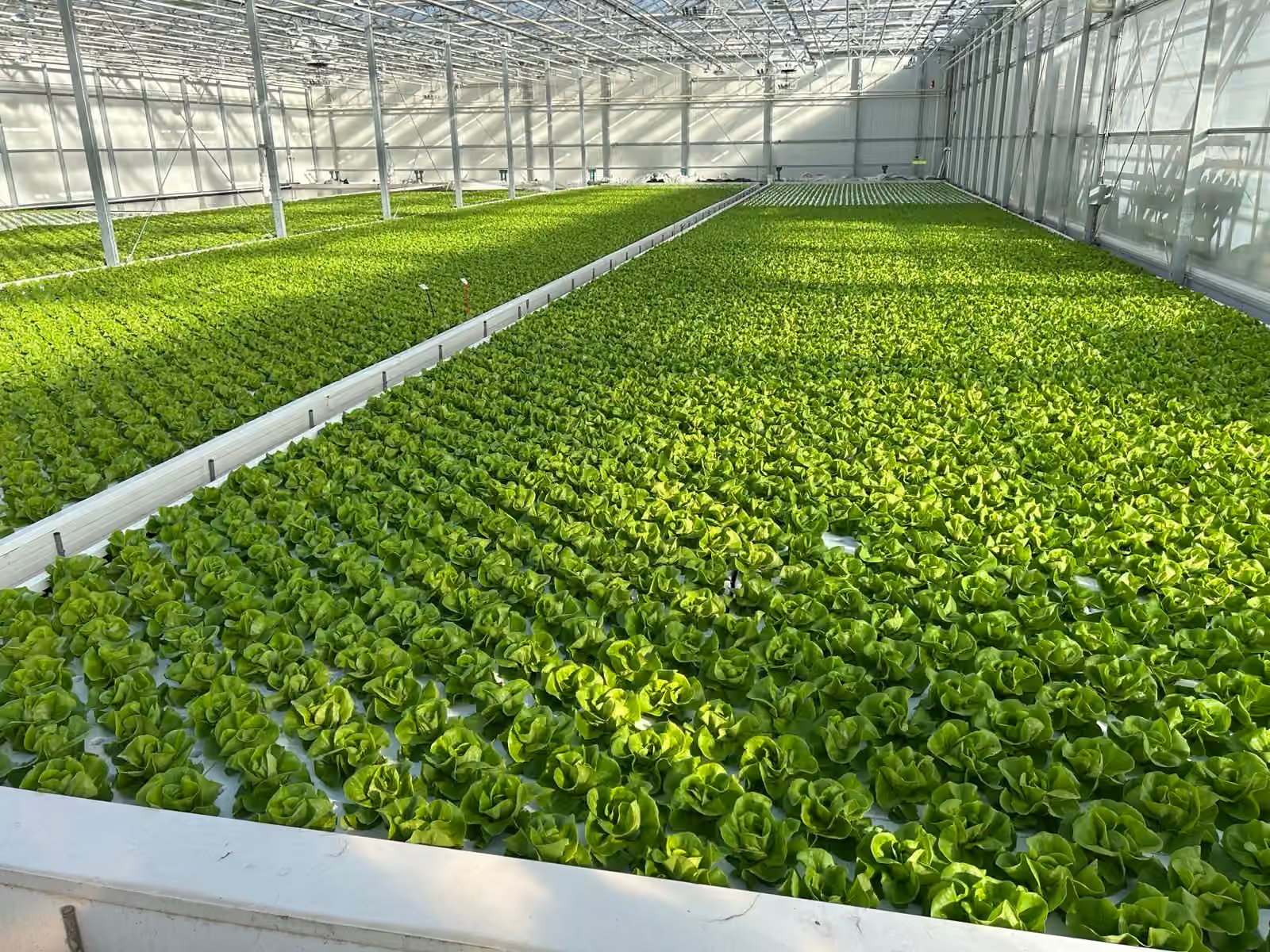
US plans greenhouse test centers, Canada backs year-round growing
Dutch automation meets labor shortages, high costs and trade barriers
Rising labor and energy costs are fueling demand for greenhouse technology in the United States and Canada, creating opportunities for Dutch companies specializing in automation, robotics, lighting, digital systems, and plant breeding. Controlled environment agriculture (CEA), or indoor farming, is therefore a key priority for the Netherlands Agricultural Network (LAN) team at the Netherlands Embassy. New testing facilities, research partnerships, and trade events are opening doors for Dutch expertise, although investment uncertainty and US import tariffs remain challenges.
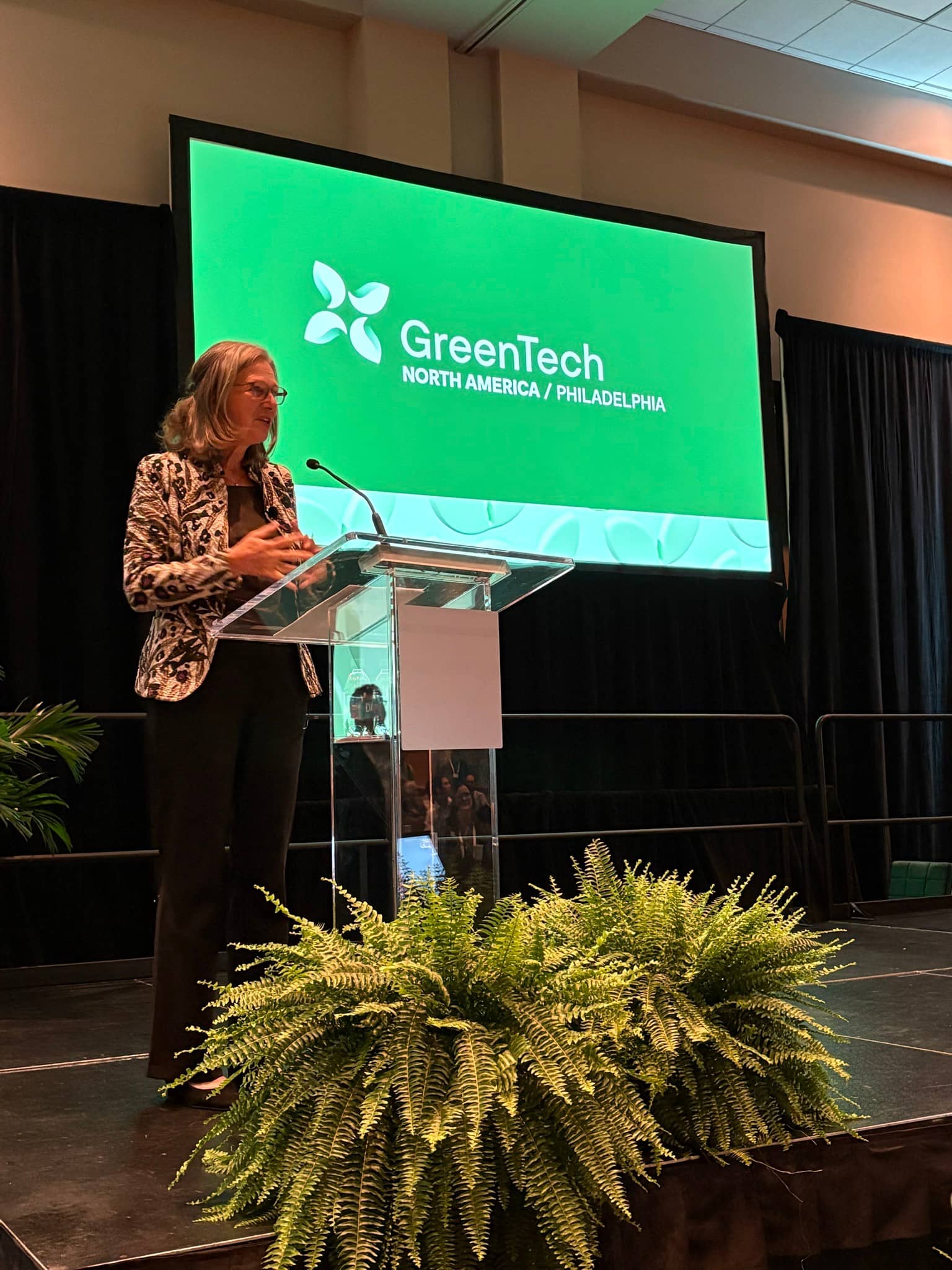
Opening of Greentech North America by Ambassador Birgitta Tazelaar
The Netherlands, the US and Canada cooperate in a wide range of horticultural innovations. This transatlantic cooperation benefits businesses, research and knowledge institutions, and public organizations. Controlled-environment agriculture (CEA), including indoor farming, is a key focus of the Netherlands Agricultural Network (LAN) team, which is stationed at the Dutch Embassy in Washington, DC, and the Dutch Consulate in Vancouver, British Columbia (BC). The Netherlands is a leading supplier of greenhouse technology, automation, robotics, digital tools, artificial intelligence, and new varieties of planting material, making Dutch companies active and visible in the North American greenhouse industry.
US growers turn to automation as labor costs rise
Year-round labor shortages and rising labor and energy costs in the US have increased investors’ interest in CEA. To reduce dependence on imports, the US is also promoting domestic production of fresh vegetables. This has led to investment in controlled-environment agriculture and increased demand for modern, high-tech CEA systems from the Netherlands. The US market is looking for new lighting, automation, robotics, digital control, and management systems, as well as new varieties, cuttings, and seeds.
However, uncertainty about the administration’s “reciprocal” import tariffs has made greenhouse investors more cautious. Large investments have been made in closed indoor farms for leafy vegetables in recent years, and not all have succeeded. Several high-tech facilities have faced lower production because of virus outbreaks, while others have gone bankrupt because of high costs or poor management. These setbacks have damaged the image of CEA in the US. One lesson learned is to develop indoor facilities step by step rather than make very large investments all at once.
‘Rising labor costs and staff shortages are driving demand for Dutch greenhouse technology in the US’
Virginia and California develop greenhouse test facilities
Despite these challenges, several US consortia are planning new investments in CEA. Virginia Tech is involved in plans for a research campus, demonstration, and incubation site for high-tech horticulture. Construction of an initial research facility has begun, while planning and funding for the wider campus are still under discussion. The proposed campus would draw on Dutch technology, with Dutch and US companies involved.
On the West Coast, the University of California Agriculture and Natural Resources has been developing a Plant Innovation Center called The Plant, in California’s Sacramento Valley. The planned facility would support startups, researchers, and businesses working on sustainable solutions in agriculture, food, and biotechnology. It would include greenhouses, a food innovation kitchen, and a biomanufacturing wing. California has taken inspiration from the Dutch “triple helix” model, in which universities, businesses and government cooperate to develop new technologies. Dutch participation is welcome as it is in an exploratory phase.
The joint Dutch-US research project Greenhouses in Transition began in September 2026 and is scheduled to run through 2031, with a budget of USD 2.8 million. Supported by the Dutch Research Council (NWO) and the US Foundation for Food & Agriculture Research (FFAR), it focuses on more sustainable greenhouse systems and better use of energy, water, and other resources.
GreenTech connects Dutch suppliers with US growers
The first GreenTech North America took place in Philadelphia, Pennsylvania, in September 2026. Of the roughly 100 exhibitors, more than 25% had ties to the Netherlands. The event gave companies and research institutions a platform to meet, do business, and exchange ideas and practical experience. Dutch Ambassador Birgitta Tazelaar and Pennsylvania Secretary of Agriculture Russell Redding took part in the opening ceremony.
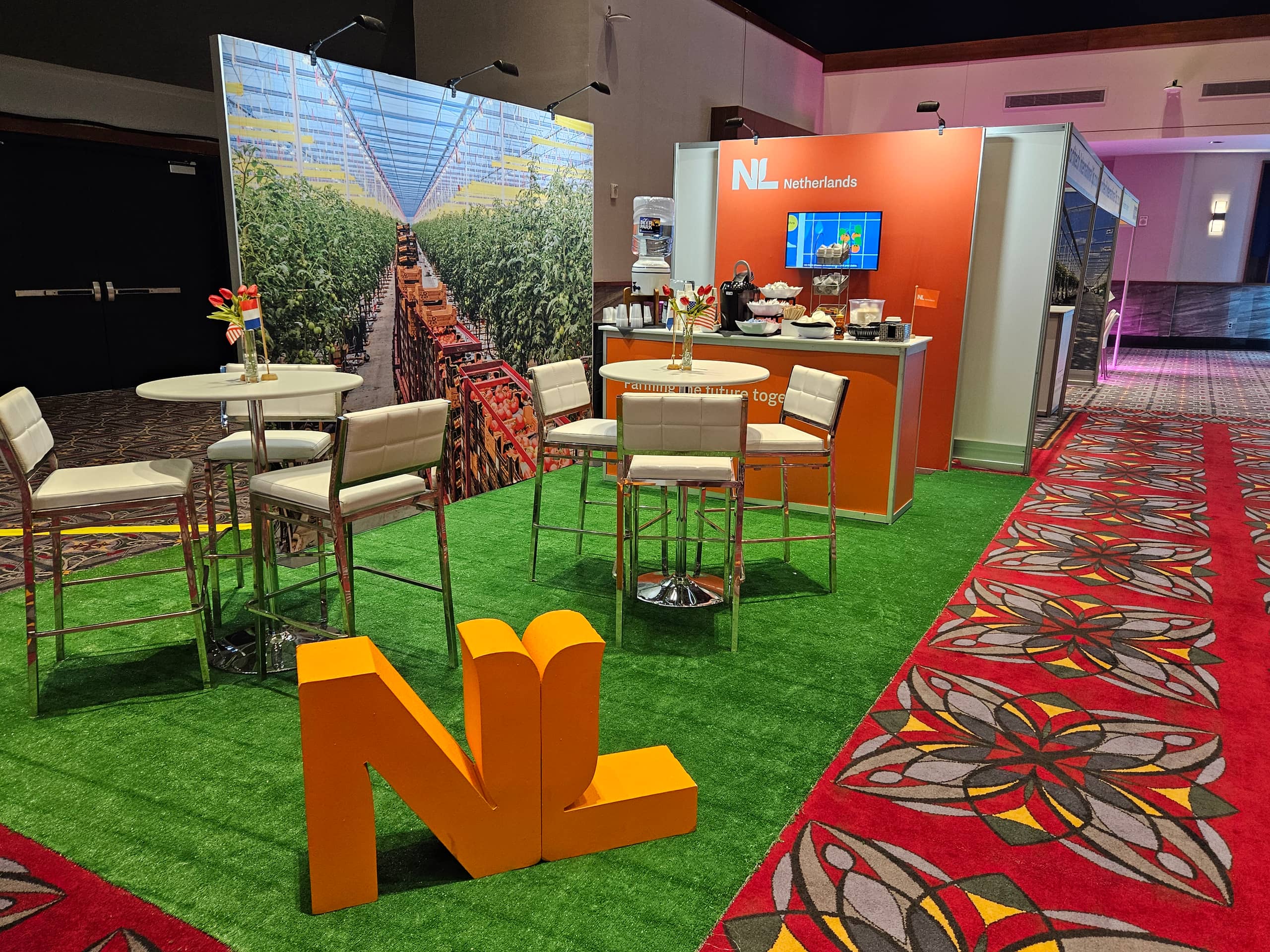
The LAN team supported the event by organizing a business lounge and networking event that brought together business partners, sector organizations, and government representatives.
Beeld: © PHAFF
Netherlands Business Lounge at Greentech North America 2026
Canada launches CAD 750 million greenhouse program
Compared with the US, Canada’s CEA industry is concentrated in specific regions. The municipality of Leamington in Essex County and the Niagara region of Ontario are well known for the greenhouse production of vegetables and ornamental plants. Greenhouse cultivation is also growing in British Columbia, Quebec, and Alberta.
In June 2026, the Canadian government announced its National Food Security Strategy, which includes CAD 750 million in support for controlled-environment agriculture. The aim is to strengthen food security and reduce dependence on imported fresh produce.
In October 2026, Minister of Agriculture and Agri-Food Heath MacDonald launched the CEA Growth Pathway Program. Of the CAD 750 million, CAD 650 million will support the adoption, expansion and modernization of CEA infrastructure and technologies, including automation, robotics, lighting, and digital growing tools. Another CAD 100 million will support locally driven food production in rural and northern communities and improve access to fresh food. The LAN team can refer Dutch businesses to regional officials of Agriculture and Agri-Food Canada’s Market and Industry Services Branch for information on funding opportunities and eligibility.
Unlike in the US, labor availability is less of a problem for some Canadian growers because regulations allow them to hire seasonal foreign workers. Provincial governments, regional greenhouse associations, and education and research institutions are nevertheless encouraging innovation in CEA, as businesses still need to improve efficiency.
‘Canada is investing in greenhouse technology to produce more food domestically and reduce dependence on imports’
Canadian researchers test tomato robots and LED lighting
The University of Guelph is known for agricultural and horticultural research, including automation and robots that pick tomatoes in greenhouses. It also conducts extensive research on LED lighting for greenhouses and indoor farms, including applications in space. Vineland Research and Innovation Centre and Niagara College in Ontario carry out applied research with partners.
New CEA test facilities have been built at Niagara College, where private companies, including Dutch businesses, can test new plant varieties, products and technologies while involving students in research.
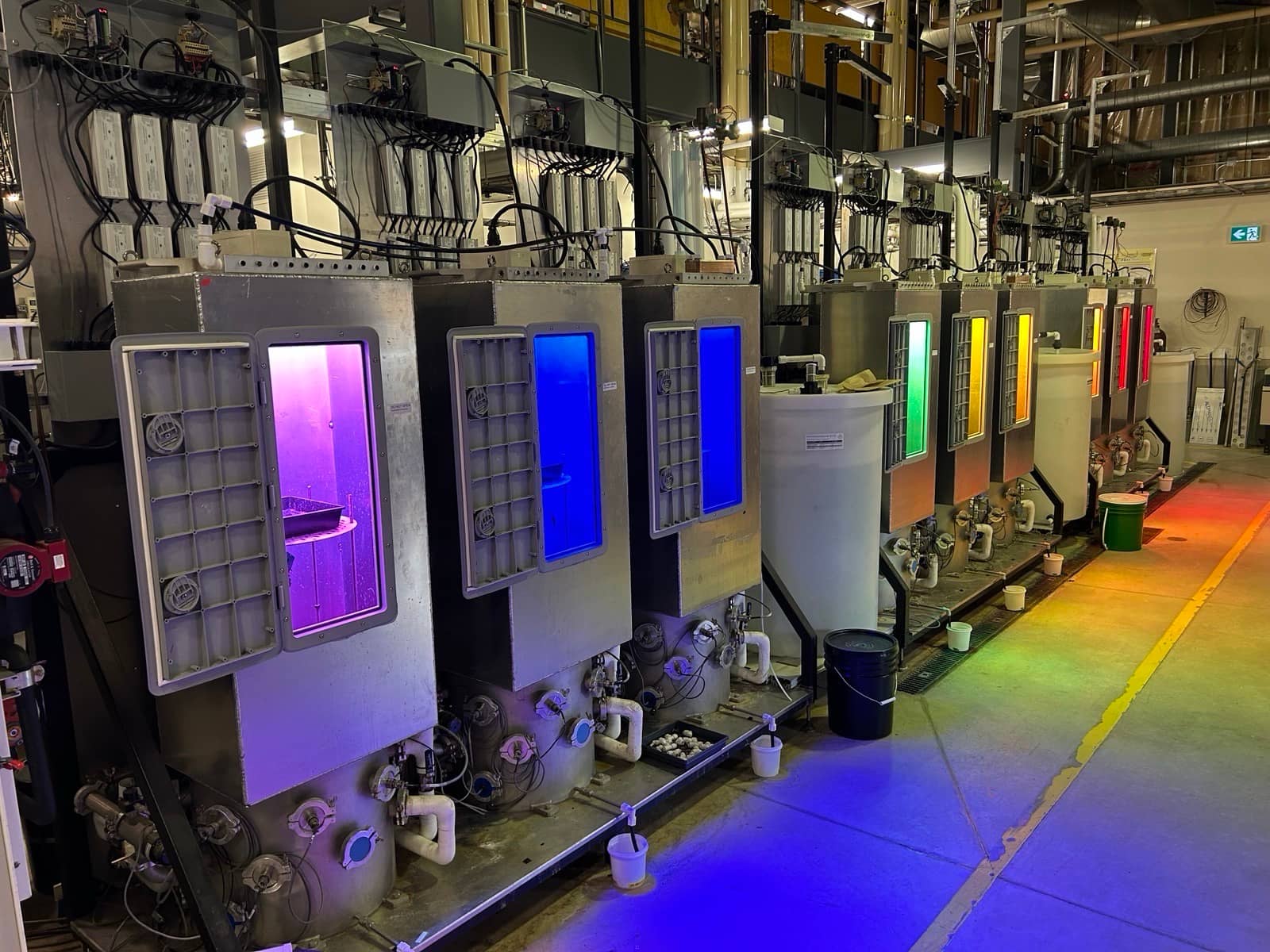
Research at Agricultural University in Guelph, Canada
US flower tariffs slow Canadian greenhouse investment
An important threat to Canadian cut-flower growers is the additional 50% US tariff imposed on specified Canadian cut flowers and some live plants which came into effect on August 22, 2026. Many ornamental growers export between 70% and 90% of their cut flowers and orchids to the US. These tariffs are making growers more reluctant to invest in floriculture. The tariffs cover specified cut flowers and some live plants, including orchids, but do not apply uniformly to all potted plants and fresh vegetables. Large US retail chains still depend heavily on imports of fresh vegetables from Mexico and Canada.
Canadian Greenhouse Conference brings companies together
The annual Canadian Greenhouse Conference (CGC) took place in Niagara Falls, in the heart of Ontario’s greenhouse region, during the first week of October 2026. More than 300 exhibitors attended, and sessions covered a range of new horticultural technologies. Dutch companies and visitors were well represented. The LAN team in Washington, DC, and Vancouver organized a networking event in Niagara Falls with colleagues from the Netherlands Consulate in Toronto. Like GreenTech North America, the CGC brings together businesses, researchers, knowledge institutions and public agencies to share information about developments in CEA. Participants can learn about the latest technologies. The next CGC is planned for early October 2027 in Niagara Falls.
In October 2026, a new Partners for International Business (PIB) project, Grower of the Future, was approved to help Dutch greenhouse companies develop business in Ontario, Quebec and British Columbia. The project is partly funded through the Netherlands Enterprise Agency (RVO).
Linking North American partners with Dutch growers
The LAN team helps strengthen the Dutch greenhouse industry by connecting partners across the Atlantic. The team identifies emerging trends and brings together businesses, researchers, and governments. It also supports innovation missions and research cooperation and helps Dutch stakeholders gain access to new knowledge and opportunities.
The team is currently exploring new collaborations between Dutch and Canadian knowledge institutions and businesses and hopes to see further developments in 2027. These activities contribute to technological development, sustainability, and economic resilience.
More information
For more information about greenhouse innovation and opportunities in the United States and Canada, you can go to the country pages for the US and Canada. You can also send an email to the LAN team in Washington, DC: was-lvvn@minbuza.nl, or in Vancouver: van-lvvn@minbuza.nl.