
Türkiye invests in geothermal greenhouses and explores zero-waste horticulture
The LAN team in Ankara is preparing a zero-waste initiative with BATEM
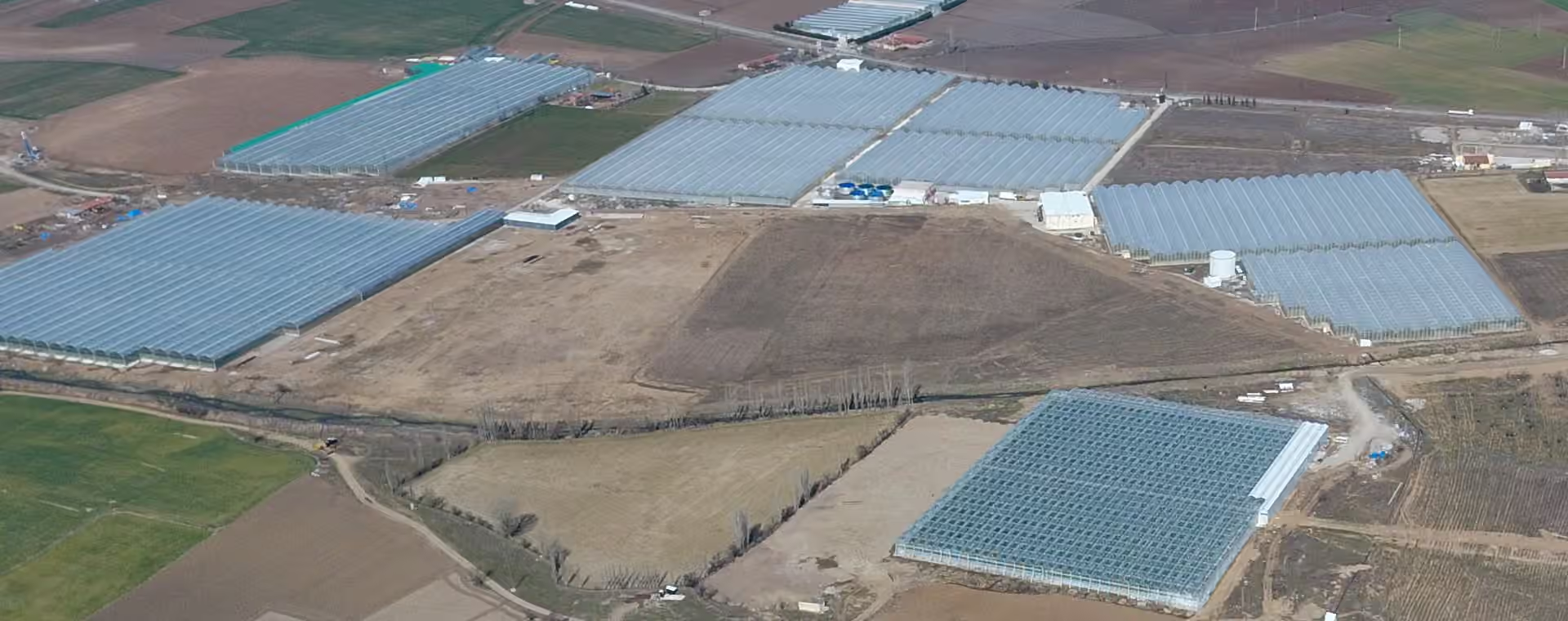
Türkiye is investing in greenhouse production using geothermal energy. In the district of Dikili, approximately US$65 million in World Bank financing is available for the development of modern greenhouses and related facilities. This creates opportunities for Dutch expertise in greenhouse technology, irrigation, and cultivation management. Meanwhile, the Netherlands Agricultural Network (LAN) team at the Dutch Embassy in Ankara is preparing a zero-waste horticulture initiative with Turkish researchers and has supported a completed consortium initiative in sustainable fruit production.
Climate change, pressure on water and energy resources, market demands for stricter pesticide-residue limits, greater traceability and consistently high-quality produce are reshaping agricultural investment. To strengthen food security and export competitiveness, Türkiye needs production systems that use water, energy, and other inputs more efficiently.
These priorities align with the Netherlands’ Agrifood Innovation Agenda, particularly digital tools and automation to improve resource efficiency, resilient crops developed through breeding and integrated crop management, and innovation in greenhouse horticulture. Dutch businesses and knowledge institutions bring expertise in cultivation technology, plant breeding, automation, and resource management. Türkiye, in turn, offers diverse production environments and investment opportunities.
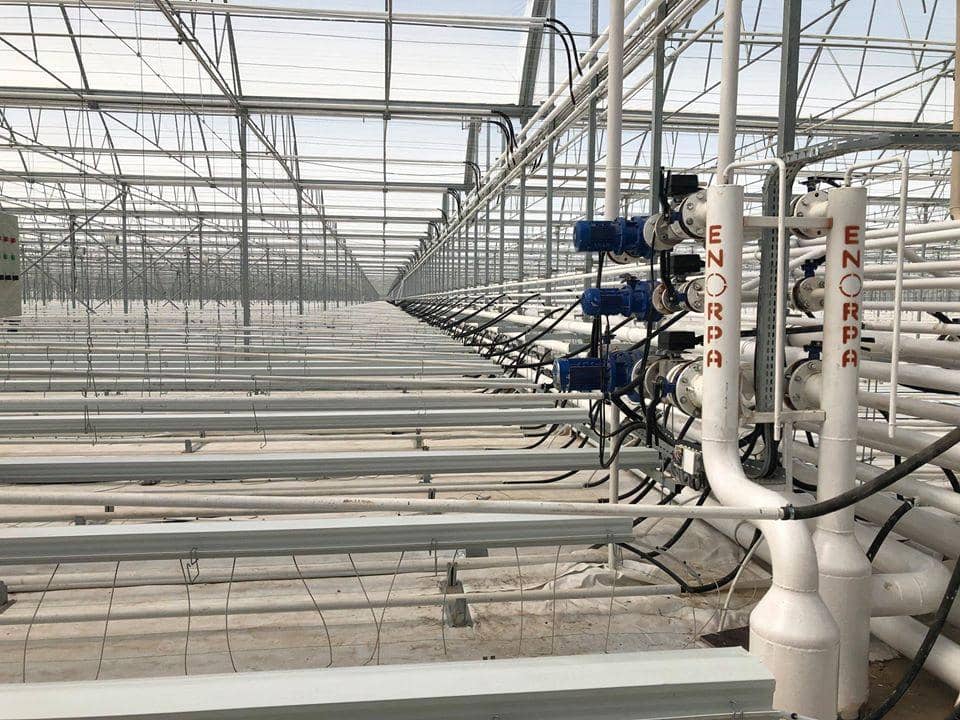
Heating system in geothermal greenhouses, Afyon
World Bank funding for greenhouse modernization
Türkiye is modernizing agriculture through public infrastructure, international financing, and private sector participation. The Türkiye Climate Smart and Competitive Agricultural Growth Project (TUCSAP) is backed by a World Bank loan of US$341.27 million, approved in 2022. It promotes climate-smart technologies, better agricultural information, and more efficient resource use.
Geothermal greenhouse development offers a concrete example. On 27 July 2026, the Ministry of Agriculture and Forestry reported approximately US$65 million in World Bank financing under TUCSAP for the Dikili Organised Agricultural Zone. The development combines geothermal heating, modern greenhouses, and agricultural industries. It will also include facilities for research, training, packaging, storage, and processing. A delegation from Dikili took part in a technical study program in the Netherlands in May 2026, exchanging knowledge with the Dutch horticulture sector. These contacts provide a basis for further cooperation in greenhouse technology and cultivation management.
‘Planned investments include precision agriculture, climate-smart production, storage, cold chains, and food loss reduction’
In addition, in September 2026, the World Bank approved a US$750 million financing package for the Türkiye Agrifood Sector Transformation for Rural Jobs and Growth (TARGET) Project. The ministry is implementing the project through the Agriculture and Rural Development Support Institution (TKDK). It combines long-term reimbursable financing with a partial credit guarantee to encourage commercial lending.
Planned investments include precision agriculture, climate-smart production, storage, cold chains, and food loss reduction. Under TARGET, Turkish investors can apply for financing through TKDK and, following approval, receive investment loans through a Turkish state agricultural bank. Dutch suppliers could participate through contracts with these eligible Turkish investors or relevant tenders, supplying irrigation, greenhouse automation, processing, cold-storage and post-harvest technologies, subject to program eligibility and procurement requirements.
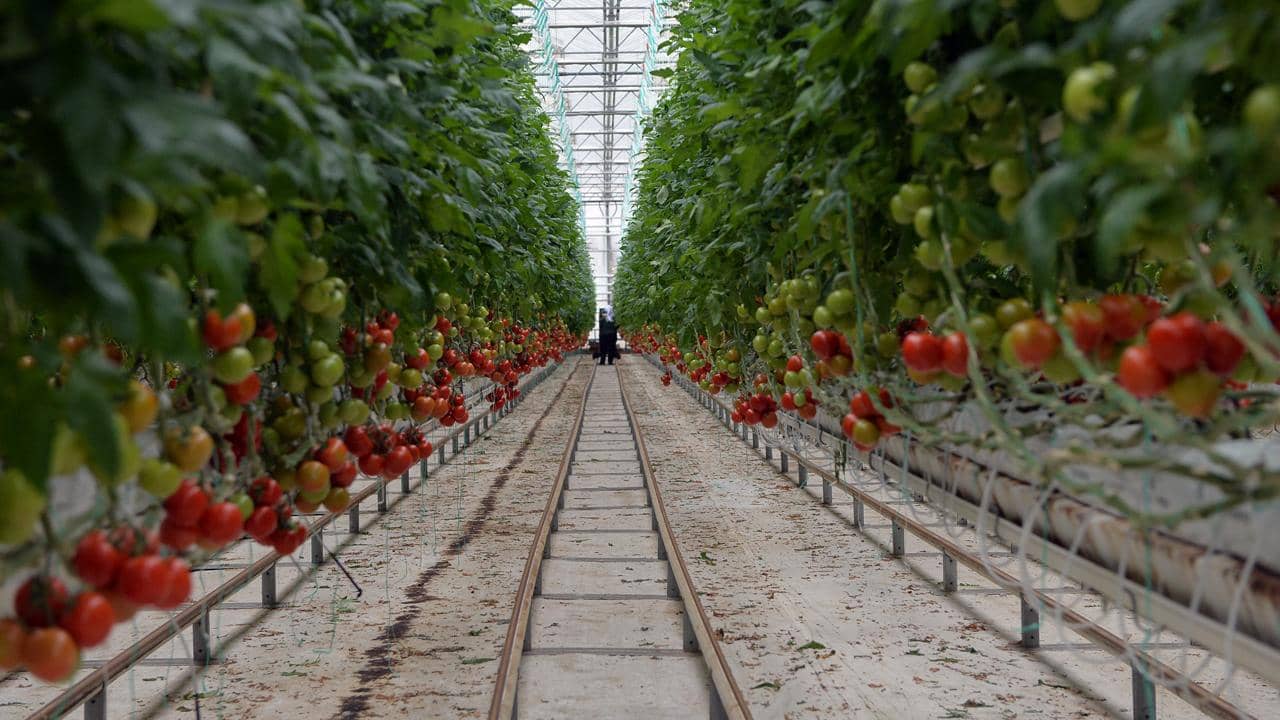
Geathermal greenhouse, Afyon
Greenhouse technology combines energy, water, and data
Geothermal-heated greenhouses can improve production continuity and reduce reliance on fossil fuels for heating. Their performance depends on energy infrastructure, greenhouse design, crop requirements, and cultivation management. Dutch-Turkish partnerships can contribute to greenhouse engineering, climate-control systems, precision irrigation and cultivation support. Sensors and digital platforms help growers coordinate temperature, humidity, water, and nutrient delivery. Automation can improve consistency. It may also reduce labor requirements.
‘Growers and investors need evidence that technologies work under local conditions and justify their cost’
Water efficiency is another area for collaboration. Crop monitoring and precision irrigation allow more targeted use of water and other inputs. Suitable greenhouse systems can also collect, treat, and reuse drainage water. In its Water Efficiency Strategy Document and Action Plan (2023–2033), Türkiye’s Ministry of Agriculture and Forestry sets targets to increase agricultural irrigation efficiency to 60% by 2030 and 65% by 2050. Modern irrigation systems and better water management are central to this goal.
For Dutch companies, strong business cases combine equipment with training, maintenance, and technical support. Growers and investors need evidence that technologies work under local conditions and justify their cost.
Opportunities for Dutch–Turkish crop innovation
Agricultural resilience also depends on planting material and crop management. Breeding, biological control, and integrated crop management can complement investments in greenhouses and digital tools. Dutch expertise includes breeding disease-resistant vegetable varieties, biological pest control using beneficial insects and mites, and integrated crop management that combines crop monitoring, climate control and precise irrigation and nutrient delivery. Disease-resistant vegetable varieties and biological crop protection products from the Netherlands are already available in Türkiye. Joint work with Turkish researchers and growers could also assess varieties suited to heat and water stress, subject to local requirements.
There are also ongoing joint trials that assess marketable yield, crop quality, input use, disease and pest management, and operating costs. These help growers make informed decisions. The trials can generate knowledge that benefits Turkish production and Dutch technology development.
LAN team prepares zero-waste horticulture initiative with BATEM
The LAN team at the Dutch Embassy in Ankara is preparing a Zero Waste in Horticulture initiative with the Batı Akdeniz Agricultural Research Institute (BATEM), part of Türkiye’s Ministry of Agriculture and Forestry. The partners aim to explore waste reduction, biomass utilization and resource recovery in horticultural production. BATEM has identified greenhouse waste as a priority. Dutch Greenhouse Delta is involved in the discussions, while Greenport West Holland plans to visit BATEM on 17–18 November 2026.
The LAN team is helping prepare the project and connect Turkish researchers with Dutch expertise. Discussions on the scope, financing, and timetable are in progress, with the aim of starting in the first quarter of 2027. Possible activities include pilot trials, knowledge exchange, and assessments of resource-recovery options. Results could be measured through water consumption, nutrient efficiency, production losses, and operating costs. A Dutch–Turkish innovation mission is planned for 2027, with a possible Partners for International Business (PIB) project to follow. The preparations also include:
-
Identifying four to six committed Dutch partners;
-
Agreeing with BATEM on a pilot’s scope, responsibilities, financing and expected results;
-
Assessing how successful cooperation could be expanded.
Holland House of Fruits supported berry production
The LAN team also supported Holland House of Fruits, a consortium bringing together Dutch expertise in sustainable fruit production, mainly berry fruits. The initiative has now been completed and focused on connecting Dutch expertise with Turkish growers and researchers across the production chain. Relevant fields include planting material, irrigation, crop monitoring, biological control, and post-harvest technology.
Following an initial LAN market study and trade mission, the consortium was launched in 2023. At that year’s GrowTech exhibition, two members found Turkish business partners. The consortium later organized training for professional soft-fruit growers, also attended by local agricultural engineers who advise growers. In October 2025, the LAN team and Holland House of Fruits organized the first Berry Forum in Antalya. The LAN team supported the initiative with market knowledge, business contacts and missions.
Turkish growers and researchers can help adapt these solutions to local conditions and assess how well technologies work together. Their knowledge of local growing conditions, and practical production constraints also helps Dutch partners adapt technologies and services to the Turkish market. Future partnerships could offer demonstration sites, user feedback and commercial networks. Results in product quality, resource efficiency, loss prevention, and operating costs would strengthen the case for further investment.
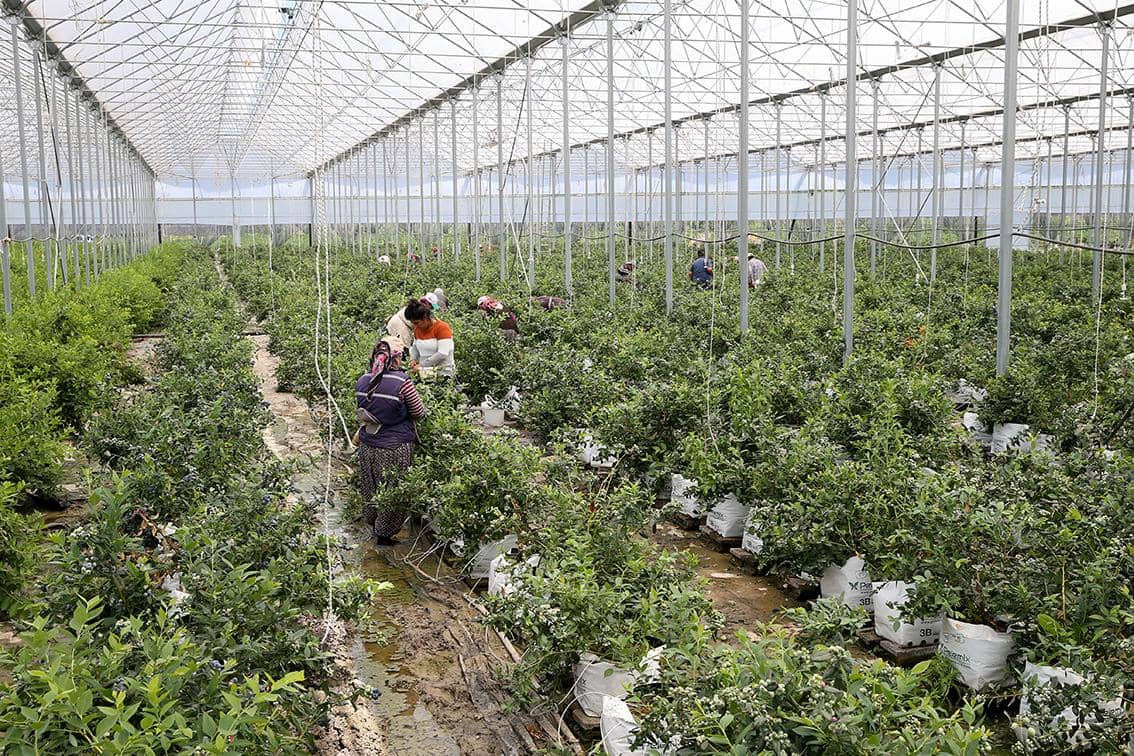
Blueberry production in greenhouse, Antalya
From joint trials to commercial application
Beyond zero-waste horticulture, business opportunities include greenhouse automation, resilient planting material and biological crop protection. Other fields are cold-chain management, grading, processing and traceability. The LAN team can support knowledge exchange and identify partners for joint validation projects. Industry interviews also point to interest in Türkiye as a regional supply and service base for neighboring markets, including Kazakhstan, Turkmenistan and the Middle East, although the scale of this activity has not been quantified.
In the near term, the development of geothermal greenhouse zones, including Dikili, supports Türkiye’s objective of modern, year-round production. Precision irrigation, crop monitoring and water reuse align with the Water Efficiency Strategy and Action Plan (2023–2033). The proposed zero-waste horticulture initiative with BATEM also corresponds to the National Circular Economy Strategy and Action Plan (2025–2028), which identifies food and biomass as a priority sector.
More information
If you would like to know more about agricultural innovation and greenhouse horticulture in Türkiye, you can visit the country page of Türkiye on this website. You can also send an email to the LAN team at the Dutch Embassy in Ankara: ank-lvvn@minbuza.nl.