
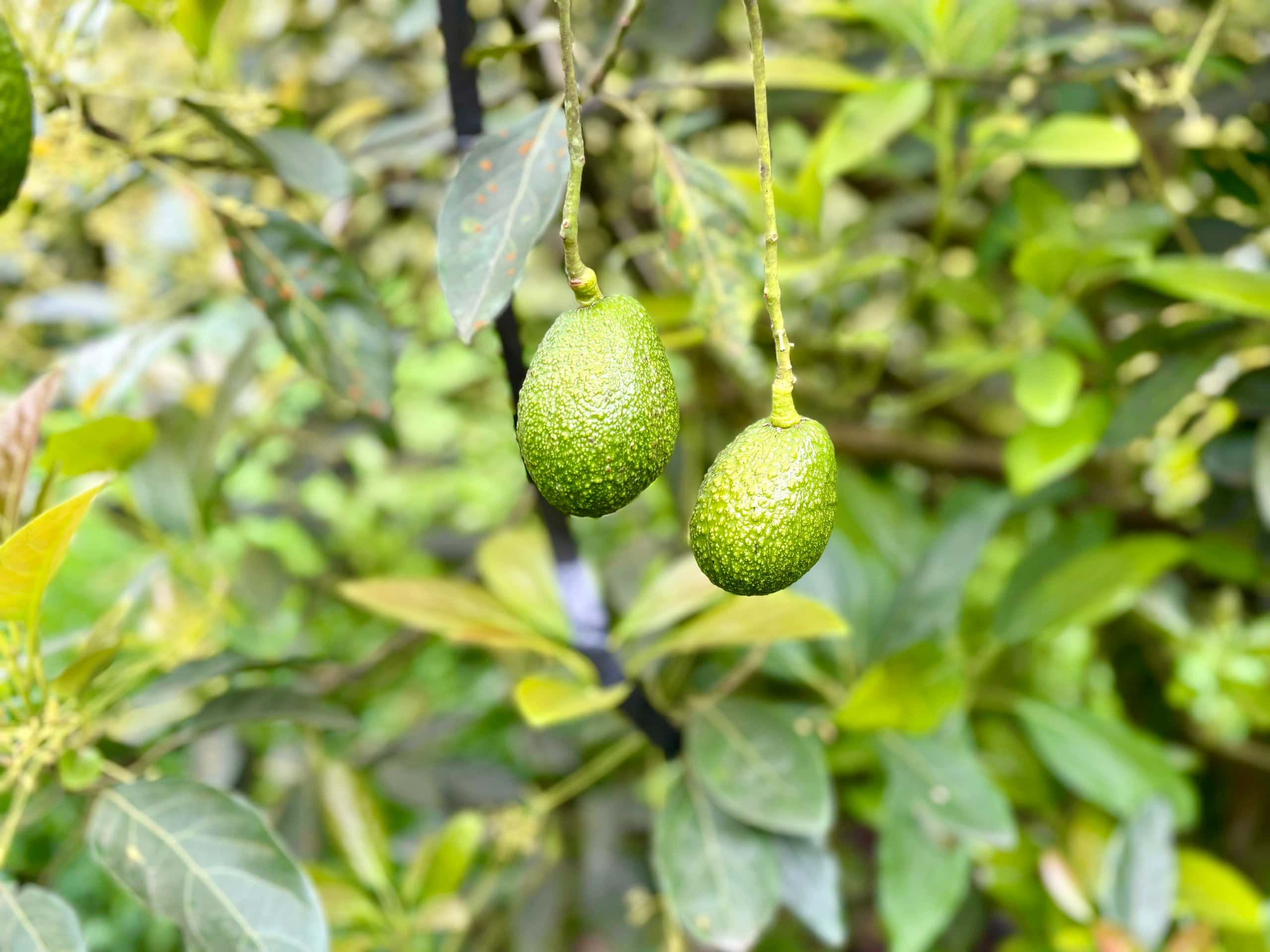
Improving quality and reducing losses in Colombia’s avocado value chain
Connecting Colombian sector needs with Dutch knowledge and technology
Colombia’s avocado sector is growing fast, but food loss remains a major challenge. This creates clear opportunities for cooperation with the Netherlands. Dutch companies and knowledge institutions can contribute to areas such as post-harvest management, cold-chain logistics, digital monitoring, processing, and the use of avocado by-products. By working together on these issues, Colombian and Dutch partners can help improve quality, reduce losses, and strengthen the sector’s long-term sustainability.
Colombia has rapidly emerged as one of the world’s most promising producers of Hass avocados. This variety of avocado has become a strategic export product, driven by steadily rising international demand and strong commercial ties with Europe, especially the Netherlands. Today, around 60% of Colombian Hass avocado exports are destined for Europe, with the Netherlands accounting for 35.8% as the leading market, underscoring the strong trade relationship between the two countries.
Over the past decade, Colombia’s avocado sector has undergone a remarkable transformation. Ten years ago, the country exported fewer than 20,000 tons of Hass avocados per year. Now, according to DIAN and Analdex, Colombia’s avocado exports reached 201,479 tons in 2025, marking a 45.6% increase compared to 2024, further consolidating the country as one of the fastest-growing avocado exporters in the world. This growth has been fueled by more professionalized production, through improved farm management practices and a stronger focus on fruit quality and consistency, expanded cultivation areas, and the development of a stronger export infrastructure.
Despite this progress, the sector continues to face major challenges, particularly when it comes to reducing food loss along the value chain. Inefficiencies in production, such as variability in fruit quality, uneven maturation, and inconsistent farm management practices, post-harvest handling, cold-chain management, and transportation can all undermine fruit quality, shorten shelf life, and limit access to high-value markets. Addressing these issues is essential to strengthening the sector’s competitiveness and building a more sustainable and resilient agri-food system.
By reducing food loss, the sector can make more efficient use of natural resources, improve the share of exportable production, and contribute to broader goals related to food security, climate resilience, and the agriculture–water–biodiversity nexus, as more efficient production systems reduce pressure on natural resources while promoting more sustainable land and resource management practices.
‘Inefficiencies can reduce fruit quality, shorten shelf life, and limit access to high-value markets’
Food loss and challenges along the avocado value chain
In Colombia, the avocado value chain includes several interconnected stages: cultivation, harvesting, collection and packing, marketing, and in some cases, processing into products such as pulp, oil, and other derivatives. Food loss can occur at multiple points along this chain, but post-harvest management is especially critical, as avocados are highly perishable and require careful handling, temperature control, and timely processing to maintain quality during long transport distances.
After harvest, avocados must often travel long distances within Colombia before reaching collection or packing facilities, which can already pose logistical challenges, including the remoteness of production areas, limited road infrastructure, and difficult access conditions, particularly during periods of heavy rainfall. Once they arrive at their reception stations, the fruit must be cleaned, sorted, graded, packed, and cooled before being sent to domestic or international markets. If these processes are not managed properly, quality can deteriorate quickly.
One of the key challenges is the avocado’s limited ability to withstand long transport times. While shipments to the United States may take only a few days, exports to more distant markets such as Asia can spend up to 25 days at sea. To ports such as Rotterdam, shipments can take up to 13 to 15 days often pushing the fruit close to its storage limits. This increases the risk of spoilage and highlights the need for advanced post-harvest technologies that can preserve quality throughout transport and across the cold chain.
Packing and processing capacity also remain in significant constraints, particularly during peak harvest periods. In many facilities, washing, drying, and packing are still largely done by hand. As a result, packhouses may struggle to keep pace with incoming volumes, creating bottlenecks that can lead to deterioration and product rejection. Manual handling can also cause bruising and inconsistent sizing, which reduces the share of fruit that meets export standards. In markets with strict quality requirements, fruit that fall short may be downgraded or diverted to lower-value channels.
According to sector estimates, more than 40% of Colombia’s avocado production does not reach high-value export markets, often because of inconsistent quality, premature ripening, or limited shelf life. A large share of this fruit is redirected to domestic markets, typically at lower prices, while part of it is increasingly being used for processing into products such as guacamole, pulp, avocado oil, and other derivatives. However, limited processing capacity means that not all of this fruit can be valorized, and part of it may still be underutilized.
Cold-chain management is another critical factor. Temperature fluctuations during storage and transport can accelerate physiological damage and reduce firmness. Some exporters still lack optimized airflow systems and real-time monitoring technologies, making it difficult to maintain stable conditions throughout the logistics chain. Together, these challenges point to the need for stronger post-harvest infrastructure, better temperature and logistics management, and more robust quality-monitoring systems across the sector.
Beeld: © LAN BOG
Avocado tree ready for harvesting
Structural challenges and emerging trends
Several broader structural factors also contribute to food loss in the sector. Infrastructure constraints, especially in rural areas, make it harder to move fruit efficiently from production zones to packing facilities and ports. Delays or congestion during export operations can further increase the risk of quality deterioration in transit. Delays can occur during transport from farms due to limited road infrastructure, at packing facilities during peak harvest periods when processing capacity is constrained, and at export terminals where congestion can slow down shipments, increasing the risk of quality deterioration in transit.
At the same time, a substantial share of avocados produced in Colombia does not meet export standards. Without sufficient processing capacity or alternative value chains, this fruit is often underutilized. It is primarily sold in lower-value domestic markets and only partially processed, given that value-added processing capacity is still emerging in the sector. However, some Colombian companies are beginning to address this gap by investing in new product lines such as guacamole, frozen pulp, and avocado oil.
One example is Coltrópicos, a Colombian packing and agri-processing company that develops processed avocado products such as avocado pulp and guacamole to diversify its portfolio and create alternatives to fresh produce exports. By turning fruit that does not meet export specifications into value-added products, meaning processed products with a higher commercial value than fresh fruit, companies can reduce losses while capturing greater economic value.
Another promising avenue is the valorization of avocado by-products. Avocado processing generates significant volumes of residual biomass, including peels, seeds, and fruit that do not meet export standards. Rather than being discarded, these materials can be transformed into products such as avocado oil, nutraceuticals, or other bio-based applications.
Some initiatives are already delving into this potential. Dutch companies such as Soilmates, focus on converting avocado by-products into avocado oil. They are also exploring opportunities in Colombia, through potential partnerships and the Combitrack on Sustainable Agrifood Systems. This facilitates the introduction of their technologies and circular solutions into the local value chain and demonstrates how circular approaches can reduce food loss while creating new revenue streams.
Digital technologies are also beginning to play a larger role in improving supply chain coordination. Programs such as Agro 4.0 in Antioquia are introducing sensors, artificial intelligence tools, and satellite imagery to help farmers make better-informed decisions and improve monitoring throughout the production process. In practice, this initiative supports farmers in collecting and using real-time data to optimize inputs such as irrigation and fertilization, detect crop issues early, and improve yield and quality consistency.
Beeld: © LAN BOG
Avocado tree roots
Improving fruit quality in the field
An important finding from sector research and the study on concrete business opportunities for Dutch businesses in the coffee and avocado sectors in Colombia, conducted under the Sustainable Agrifood Systems Combitrack, is that food loss is not just a post-harvest issue. Fruit quality is largely determined in the field, which means farm management practices strongly influence whether avocados can reach high-value export markets or are rejected during grading and packing. Concrete examples include inadequate soil nutrition management, premature harvesting before optimal maturity, and the lack of monitoring of ethylene levels, all of which can lead to inconsistent fruit quality, reduced shelf life, and higher rejection rates.
Companies such as FLP Colombia, which operates avocado farms and an export facility in Chinchiná, Caldas, are focusing on improving fruit quality at the production stage to reduce losses throughout the supply chain. Through regenerative agricultural practices, focused on improving soil health, optimizing nutrient management, and strengthening on-farm monitoring, the company aims to produce more uniform fruit in terms of size, maturity, and firmness.
In practice, this includes actions such as refining fertilization programs, improving soil management through organic inputs, and developing data-driven monitoring systems to better track crop performance and variability, with the objective of improving internal fruit quality and reducing inconsistencies at harvest. Early results from these approaches indicate improvements in fruit consistency and quality, contributing to a higher share of exportable produce and reduced variability.
Policy frameworks and sector initiatives
At the national level, Colombia has begun integrating sustainability and innovation more explicitly into its agricultural development strategies. Public investments in rural development and infrastructure, particularly in regions such as Antioquia, are intended to strengthen production capacity and improve export competitiveness.
Infrastructure projects can also play an important role in reducing food loss. For example, the development of the new port Puerto Antioquia is expected to shorten export transit times and improve cold-chain efficiency, both highly influential factors in preserving the quality of perishable products such as avocados. The sector is also increasingly aligning with international sustainability standards, including certification schemes such as GlobalG.A.P., Rainforest Alliance, and environmental monitoring, particularly those required to access international markets such as the European Union, with a strong focus on traceability, quality, and sustainable production practices, like reducing the use of fertilizers and pesticides.
Beeld: © LAN BOG
Cooling room in avocado company in Colombia. Alejandro Saenz, FLP. Léontine Crisson, Nicolás Gonzalez, Agricultural Counselor and Advisor.
The role of innovation and opportunities for the Netherlands
Many of the challenges associated with food loss in Colombia’s avocado sector are closely tied to technological gaps. Producers and exporters have identified several areas where innovation could improve efficiency and reduce losses, including automated sorting and grading systems, improved packaging technologies, cold-chain monitoring solutions, digital traceability platforms, and technologies that enable the valorization of fruit that does not meet export quality standards, including requirements related to size, appearance, and consistency. Processing solutions that convert avocados into oil, pulp, or other ingredients can also significantly reduce losses while opening new market opportunities.
In these challenges the Netherlands can play a crucial role. The country is widely recognized for its expertise in agricultural innovation, precision farming, circular economy approaches, and sustainable post-harvest systems. Dutch expertise is highly relevant in areas such as automated sorting and grading technologies, advanced cold-chain and storage solutions, and sensor-based monitoring systems, as well as in-field solutions focused on improving soil health and crop performance. In addition, circular processing technologies, including solutions to transform avocado by-products into value-added products such as oils, offer further opportunities to reduce losses. This creates clear opportunities for collaboration with Colombian stakeholders seeking to modernize operations and reduce inefficiencies and losses throughout the value chain.
Beeld: © LAN BOG
Flowering of avocado tree
LAN team as a catalyst for innovation and collaboration
The Netherlands Agricultural Network (LAN) team at the Dutch Embassy in Bogotá has been actively supporting this type of collaboration. Through the Sustainable Agrifood Systems Combitrack, the LAN team along with Holland House Colombia, commissioned a study to map key challenges and business opportunities in the coffee and avocado value chains, selected due to their strategic importance for Colombian agricultural exports and their strong potential for value addition and sustainability improvements.
The study combined desk research, field visits, and interviews with more than 20 stakeholders in the avocado sector, including producers, exporters, and trade associations, with a detailed overview of consulted stakeholders available in the full study. This process helped identify concrete technological needs, particularly in agrologistics, such as cold-chain optimization and post-harvest handling, and in processing and transformation technologies to valorize fruit that does not meet export standards, highlighting areas where Dutch expertise could help reduce food loss and strengthen production and processing capacity.
As part of this initiative, the LAN team organized a fact-finding mission last November 2025, during the Territorio Aguacate event, where Dutch companies connected with Colombian stakeholders and presented technologies that could help address sector challenges. As a result, several companies that participated in Territorio Aguacate have taken the initiative with Colombian partners to develop a collaboration project in avocado focused on regenerative agriculture.
A demonstration farm, located in the province of Antioquia in the coffee region, developed in collaboration with FLP Colombia and the Albert Heijn Foundation, is showcasing practices that improve soil health, optimize resource use, and strengthen resilience to climate change. By improving soil health and crop management, these practices contribute to better fruit quality and consistency, increasing the share of avocados that meet market standards and reducing post-harvest losses along the value chain.
Beeld: © Holland House Colombia - HHCO
Packing facilities in Coltrópicos
Future priorities for a more resilient avocado sector
Reducing food loss in Colombia’s avocado value chain requires coordinated action at multiple levels. On the one hand, producers and farmers need better access to technology and technical assistance, exporters must invest in modern post-harvest infrastructure, and on the other hand policymakers need to continue strengthening logistics and sustainability frameworks.
International collaboration will be an important part of this transition. By combining Colombia’s production potential with Dutch expertise in agri-technology, logistics, and circular solutions, the sector can move toward a more efficient and sustainable model.
Looking ahead, the LAN team will continue to support this transition by strengthening and positioning the Combitrack strategy and facilitating connections between local needs and Dutch knowledge, innovation, and technology. Recent activities included a webinar on March to present the findings of concrete business opportunities for Dutch businesses in the coffee and avocado sectors in Colombia, while upcoming plans involve the organization of a visitors’ program, bringing Colombian stakeholders to the Netherlands to connect with relevant Dutch companies and knowledge institutions, with a focus on the avocado sector. The team also foresees continued engagement in sector events such as Territorio Aguacate to further promote collaboration and partnership opportunities.
As global demand for avocados continues to rise, improving post-harvest management and reducing food loss will be essential not only for economic competitiveness, but also for global food security.
‘By combining Colombian production potential with Dutch expertise, the sector can move toward a more efficient and sustainable model’
Beeld: © Holland House Colombia - HHCO
Avocado quality control guide in Coltrópicos: defects
More information
If you would like to know more about post-harvest losses, cold-chain management, and circular solutions in Colombia’s avocado sector, you can go to Colombia’s country page on this website. You can also send an e-mail to the LAN team at the Dutch Embassy in Bogotá:
-
Email: bog-lvvn@minbuza.nl