
What began as South Korea’s first confirmed detection of Tomato brown rugose fruit virus (ToBRFV) in late October 2026 has rapidly escalated into a nationwide agricultural crisis. Following initial emergency measures covering 39 greenhouses in early November, the highly contagious pathogen has surged across 162 farms nationwide as of this week—prompting strict eradication orders, multi-year surveillance, and significant commercial and regulatory ripple effects for Dutch seed breeders and greenhouse suppliers.
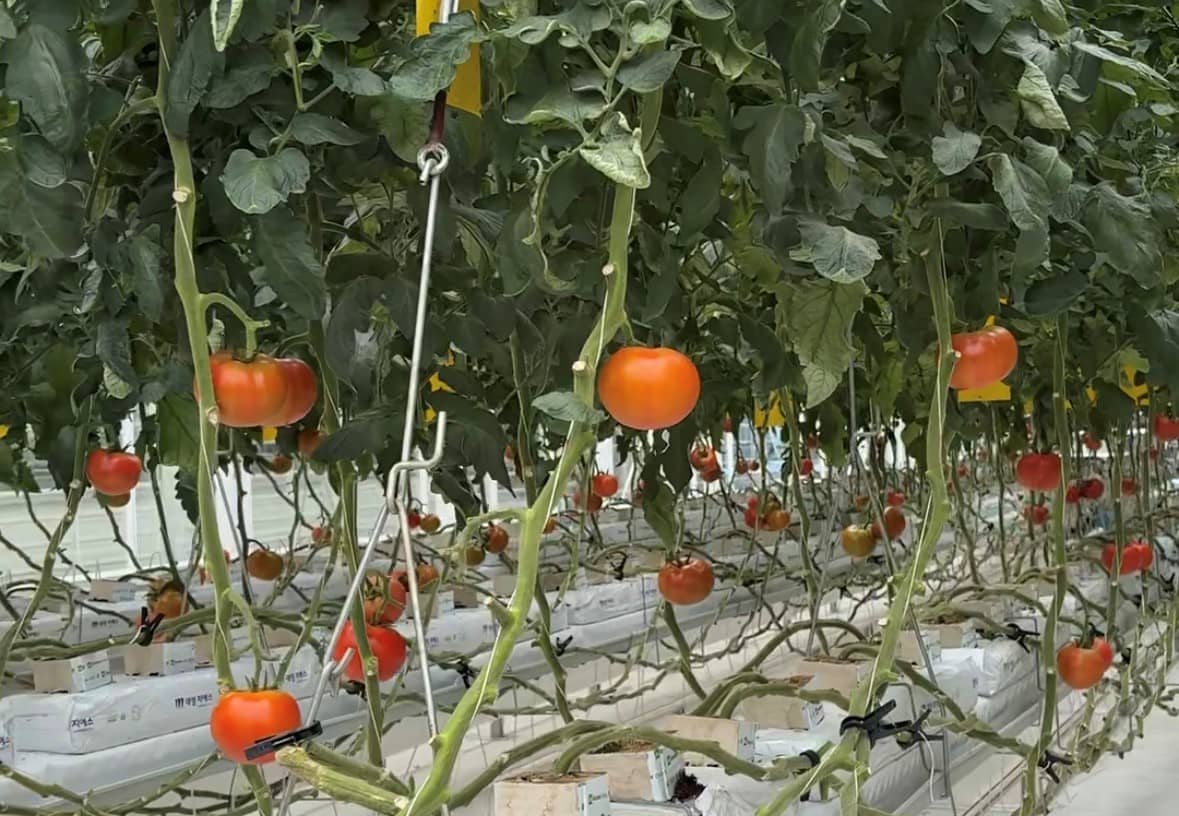
Beeld: © SEO-LVVN
Tomato greenhouse in Gimje, South Korea
Outbreak of tomato brown rugose fruit virus (ToBRFV)
South Korean agricultural authorities have significantly escalated containment efforts after Tomato brown rugose fruit virus (ToBRFV) spread rapidly from an initial cluster of 39 greenhouses to 162 tomato farms across seven provinces and metropolitan areas nationwide.
Following an emergency expert review with the Ministry of Agriculture, Food and Rural Affairs (MAFRA) and the Animal and Plant Quarantine Agency (APQA), the Rural Development Administration (RDA) ordered mandatory public control operations. Under the emergency protocol, affected farms must destroy all crops, harvested tomatoes, and growing substrates, which are sealed and incinerated. Authorities have also restricted access to infected sites and banned the movement of plant materials, machinery, and transport vehicles.
Escalating severity and replanting hurdles
With no chemical cure available and infected crops suffering severe leaf mottling, fruit wrinkling, and yield losses that render produce unmarketable, South Korea has raised its pest alert level and launched epidemiological investigations to trace the virus’s entry. Grower restart timelines remain strictly regulated: soilless greenhouses are tested two weeks after disinfection, while soil-based farms must wait four weeks. If ToBRFV persists, farms must undergo repeat disinfection and retesting, followed by a mandatory three-year RDA monitoring period. The prolonged downtime during the cooler greenhouse cycle threatens winter domestic supply and has prompted the government to enhance farmer compensation packages.
Impact on Dutch horticultural companies
For the Netherlands—a global leader in vegetable genetics, young plant propagation, and greenhouse technology—the outbreak presents both immediate compliance challenges and new market demand:
- Tighter import and phytosanitary controls: Because South Korea classifies ToBRFV as a regulated quarantine pest, Dutch seed exporters and propagators face heightened border inspections, stricter seed-testing requirements, and epidemiological scrutiny as Seoul investigates the source of the outbreak.
- Rising demand for resistant genetics: Having managed ToBRFV since 2019, Dutch breeders (such as Rijk Zwaan, Enza Zaden, and Bayer/De Ruiter) lead the global market in high-resistance (HR) and intermediate-resistance (IR) tomato varieties. As Korean growers prepare to replant cleared greenhouses, demand for certified virus-free, resistant Dutch seeds is expected to rise sharply.
- Hygiene and disinfection solutions: Dutch suppliers specializing in greenhouse sanitation, biological crop protection, and biosecurity protocols are well-positioned to support South Korean smart-farm operators seeking to prevent mechanical reinfection.
More information & contact
For questions regarding phytosanitary developments, market implications, or future bilateral cooperation in horticulture and seed genetics, please contact the agricultural team at the Dutch embassy in South Korea via SEO-LVVN@minbuza.nl.