
Brazil faces a difficult balancing act. As one of the world’s agricultural powerhouses, it wants to continue expanding production, while pressure on soils, water resources and ecosystems is becoming increasingly apparent. The challenge is to combine economic growth with the restoration and protection of natural resources. Dutch knowledge and technology can play a part, but there is also much the Netherlands can learn from Brazil. Those shared opportunities will be at the heart of a Dutch trade mission to São Paulo and Pará in late September, organized by the Netherlands Enterprise Agency (RVO) in cooperation with the Netherlands Agricultural Network Biodiversity team in South America.
Around 30 percent of Brazil’s land area is used for food production: roughly 10 percent for crops and 20 percent for livestock. That puts considerable pressure on the natural resources on which agriculture itself depends. ‘In areas including the Amazon and the Cerrado, soils are becoming depleted as a result of intensive livestock farming and overgrazing,’ says Emiel Mulder, Regional Nature and Biodiversity Counsellor for South America, based at the Netherlands Embassy in Brazil’s capital Brasília. ‘Water quality is also deteriorating, partly because of the large-scale use of fertilizers. At the same time, longer dry spells caused by climate change and heavy demand from agriculture and renewable energy are making water increasingly scarce.’
The challenge is to increase agricultural production without placing even greater pressure on soils, water and natural vegetation. That calls for a landscape-based approach in which agricultural development goes hand in hand with protecting and restoring natural ecosystems. One option, Mulder says, is to make better use of land that has already been farmed. ‘Brazil has an estimated 80 to 100 million hectares of degraded land. The government wants to bring that land back into agricultural production. Under its Caminho Verde program, the Brazilian Ministry of Agriculture aims to restore 40 million hectares by 2035.’
Emiel Mulder, Regional Nature and Biodiversity Counsellor for South America
Another part of the answer is to protect what remains. ‘Brazil’s Forest Code sets out how much natural vegetation must be retained in each biome, or restored where it has been lost,’ Mulder explains. ‘The percentage varies from one biome to another and is highest in the Amazon.’
Technology can also play an important role. Satellite imagery can help detect deforestation and forest degradation much faster. Mulder: ‘This technology is especially important in a country like Brazil because satellite data can identify forest loss far more quickly than ground-based monitoring. Dutch companies have advanced technology to offer in this area.’
This is becoming even more relevant because of the EU Deforestation Regulation (EUDR) and the Tropical Forest Forever Facility (TFFF). The EUDR will apply to large and medium-sized companies starting December 30, 2026, requiring them to show that products such as soy, coffee, cocoa, cattle, and timber sold on the European market are not linked to deforestation or forest degradation. The TFFF meanwhile, is designed to provide financial incentives to tropical forest countries for protecting and expanding their forests. Payments are tied to forest conservation performance, with satellite imagery used to monitor changes in forest cover. ‘Monitoring is very important in determining whether deforestation has occurred and, if so, to what extent,’ says Mulder.
‘Brazil needs a landscape-based approach in which agricultural development goes hand in hand with protecting nature’
Economic growth puts pressure on nature
Ria Hulsman, Regional Manager for Latin America and the Caribbean at Wageningen University & Research (WUR), also sees a persistent tension between agricultural growth and nature conservation in Brazil. ‘Brazil is an emerging economy that is very much focused on economic growth,’ she says. ‘Agricultural commodities such as soy and maize are hugely important to its exports, particularly to China. That creates strong pressure to keep growing, which in turn increases demand for land on which to produce export crops.’
The effects of deforestation extend far beyond the areas where trees are cleared. Hulsman refers to the work of Brazilian scientist Carlos Nobre on standing forests, flowing rivers and flying rivers. ‘When forests remain intact, moisture evaporates from the soil and vegetation and contributes to cloud formation. That moist air is then carried elsewhere and eventually falls as rain.’ Deforestation can disrupt that cycle. ‘If you remove the forest, you interfere with both cloud formation and the movement of moisture. Southern Brazil, and Argentina as well, are already experiencing periods of severe drought.’
Making better use of agricultural land
Crop rotation is one way of reducing soil depletion, although Hulsman points out that economic realities often stand in the way. ‘For many farmers, growing the same crop is simply easier and economically viable. Their machinery only needs to be set up for one crop, they know that crop well and they can spot problems quickly. Market prices also influence what they grow.’
Precision agriculture offers another route. WUR has been working with Brazilian Agricultural Research Corporation Embrapa and Brazilian universities on ways to reduce the use of chemical pesticides in soybean production by applying them more selectively. ‘The usual practice was to spray an entire field preventively in case a particular pest appeared,’ says Hulsman. ‘The alternative is not to spray the whole field, but first identify where there is actually a problem.’
In the context of biological crop protection, a new Dutch-Brazilian WUR research project is focusing on the Cerrado. It is part of a program involving NWO, the Dutch Ministry of Agriculture, Fisheries, Food Security and Nature (LVVN), and Brazil’s research council CNPq. The project explores how biodiversity conservation can also create economic opportunities, for example by developing native species that generate income without clearing more natural vegetation.
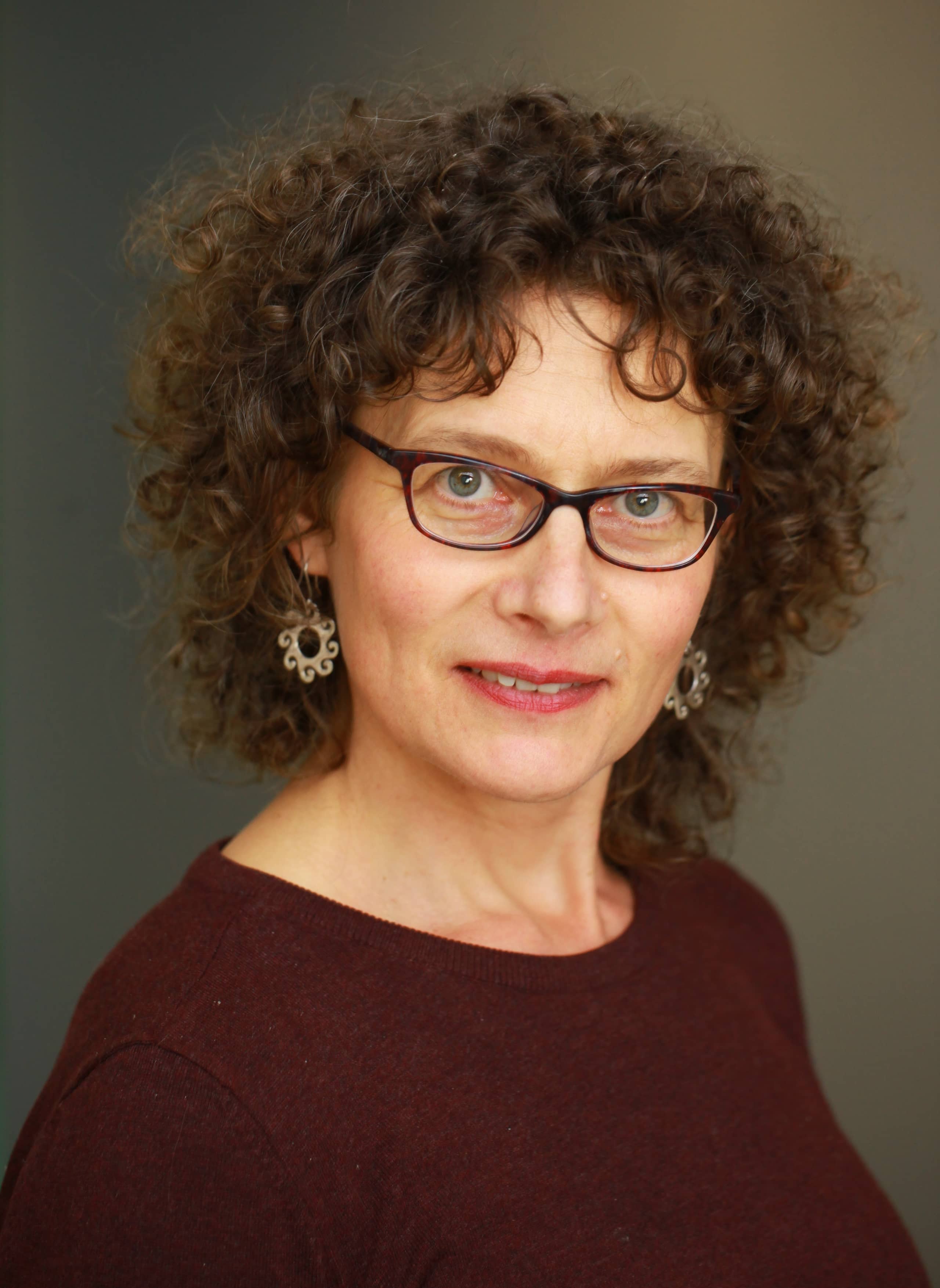
Ria Hulsman from Wageningen University & Research 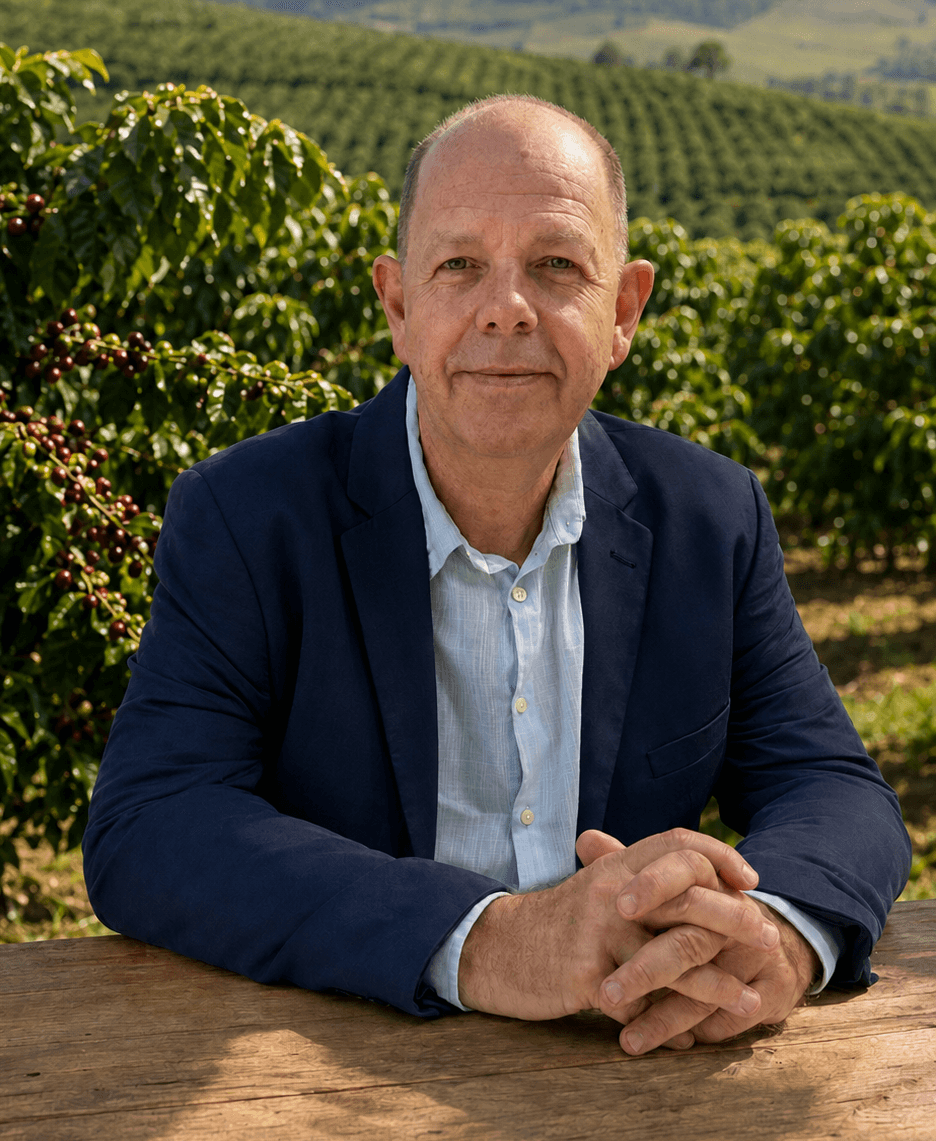
Sjraar Gubbels from Farm24
Efficiency can benefit both farmers and nature
Dutch entrepreneur Sjraar Gubbels knows Brazilian agribusiness from the inside. His company, Farm24, develops technology that automatically gathers data from farm machinery and fields. Hardware fitted to agricultural machinery is linked to sensors and cameras, making it possible to track how machines are being used, which inputs are applied, when spraying takes place and how much water is consumed.
This way farmers get a clearer picture of what is happening across their operations and enable them to make better decisions. That kind of overview is particularly valuable in Brazil because farms tend to be far larger than in the Netherlands. Gubbels works with businesses covering 10,000 to 12,000 hectares, where dozens of tractors and large teams may be operating at the same time.
‘In the Netherlands, the conversation tends to start with sustainability. In Brazil, farmers initially focus much more on efficiency,’ Gubbels goes on. ‘For me, however, the two are closely connected. Better information about farm operations makes it possible to use fuel, water, pesticides, and other inputs more efficiently. European market requirements are reinforcing this trend. Sustainability is becoming as important as efficiency.’
What the Netherlands can bring
Gubbels believes the Netherlands’ main strengths lie in knowledge and technology. ‘The Netherlands is very strong in precision agriculture, sensor technology and water management. It has a strong knowledge base.’ Those capabilities can help Brazilian farmers increase efficiency while reducing their use of water, fuel and other inputs. ‘I see a lot of opportunities for companies that can help improve efficiency.’
Mulder sees opportunities at the intersection of technology, nature restoration and finance. ‘Nature-based solutions, nature-positive finance, remote sensing and monitoring are all areas where Brazil and the Netherlands have a great deal to offer one another. Our strengths are complementary.’
Nature-positive finance is already part of the Netherlands Agricultural Network (LAN) team’s work in Brazil. In April 2026, it brought together Brazilian financial institutions interested in investing in nature-inclusive solutions. ‘The aim,’ Mulder says, ‘is to increase the engagement of the private sector and help promising projects move forward. The trade mission in September should build on that work by encouraging greater interest from the financial sector in nature-inclusive business models.’
Hulsman sees another Dutch strength in the ability to bring different disciplines together. ‘Brazil often takes a strongly technical and economic view of agriculture. WUR is good at systems thinking: looking not only at technology, but also at innovation, economics, social factors and ecology. How do those elements interact? Where are the connections? And how can you maintain production while giving ecology a stronger place within the agricultural system?’
‘Nature-based solutions, remote sensing and monitoring are all areas where Brazil and the Netherlands have a great deal to offer one another’
Trade mission to São Paulo and Pará
It is against this backdrop that a Dutch trade mission will travel to Brazil (see textbox below). The program in São Paulo and Pará will focus on the links between agriculture, biodiversity, water and climate, giving Dutch participants an opportunity to see developments on the ground. Mulder believes timing is right. ‘Following the COP16 in Colombia in 2024 and the COP30 in Brazil in 2025, there is clear momentum in South America to find solutions that address agriculture, biodiversity, water and climate together. We want to build on that momentum for Dutch companies and knowledge institutions.’
What makes this trade mission unique is that it is not just an agricultural mission: we focus on the intersections between biodiversity, agriculture, water, and climate. These topics are closely connected, and their interdependence will only grow in the near future.
Hulsman will be joining the mission herself. For her, one of its attractions is the opportunity to step outside the academic world. ‘I find it very valuable to hear how Dutch SMEs approach these issues from a more practical perspective. They can be extremely innovative and creative in spotting opportunities for new solutions and business.’
Dutch Embassy visiting Black Jaguar Foundation nursery. The goal is to restore 1 million ha of native vegetation along the Araguaia river by 2042.
Turning meetings into partnerships with local partners
Hulsman hopes the mission will spark new ideas. ‘Working alongside the Nature and Biodiversity Counsellor takes you in new directions. You meet new companies, both in Brazil and among the Dutch participants, spot new opportunities and expand your network.’
Matchmaking will be a central part of the mission. ‘In both Pará and São Paulo, each Dutch participant will be matched with three to five local organizations,’ says Mulder. Field visits are also part of the program allowing participants to see developments relevant to their own field first-hand. Local staff will help them navigate cultural and economic differences along the way.
Investing in relationships
Mulder stresses that personal relationships are crucial in Brazil. ‘Technical quality may open the door, but trust keeps it open. A pilot is therefore not just a demonstration, but the start of a partnership.’
Dutch solutions cannot simply be transplanted into the Brazilian market either, he says. ‘Brazil is a complex place to do business, with its own regulatory system, taxes, business practices and bureaucracy. Working with a local representative or partner can be a good way to explore the market and understand those challenges before making a bigger commitment.’
A basket of different fruits. Brazil has a lot of potential in bioeconomy
Added value of the LAN team
That is where the LAN can make a difference. Hulsman describes LAN teams as ‘local antennas’: people who closely follow developments in Brazil, know the relevant organizations and can identify opportunities and funding instruments for Dutch-Brazilian cooperation. For WUR, the network is a longstanding partner. ‘It gives us a foothold. Whenever I travel to Brazil, I make a point of visiting them. We have a very good relationship.’
Gubbels sees the benefits in very practical terms. Farm24 stays in close contact with the Netherlands Enterprise Agency (RVO) and the LAN and can call on them when it needs an introduction to a Brazilian organization. ‘If we want to speak to a Brazilian bank, for example, we can ask whether they have the right contacts. They will look into it and may be able to arrange a meeting. They open doors that would otherwise be difficult to get through.’
His advice to other Dutch companies is therefore simple: do not try to enter Brazil alone. ‘Go as part of a group. Brazil is not an easy market. Business culture is different. It helps enormously to have people who understand both how Dutch companies operate and how the Brazilian market works.’
Dutch Embassy visiting Black Jaguar Foundation nursery
More information
For more information on sustainable agriculture, biodiversity, water and climate in Brazil, you can reach out to the LAN team at the Dutch Embassy in Brasilia via: bra-lvvn@minbuza.nl.