
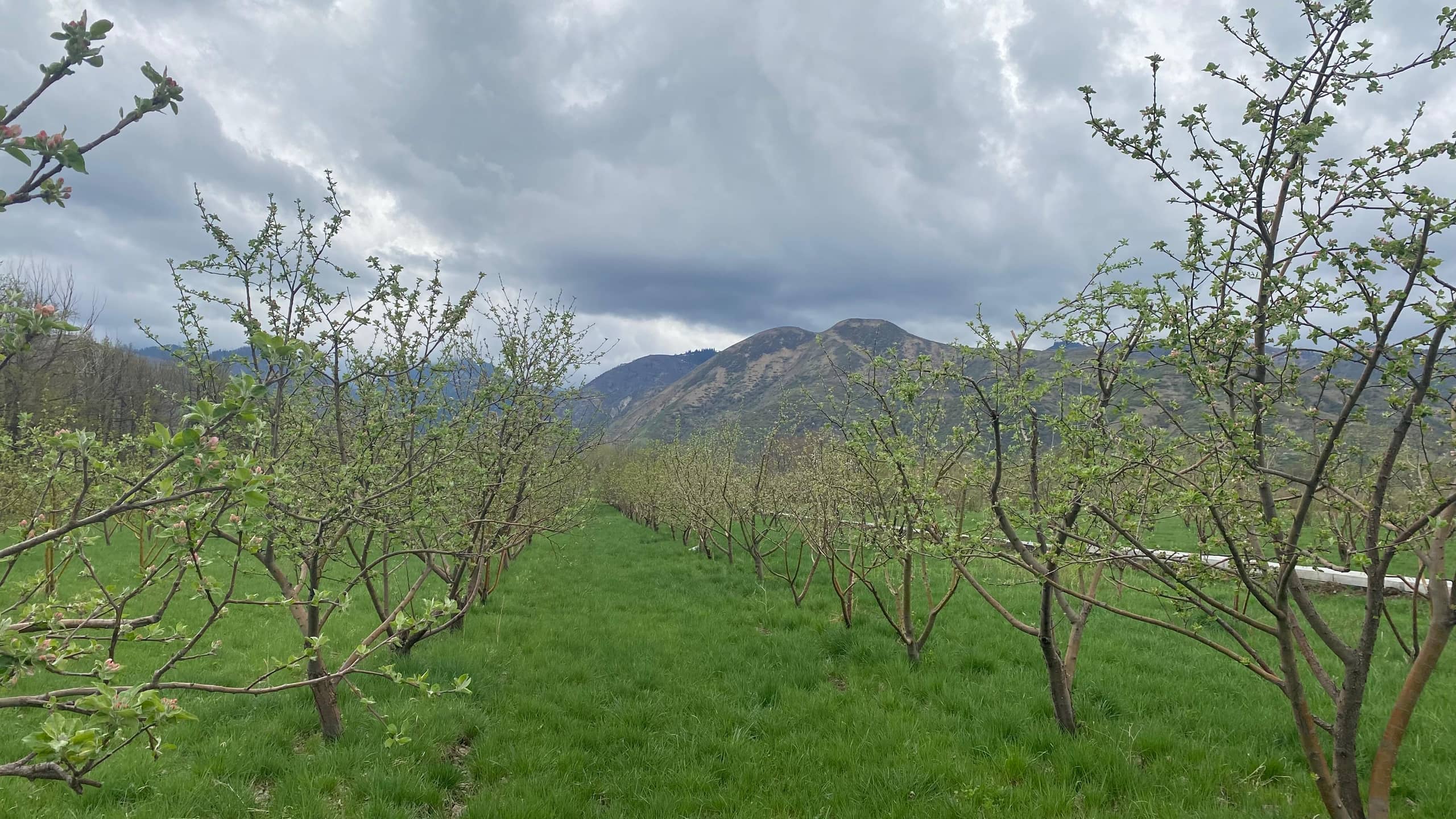
Kazakhstan is taking a major step toward transforming its agricultural sector through a new package of soil protection legislation that places sustainability, scientific land management, and resource efficiency at the centre of national policy.
Beeld: © LVVN Astana / Kazakhstan
The reforms, currently under discussion in parliament, reflect growing concern over the long-term condition of the country’s agricultural land. According to Kazakh lawmakers, more than 75% of Kazakhstan’s territory is affected by various forms of degradation, including erosion, salinisation, nutrient depletion, waterlogging, and desertification. What was once viewed primarily as an environmental issue is now increasingly framed as a strategic economic and food security challenge.
Focus on scientific and technological approach
The proposed legislation introduces, for the first time, a comprehensive legal framework for soil protection and sustainable land use. It obliges agricultural land users to monitor soil quality, manage nutrient and water balances, apply scientifically justified fertiliser practices, and implement crop rotation systems. The reforms also promote restoration of degraded land and the use of low-impact agricultural machinery to reduce soil compaction.
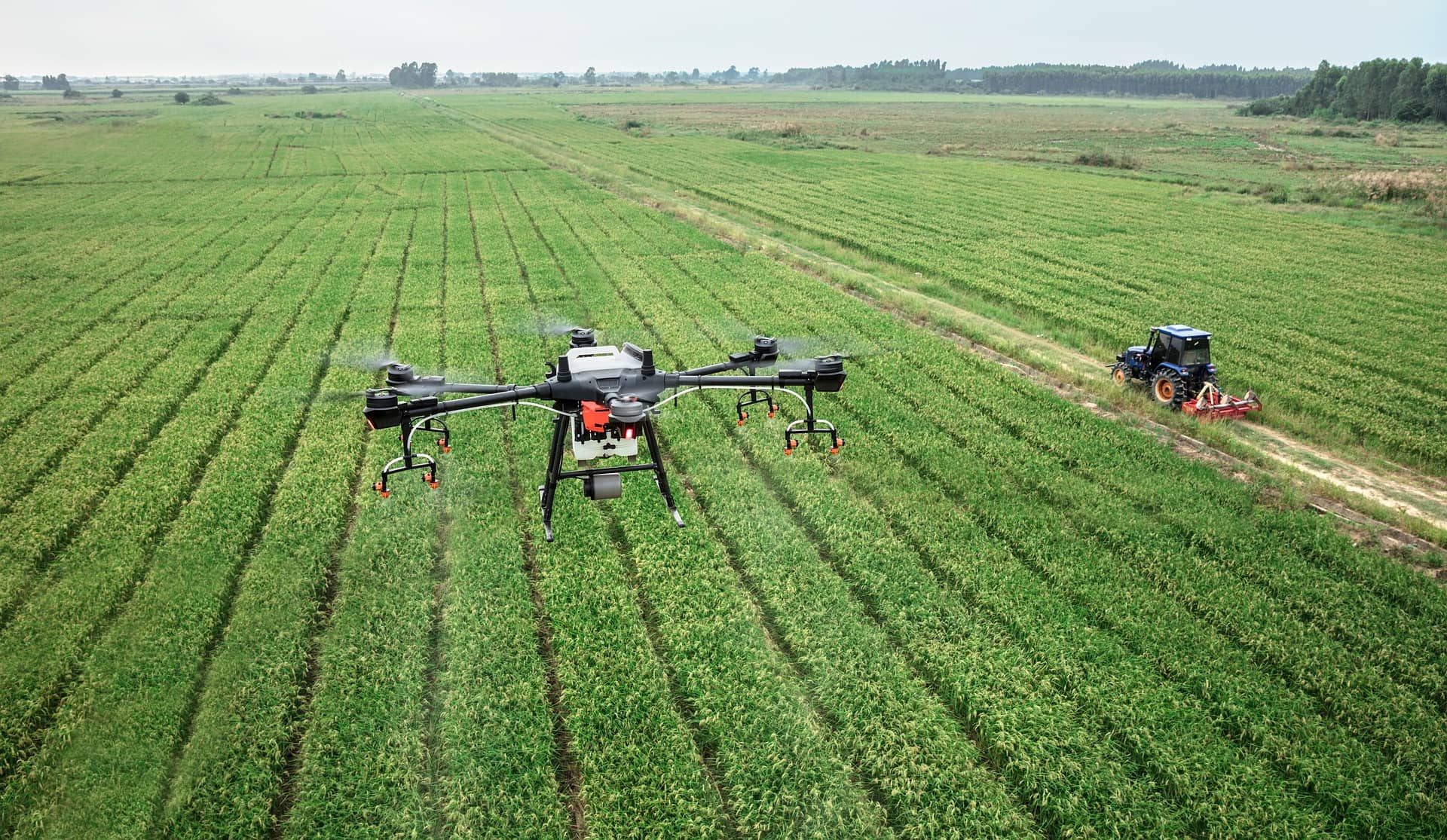
Importantly, Kazakhstan is moving beyond traditional agricultural management toward a more technology-driven model. The draft law foresees the use of remote sensing, digital monitoring systems, predictive degradation modelling, and artificial intelligence to support land management decisions. Regional land protection programmes and scientific monitoring systems are expected to become key pillars of future agricultural policy.
Water efficiency as strategic priority
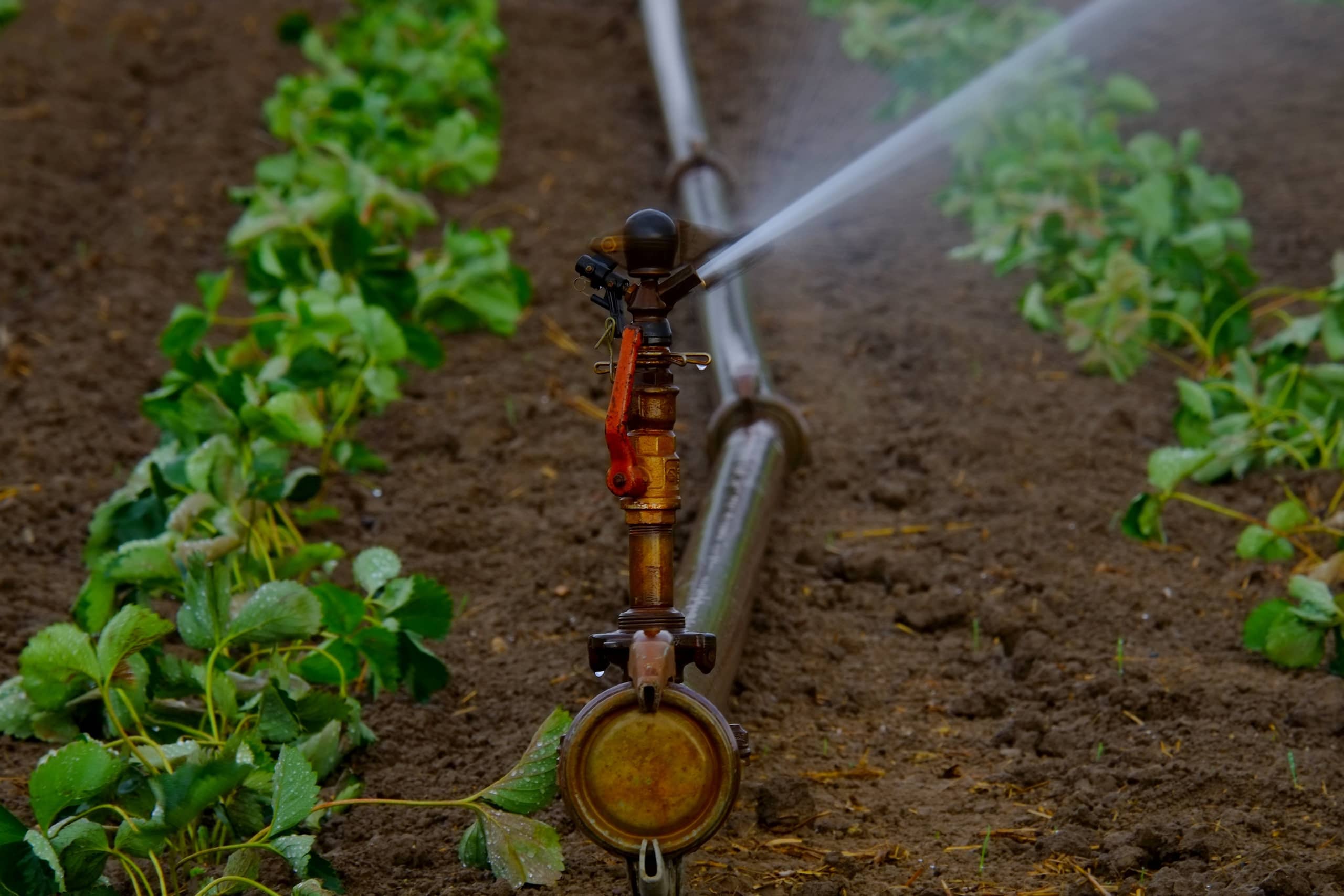
At the same time, water efficiency is becoming an urgent priority. Kazakhstan expects around 11 billion cubic metres of water demand during this year’s irrigation season alone, with particularly high pressure in the southern agricultural provinces. In response, the government has introduced irrigation water limits to encourage more rational water consumption and improve allocation efficiency.
Beeld: © Free
Together, these developments signal a broader transition toward sustainable agriculture in one of the world’s largest land-based farming economies.
Opening new opportunities for Dutch expertise
For Dutch companies and knowledge institutions, Kazakhstan’s transition creates clear opportunities for cooperation.
The Netherlands has built a global reputation in sustainable agriculture, precision farming, water management, soil restoration, and circular food systems — exactly the areas Kazakhstan is now prioritising.
Beeld: © LVVN Astana
The emphasis in the new Kazakh legislation on scientific monitoring and data-driven land management also aligns closely with Dutch strengths in agri-tech and digital agriculture.
In particular, Dutch water management knowledge may prove increasingly valuable as Kazakhstan seeks to improve irrigation efficiency in water-stressed southern regions. Solutions such as drip irrigation, smart water allocation systems, and advanced drainage technologies could help reduce water losses while improving crop productivity.
From exporter to knowledge partner
The evolving reforms may also shift the relationship between Kazakhstan and international agricultural partners. Rather than focusing solely on importing machinery or inputs, the country is likely to seek long-term cooperation in research, training, and technology transfer.
This creates opportunities not only for private companies, but also for Dutch universities, engineering firms, research institutes, and public-private partnerships.
As Kazakhstan moves toward a more sustainable agricultural model, Dutch involvement could play a meaningful role in supporting the transition. The combination of Kazakhstan’s vast agricultural potential and Dutch expertise in sustainable land and water management offers a strong foundation for future cooperation.
The reforms are still at an early stage, but the direction is clear: sustainable land use is becoming a strategic priority for Kazakhstan — and one in which Dutch knowledge could have significant impact.