
Greenhouse horticulture is a small but rapidly growing segment of the agricultural sector. Increasingly, high-value crops like tomatoes, peppers, and leafy vegetables are grown in greenhouses where the environment is more controlled and yields can be optimized. Within Southeast Asia, sustainable greenhouse horticulture is adopted for more environmentally-friendly production, especially when paired with integrated pest management practices and precision agriculture technology.
Beeld: © MAL LVVN
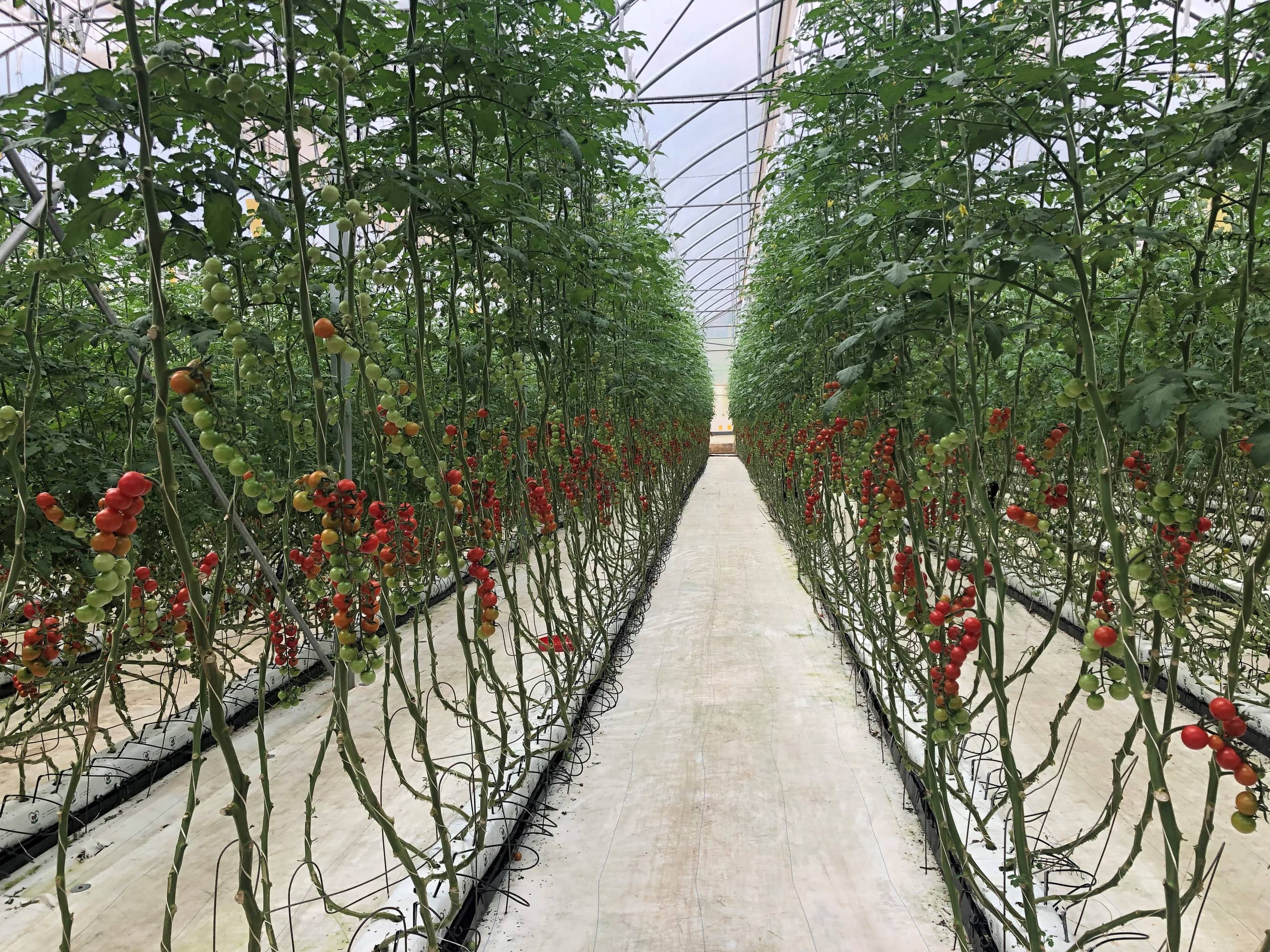
Tomato vines in coco grow bags at a greenhouse farm in Malaysia
Introduction to sustainable horticulture in Malaysia
Horticulture in Malaysia is a cornerstone of the nation’s National Agrofood Policy 2021–2030 (NAP 2.0), transitioning toward high-value, tech-driven production to ensure food security. The Cameron Highlands remains the primary hub of horticulture industry, utilizing greenhouses for roughly 80% of its temperate vegetables and floriculture, although protected cultivation in the lowland areas are growing very rapidly. Current trends focuses on precision agriculture, utilizing IoT-enabled fertigation and automated climate control to combat labor shortages. Additionally, vertical farming and plant factories are also growing in urban areas, driven by government tax incentives for sustainable, year-round indoor cultivation.
In Singapore, agriculture is a small sector of the economy, contributing less than 0.5% of the country’s GDP. With a large urban area and minimal land for farming, high-tech sustainable horticulture focusing on high productivity of crops has been the aim of the government here. Since 2019, the Singapore government has been pushing for more local food production to improve food security in Singapore, and has rolled out initiatives and funding for setting up of greenhouse and indoor farms in both urban and rural settings.
Johor-Singapore Special Economic Zone (JS-SEZ): developments for horticulture
Formalized in January 2025, the JS-SEZ allows businesses to establish complementary operations utilizing the advantages of both locations, such as industrial capabilities and access to land in Malaysia, and research facilities and access to capital in Singapore. By being situated in the JS-SEZ, they benefit from enhanced cross-border efficiency and can strengthen regional market presence.
While the JS-SEZ offers opportunities to many industries, one of the industries of focus is agri-food. There are already projects for both R&D and commercial operations in the horticulture sector. There is a push to develop vegetable seed varieties for use in tropical countries, through a joint Center of Excellence between Malaysian and Chinese agri-companies that will encompass various parts of the agri-value chain. In an effort to streamline horticultural operations for farms in the SEZ, there is also the Southern Agropolis being set-up. It is a large-scale agricultural project to make horticultural operations more efficient, through utilization of shared facilities and resources. These farms would also have ready demand channels to both the Malaysian and Singaporean market.
Beeld: © MAL LVVN
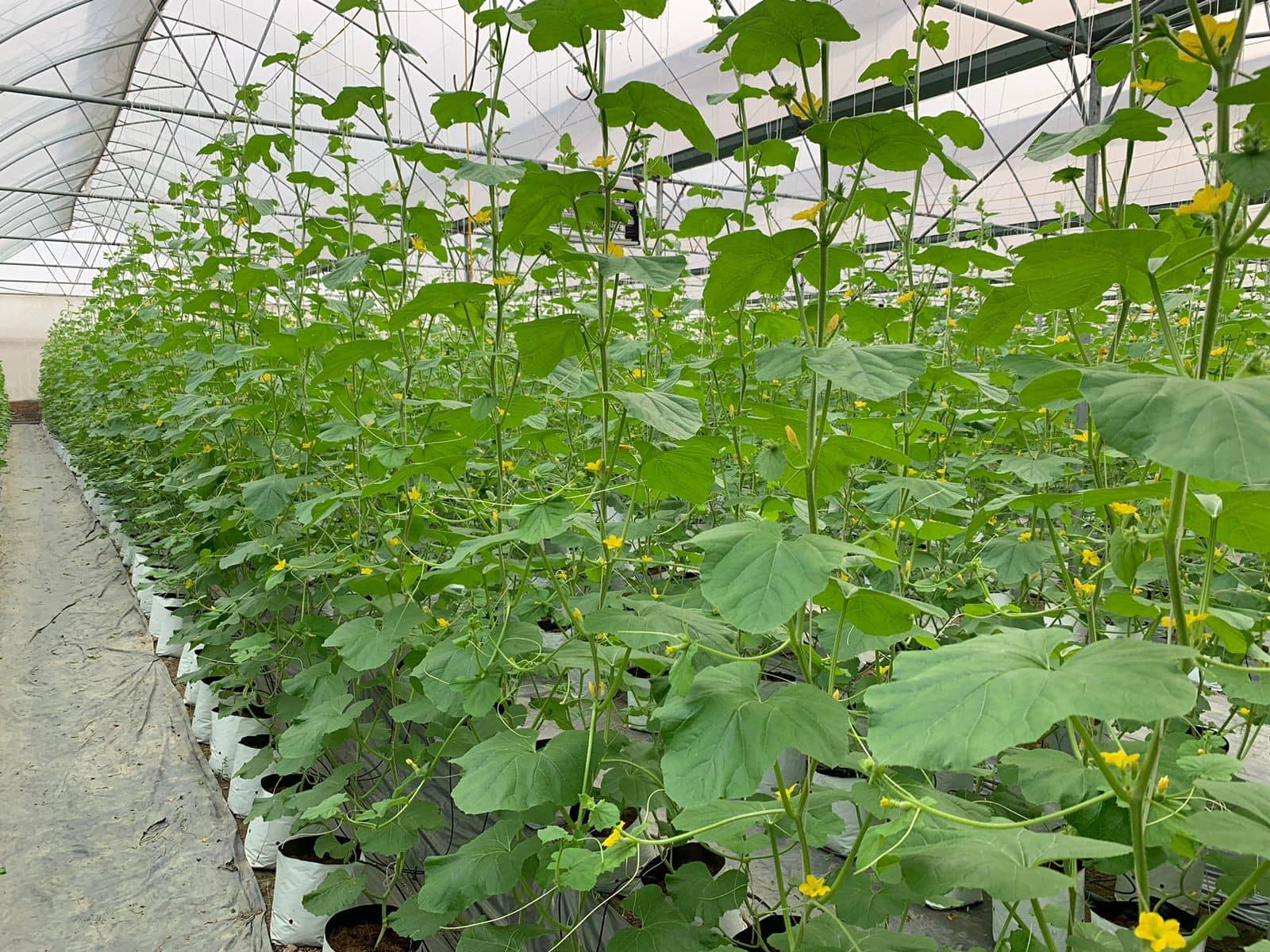
Cucumber plants in polybags at a greenhouse farm in Malaysia
More information
The JS-SEZ has the potential to be the next hub for horticultural research and commercialization activities. If you are interested to find out more about the JS-SEZ for agri-food, please reach out to the Agricultural Advisors at the Netherlands Embassies in Malaysia and Singapore, at kll-lvvn@minbuza.nl or sin-lvvn@minbuza.nl respectively.