
In Ghana, many farmers depend on self-raised seedlings grown under less than ideal conditions resulting in poor germination, high mortality, and uneven crop stands. Professional nursery systems have proven to be game changers, offering healthier seedlings, stronger field establishment, and higher yields.
Despite their potential, these systems remain underdeveloped across the country. Recognizing this gap and the immense opportunity it presents, the Embassy of the Kingdom of the Netherlands, in collaboration with the Ghana Seed Partnership, commissioned the West Africa Horticulture Innovation Hub at the University of Ghana to conduct an Assessment of Horticulture Seedling Business Opportunities in Ghana.
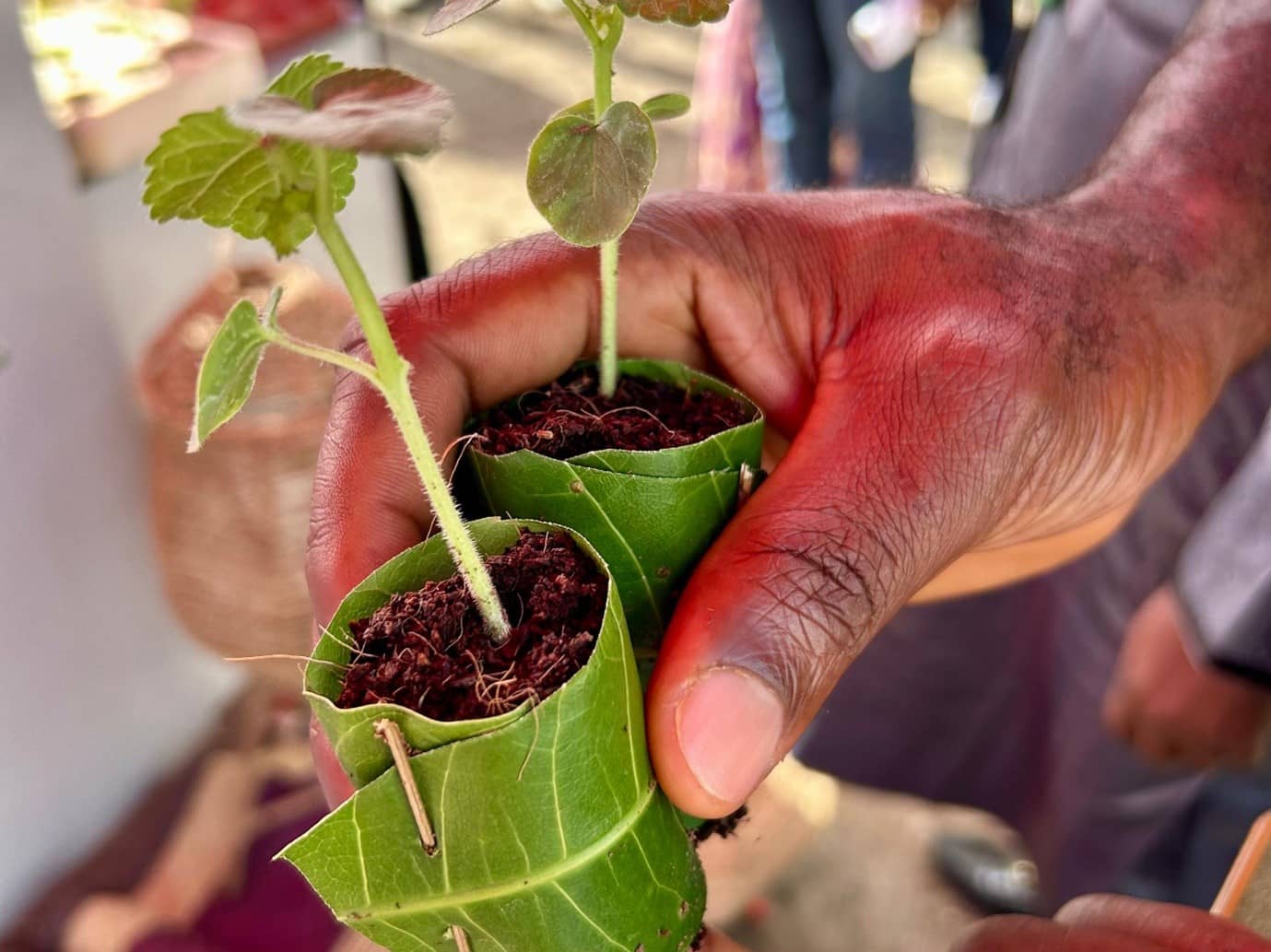
Beeld: Young seedling
Figure 1. Young seedling grown using simple, low-cost nursery techniques
Vegetable production in Ghana has become one of the most dynamic and rapidly expanding subsectors of agriculture, contributing significantly to nutrition, employment, and livelihoods across communities. Yet, productivity and profits are held back by gaps in the seed-to-field system. The seedling stage, the crucial bridge between seed and production, is the most fragile link to this chain. Most Ghanaian framers raise their own seedlings under basic conditions, often on bare soil, without sterilized media, and with inadequate irrigation or shading.
Although professional nursery systems can boost field establishments significant, they are still underdeveloped in Ghana. This is largely due to limited technical know-how, poor access to quality inputs, high start-up costs, and lack of supportive policies and financing options.
“When you buy healthy seedlings, you are sure all of them will grow; the ones we raise ourselves die a lot because of disease or heat” - Farmer Group
Ghana Seedling Industry
Ghana’s seedling industry is vibrant but highly fragmented, dominated by informal producers who often lack access to finance, quality inputs, and certification. Across all regions, more than eighty percent of farmers still raise their own seedlings. Only a small share purchase seedlings from professional or semi-professional nurseries. Farmers widely recognize the benefits of high-quality seedlings, yet issues such as cost, trust, and inconsistent supply continue to slow adoption. These dynamics, captured in the SWOT analysis (see figure 2), highlight both the structural weaknesses and the emerging opportunities with in the system.
At the same time, Ghana’s seedling sector holds significant untapped potential for commercialization. Many farmers are willing to pay for professionally raised seedlings, with estimates ranging between GHS 0.80 and 1.00 per seedling, and even higher among commercial growers in the middle belt and southern regions. Demand also varies by region and crop type, and remains highly seasonal, peaking during the major planting windows of March to June and September to November.
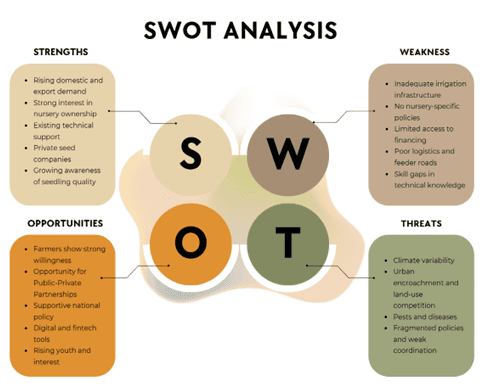
Beeld: SWOT Analysis
Figure 2. SWOT Analysis (West Africa Horticulture Innovation Hub, 2025)
Conclusion
Ghana’s horticultural seedling sector is characterized by strong market potential, increasing farmer interest , and growing engagement from public and private actors. Unlocking this potential, however, will require a deliberate shift from largely informal practices to more structured, professional enterprises. This transition depends on targeted investments in irrigation infrastructure, skills training, accessible financing, and supportive policy frameworks.
To drive this transformation, the creation of a national nursery accreditation system to ensure quality and build farmer confidence is recommended. It also proposes establishing regional demonstration hubs through public–private partnerships, along with blended finance and insurance products tailored to the needs of nursery investors. Additional priorities include capacity-building programs for extension officers, cooperatives, and women-led groups, as well as systems to integrate digital finance and traceability tools across the value chain.
“We work with outgrowers- we provide their seedlings, and at the end of the day we gain and they also gain." Private Sector Respondent
Looking forward
In the short term, the study recommends establishing pilot nurseries in three high-potential regions (Bono East, Volta, and Greater Accra) supported by targeted training and business coaching initiatives. As outlined in the sector’s SWOT analysis, these pilots will help address immediate capacity gaps while demonstrating the commercial viability of professional seedling enterprises.
Within the medium term, public–private partnership (PPP) nurseries can be scaled across major production zones through blended financing mechanisms and a clear certification framework that ensures quality and builds farmer confidence. Over the longer horizon, institutionalizing a National Seedling Business Framework under the Ministry of Food and Agriculture is proposed to harmonize policy, coordinate investments, and uphold national quality standards.
Taken together, these strategic steps position Ghana to unlock a more competitive, resilient, and inclusive horticultural seedling industry capable of driving higher productivity and delivering shared prosperity across the value chain.
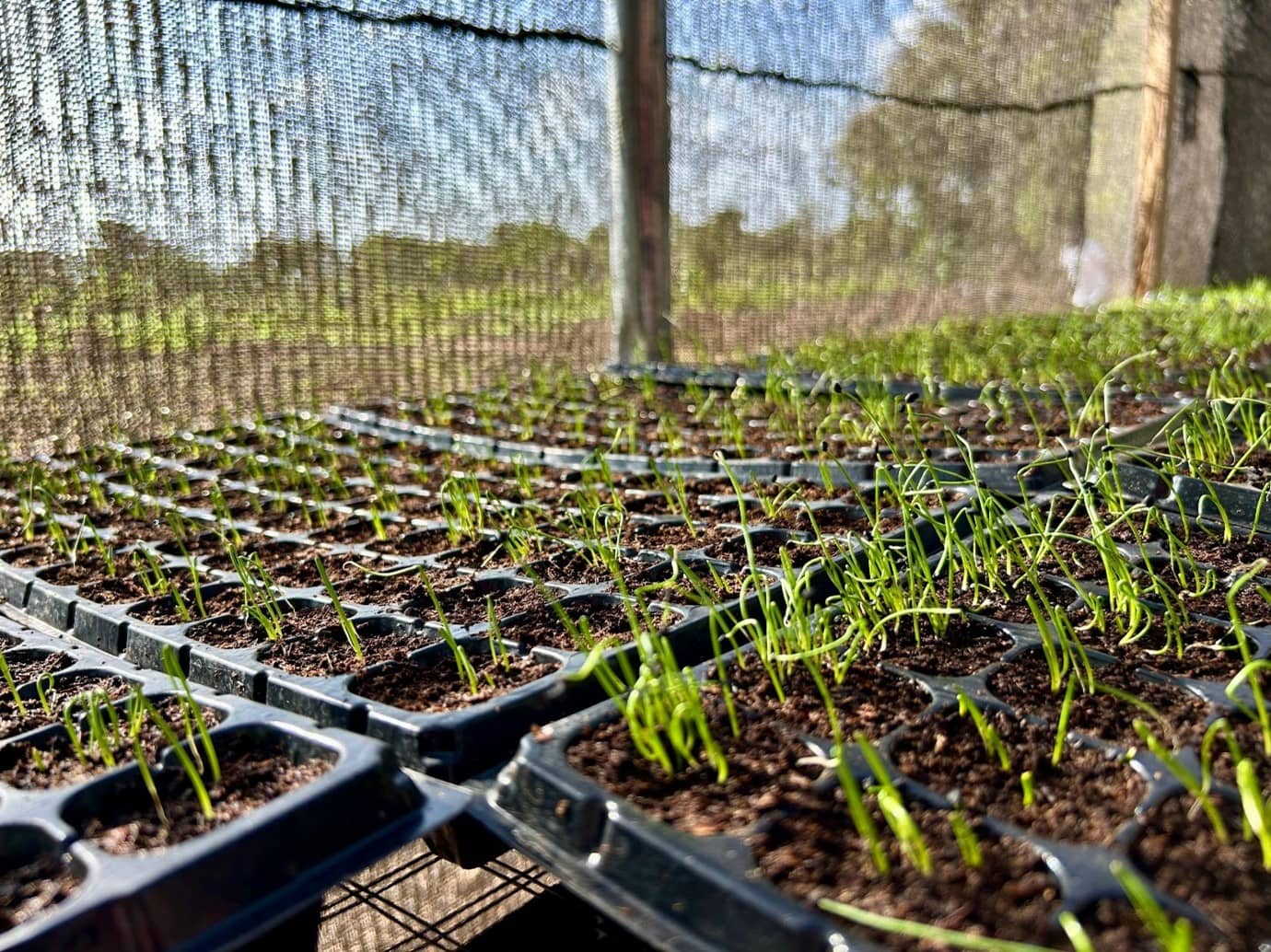
Figure 3. Seedling production to support variety testing under the Ghana Seed Partnership
Read the full report or powerpoint presentation summarizing the study conducted by the West Africa Horticulture Innovation Hub at the University of Ghana. This study was funded by the Dutch Ministry of Agriculture, Fisheries, Food Security and Nature and carried out with support from the Embassy of the Kingdom of the Netherlands in Ghana and Ghana Seed Partnership.
For more information about this sector or any other agricultural questions feel free to contact us via acc-lvvn@minbuza.nl.