
From 18 to 20 November 2025, Chile hosted the Agricultural Sustainability Days, a three-day programme organised by the OECD and FAO in cooperation with the government of Chile , and with the support of the Government of the Netherlands and the European Union. The event accompanied the OECD-FAO Advisory Group meeting on Responsible Agricultural Supply Chains focused this year on risk mapping, due diligence, and sustainability in agri-food value chains. From 18 to 20 November 2025, Chile hosted the Agricultural Sustainability Days, a three-day programme organised by the OECD and FAO in cooperation with the government of Chile , and with the support of the Government of the Netherlands and the European Union. The event accompanied the OECD-FAO Advisory Group meeting on Responsible Agricultural Supply Chains focused this year on risk mapping, due diligence, and sustainability in agri-food value chains.
Beeld: © LAN Cono Sur
Aconcagua Valley: showcasing Dutch–Chilean cooperation
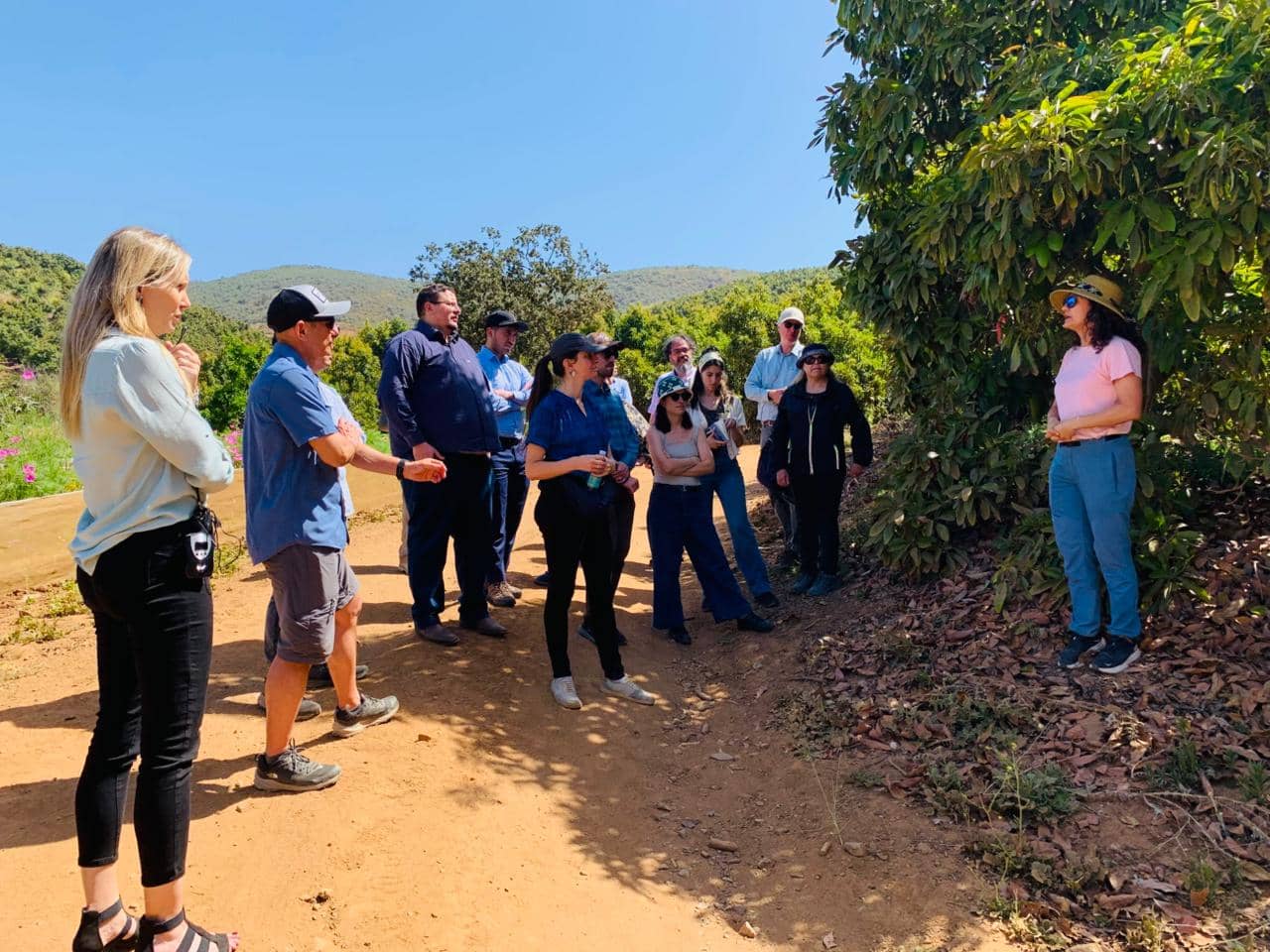
The programme opened with a field visit to the Aconcagua Valley, where participants observed how sustainability and Responsible Business Conduct (RBC) practices are applied in avocado production. The visit featured Agrícola La Quebrada del Ají, a family-owned enterprise with 30 years of development, 480 hectares, and 45% of its land under conservation. The farm presented its integrated sustainability approach, certifications (GlobalG.A.P., GRASP, LEAF, Rainforest Alliance), water management system, biodiversity protection and community engagement efforts.
The visit also highlighted the work of the Aconcagua Network, a network of local avocado producers who come together to share best practices on sustainability and Responsible Business Conduct (RBC), while also collaborating with international value chains to promote sustainable watershed management. This initiative forms a public–private alliance supported by the Netherlands through the Partners for Water programme under the Netherlands International Water Ambition (NIWA). It supports sustainable production in Chile, in harmony with nature and with respect for the water balance, ensuring that production can continue into the future. What makes this project innovative is that supply (producers) and demand (importers and retailers) are directly connected, jointly seeking ways to make the entire value chain more sustainable — right up to the store shelf.
Reception at the Embassy: highlighting the importance of RBC
During an evening reception, Ambassador Elke Merks-Schaapveld and the Agricultural Regional Counselor Lucas du Pré welcomed participants. Together with René Orellana, FAO Subdirector General and Regional Representative for Latin America and the Caribbean, and senior representatives of the OECD and FAO, stressed the importance of Responsible Business Conduct in modern agricultural value chains. Speakers included a representative from IDH – The Sustainable Trade Initiative, who highlighted the growing global relevance of RBC, as well as local Rijk Zwaan and Grupo Hijuelas, who shared their experiences implementing RBC principles in Chile.

Beeld: © LAN Cono Sur
Advancing responsible value chains through OECD–FAO cooperation
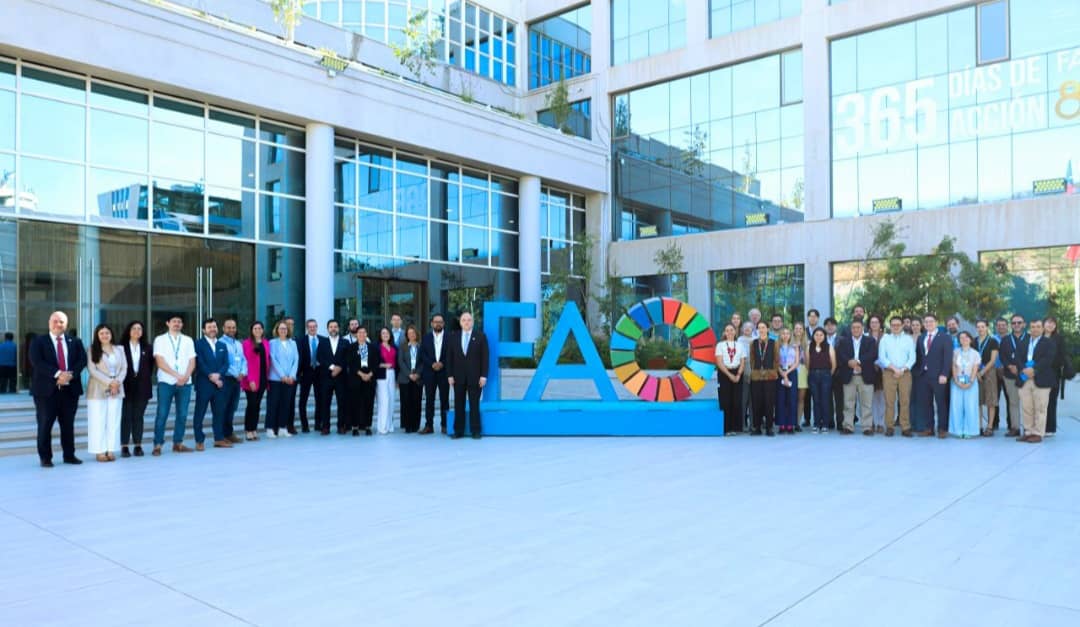
The OECD–FAO Advisory Group met in Santiago to discuss risk mapping, traceability, and the role of due diligence in strengthening responsible agricultural supply chains across Latin America. The meeting brought together government representatives, producer organisations, companies, and international institutions, highlighting shared challenges and opportunities for aligning agricultural sectors with internationally recognised RBC standards.
Afternoon discussions focused on national experiences and regional trends related to due diligence in agriculture. Experts from Chile and other Latin American countries examined how responsible practices can strengthen competitiveness and market access. A second panel brought perspectives from export sectors in Peru, Argentina and Guatemala, underscoring the region’s ongoing efforts to meet evolving sustainability and due diligence expectations.
Finally, the OECD presented the new Due Diligence Checker for the Agricultural Sector, an online tool available in English and Spanish that helps companies assess how their current practices reflect international due diligence standards. The Checker forms part of the OECD’s global effort to support business readiness for emerging due-diligence expectations.
Beeld: © FAO LinkedIn
Looking ahead: supporting practical impact in 2026
The Agricultural Sustainability Days highlighted a shared commitment to sustainability and Responsible Business Conduct that extends well beyond national borders. From Guatemala’s coffee sector to Peru’s export industries, from Argentina’s berry producers to Chile’s own agri-food exporters, stakeholders across Latin America are working to integrate responsible practices that strengthen competitiveness while protecting ecosystems and communities, which forms a strong basis for continued cooperation.
Building on this activities, the Embassy of the Kingdom of the Netherlands will organise a series of RBC workshops in agriculture in 2026, aimed at translating principles into practical actions, continuing to support sustainability efforts in Chilean agricultural value chains, and enhancing cooperation between Dutch and regional partners.
Would you like to know more about the current developments in the domain of agriculture and nature in Chile or contact the agricultural team at the Netherlands Embassy in Santiago de Chile?
You can visit the country page of Chile at the website agroberichtenlandbuitenland.nl You can also send an email to STG-lnv@minbuza.nl