
Central Asia countries are stepping up innovation in food safety, agriculture and technology. Kazakhstan is expanding seafood exports, Uzbekistan is turning to satellites and AI to improve environmental and land monitoring and Kyrgyzstan is modernizing its food testing systems and aligns veterinary standards to meet global benchmarks.

Illustrative
Kazakhstan’s fish finds global buyers
Netherlands, Georgia, and Denmark remain key customers for Kazakh fish. Between January and July 2025, Kazakhstan exported 10.3 thousand tons of seafood worth 28.9 million euro, down 16% from last year, while domestic output grew 20%.
Frozen carp, pike perch and bream led exports (4.5 thousand tons), though sales plunged 23%. Main destinations include China, Georgia and Lithuania.
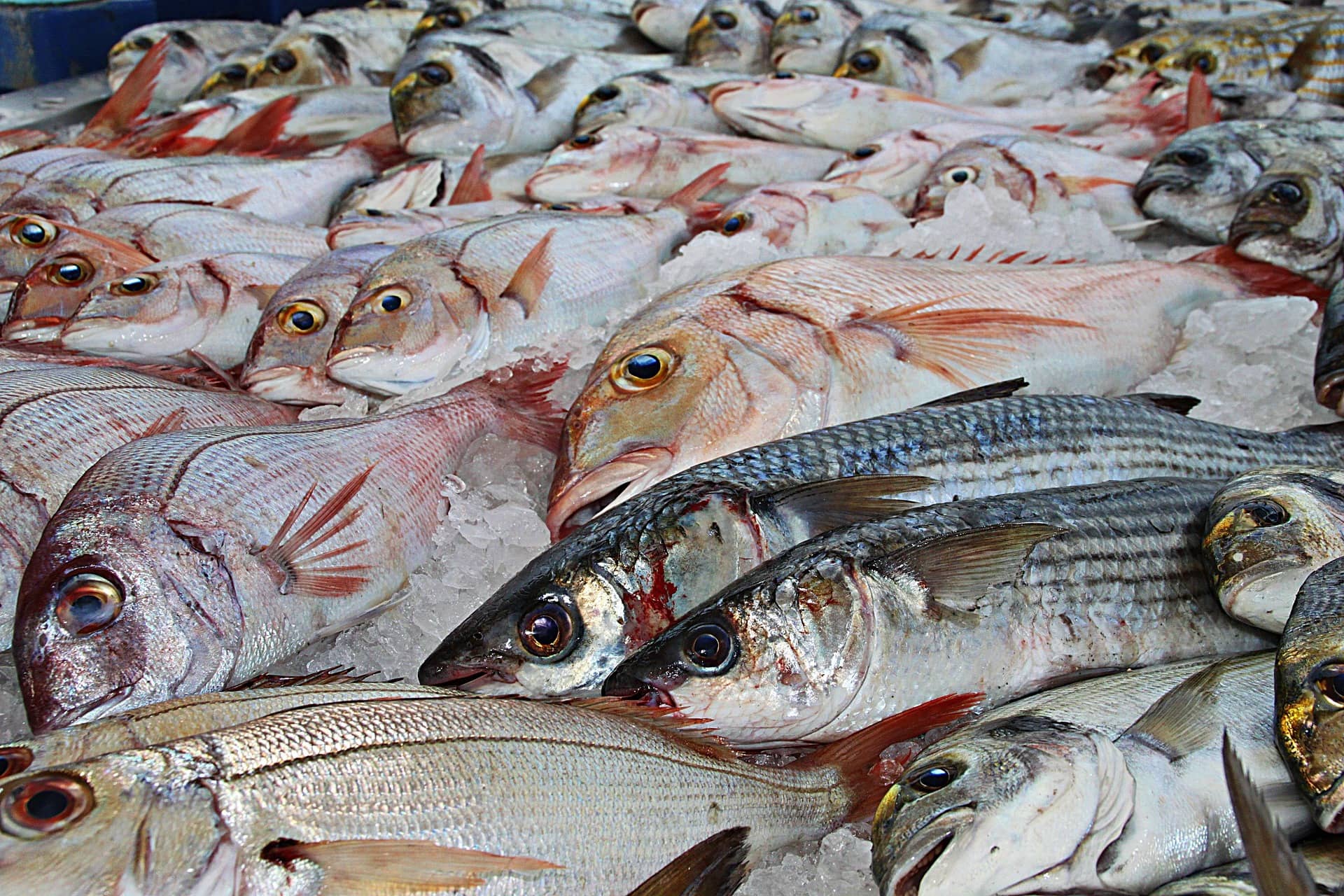
Processed fish exports dropped slightly, but Denmark’s imports rose 1.5 times and Poland’s more than doubled, while the Netherlands cut purchases by half.
Fresh and chilled carp and flounder exports grew 8.3%, driven by Uzbekistan’s soaring demand. Small batches were also sent to the Netherlands.
Imports held steady at 31.1 thousand tons, with more salmon and mackerel arriving from Norway, Chile and the UK.
Uzbekistan expands space monitoring to fight illegal activities
Uzbekistan will use satellite data to detect illegal activities, including illegal logging.
Starting in 2026, Uzbekcosmos will run nationwide space monitoring three times a year, integrating results into the SGM digital platform.
UZ flag
AI tools will help spot methane leaks, unauthorized logging and infrastructure damage, improving environmental and land management.
President Shavkat Mirziyoyev ordered the use of space monitoring to identify unused land plots for economic development.
By 2025, all district centers will be fully mapped to bring idle land back into use and improve transparency in land management.
Kyrgyzstan to strengthen food safety testing
Kyrgyzstan plans to launch a national system to test food products for pesticides and chemicals - a major step toward improving consumer safety.
Currently, products are tested for only 24 of 500 international parameters.
KG flag
The Ministry of Agriculture aims to adopt European-style standards and introduce simplified quality certification for farmers and markets.
There is currently an issue with a fragmented laboratory network and the lack of a clear system for testing imported products for GMOs.
Twelve Kyrgyz veterinary labs earn international accreditation
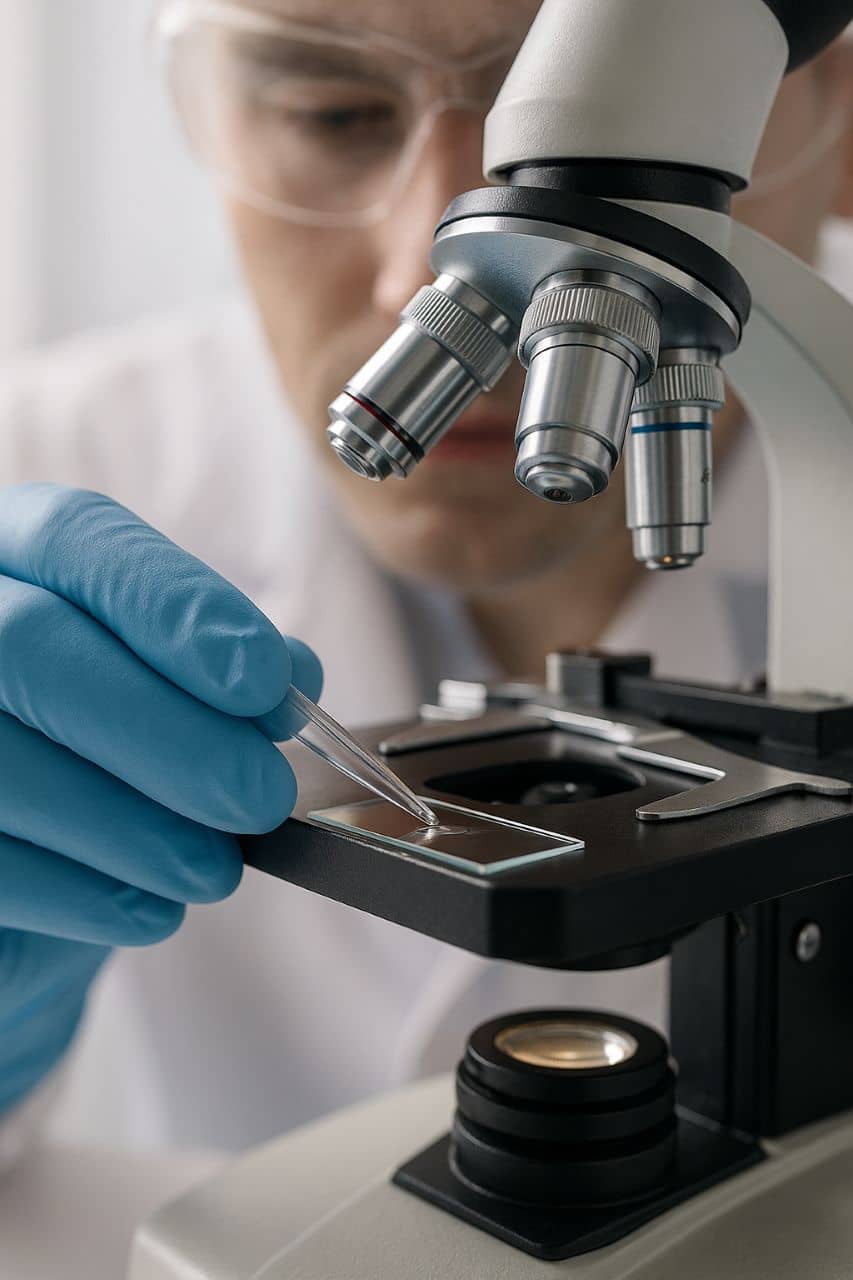
Twelve veterinary laboratories in Kyrgyzstan have achieved international accreditation for compliance with international standards and have already begun full-scale operations.
The labs are capable of diagnosing more than 30 major animal diseases such as rabies, avian influenza, classical and African swine fever, Newcastle disease and other dangerous infections.
Procedure for importing seeds into Kyrgyzstan to be simplified
Kyrgyzstan plans to cut red tape for seed imports by recognizing ISTA certificates, used by leading global suppliers.
This will speed up customs clearance, reduce delays and help farmers access quality planting material on time.
The simplified system supports better harvests and improved food security.
LVVN team Astana will bring you more updates and developments from this significant region in the next edition!
Sources: lsm.kz, kun.uz, 24.kg, Agroexport