
Central Asia sits at the crossroads between Europe and Asia, offering natural access to expanding markets. The geography especially high-altitude regions like Chui, Naryn, Issyk‑Kul and Osh valleys of Kyrgyzstan provides a cool continental climate with minimal virus pressure, ideal for high-quality seed potato production. The region has a strong agricultural legacy: over the past decades, smallholder farms have quadrupled yields from around 17 tons per hectare to 40 tons per hectare thanks to improved varieties and crop practices.
Beeld: © AST-LVVN
Agricultural Counsellor of the Netherlands to Kyrgyz Republic Arie Veldhuizen
Logistical challenges in the region, largely driven by the war in Ukraine, have complicated seed potato transport. Meanwhile, demand for Dutch seed potatoes in Central Asia is rising steadily. This mix of growing demand and transport complexity is prompting companies to look for creative, locally based solutions that maintain quality while ensuring market. These factors together make local production not just practical, but strategic.
Innovation and collaboration take root in Kyrgyzstan
Yet in Kyrgyzstan, an innovative approach is changing the landscape. In July 2025, a Seed Potato Field Day in Naryn region of Kyrgyzstan showcased the power of local seed production. As part of the EU/KfW‑funded Value Chain Agro Finance project, the event brought together the Kyrgyz Ministry of Agriculture, regional authorities, Dutch agronomic expertise and seed potato of Netherlands company HZPC, the Netherlands Embassy in Central Asia, international partners, local farmers, and local agro holding Agrolead as project implementor.
Beeld: © AST-LVVN
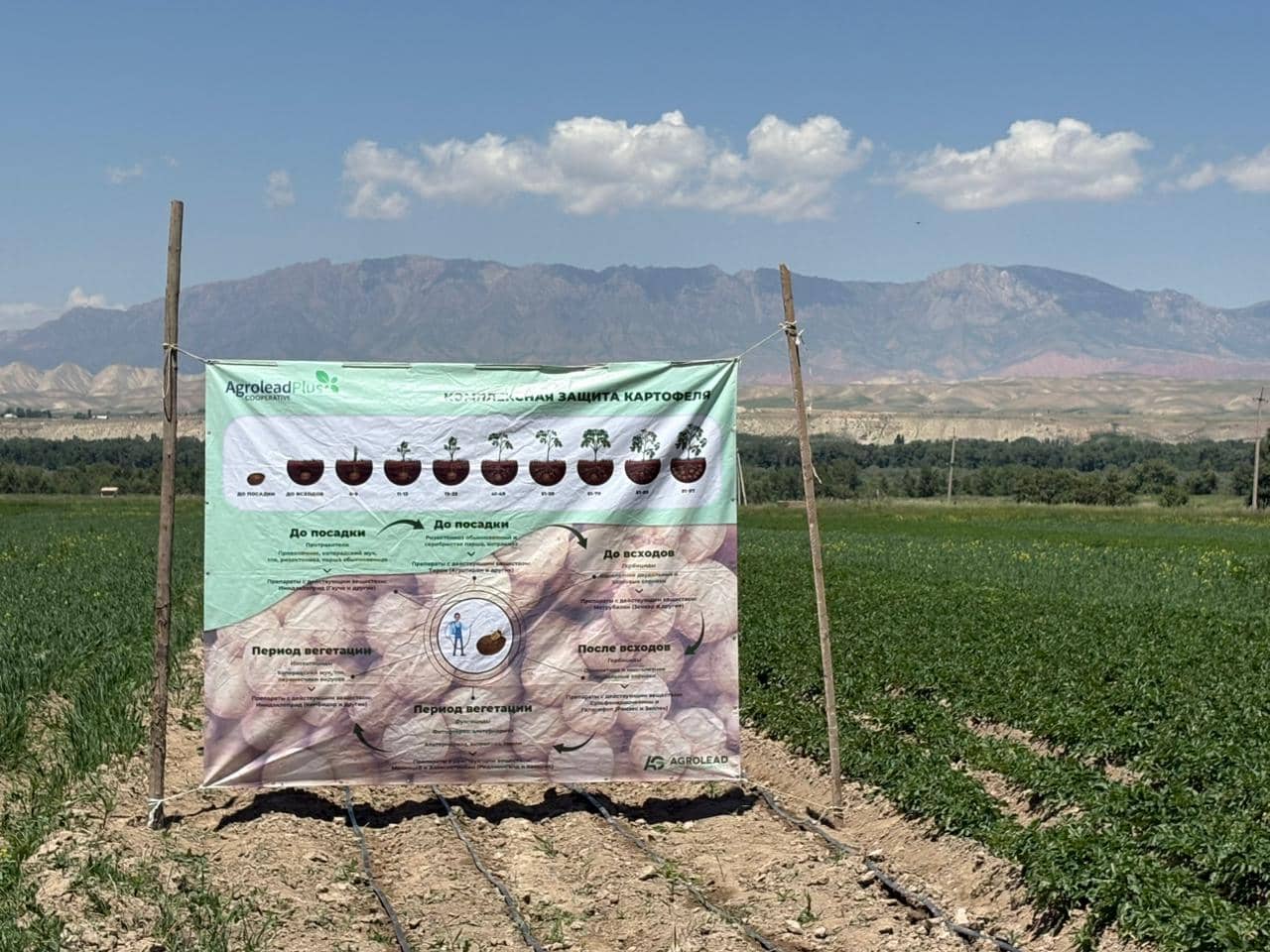
Naryn region in Kyrgyzstan, Seed Potato Field Day arranged by Agrolead
Across 25 hectares at high altitude, the trials include Dutch varieties such as Camelia, Colomba, Sylvana, Perdiz, and Challenger, cultivated under strict protocols: crop rotation, drip irrigation, and nutritional supplementation. For the first time in Kyrgyzstan, an internal quality control system based on the Dutch NAK certification model has been implemented. Dutch agronomists delivered hands on training to local farmers on precise cultivation, plant protection, and productivity optimization.
Beeld: © AST-LVVN
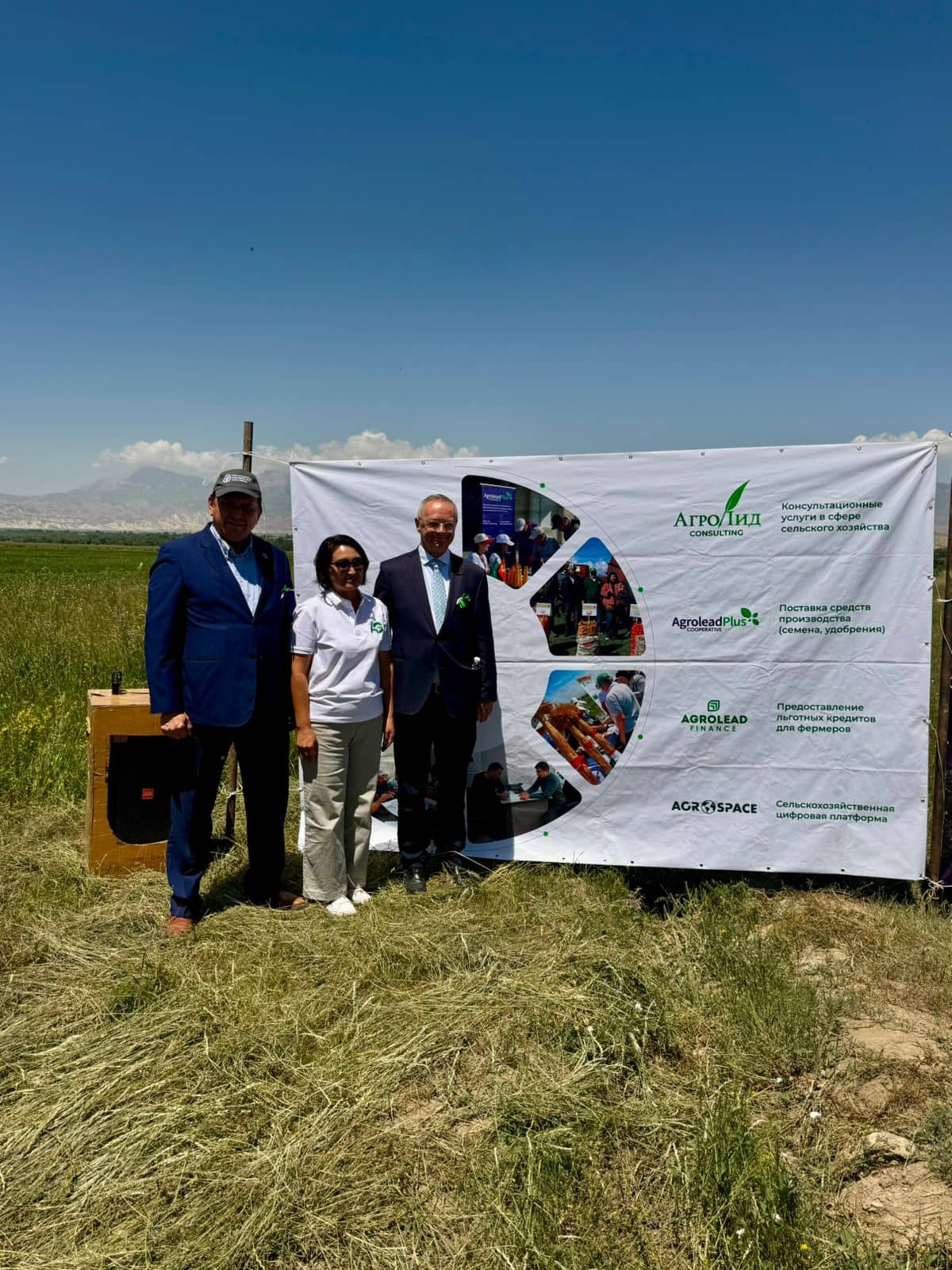
Naryn region in Kyrgyzstan, Seed Potato Field Day arranged by Agrolead with participation of the Dutch Agricultural Counsellor Arie Veldhuizen
The event included expert presentations, technology showcases, and a keynote by Arie Veldhuizen, Agricultural Counsellor at the Netherlands Embassy, emphasizing open dialogue and collaboration among all stakeholders.
Building a resilient seed potato sector for the region
Some of the attending farmers shared remarkable success stories: one grew about 40 tonnes per hectare of “super elite” seed potatoes on just one hectare in the Naryn region, while another in the Osh region harvested 53 tonnes per hectare of the Camelia variety. These results show farmers are moving from growing lots of crops to using high‑quality seeds, which leads to better yields and healthier plants. Plans are now in place to import and multiply super‑super‑elite seed in 2025 for the first time for Kyrgyzstan, marking a new chapter for local seed systems built to international standards.
Beeld: © AST-LVVN
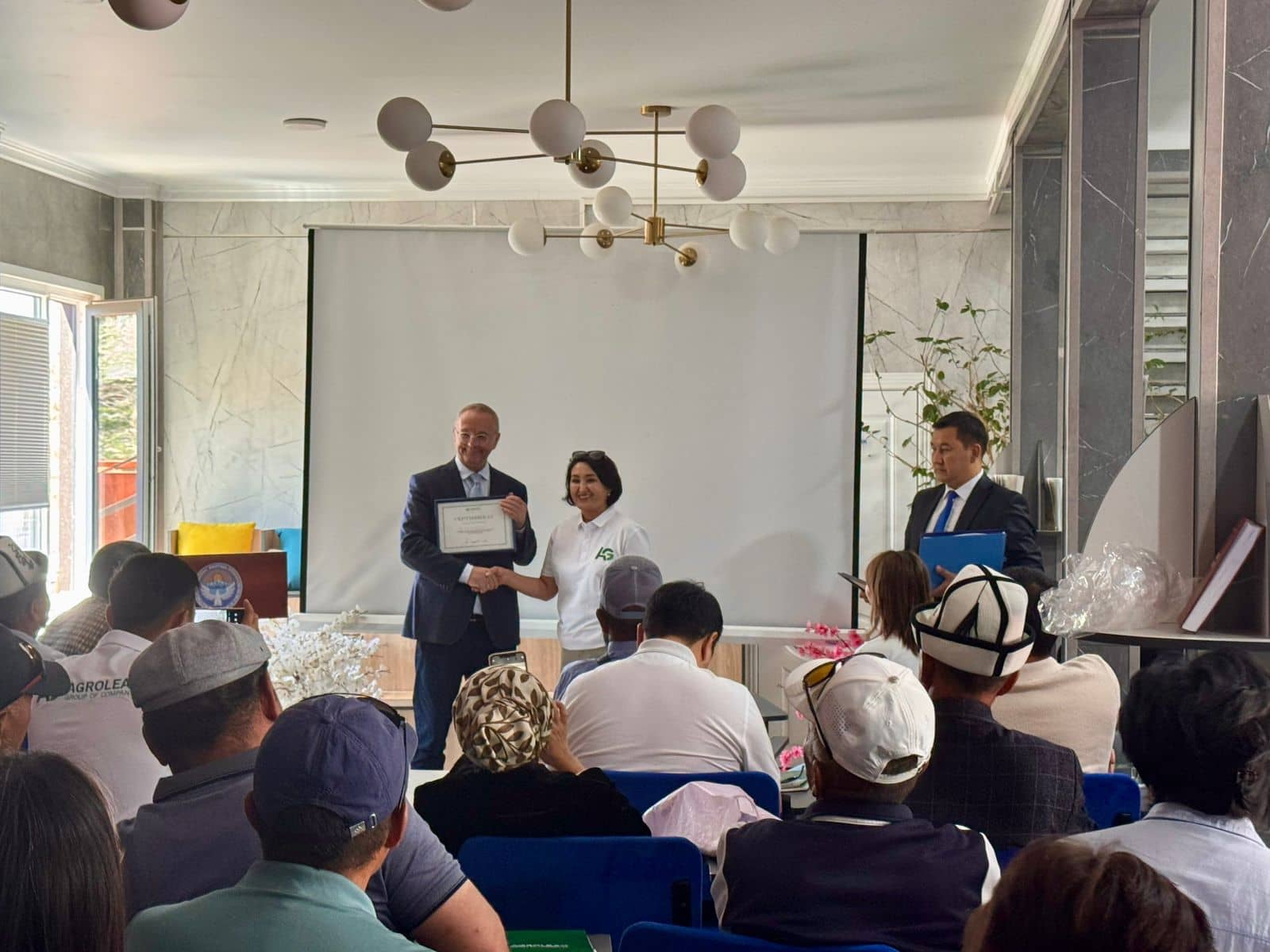
Dutch Agricultural Counsellor to Kyrgyzstan Arie Veldhuizen and General Director of "Agrolead" in Kyrgyzstan Gulnaz Kaseyeva
Kyrgyzstan offers more than beautiful nature and good soil. It offers a solid base for growing a seed potato sector. With domestic production now exceeding 1.25 million tonnes, well above local demand of around 700,000 tonnes, the country is well-positioned to export seed potato to neighboring Kazakhstan and Uzbekistan. Combined with Dutch agronomic practices and certification standards, Kyrgyzstan is uniquely poised to evolve into a regional seed potato leader.
Beeld: © AST-LVVN
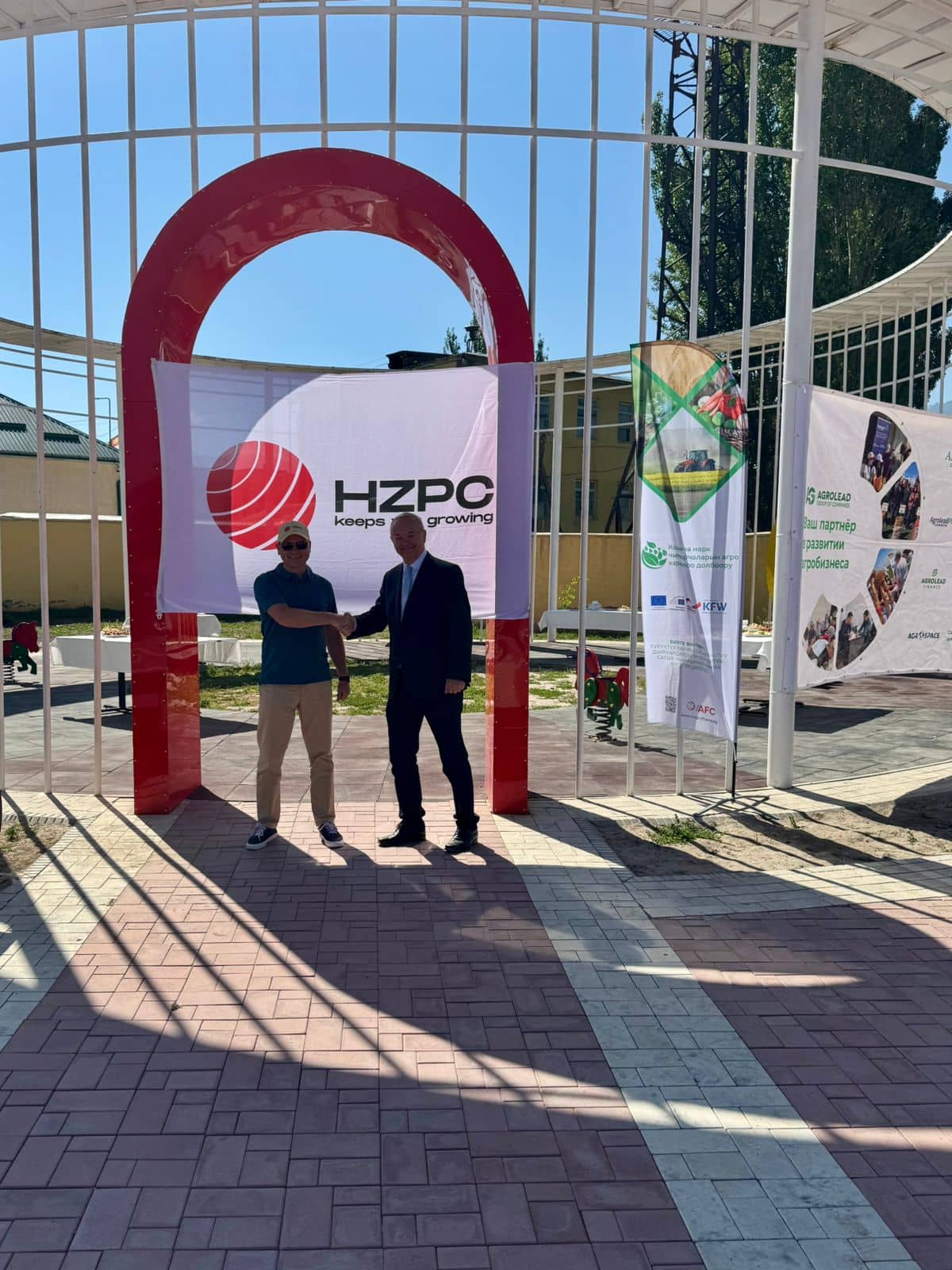
For Dutch policymakers and companies HZPC–Kyrgyz collaboration is an example of transformation of legal and logistical limitations into innovative opportunities. Dutch seed potato expertise when leveraged through local partnerships, quality regimes, training and intellectual property-securing structures creates a lasting presence in Central Asia’s agriculture building resilient seed systems rooted in Dutch innovation.
For more detailed information you can contact the LVVN team in Astana, Kazakhstan on ast-lvvn@minbuza.nl