
Senegal’s poultry sector is poised for a remarkable transformation, fueled by a significant rise in local demand for animal protein. However, this rapid expansion also presents challenges, such as inefficient waste management, heavy reliance on imports, and escalating environmental concerns. To tackle these issues, a study was commissioned by the Dutch government through the Netherlands Enterprise Agency (RVO). In collaboration with Circle Economy and the Netherlands Food Partnership, this study aims to unveil concrete strategies for shifting the poultry sector toward a circular economy—an endeavor ripe for investment.
A gateway to circular solutions
The pressing challenges within Senegal’s poultry sector—resource waste, poor manure management, and import dependency—are not just hurdles; they represent lucrative opportunities for innovative Dutch enterprises. By leveraging their expertise in equipment manufacturing, waste management, animal nutrition, and veterinary services, Dutch companies can find a high-impact market in Senegal.
This partnership promises mutual benefits: Senegal presents a fertile ground for Dutch businesses eager to invest in sustainable solutions. Inspiring examples from the Netherlands include, for instance:
Manure valorization through composting: Firms like CircuWorld and Den Ouden GrowSolutions are leading efforts to convert poultry waste into valuable compost, offering a sustainable alternative to chemical fertilizers.
- Alternative protein development: Companies such as Protix and Marula Protein are trailblazers in utilizing black soldier fly larvae as a cost-effective protein source, reducing feed costs while promoting sustainability.
- Optimizing hatch egg production: Innovators like Inovo and Kiptster are implementing sustainable farming practices, enhancing local production capabilities and market resilience.
- Training and consulting: Dutch universities such as Aeres and Wageningen University and specialized firms have the potential to provide essential support through knowledge transfer and project incubation, bolstering local expertise.
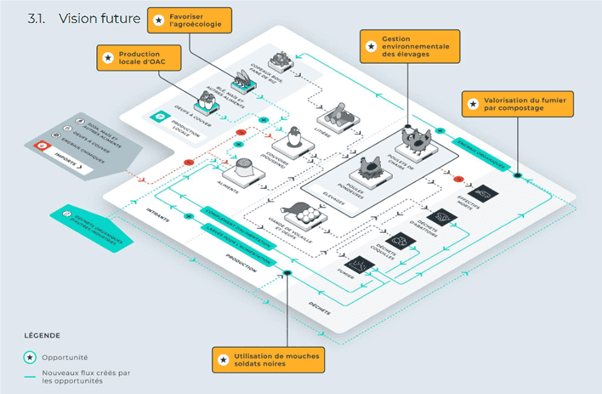
Figure 1: A Vision for a Sustainable and Circular Future for the Poultry Sector and Key Opportunities to Achieve It
High-Impact Business Case: Manure Composting
More than 50% of the waste generated by the poultry sector comes from manure, which is often underutilized. This presents a compelling business opportunity. The study highlights several benefits of composting poultry manure:
- Environmental impact: Composting significantly reduces soil and water pollution and mitigates greenhouse gas emissions, particularly ammonia and methane.
- Economic advantages: It substitutes imported chemical fertilizers, fostering a burgeoning local organic amendment market and reducing costs for farmers.
- Social benefits: This initiative diversifies farmers’ income and generates jobs in manure collection, processing, and compost marketing.
With Senegalese companies already making strides in this area, further investment could amplify these initiatives, yielding substantial returns.
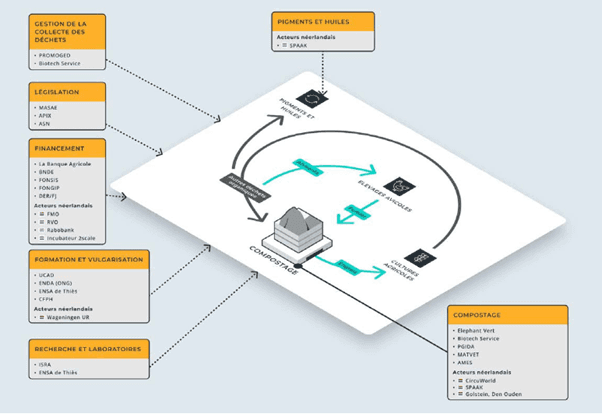
Figure 2 : Future Vision, Cycles, and Key Stakeholders for Poultry Manure Composting
Other innovative approaches for circularity
- Black Soldier Fly Farming:
Black soldier fly larvae offer a dual advantage: they consume organic waste while generating a protein-rich feed alternative for poultry. Their droppings can also be repurposed as fertilizer. Leading companies like Protix and Marula Protein, supported by Dutch initiatives, are pioneering this innovative farming model, creating a sustainable ecosystem that appeals to investors.
- Utilizing Agro-Processing By-Products
Numerous agro-industrial residues—such as broken cashew kernels and mango peels—can be transformed into poultry feed. This strategy not only diminishes reliance on imported feed but also champions agroecological practices that enhance food sovereignty and lower production costs, presenting a compelling case for investment.
Next steps: a collaborative mission
Following this study, a trade mission is planned for Dutch companies specializing in circular solutions. The mission will commence in Ghana and proceed to Côte d’Ivoire, where a delegation of Senegalese businesses will participate. This initiative, scheduled for the third week of September, aims to forge vital connections and open doors for collaboration in the region.
Please stay tuned for more information.
Conclusion: a unified vision for a sustainable future
The insights gained from this study affirm that Senegal’s poultry sector can become a driving force for a circular economy, offering Dutch investors a unique opportunity. Success will depend on targeted investments, tailored training, and innovative partnerships. Dutch stakeholders, in collaboration with local institutions and businesses, can play a pivotal role in developing sustainable solutions that yield substantial returns.
The message is clear: compost, insects, and by-products represent tomorrow’s resources, transforming today’s waste into valuable assets for a sustainable and profitable future in Senegal.
For more information
- Embassy of the Kingdom of Netherland in Dakar : dak-lvvn@minbuza.nl
- Netherlands Food Partnership : info@nlfoodpartnership.com
- Circle Economy: info@circle-economy.com
- Agrospecial published in April 2025 : Looping manure back into production: A promissing route
- Study commissioned by RVO: “Valorisation circulaire de la filière avicole au Sénégal Challenges and Opportunities”