
Nigeria’s potato sector holds immense promise, yet low productivity driven by poor access to quality seed continues to constrain its growth. A recent study supported by the Netherlands Ministry of Agriculture, Fisheries, Food Security and Nature and the Netherlands Enterprise Agency outlines innovative business models to connect (Dutch) seed companies with Nigerian smallholder farmers, unlocking new opportunities for sustainable impact.
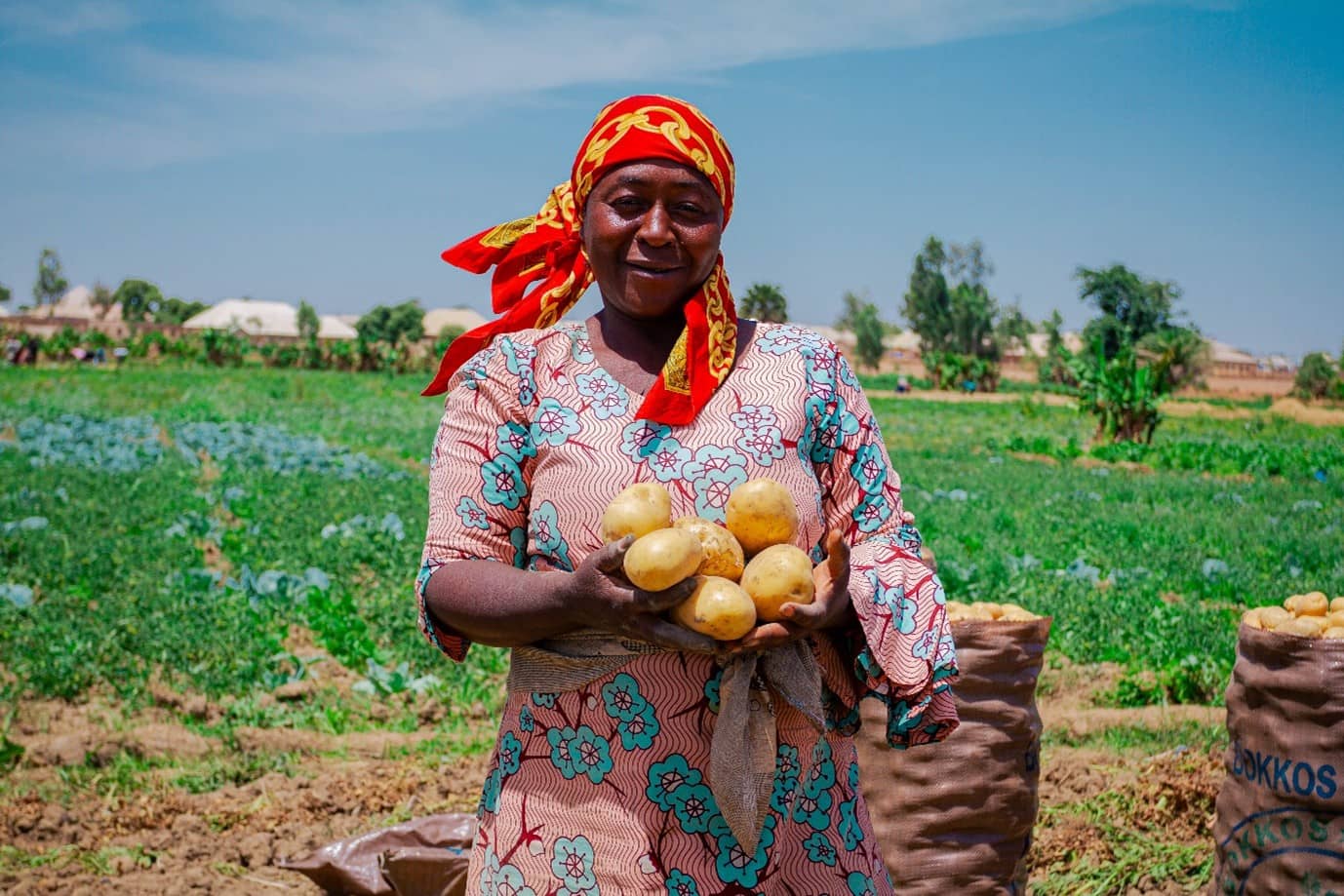
Figure 1. Potato farmer in Plateau State Nigeria (Sepia and Sahel, 2024)
A Sector Ripe for Transformation
With over 300,000 hectares of land under cultivation, Plateau State represents the largest potato-producing zone in West Africa. From the Jos Plateau the entire country is being supplied with potatoes, as well as neighboring countries like Niger, Benin and Togo. The sector is central to local livelihoods and regional food security, yet average yields remain below 7 tonnes per hectare, far from global benchmarks.
Nigeria is a notable producer of potatoes in Africa. The potato was introduced to the country in the 19th century by Christian missionaries. Today, it is predominantly cultivated in the central highlands, especially in Plateau State, which offers an ideal climate for its growth.
At the core of this productivity gap lies a simple but significant barrier: limited access to high-quality seed potatoes, in combination with poor production practices. Most smallholder farmers rely on informal markets, sourcing tubers based on size rather than seed quality. These tubers are not produced by specialized seed growers from certified clean sources, but are selected from harvested stock based on appearance. While varieties like Marabel and Connect - introduced for variety testing in 2017 - are now widely preferred, systemic issues around seed quality, disease management, and knowledge transfer persist.
A Study with a Market Lens
To address this gap, a rapid feasibility study conducted by Sepia Foundation and Sahel Consulting was commissioned to explore viable seed supply models. The objective: to offer (Dutch) seed companies credible pathways to engage with and invest in Nigeria’s potato sector through strategic local partnerships.
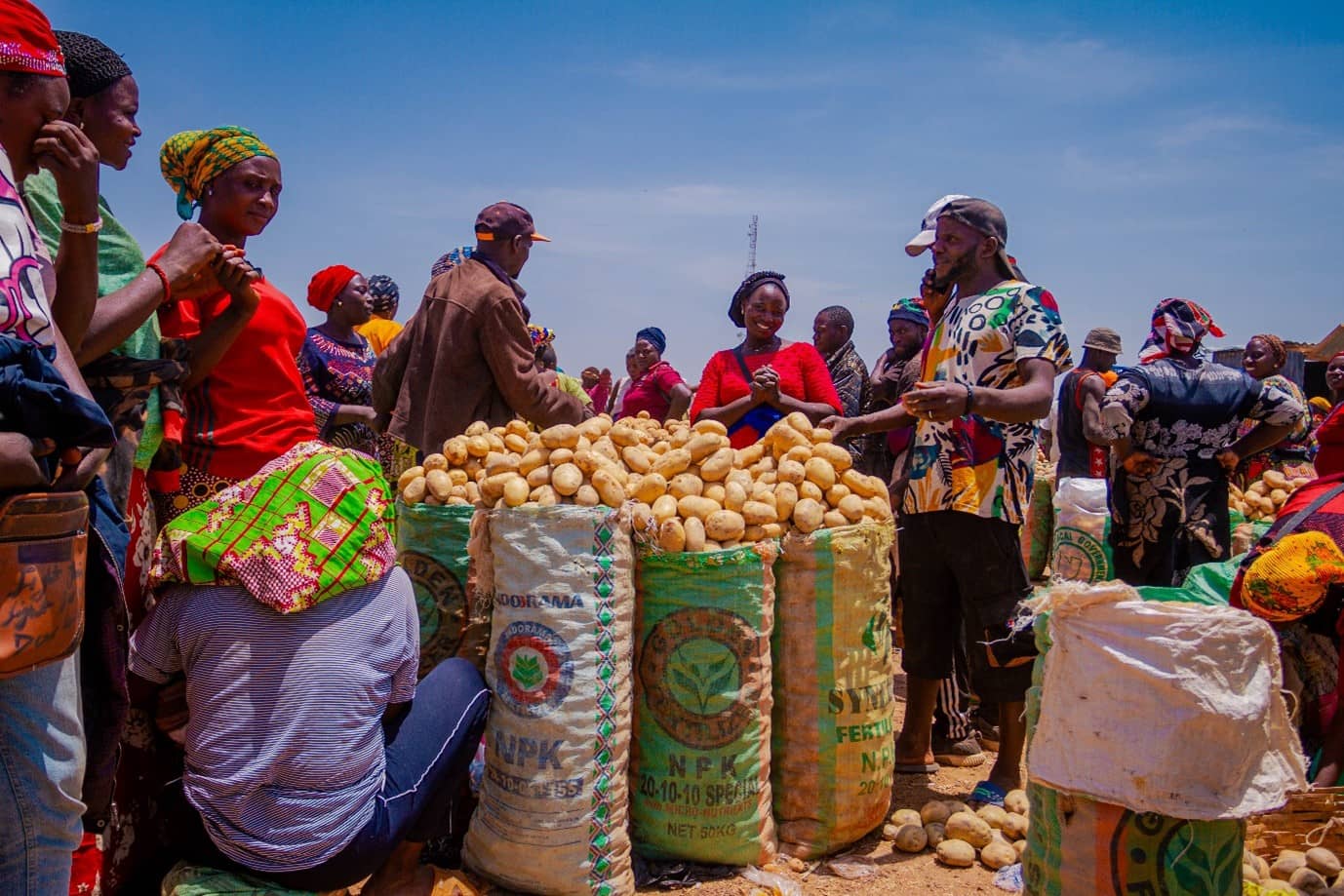
Figure 2. Potato market in Nigeria (Sepia and Sahel, 2024)
Four Pathways to Unlock the Market
The study proposes four distinct, adaptable business models for building a robust seed supply chain in Nigeria:
- Lead Nigerian Enterprise Multiplying Imported Seed
A partnership model where a Nigerian agribusiness imports certified basic seed from Dutch breeders and handles multiplication and distribution. - Decentralized Local Multiplication
Imported basic seed is distributed to smallholder seed producers across Plateau State, integrating informal practices with improved quality control and certification. - Apical Rooted Cuttings (ARCs)
An entirely domestic production system that starts with in-vitro materials and uses screenhouses for rapid multiplication — minimizing import dependence and reducing phytosanitary risks. - True Potato Seed (TPS)
An emerging, lightweight model that leverages hybrid TPS varieties, enabling local multipliers to grow seed tubers from seed. This model offers scalability and flexibility, particularly in remote areas.
Why Dutch Agribusiness Should Take a Closer Look
While regulatory and logistical challenges remain, the Nigerian potato sector is primed for collaboration. The study identifies several enabling conditions for market entry:
- Openness to new varieties: Farmers are already adopting improved types like Marabel and Connect.
- Government support: Food security and seed sector reform are national priorities.
- New enabling frameworks: Nigeria has now introduced seed certification and plant variety protection systems.
- Demand for expertise: There is a clear role for Dutch agribusiness in building farmer training systems, seed quality assurance, and sustainable market linkages.
For (Dutch) companies seeking growth beyond saturated markets, Nigeria offers both commercial opportunity and transformational impact.
From Insight to Implementation
With the roadmap now outlined, the next phase is piloting these models. Dutch and Nigerian partners are encouraged to pilot these business models through co-creation, leveraging technical assistance, public-private facilitation, and targeted investment.
Building a reliable seed potato system in Nigeria won’t happen overnight, but the foundation is now in place. With the right approach and collaborative spirit, Dutch expertise can play a key role in unlocking Nigeria’s full potato potential one seed at a time.
Follow this link to read the full report and a summary presentation here.
Contact
The agricultural team together with the colleagues in The Hague will continue to work on the development of the potato sector in Nigeria. Send us an email via lag-lvvn@minbuza.nl, if you want to know more.