
Stay updated on the latest agricultural news in Japan, that we publish every month.
by Yuki Sano
Hormuz crisis impact on Japan’s food supply
Japanese snack maker Yamayoshi Seika has suspended production of several products, including its popular Wasabeef (Wasabi (Japanese Horseradish) & Beef flavor) potato chips, due to fuel shortages linked to disruptions in the Strait of Hormuz. Factory operations have halted, limiting supply to existing inventories and highlighting the broader impact of global energy shocks on Japan’s consumer goods sector.
Source: Hormuz crisis takes a bite out of Japan’s potato chips supply
Current food technology trends in Japan
Tokyo-based PLANTX has developed a fully enclosed “vegetable factory” that standardizes crop production by controlling environmental factors, enabling year-round, uniform yields up to five times higher than normal. While currently mainly cost-effective for lettuce, the technology offers potential for stable production under climate change and supply constraints.
Source: A company in Tokyo develops fully enclosed vegetable factory
The Japanese agricultural minister hosted a Tokyo event to promote Japan’s food technologies such as plant factories, land-based aquaculture, and alternative meat, attended by representatives from around 60 countries. The strategy of Prime Minister Sanae Takaichi aims to establish food technology as a key growth sector for investment.
The future of food and farming in Japan
The former chief of the Government Pension Investment Fund (GPIF), one of the world’s biggest pension funds, Masataka Miyazono, has moved on to an advisory function on agricultural investments with realtor Hulic, targeting productivity and succession challenges. With Japan’s farming workforce shrinking and aging, the firm plans ¥700 billion in investments, viewing agriculture as a long-term, sustainability-driven growth opportunity.
Source: Former chief of $2 trillion pension fund joins developer growing tomatoes
A 2026 Gurunavi survey found many Japanese expect seafood like eel, whale, and tuna to become scarce or luxury items within 100 years. Most foresee widespread adoption of seafood substitutes, cultured meat, and functional foods, while human-prepared dining may become a premium item as automated service increases.
Source: The Future of Food? Alternative Seafood, Cultured Meat, and Serving Robots
Ajinomoto will launch its frozen bento brand “Aete,” (intentionally in Japanese) as an on-site corporate meal service from May 1, installing freezers in offices without cafeterias. Employees can purchase meals anytime, marking the company’s expansion from household subscriptions into workplace food services.
Source: Ajinomoto Enters the “On-Site Cafeteria” Market, Offering Nutritionally Balanced Frozen Meals
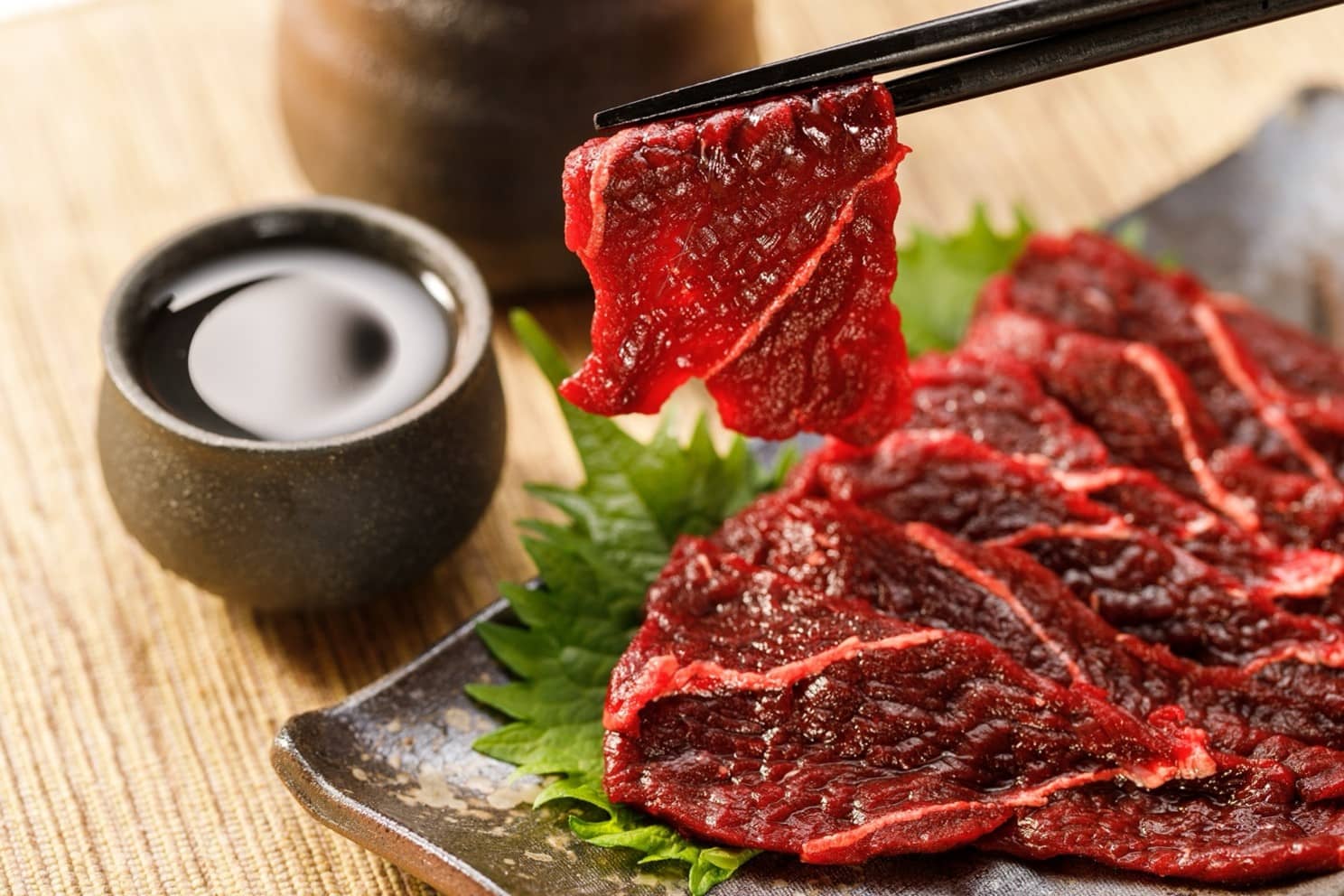
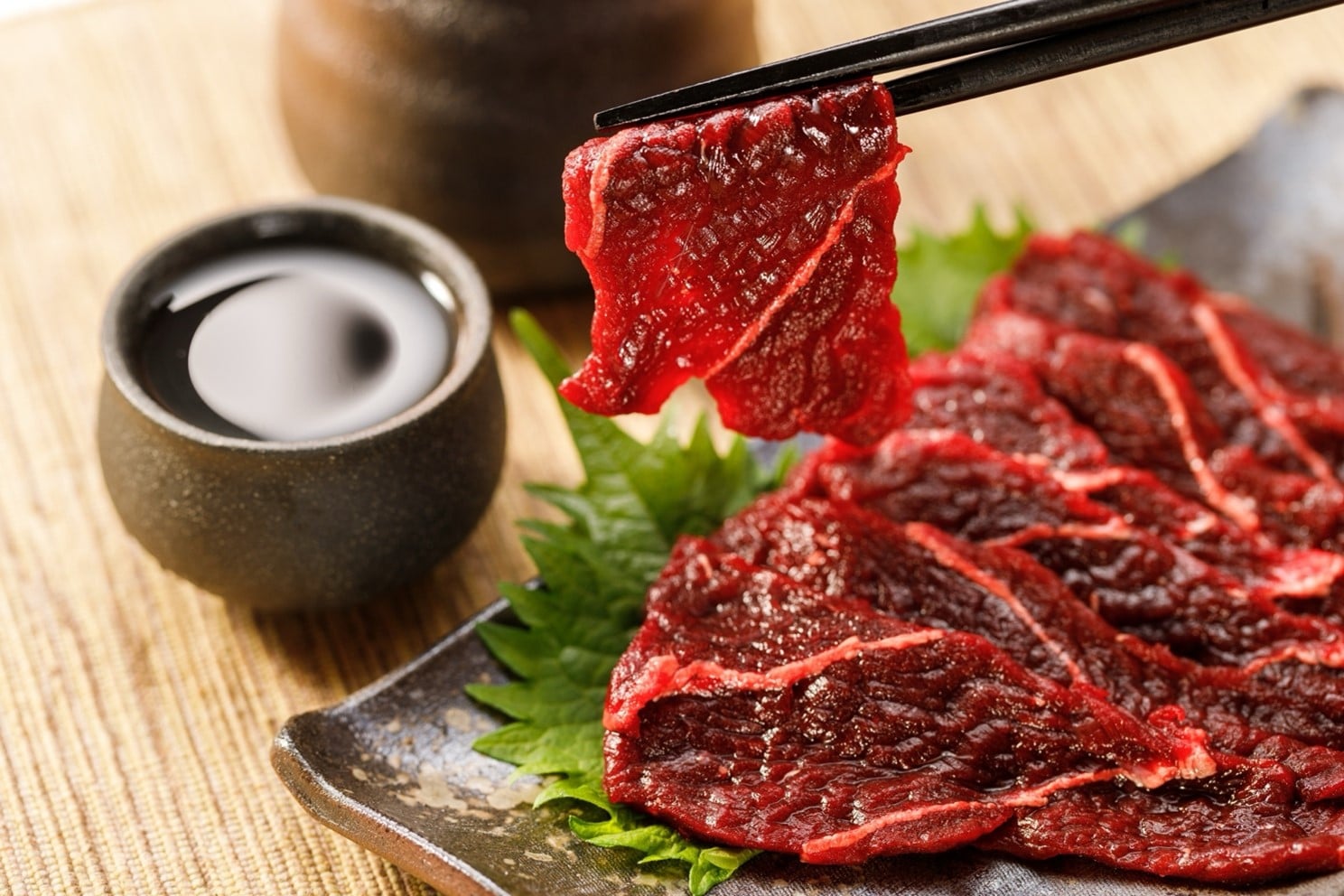
Photo: Whale sashimi (thinly sliced raw whale meat)