
Stay updated on the latest agricultural news in Japan, that we publish every month.
by Yuki Sano
JP food industry is looking at global markets for its PB business
House Foods Group has canceled plans for a new tofu factory in Kentucky due to weak U.S. demand and declining profitability amid inflation-driven cost-consciousness. The company will record a ¥6.9 billion impairment loss and lowered its earnings forecast, reflecting ongoing challenges in its plant-based food business.
Source: Japan's House Foods scraps construction plans for US tofu plant
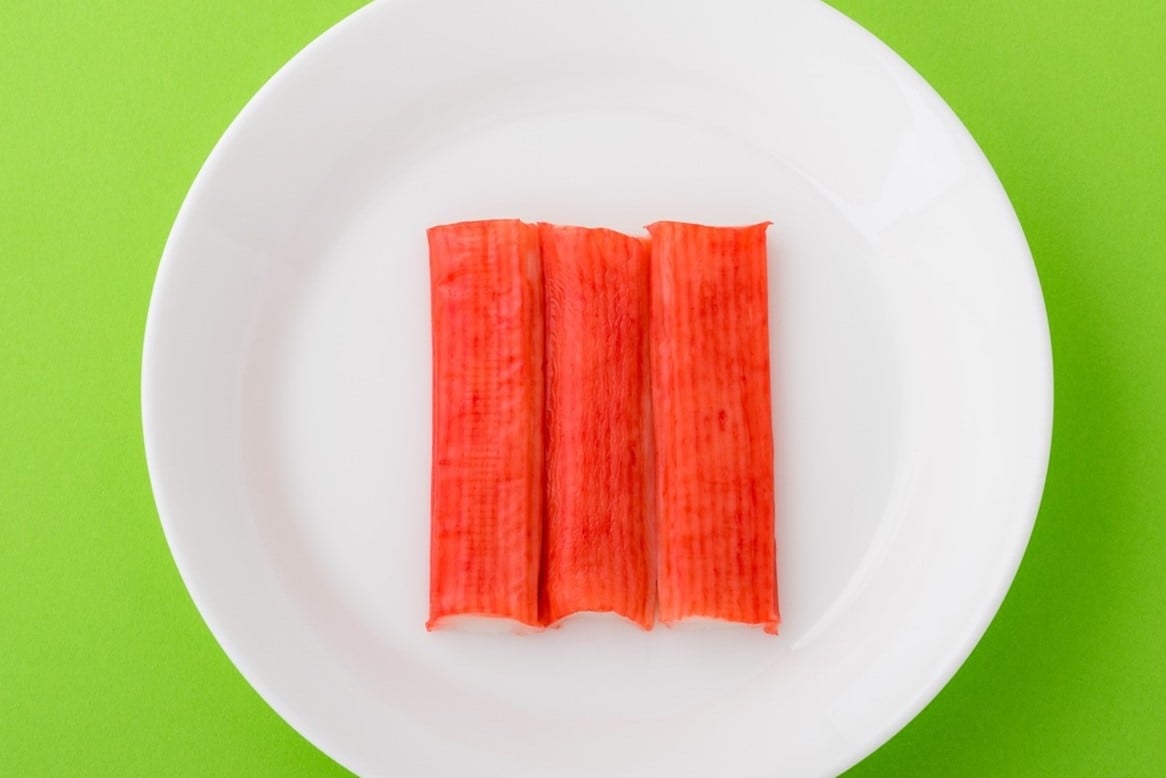
Maruha Nichiro will expand U.S. production of imitation crab sticks (kanikama in Japanese) by about 25% in 2026 versus 2019, following capacity upgrades at its Washington State plant. Targeting health-conscious consumers, the company aims to meet rising demand for surimi, with output reaching 16,500 tons and further expansion under consideration.
Source: Japan seafood giant to boost US imitation crabmeat output by 25%
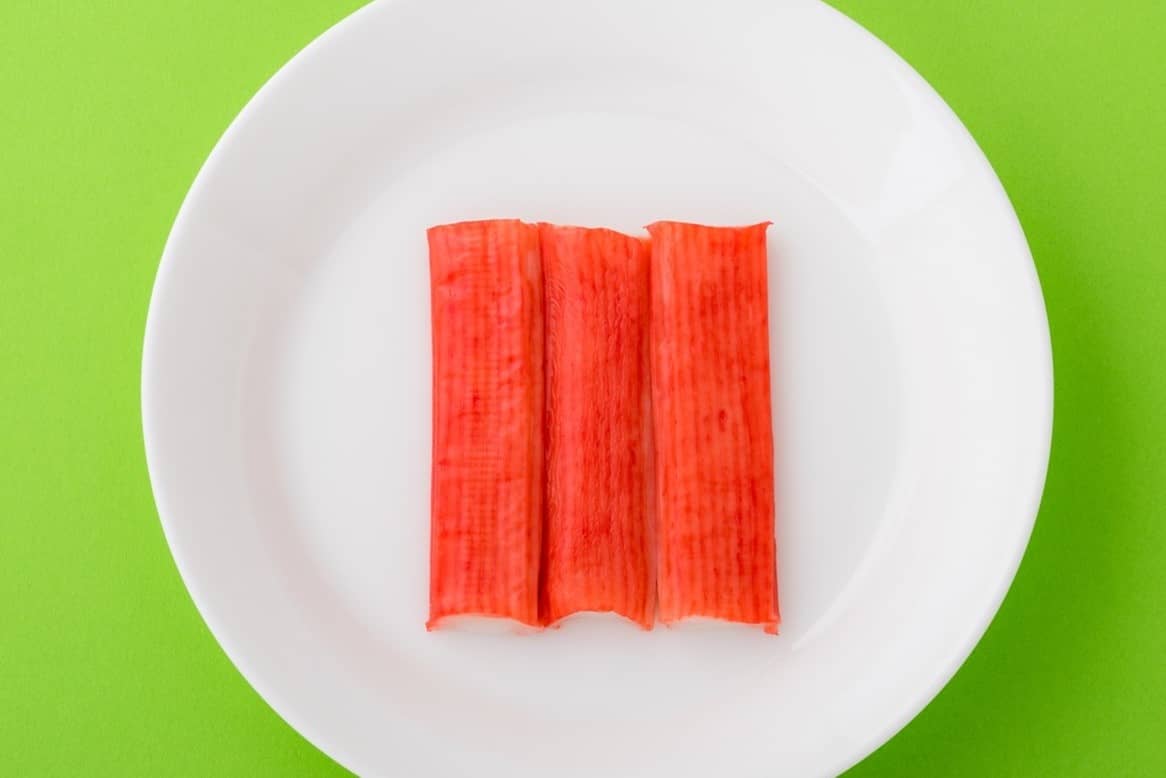
Photo: Imitation crab sticks "kanikama"
Trends in Agricultural Machinery
Japan’s agriculture ministry plans to raise caps on subsidized low-interest loans — up to 10-fold — to support smart farming investment and expansion into large-scale production and processing. Loan limits could reach ¥200 million for individuals and ¥700 million for corporations, with interest subsidized for up to 20 years.
Source: Japan to Raise Smart Farming Loan Caps 10-Fold
Kubota has reorganized its machinery business and appointed CEO Shingo Hanada to accelerate global expansion. The new structure separates key divisions and streamlines decision-making, reflecting rising overseas sales, now about 80% of the company’s total. The company also aims to recruit more non-Japanese executives to strengthen global operations.
Source: Japan's Kubota shakes up farm, construction machinery teams under new boss
Continued inflation in Japan
Japan’s Engel coefficient rose to 28.6% in 2025, a 44-year high, as food spending increased faster than overall expenditures. Despite higher nominal spending, real food consumption fell, indicating thriftier behavior. Persistent inflation, a weak yen, and declining real wages continue to strain household budgets.
Source: Japan's ratio of household spending on food hits 44-year high