
The Pest Control Products Board (PCPB) and Integrated Biopesticides Manufacturers of Kenya (IBMA), with support from the Embassy of the Kingdom of the Netherlands, organised a sensitization workshop, which brought together Kenyan regulators, industry players, and spray service providers to promote biopesticides. The Netherlands reaffirmed its commitment to sustainable agriculture by helping stakeholders understand biopesticide regulations, aiming to boost food safety, meet export standards, and drive eco-friendly pest management in Kenya.

Adopting Biopesticides to grow a sustainable agricultural sector in Kenya
Download
Reuben Wanyama, a farm manager at , inspects rows of avocado trees in Kibagenge village - Trans Nzoia County. His journey managing this 10-acre orchard began two years ago when the farm was set up. From the onset, they wanted a sustainable approach to pest management. Instead of relying on conventional pesticides, they chose biopesticides—a decision that has proven to be both environmentally and economically beneficial.
“We wanted to avoid the health risks and environmental damage associated with synthetic pesticides. Biopesticides offered a natural and effective solution, and the results speak for themselves. Our trees are thriving; we are also making money from desmodium that doubles as feed for livestock and also a push-pull solution to managing pests on our farm.” - Reuben Wanyama, a farm manager at Kibagenge village, Trans Nzoia County
Kenya’s history with pesticides is complex. For decades, conventional pesticides have been the go-to solution for farmers looking to protect their crops and maximize yields. The push for higher agricultural productivity, especially for export markets, drove the widespread adoption of synthetic chemicals. However, this approach came with significant downsides. Pesticide resistance, environmental degradation, and health risks have become pressing concerns, forcing farmers and policymakers to explore more sustainable alternatives.
The shift toward integrated pest management (IPM) has gained momentum in recent years. IPM combines biological, cultural, and chemical tools to manage pests sustainably. Biopesticides, derived from natural sources such as plants, bacteria, and fungi, are central to this approach. Unlike conventional pesticides, they target specific pests, reducing the risk of harming beneficial organisms and the environment.
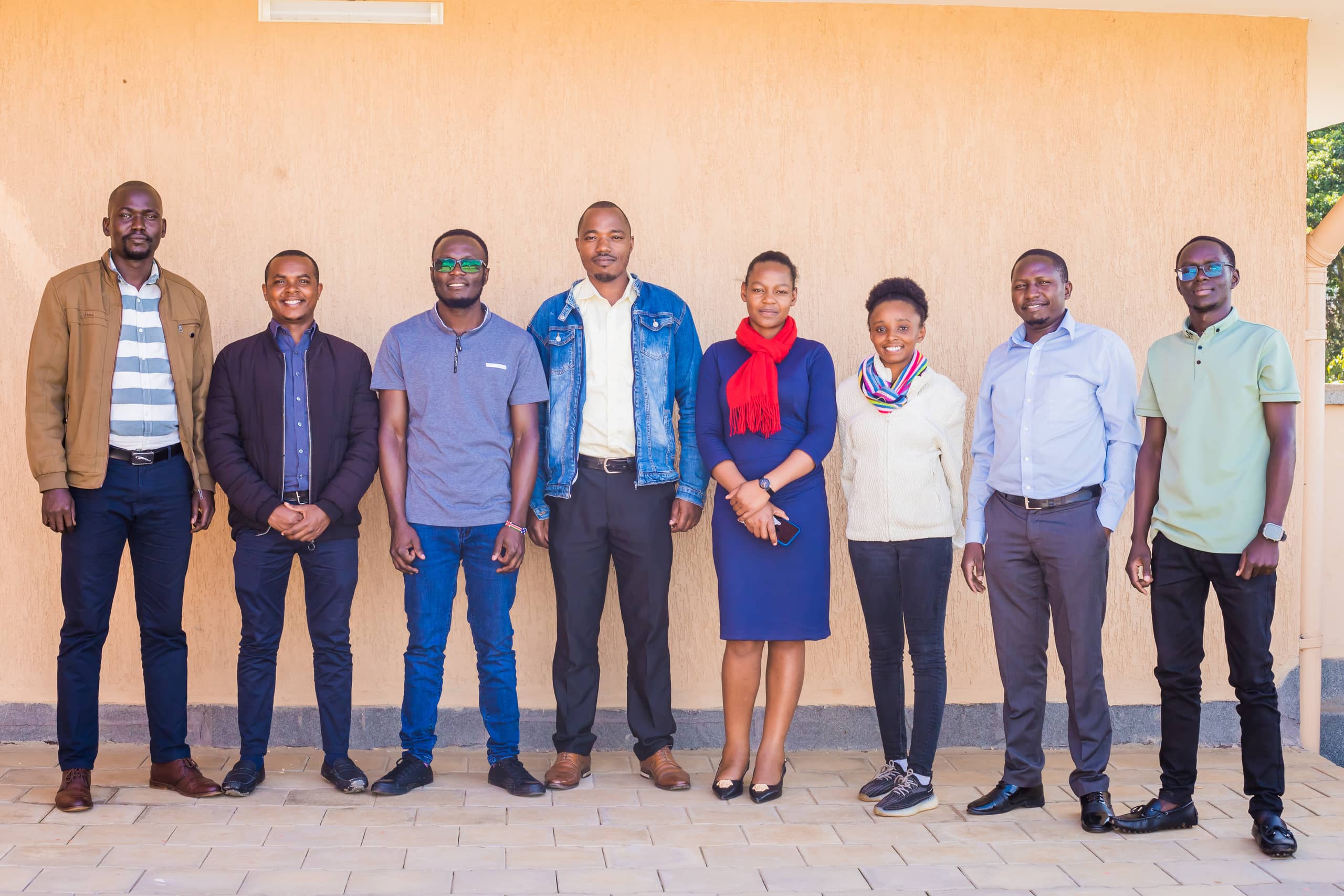

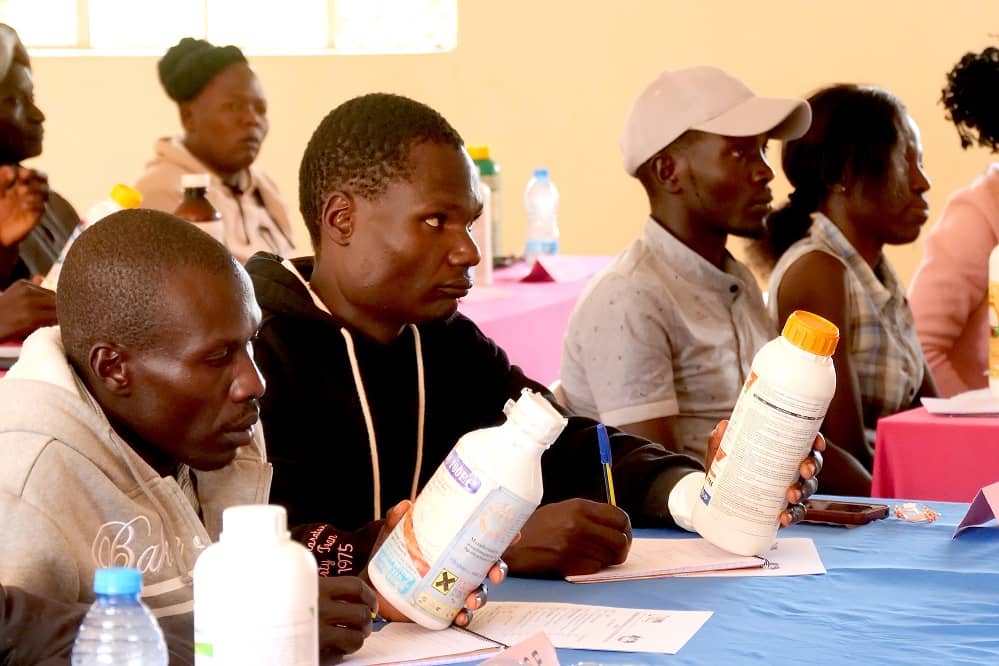
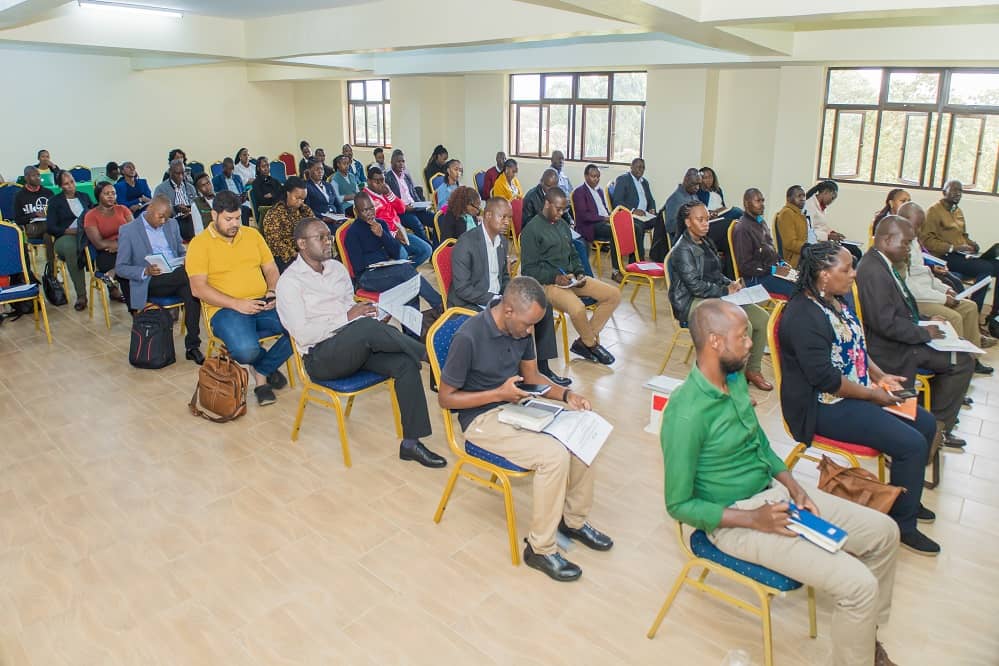
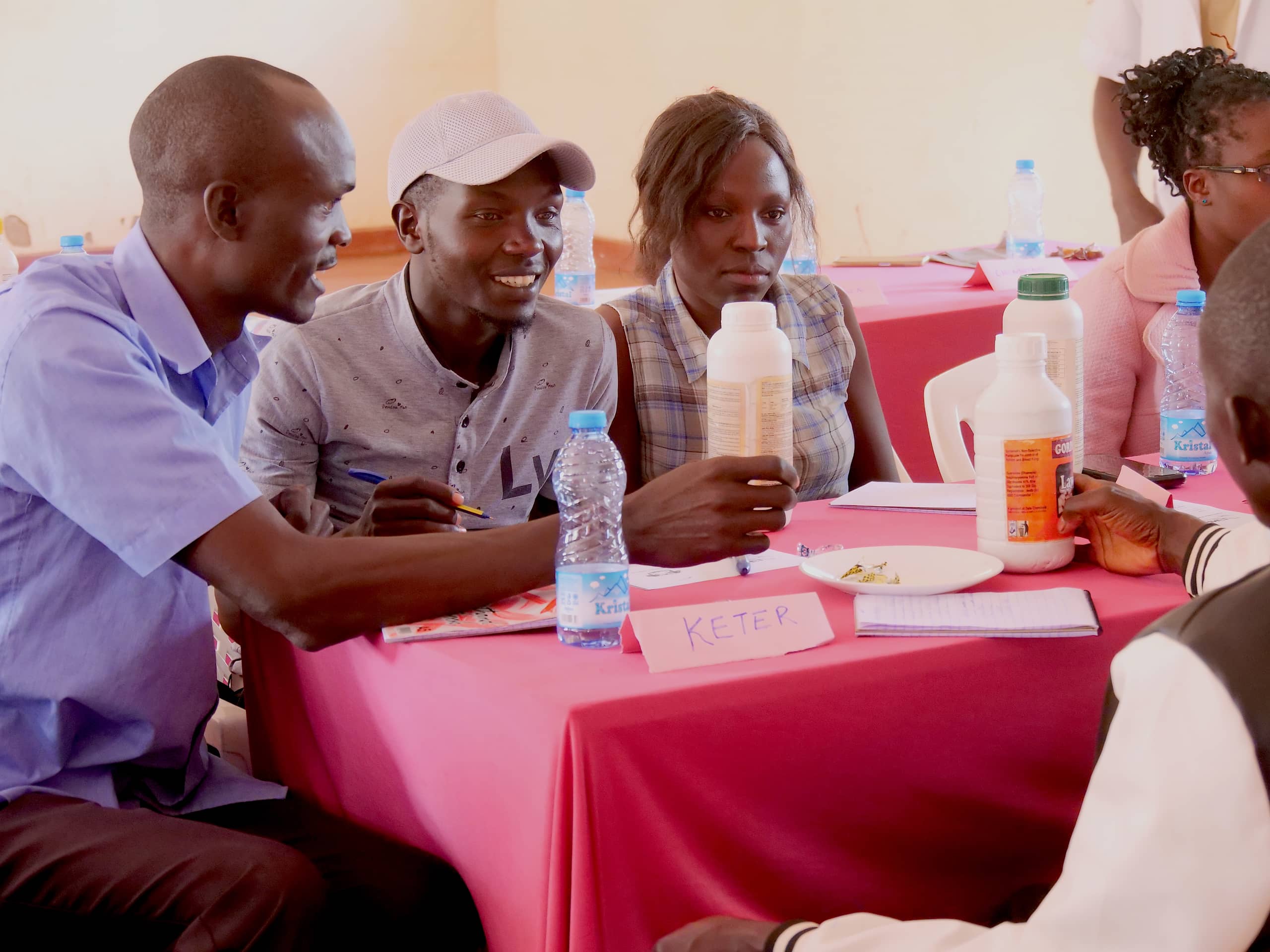
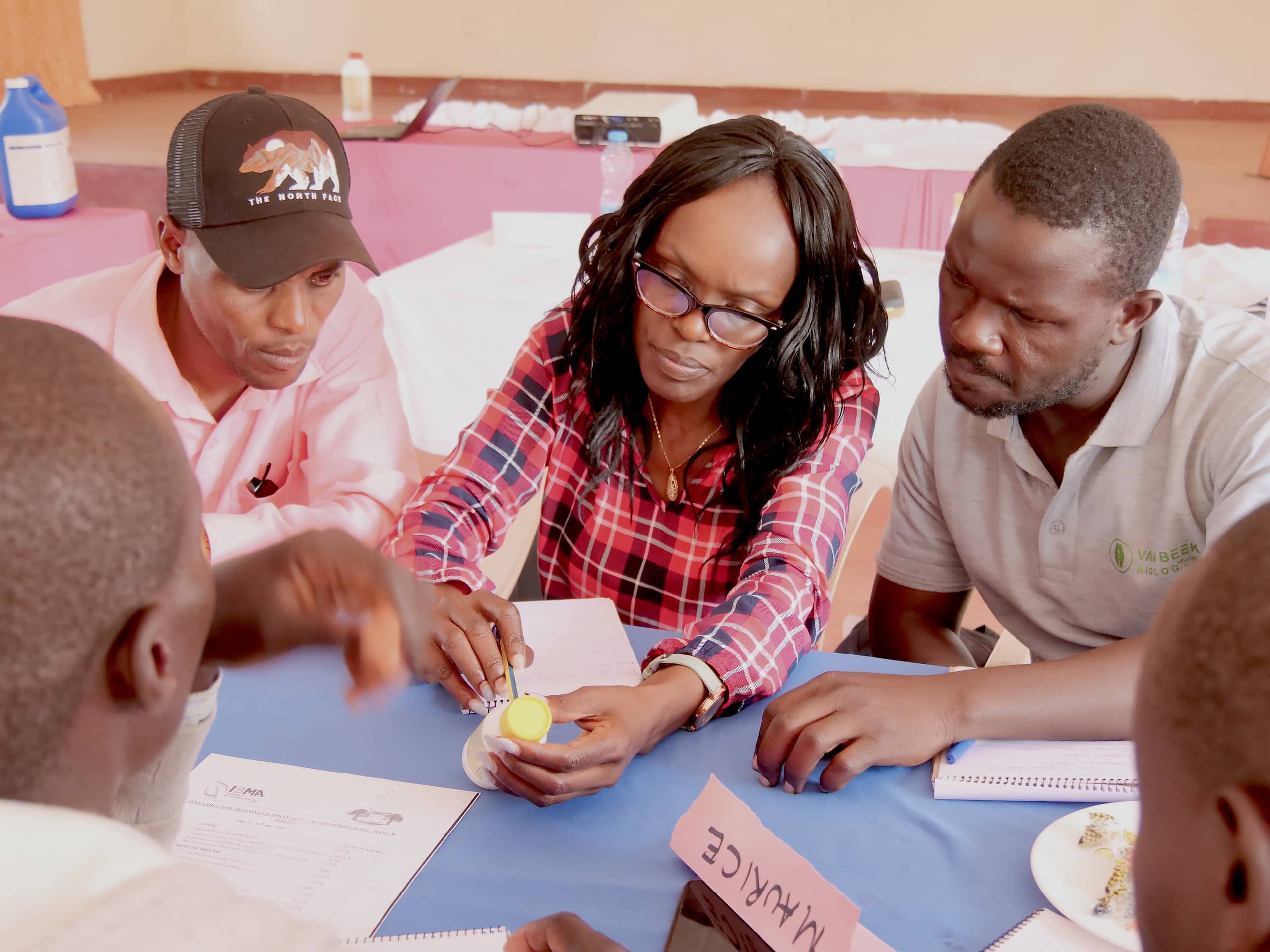
The goal is for agrochemical industry players to embrace holistic approaches in addressing pests and disease challenges. To address these, the Pest Control Products Board (PCPB) and Integrated Biopesticides Manufacturers of Kenya (IBMA), with support from the Embassy of the Kingdom of the Netherlands, organized a sensitization workshop focused on biopesticide registration requirements for agrochemical industry players.. The workshop brought together regulators, industry players, and spray service providers from Tharaka Nithi and Transzoia Counties to discuss the regulatory landscape and the role of biopesticides in sustainable agriculture.
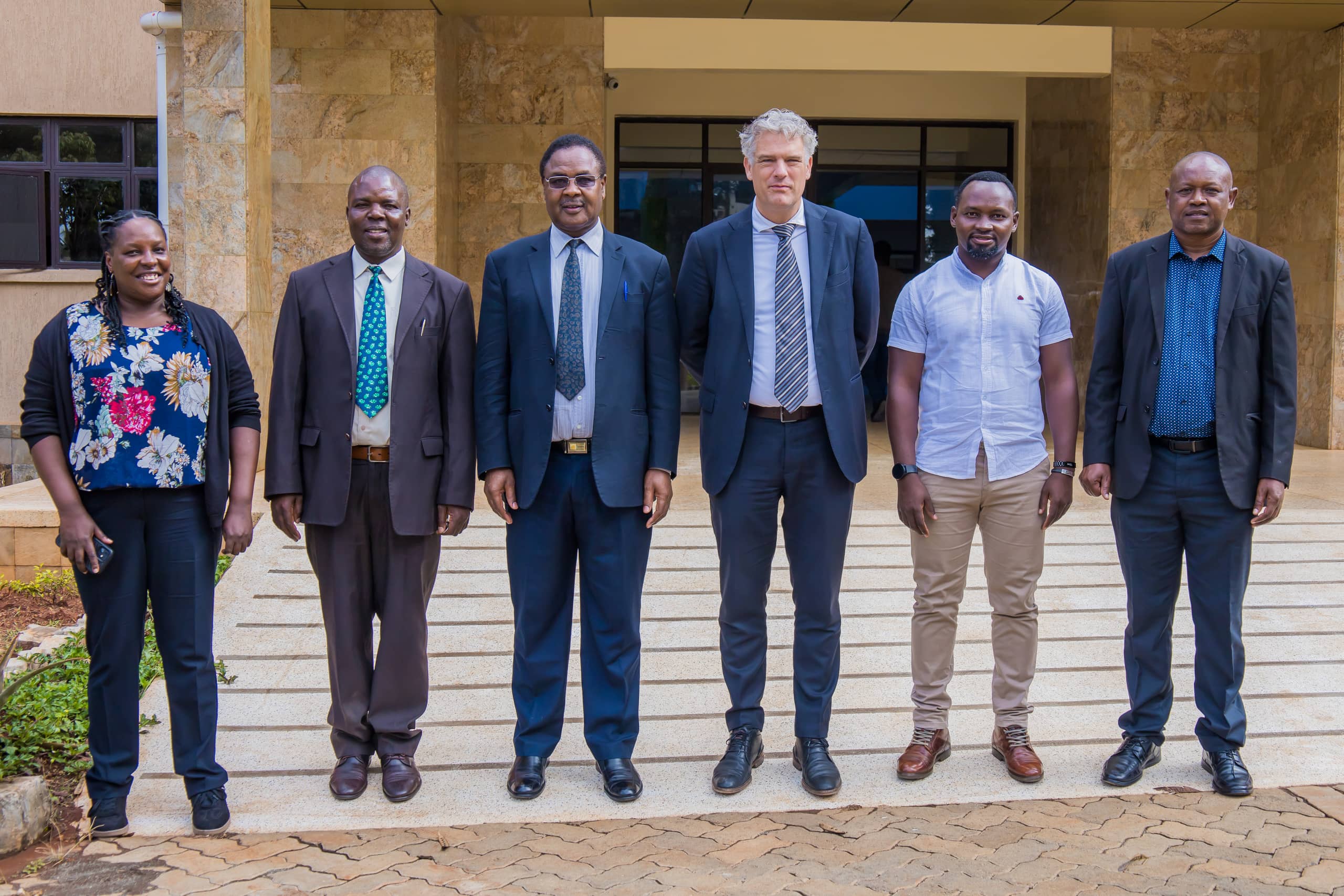
Joris Van Bommel (Deputy Ambassador and Head of Trade & Development, Embassy of The Kingdom of the Netherlands Nairobi) underscored The Netherlands’ commitment to supporting sustainable agricultural practices in Kenya.
“The Netherlands is proud to partner with Kenya in promoting biopesticides. Through this workshop, we aim to equip stakeholders with the knowledge and tools to navigate the regulatory process and embrace sustainable solutions.” - Joris Van Bommel, Deputy Ambassador and Head of Trade & Development, Embassy of The Kingdom of the Netherlands Nairobi

The workshop highlighted the current state of pesticide use in Kenya. Conventional pesticides have significantly boosted agricultural output, but their drawbacks are becoming harder to ignore. Cases of pesticide residues exceeding permissible maximum residue levels will jeopardize Kenya’s export potential, particularly to markets with stringent safety standards. Additionally, the environmental impact of chemical overuse—including water contamination and biodiversity loss—has raised alarms.
To address the limitations of conventional pesticides while aligning with global trends toward eco-friendly farming,intergrated pest management and especially use of biopesticides offer a way forward. Dr. Ngaruiya; GM Research & Strategy- spoke about the broader implications of biopesticides. “Sustainability is about balancing productivity with environmental stewardship. By working closely with industry players, we can create a system where biopesticides are a viable and accessible option for all farmers.”
Beyond sustainability, biopesticides have the potential to catalyze trade. Dr. Geoffrey Ongoya, representing IBMA, emphasized their importance in meeting international standards.
“Biopesticides are increasingly preferred in global markets due to their safety profile. They can give Kenyan produce a competitive edge, particularly in regions like the European Union,” Dr. Geoffrey Ongoya, IBMA
Established in 2018, IBMA now includes over 20 members in the biopesticides space. The organization has been at the forefront of promoting biopesticides in Kenya. “Scaling up adoption is our primary goal,” Dr. Ongoya explained. “However, we face challenges, including limited expertise in manufacturing processes and the short shelf life of biopesticides. These issues require targeted interventions.”
Susan Wambugu, Senior Pest Registration Officer at PCPB, shed light on the regulatory requirements for biopesticides. Her presentation focused on efficacy and residue data requirements, emphasizing the importance of rigorous risk assessments. “Our goal is to ensure that biopesticides are both effective and safe,” she said. “We are also working toward harmonized guidelines within the East African Community to streamline the registration process.”The technical aspects of regulatory chemistry—including the identification, quantification, and stability of biopesticides—were also discussed. These elements are critical for ensuring product reliability and effectiveness. However, they also present hurdles for manufacturers, particularly those onboarding biopesticides onto their portfolios.
Training initiatives are playing a crucial role in bridging these gaps. IBMA, in collaboration with PCPB, has launched pilot programs to train spray service providers on the safe use of pesticides. These programs, currently being implemented in Tharaka and Trans Nzoia counties, aim to build capacity at the grassroots level. Equipping service providers with the right knowledge it will foster a culture of safe and effective pest management. The spray service providers were equipped with skills in the identification of genuine versus counterfeit products, and responsible handling of pesticides be it conventional or biopesticides.
Reuben’s experience as a farmer and spray service provider illustrates the practical benefits of biopesticides. “Seeing the results on our farm has convinced me that biopesticides are not just effective to managing pests, they are a solution to also ensuring that we consume safe foods and they’re also better for the environment and for the people who provide these services. I hope more farmers will take this path.” Each healthy avocado tree represents a step toward a better way of farming—one that prioritizes the health of people and the planet
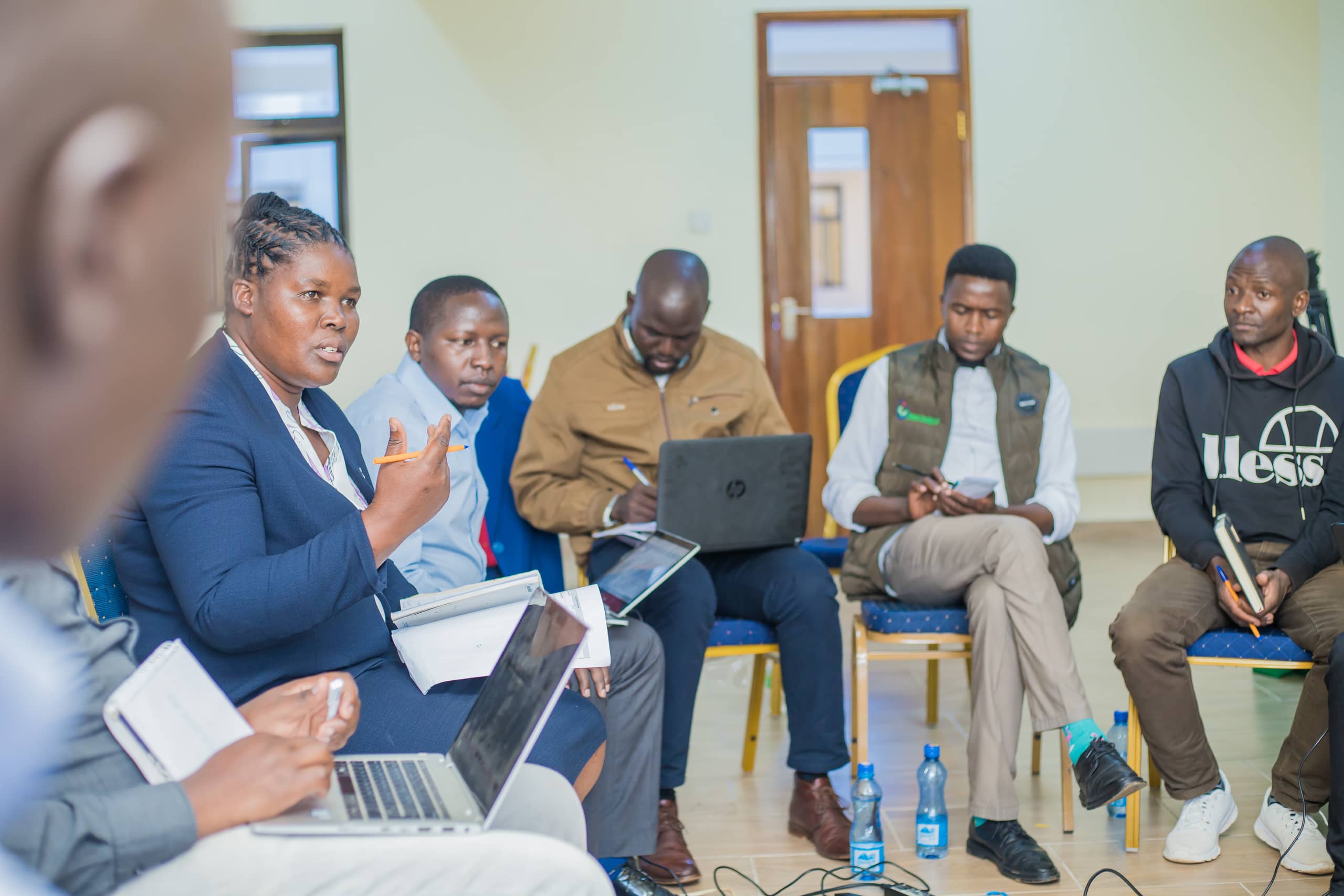

The workshop’s interactive sessions allowed participants to share insights and strategies for overcoming challenges. Industry players acknowledged the need for continued collaboration to address barriers to adoption. IBMA’s initiatives to attract more institutions into the biopesticides space were lauded as critical steps toward a sustainable future. Meanwhile, the journey toward widespread adoption of biopesticides in Kenya is ongoing. While challenges remain, the momentum is undeniable. The collective effort by stakeholders promises a future where Kenyan agriculture is not only productive but also sustainable and globally competitive.
For more information this subject or in case of questions for the Agricultural Counsellor, feel free to contact us via NAI-LVVN@minbuza.nl .
For the latest updates follow us on LinkedIn, Twitter (X) and/or register for our newsletter by sending an email to NAI-LVVN@minbuza.nl