
On 30 May 2025, Kenya joined the global community in marking the International Day of Potato (IDP), under the theme “Shaping History, Feeding the Future.” Held at KALRO, Marindas in Molo (Nakuru County), a region synonymous with potato farming. This year’s celebration was a statement of progress, innovation, and commitment to unlocking the potential of the potato value chain, with some of the partners of the Embassy of the Netherlands presenting their products and services.
Beyond The Food and Agriculture Organization declaring 30th May the International Day of Potato, in Kenya, it is not just a symbolic occasion. It is becoming a moment to take stock of progress, reinforce commitment to building a structured, inclusive, and resilient potato value chain; from the seed to the plate.
The event, organized by the National Potato Council of Kenya (NPCK) with support from the Ministry of Agriculture and Livestock Development, Agriculture and Food Authority (AFA), and the Embassy of The Kingdom of The Netherlands (among other stakeholders).
Headlined by Dr. Kipronoh Ronoh (Principal Secretary, State Department for Agriculture), he noted that this day is celebrated in recognition of the contribution of potato in food and nutrition security, economic growth, environmental sustainability and cultural practices globally.
“This year’s theme reminds us of potato’s historical significance, its place in culture and evolving role in food systems for the future.” - Dr. Kipronoh Ronoh (Principal Secretary, State Department for Agriculture)
Facts and figures
In his opening address, Dr. Ronoh highlighted that over the years, the sub-sector has had a positive growth trend. However, in 2024, the national production declined to 2.2 million metric tons from 2.3 million metric tons in 2023. The cultivated area reduced to 238,838 ha from 239,300 ha over the same period. The crop’s value increased from KSHs 65.4 billion in 2022 to KSHs 65.9 billion in 2023.
The sector still faces challenges of low productivity, pests and diseases, effects of climate change, and non-adherence to regulations especially on packaging. However he confirmed the government’s commitment in the sector, through interventions towards increasing productivity of potato under the National Agricultural Value Chain Development Project (NAVCDP) and increasing access to certified high yielding seed varieties.
“As outlined in the Agriculture Sector Transformation and Growth Strategy (ASTGS), potato is a priority crop aligned with our national goals, the Sustainable Development Goal No. 2, Vision 2030 (MTPIV) and the Bottom-Up Economic Transformation Agenda (BETA). Further, collaboration among stakeholders to ensure compliance with the regulations is being enhanced.” - Dr. Kipronoh Ronoh (Principal Secretary, State Department for Agriculture)
The two-day event in Molo had activities that highlighted the dynamism in the subsector. From the Youth in Agriculture Masterclass that offered valuable insights on seed multiplication, large-scale production, value addition, to the Pitch Competition that revealed the potential of digital technologies and mechanization with five youth finalists demonstrating cutting-edge innovations. This goes to show the potential the subsector has in aspects inclusion and business opportunities.
The major milestones in this year’s event were as follows;
- The re-launch of the Irish Potato Regulations 2019, that seeks to standardize packaging of ware potatoes
- The official announcement of Kenya hosting the World Potato Congress in 2026
Mr. Wachira Kaguongo (CEO, National Potato Council Kenya)
“These 2 milestones will bring significant opportunities for Kenya to position itself as a global player in potato production. “ - Mr. Wachira Kaguongo (CEO, NPCK)
With all these developments taking place, Kenya’s positioning on the global stage is only strengthening. The announcement that the country will host The World Potato Congress in 2026 has generated excitement across the sector. It is seen not just as a global networking opportunity, but as a strategic moment to showcase Kenya’s unique innovations, entrepreneurial farmers, and forward-thinking policies to the world. It’s a chance to attract investors, researchers, and technology partners who can help take the sector to new heights.
The International Day of Potato also served as a platform to showcase technological advancements, especially the contribution of Dutch companies to Kenya’s potato landscape. The Embassy of the Netherlands also sponsored some of the Dutch companies active in the Kenyan potato sector, which are as follows;
Agrico PSA
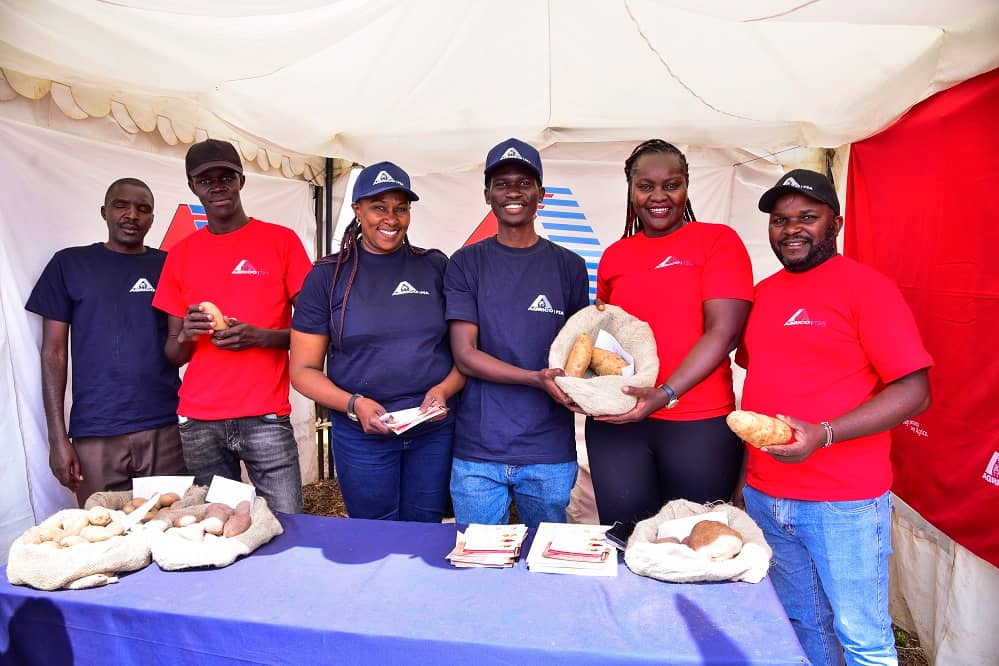

Agrico PSA, a renowned Dutch seed company, is set to revolutionize potato crisping in Kenya with the introduction of the Napoleon variety. Specifically bred for its high dry matter and minimal oil absorption, this oval-shaped potato has shallow eyes that reduces peeling waste. It also has high dormancy, which allows for longer storage. Napoleon is already approved by the Kenya Plant Health Inspectorate Service (KEPHIS), and will be commercially available by the end of 2025. Its superior resistance to pests and diseases especially late blight reduces reliance on chemicals, while its energy-efficient packaging potential makes it ideal for modern processors.
HZPC
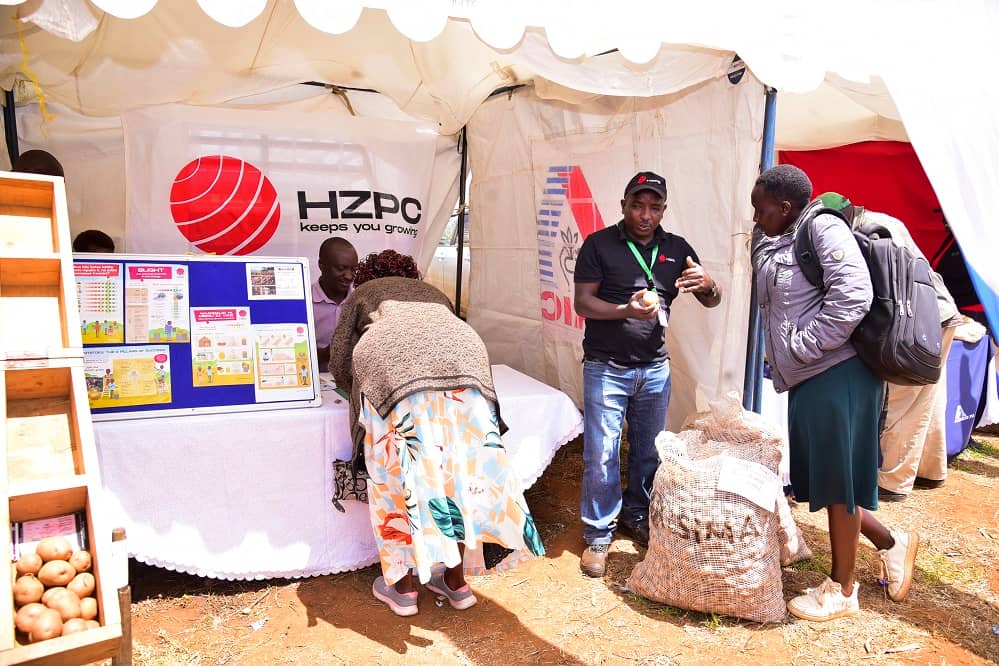
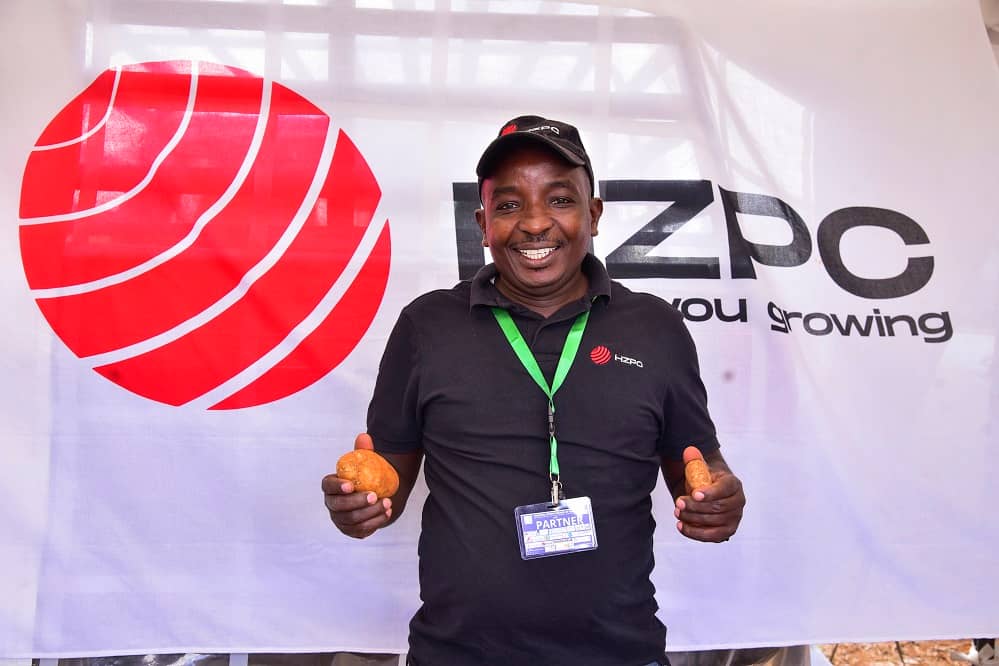
Traditionally, potato seeds have been bulky and highly susceptible to pest and diseases. This has posed a logistical and phytosanitary challenges, especially in cross-border trade. HZPC, another Dutch company , active in Kenya since 2015 continues to champion the shift to true hybrid potato seeds, a game-changing move amid the country's restrictions on tuber imports. Unlike conventional tubers, these seeds are lightweight, disease-free, and eliminate the need for cold storage, making them a practical and scalable solution for smallholder farmers
“These hybrid potato seeds are ten times more cost-effective than tubers and easier to distribute. Currently, over 10 varieties have been registered, with three in commercial production through Kisima Farm. HZPC is now collaborating with NPCK to bring together key stakeholders to scale the adoption of this innovation nationwide.” - Samuel Gikonyo, Business Development Manager for Sub-Saharan Africa (HZPC)
Solynta
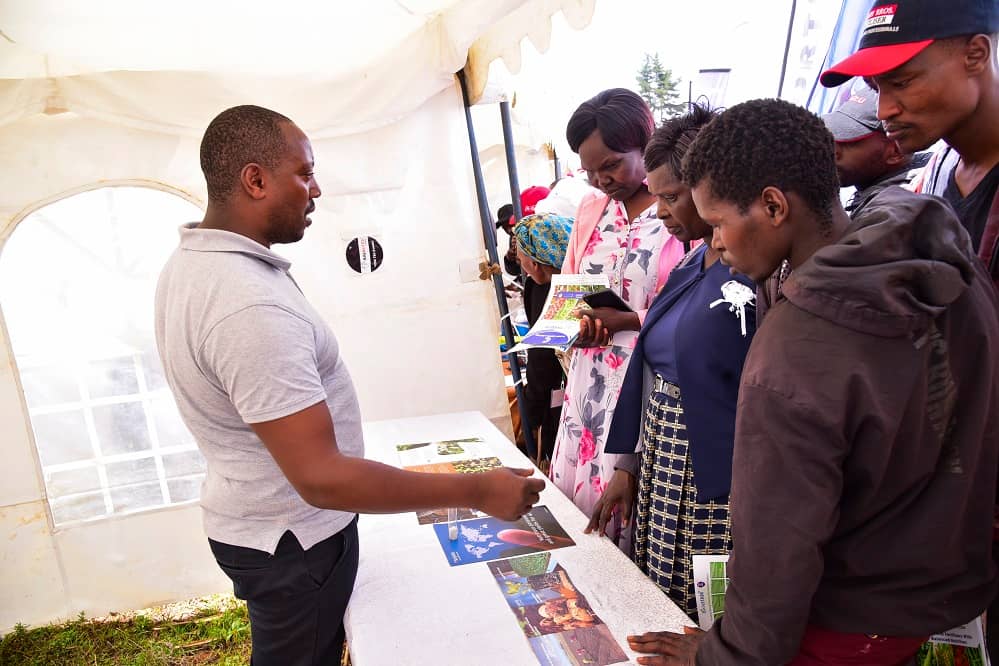
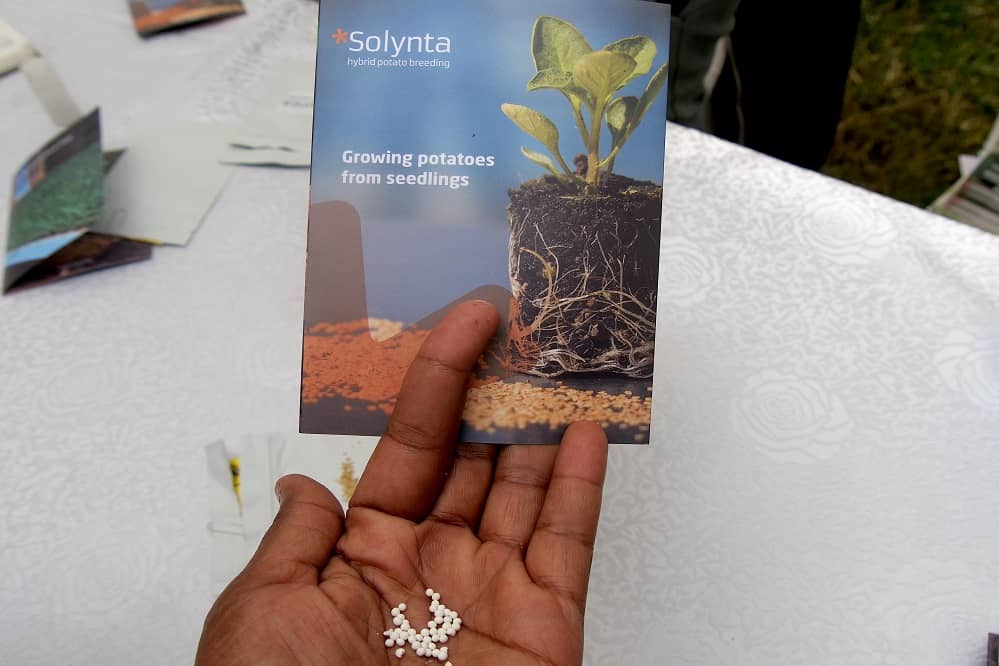
Similarly, Solynta, which introduced its true potato seed technology during the 2024 International Day of Potato, has rapidly expanded its footprint. The company is now working with over 2,000 farmers across five counties, being Nyandarua, Nakuru, Nyeri, Meru, and Bomet. With three varieties already approved, five under registration, and two awaiting approval, Solynta is helping to redefine how Kenya grows its most important tuber crop.
Hanse Agrostore
Panel discussion during IDP 2025, including Chris Ramos (Hanse Agrostore)

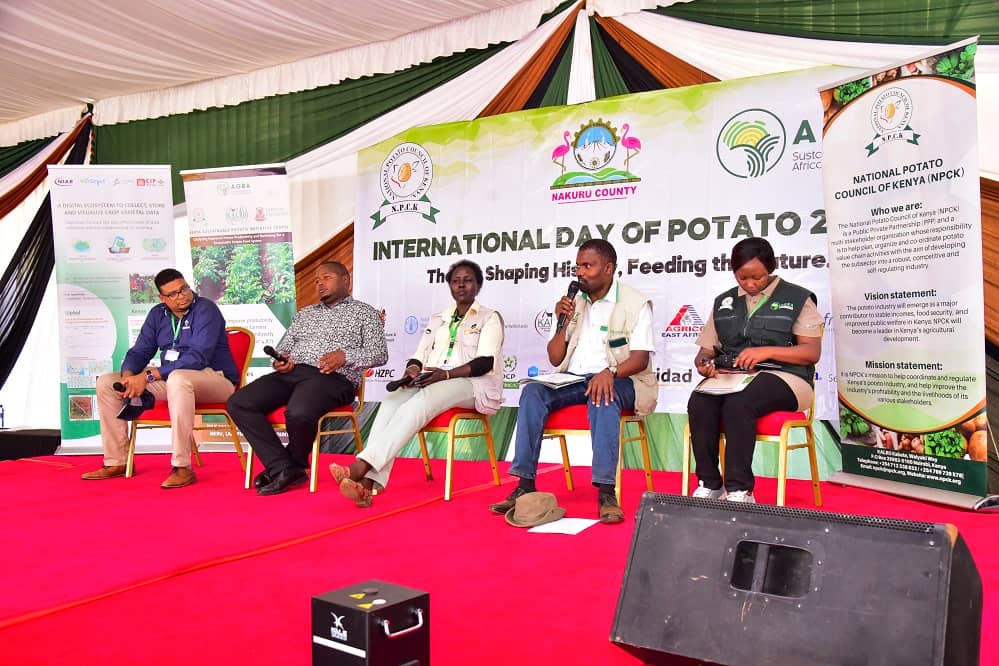
For the sector to be competitive and support the farmers, there is need for uptake on innovations to manage post-harvest losses. Chris Ramos of Hanse AgroStore shared insights on how their warehousing technology extends the shelf life of their potatoes by up to 6 months.
“By leveraging natural ventilation techniques and simple solar setups, smallholder farmers are learning how to hold on to their harvest and sell later when prices are favorable, turning timing into a powerful tool for better income” - Chris Ramos, Hanse AgroStore
In a sector where gluts and shortages swing market prices wildly, the ability to wait even a few extra weeks can make the difference between profit and loss.
Suera Limited and Percmacks

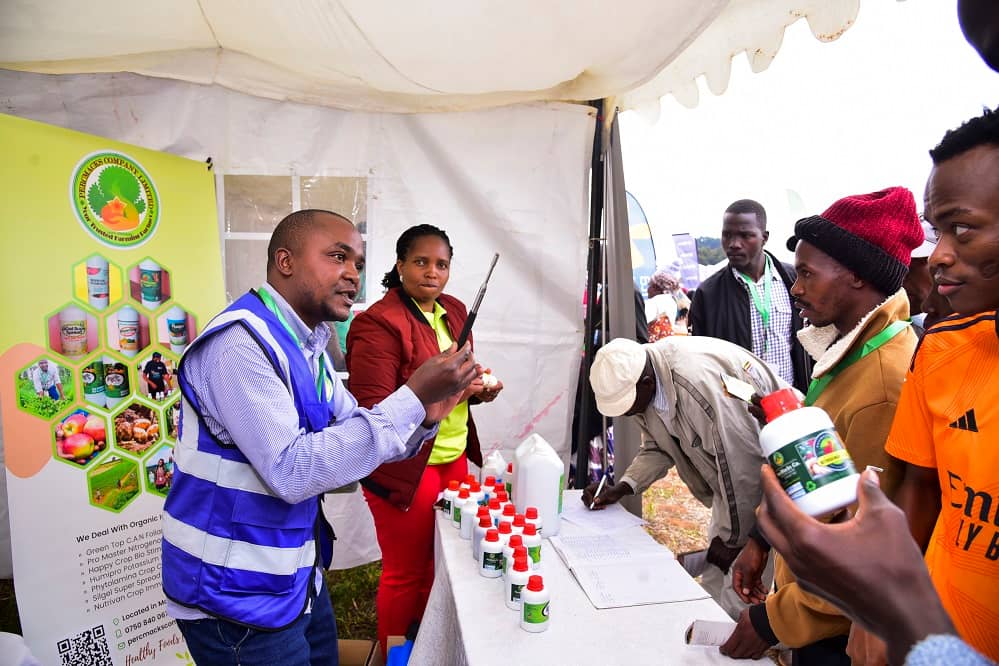
The event also brought to light the vital connection between organic inputs and sustainable production. Suera Limited, in partnership with Percmacks, are piloting a model that combines organic production of potatoes. Their model has achieved up to 3.2 tonnes per acre, translating to about 39,000 tubers per acre - a harvest many smallholders once thought impossible. By using environmentally friendly inputs and building healthy soils, they’re showing that potato production doesn’t have to come at the expense of the planet.
Looking ahead, the future of our food systems will be defined by resilience, inclusion, and innovation and the potato stands central to this transformation. We must continue to support our farmers (including women and youth) and foster deeper partnerships that drive adoption of climate-smart and market-driven technologies. The potential of this humble tuber is enormous and with the right support, it will continue to feed families, generate income, and shape the future of agriculture in Kenya.
More information
Potato Variety Catalogue (NPCK) 2021: npck.org/wp-content/uploads/2021/10/NPCK-2021-CATALOGUE-17.pdf
For more information this subject or in case of questions for the Agricultural Counsellor, feel free to contact us via NAI-LVVN@minbuza.nl .
For the latest updates, follow us on LinkedIn, Twitter (X) and/or register for our newsletter by sending an email to NAI-LVVN@minbuza.nl