
East Africa’s poultry sector is growing rapidly but faces challenges such as high feed costs, limited genetics, and weak policy enforcement. The B2 Africa Poultry Masterclass united Kenyan and Dutch experts to share innovations in breeding, feed, equipment, and biosecurity. Collaboration, investment, and stronger coordination are key to unlocking the sector’s full potential.

Poultry’s rising importance in East Africa
Across East Africa, poultry farming is quietly shaping the future of food security, livelihoods, and rural transformation. Demand for poultry meat and eggs continues to rise, driven by rapid population growth, urbanisation, changing diets, and the high cost of red meat, hence placing poultry at the centre of the region’s livestock economy. Kenya alone has an estimated 50 million birds, with poultry contributing over 30% of the livestock sector’s output. Remarkably, 98% of Kenyan poultry keepers are smallholder farmers, largely managing indigenous free-range birds. Despite immense potential, the sector grapples with systemic challenges, including rising feed costs, limited access to quality genetics, and a race against substandard imports that threaten local competitiveness.
Poultry Masterclass: business dialogue at the heart of poultry innovation
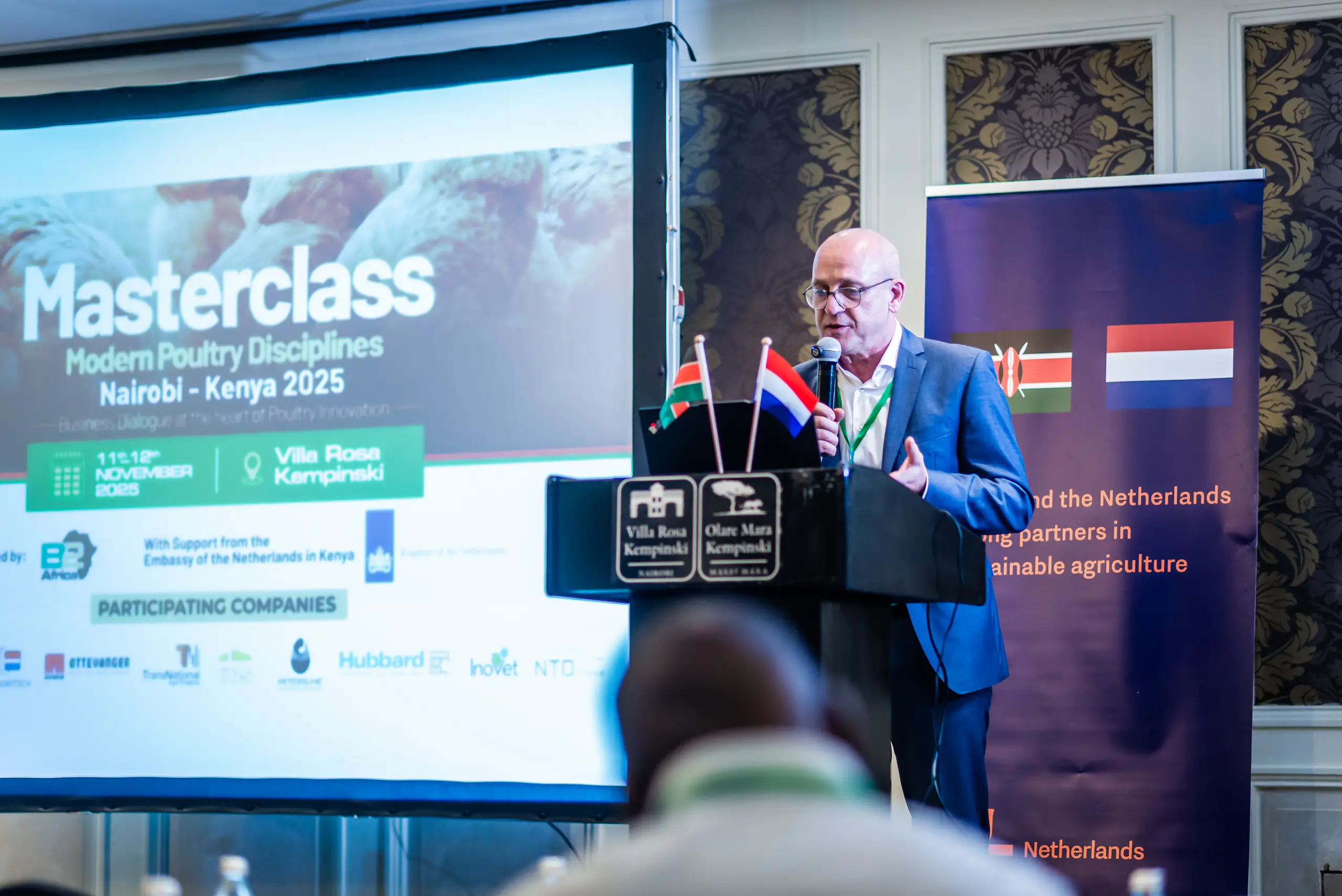
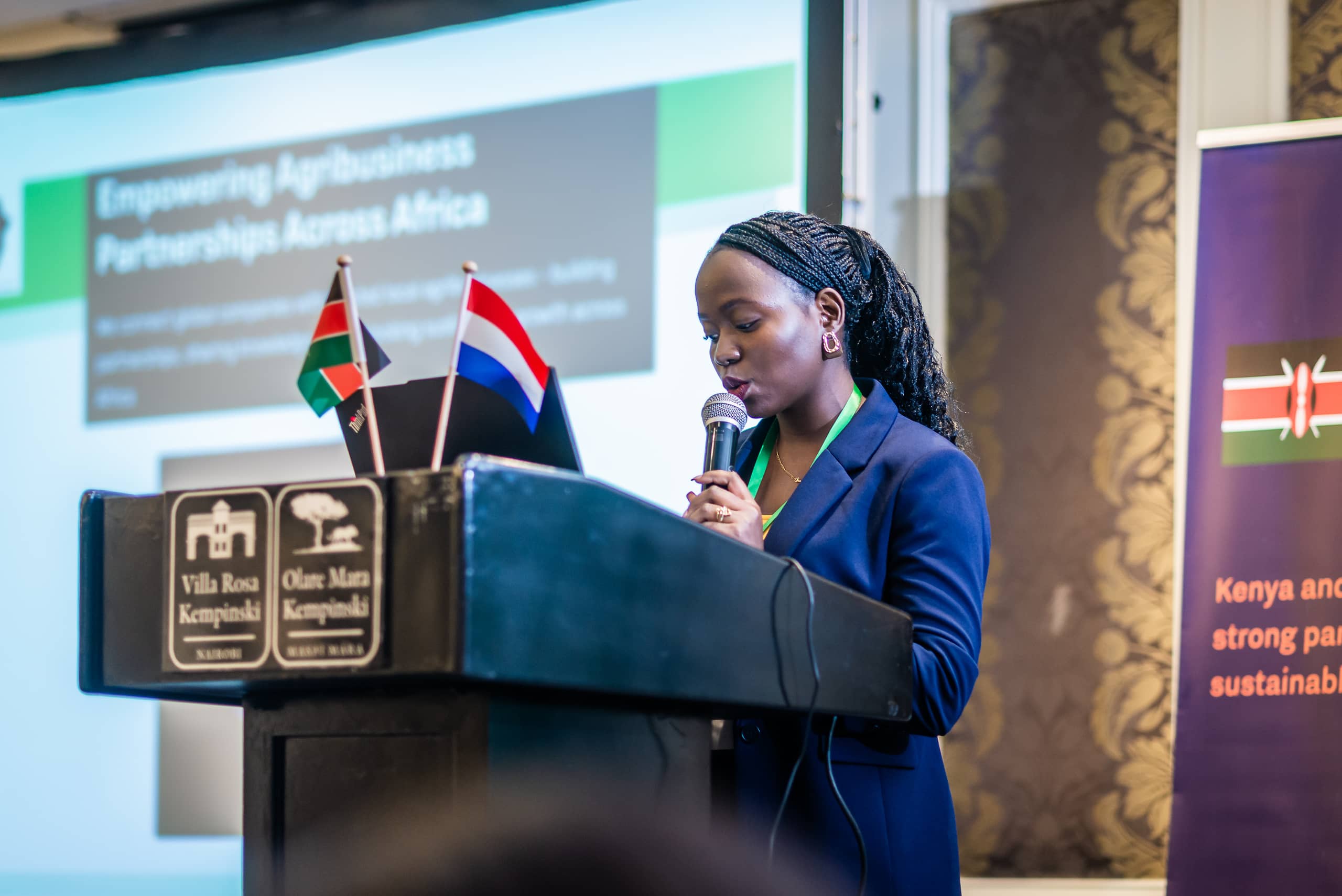
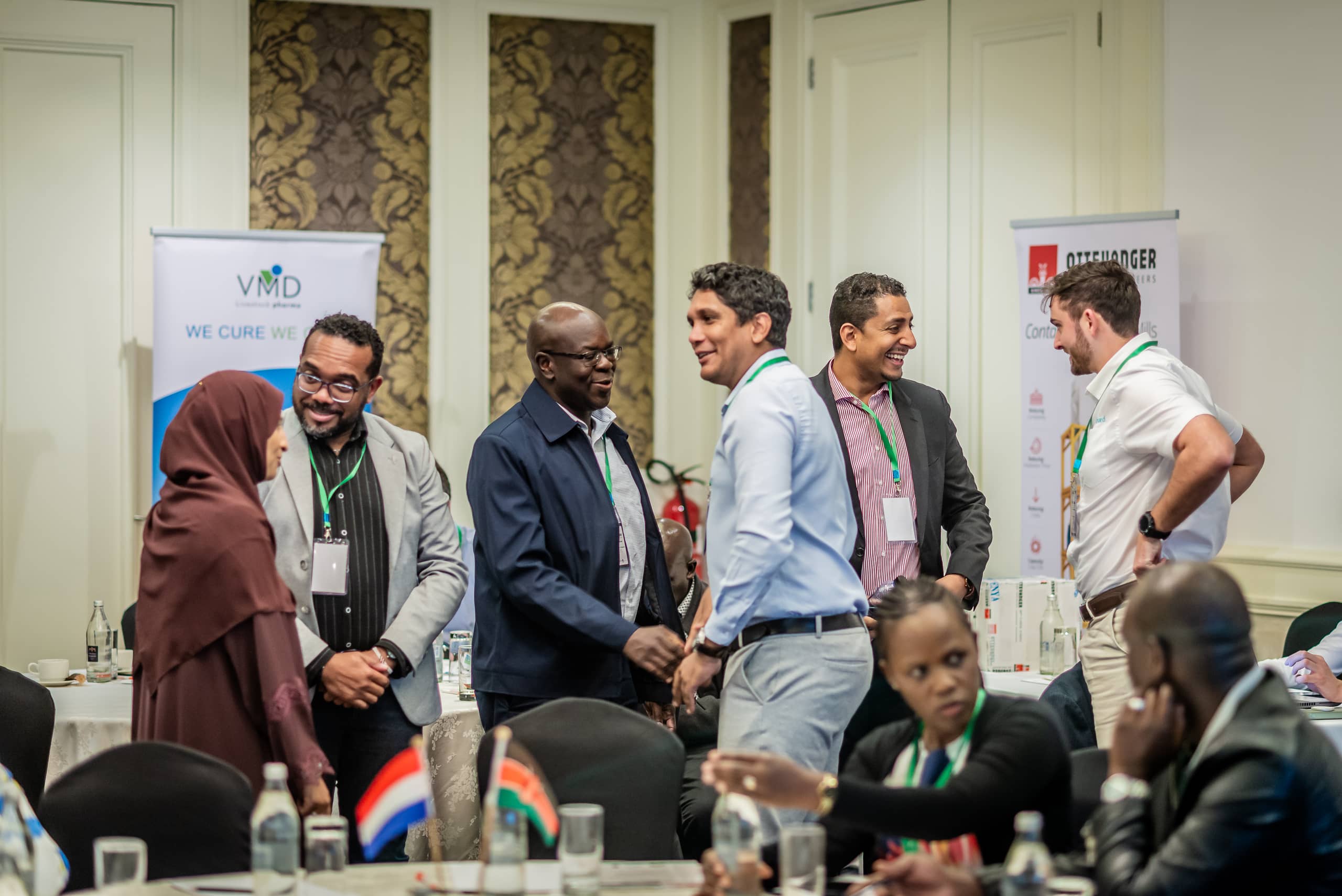
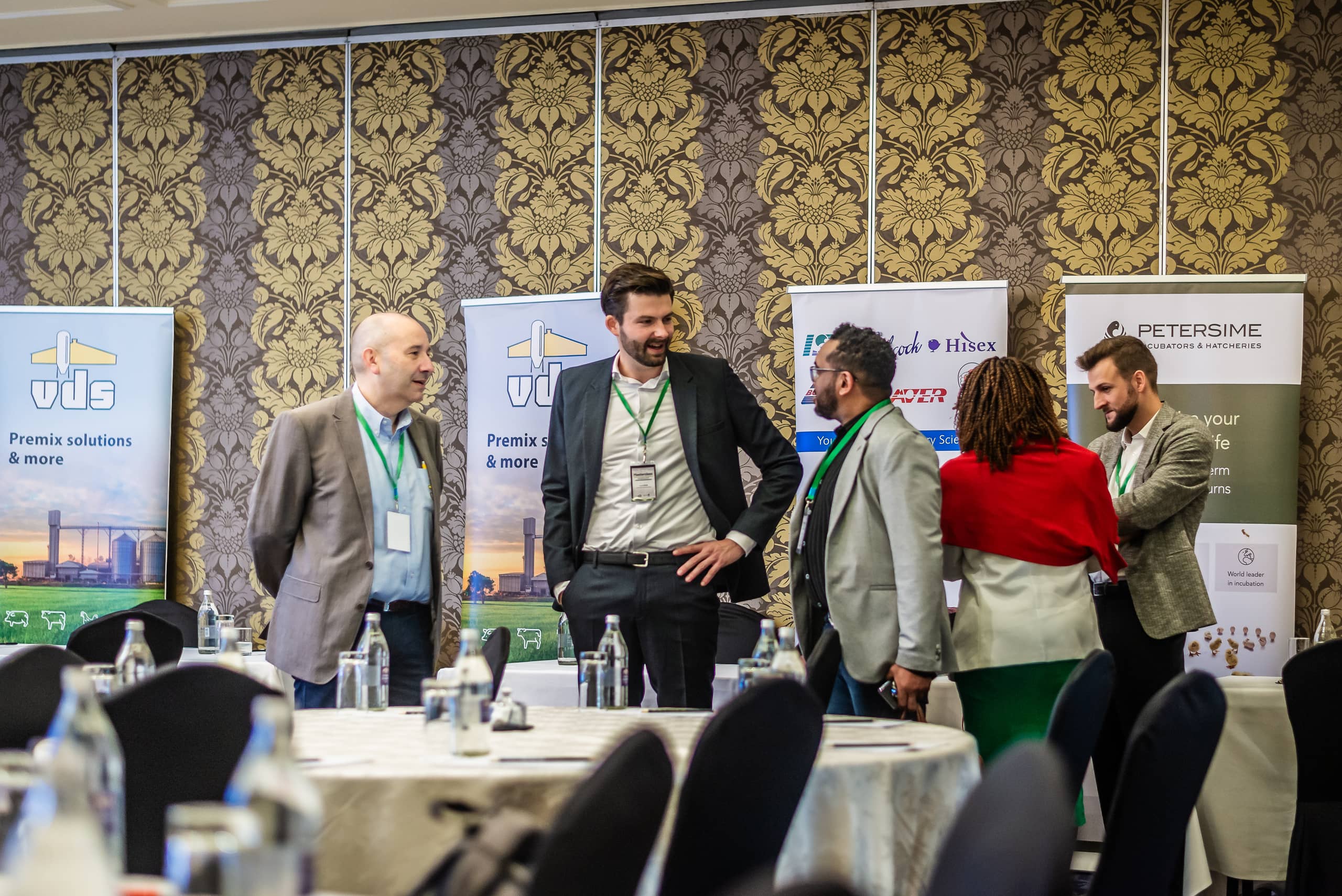
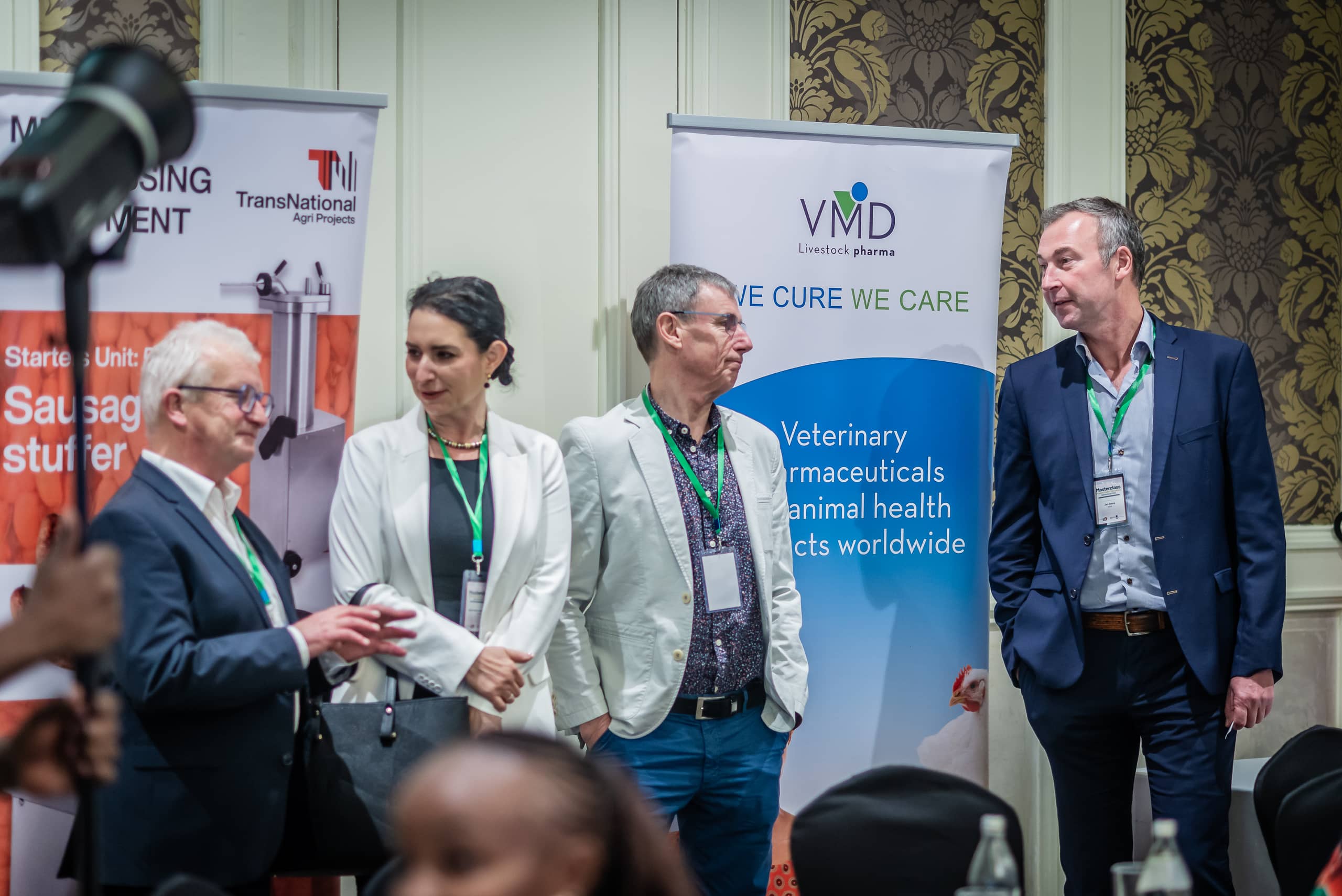
It is in response to these realities that B2 Africa hosted its just-concluded Poultry Masterclass, themed “Business Dialogue at the Heart of Poultry Innovation.” Far from being a routine training, the event was a convergence of value chain actors from Kenya and from the Netherlands, bringing together a rich pool of experts whose knowledge, practical solutions, and global experience added value to the dialogue. The event created space for deep learning, hands-on insights, and new business networks.
Strengthening Kenya–Netherlands agricultural partnership
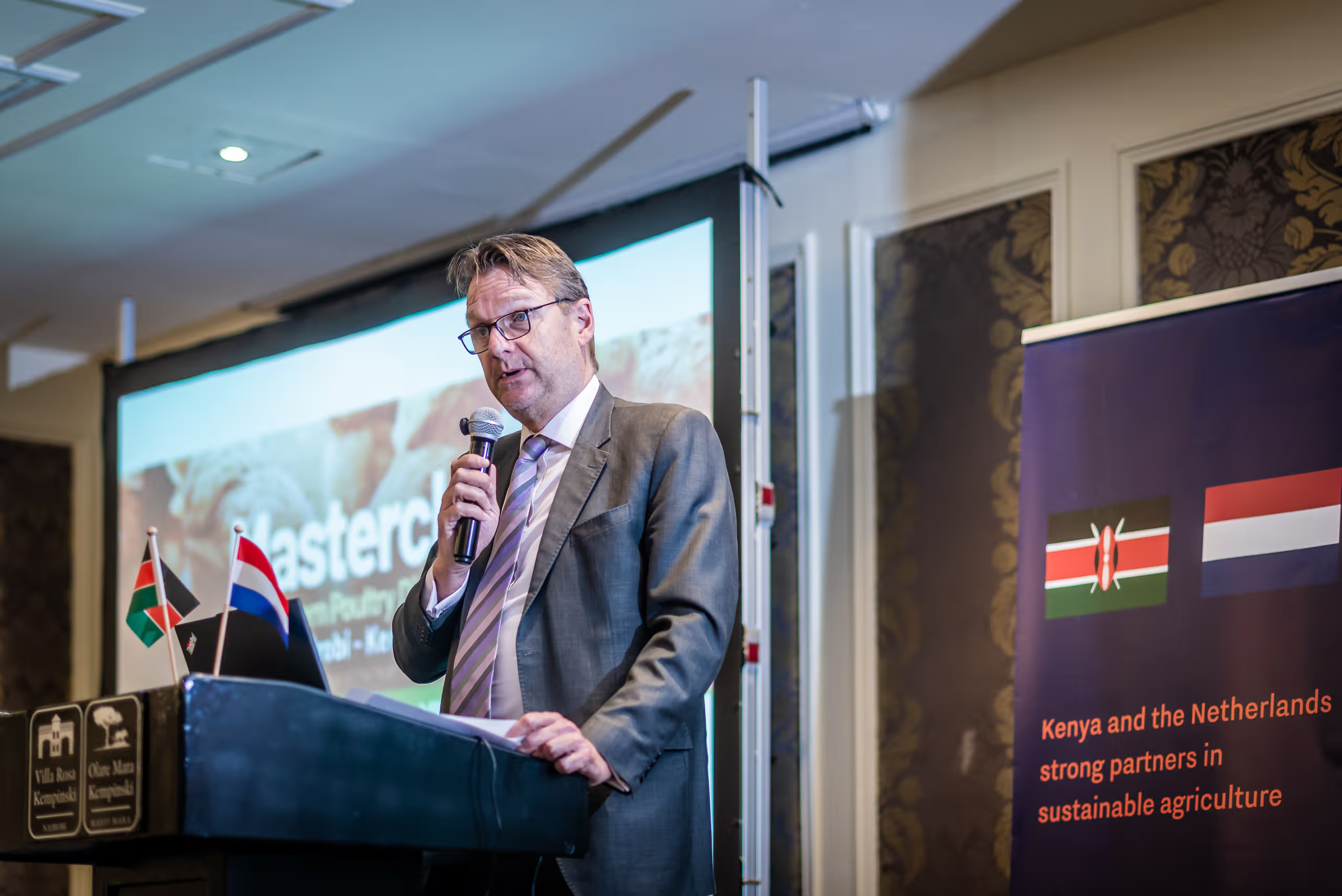
Kenya and the Netherlands have long shared a vision for the agricultural sector. In his speech, Henk Jan Bakker, Ambassador of the Kingdom of the Netherlands to Kenya highlighted the sustained cooperation between both countries. This alignment was reaffirmed during the recent State Visit by His Majesty King Willem-Alexander and Her Majesty Queen Maxima, a moment that strengthened the partnership under the Kenya–Netherlands Agriculture Working Group. Both countries continue to harmonize investment priorities and champion innovations that enhance food security and unlock new opportunities for trade. Dutch investments in Kenya’s livestock sector, particularly in dairy and animal feed, have already laid a strong foundation. Given the Poultry sectors importance towards security, profitability, and sustainable growth, then the learnings from the dairy sector involvement can be adapted to the poultry sector.
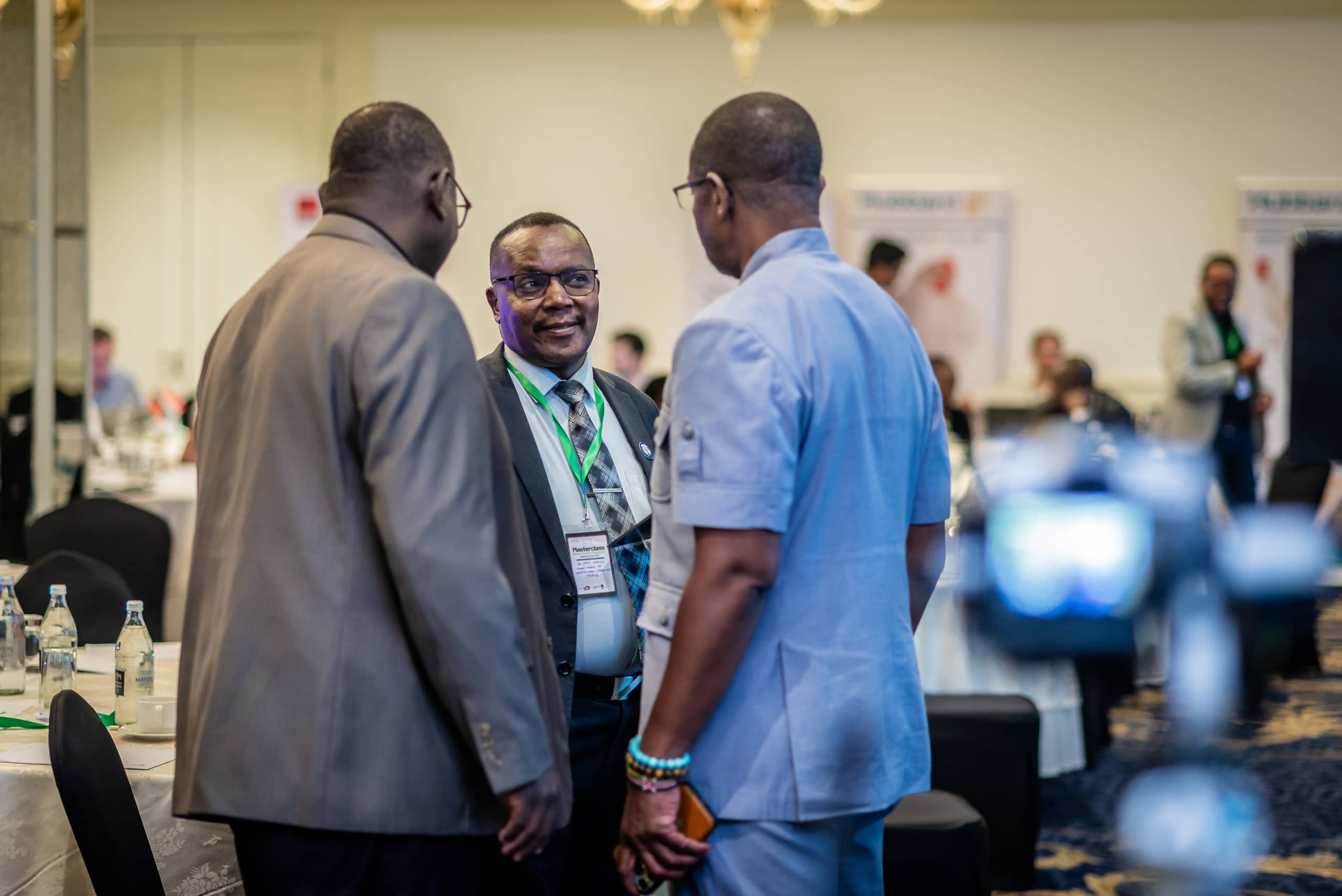
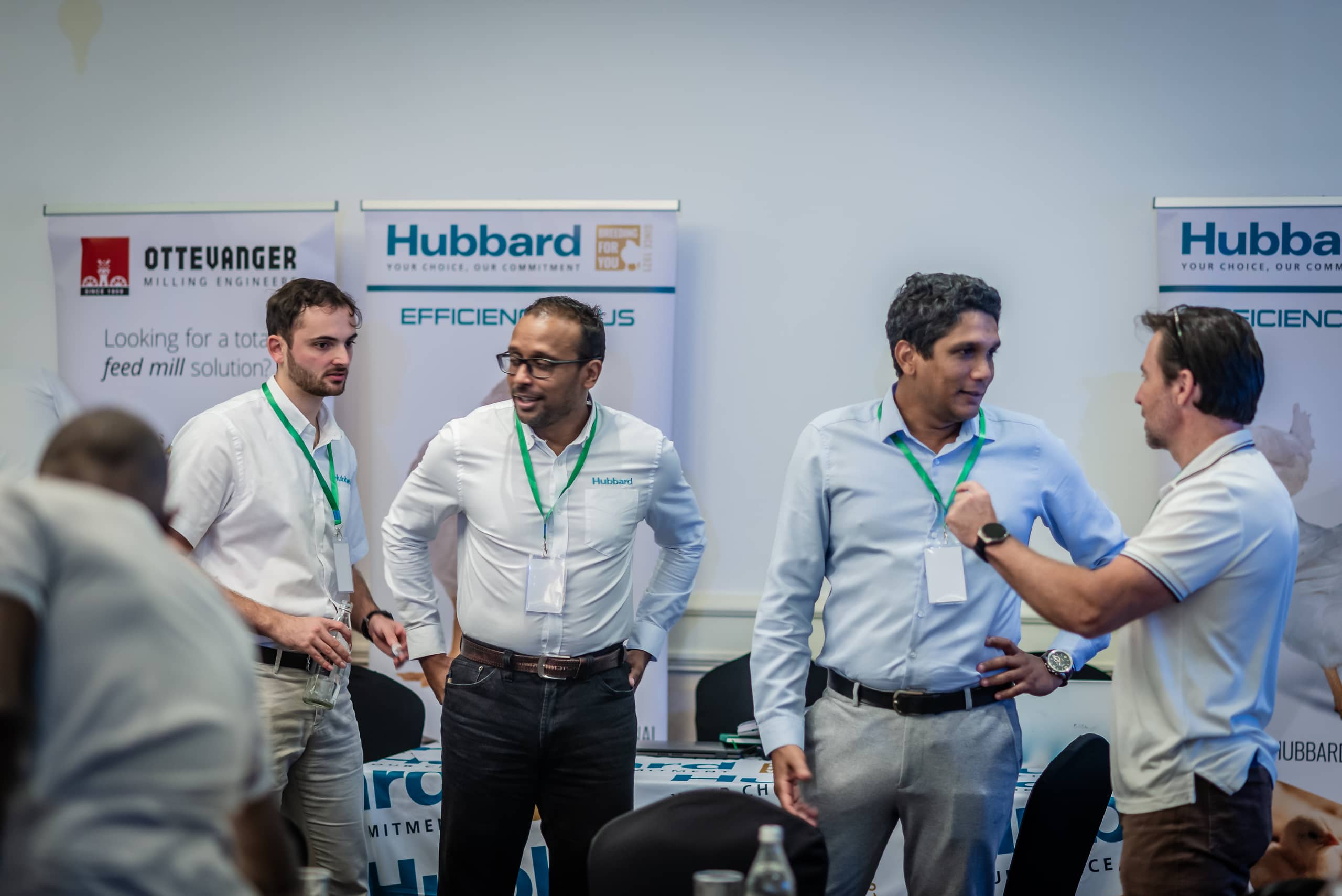
The Dutch Diamond Approach
Businesses from the Netherlands showcased their areas of specialization. Their presence demonstrated the power of the Dutch Diamond Approach, where government, private sector, research institutions, and civil society collaborate to develop solutions that are practical, scalable, and rooted in sustainability. What emerged from their contributions was a deeper understanding that poultry production is about much more than performance or efficiency. It is about resilience, quality, and the long-term sustainability of farms and communities. The exchange between Kenyan stakeholders and Dutch experts underscored the importance of shared learning how advanced genetics, modern equipment, and innovative production models can be adapted to Kenya’s context to drive transformation.
KEPOFA: strengthening farmer coordination
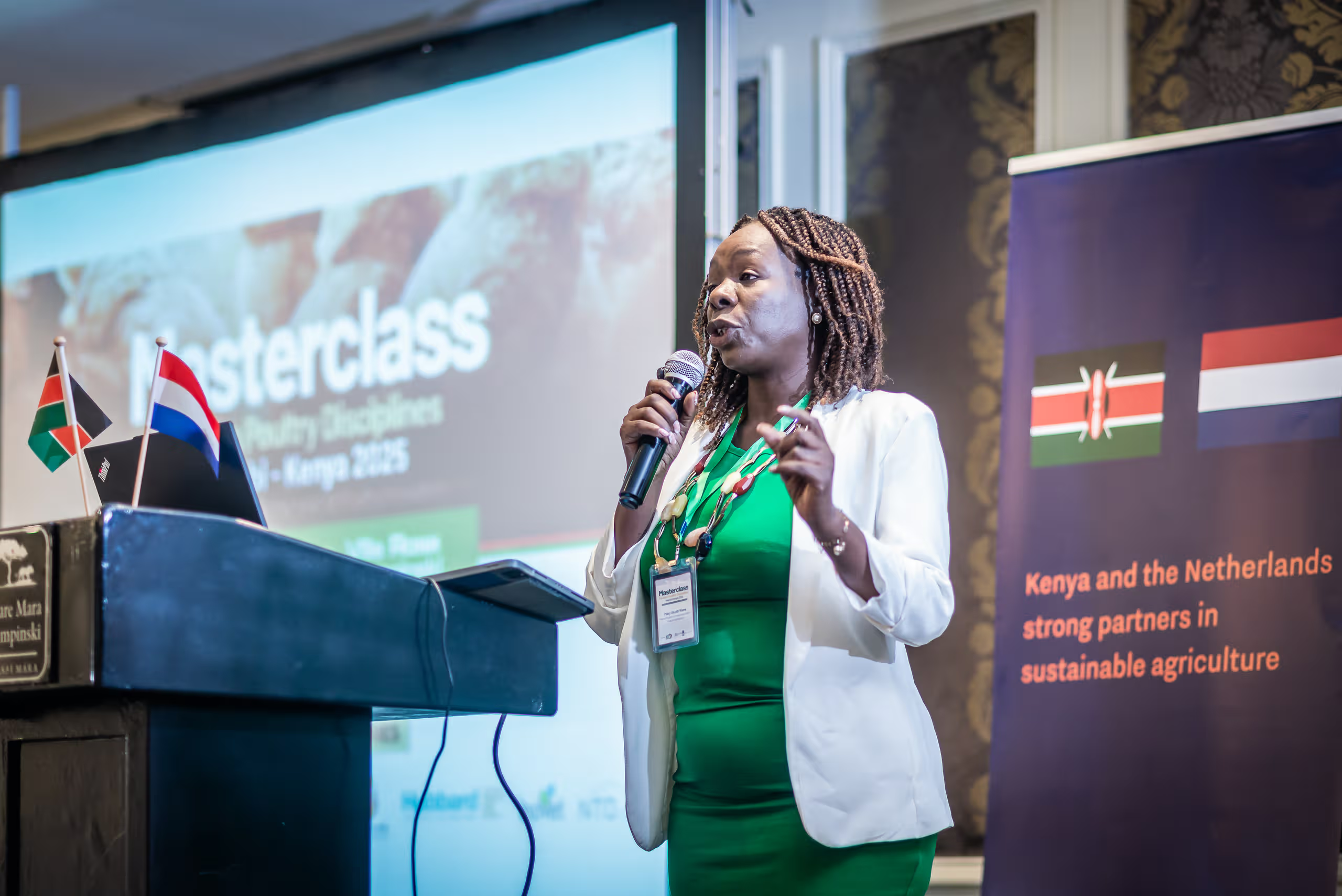
Mary Were Opot - Board Chair, Kenya Poultry Farmers Association (KEPOFA) that represents over 60,000 poultry farmers - noted that KEPOFA stands at a critical crossroads, working to move farmers away from a fragmented system toward a more coordinated and empowered collective. “ There is a need to leverage digital platforms to strengthen farmer engagement, improve access to information, and enhance efficiency across the value chain.” - Mary Were, Board Chair KEPOFA
She highlighted the plight of farmers, noting that many farmers struggle with the rising cost of maize and soybean which are key ingredients in feed formulation.
Rising feed costs: a threat to competitiveness
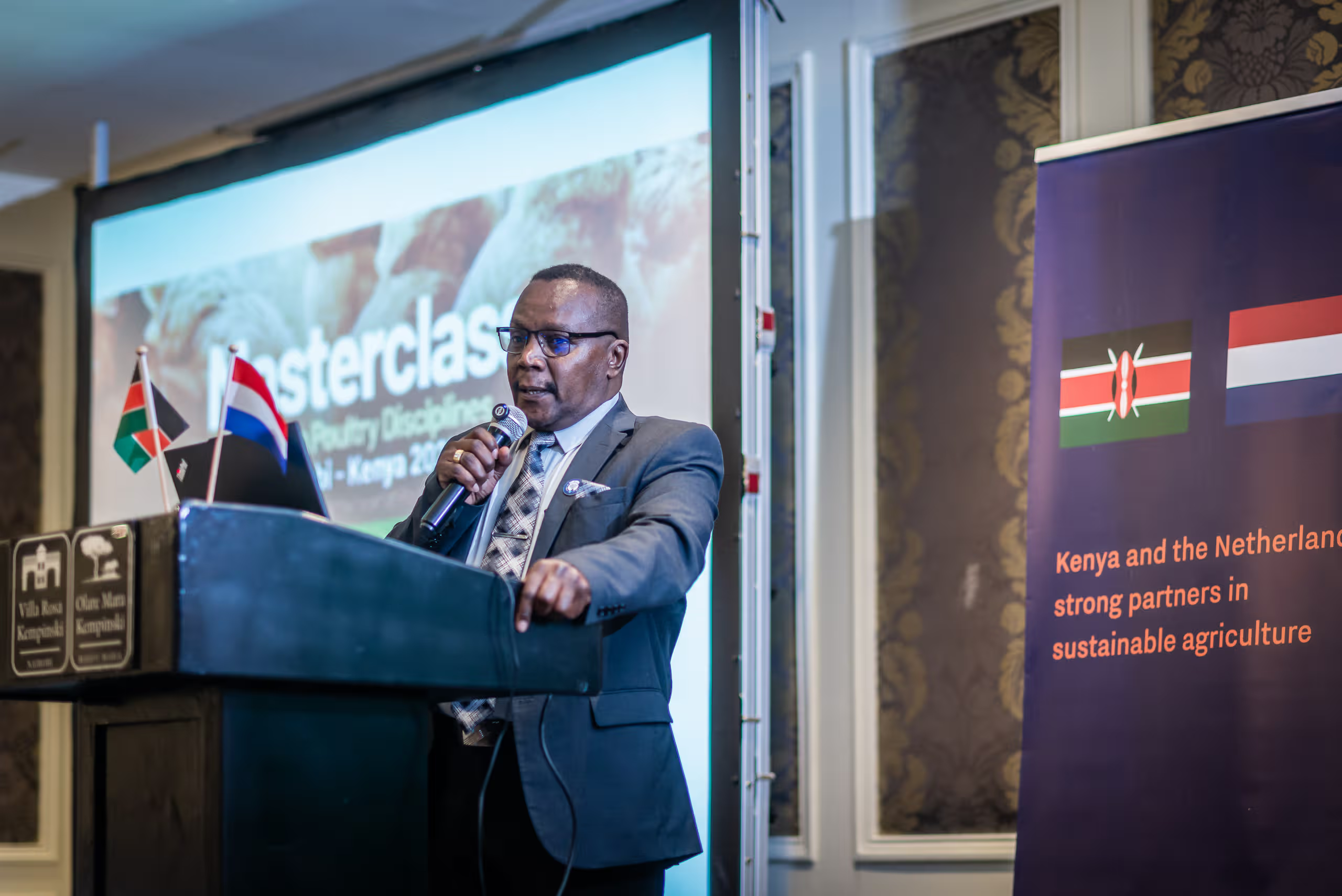
According to James Nyutu (Managing Director - Unga Group) Kenya imports almost one million metric tonnes of maize annually, competing with human consumption.
“Soybean is sourced mainly from Zambia, pushing feed prices even higher. Local production inputs such as sorghum and insect protein remain limited in scale, despite their potential. Without coordinated planning, predictable import regimes, and incentives for private sector investment, grain shortages will continue to drive production costs up.” – James Nyutu, Unga Group
Additional farmer challenges and policy gaps
Farmers also face challenges with access to finance, biosafety knowledge, and reliable markets. Women and youth are particularly constrained by capital. At the policy level, Kenya has strong frameworks, but enforcement remains a challenge. Dr. John Kariuki (Directorate of Veterinary Services (DVS) ) noted that East African countries look to Kenya for benchmarking, yet they struggle less with enforcement than Kenya which is a reminder that good policy is only as impactful as its implementation.
Insights from Dutch partners: building a modern poultry ecosystem
But even as the sector grapples with structural barriers, the masterclass illuminated a future filled with possibility. Dutch partners including; Hendrix Genetics, Hubbard, VDL Agrotech, Ottevanger Milling Engineers, TransNational Agri Projects, Petersime, Atradius, and nutrition experts from VDS offered insights on what it takes to build a competitive and resilient poultry ecosystem.
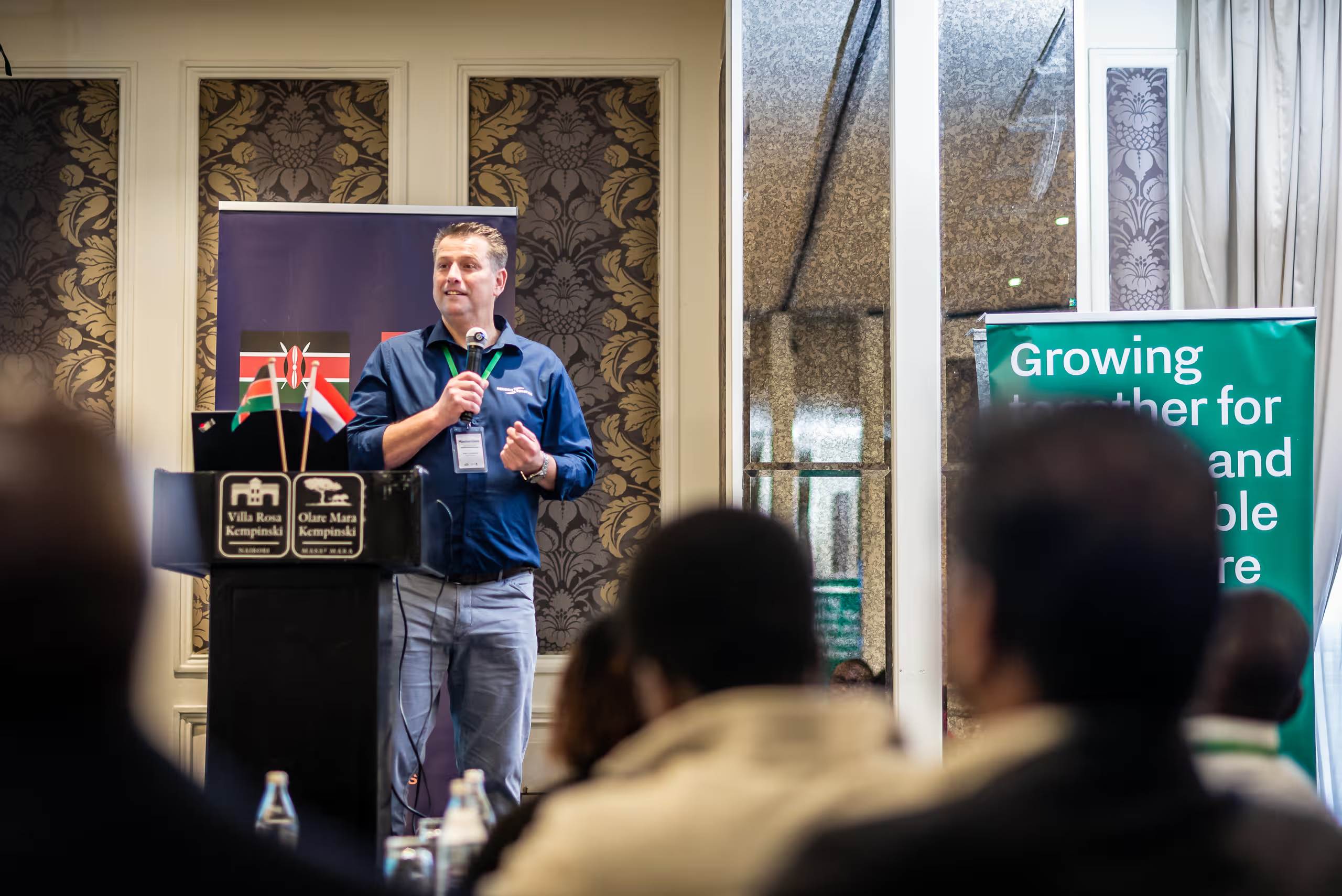
Hendrix Genetics, a global leader with 3,000 employees across 24 countries, showcased how innovation in poultry breeding can dramatically improve efficiency, animal welfare, and egg quality. With over 40 years of progress, pigs and poultry now produce the same amount of protein using half the inputs in comparison to red meats. This is an extraordinary testament to science and sustained investment. They emphasized the rising demand for specialty eggs, the vital role of body weight management during rearing, and the importance of data collection tools such as EggSense in improving decision-making. Their long-term view of genetics reminds us that building a strong poultry industry requires planning years ahead, not months.
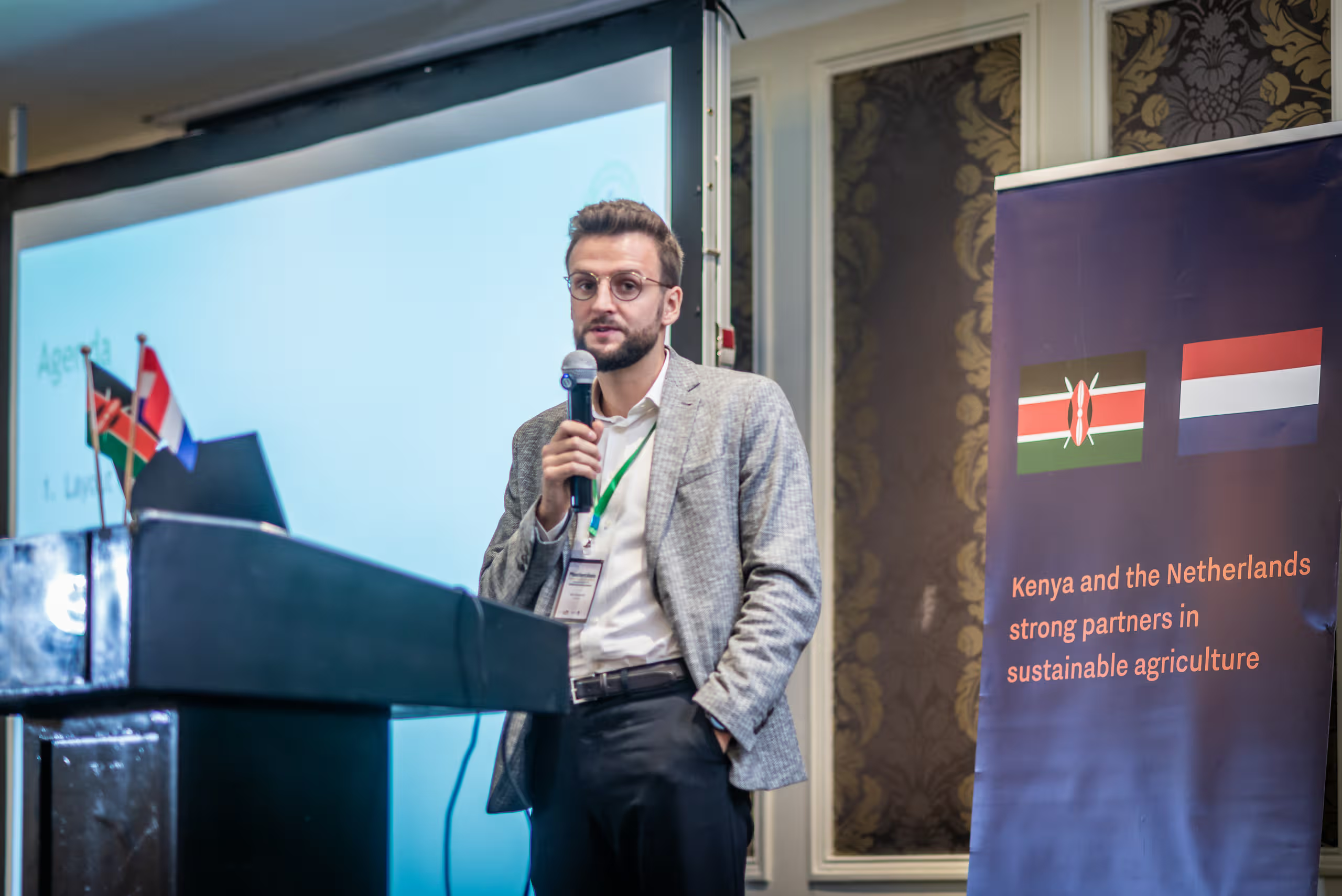
Hatchery experts from Petersime reinforced how critical hatchery design, automation, and site selection are, to scalability. Their message was that even the most advanced genetics will underperform without efficient hatchery systems that optimize chick quality from day zero.
Feed manufacturers and nutrition specialists unpacked the science behind feed quality, raw material assurance, energy balancing, and the role of micronutrients. A recurring theme was the importance of controlling raw materials, adopting best manufacturing practices, and ensuring consistent quality from farm to feed mill to market.
Technology providers demonstrated how modern equipment whether small modular units or advanced integrated systems can help farmers scale gradually without compromising quality. Cold storage systems, often overlooked, were highlighted as more essential than expensive slaughter lines, especially for emerging producers.
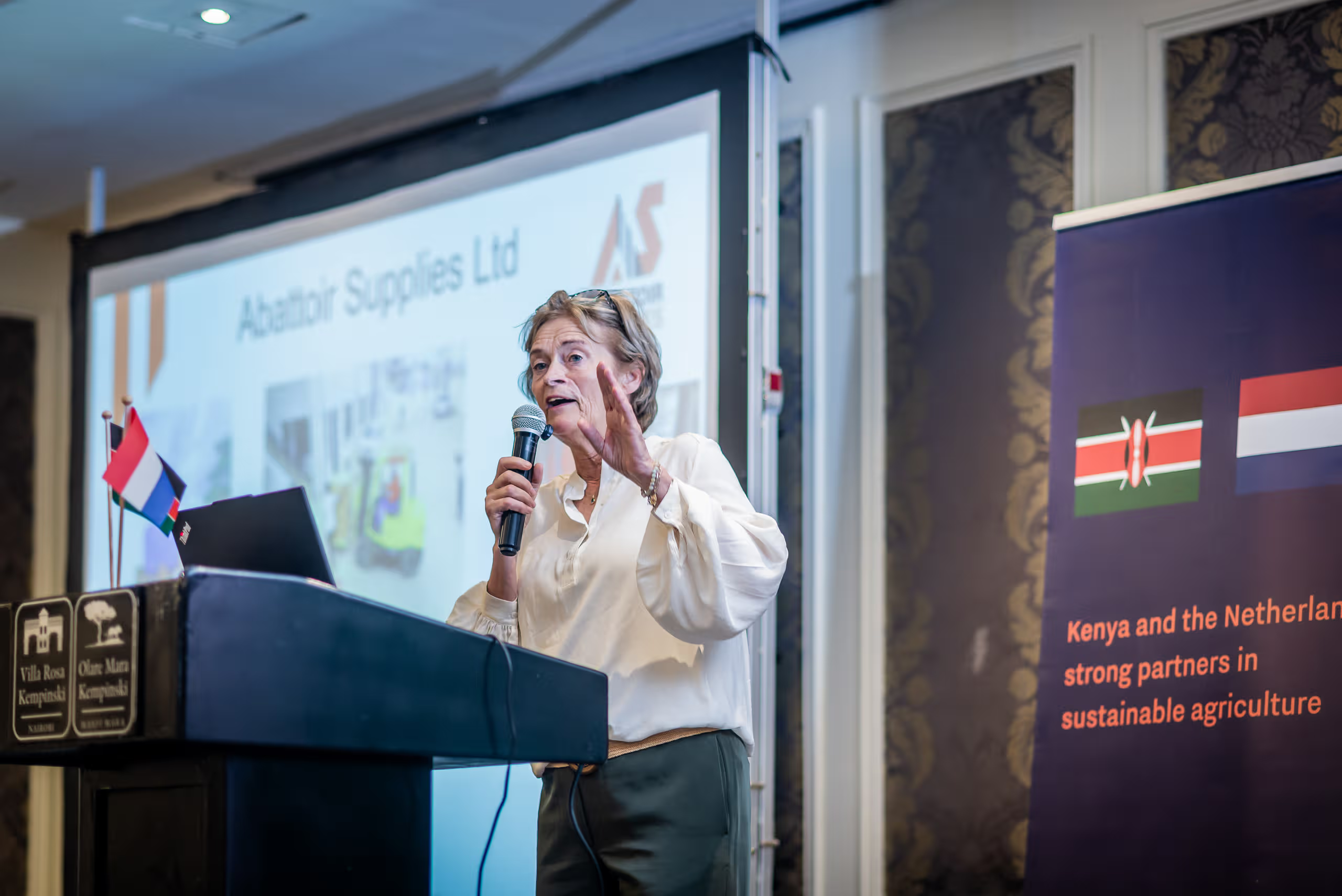
Veterinary experts reminded participants that healthy birds make wealthy farmers. They broke down the essentials of biosecurity in clear, actionable rules especially preventing pathogens from entering the flock and spreading to other farms. The importance of correct use of antibiotics, limiting the use to only when necessary, at the right dose, and never mixed with vitamins was emphasized, as Kenya confronts antimicrobial resistance challenges.
Collaboration as the path to transformation
Through all these discussions, one message stood out. Collaboration is the center of transformation. Whether through better planning between government and feed millers, collective voice through farmer associations like KEPOFA, or co-creation of solutions between Kenyan and Dutch partners, real progress will require alignment of interests and resources. Farmers need affordable, quality inputs. Regulators need capacity to enforce standards. The private sector needs predictable policies to invest confidently, government needs to ensure enforcement of policies, and development partners must continue to support innovation, research, and knowledge exchange.

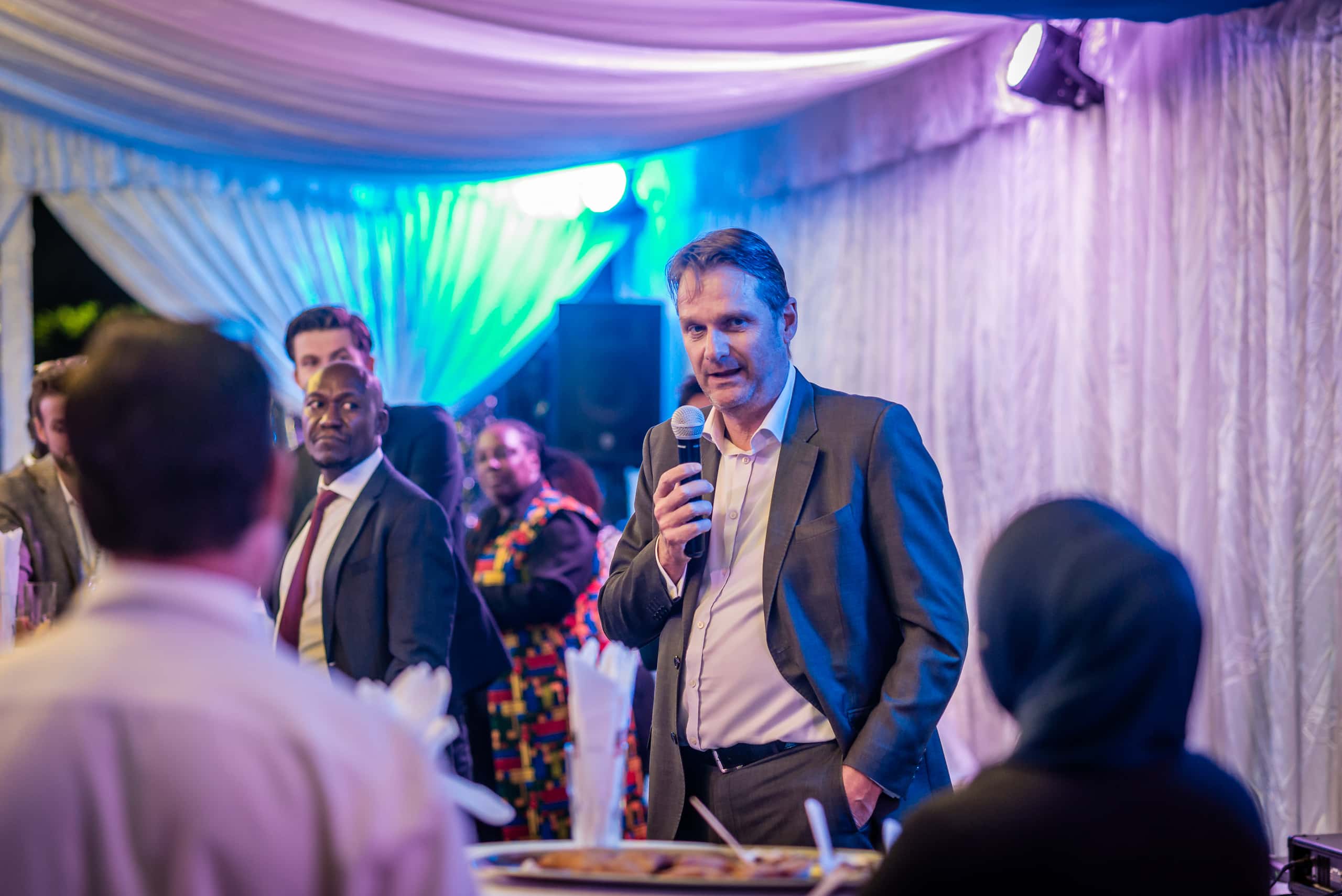
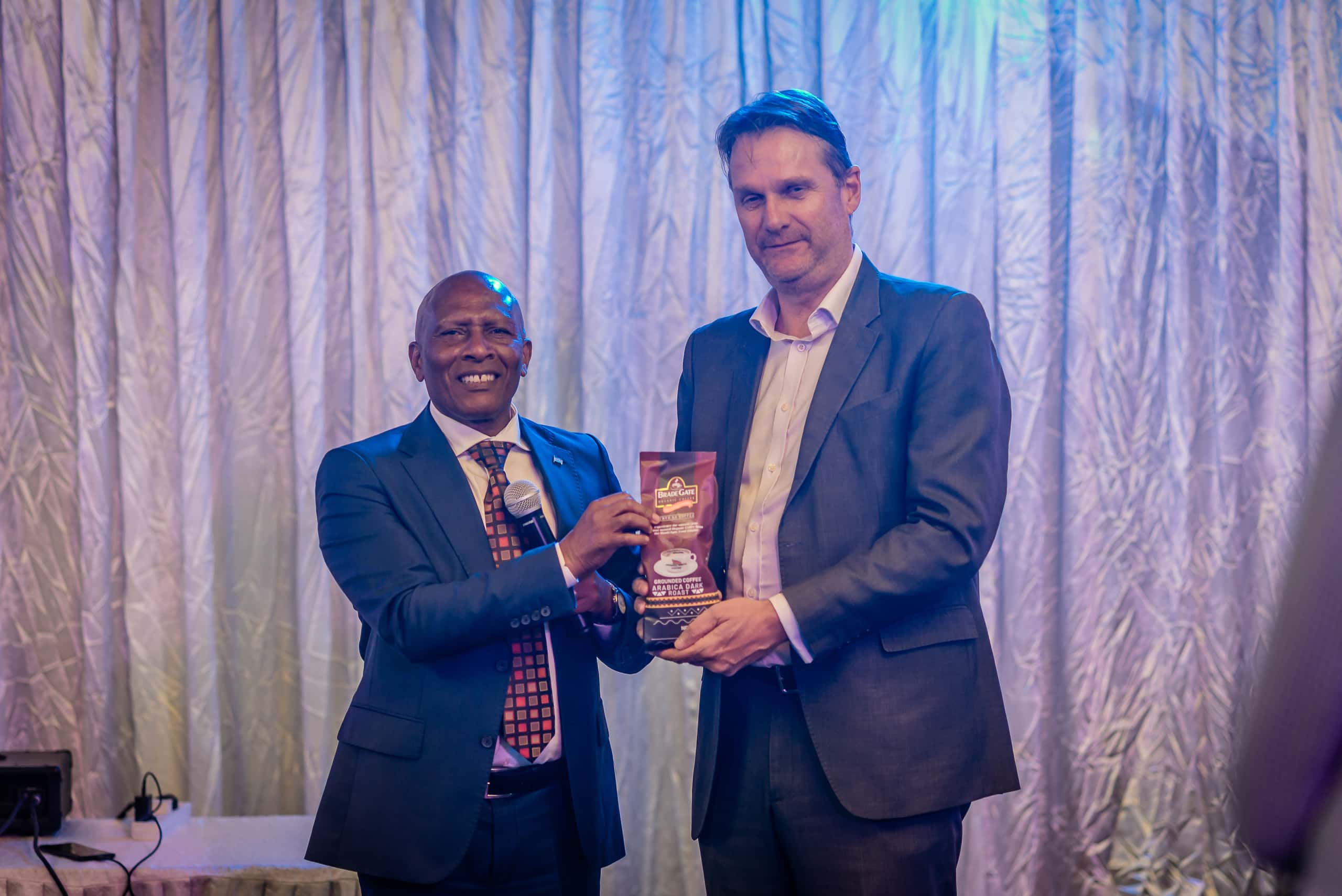
What made the Poultry Masterclass remarkable was not just the depth of expertise, but evidence that Kenya and the region are standing at a defining moment. The poultry sector could become one of East Africa’s strongest engines for job creation, nutrition improvement, enterprise growth, and rural development. But this will only happen if stakeholders choose to invest in solutions.
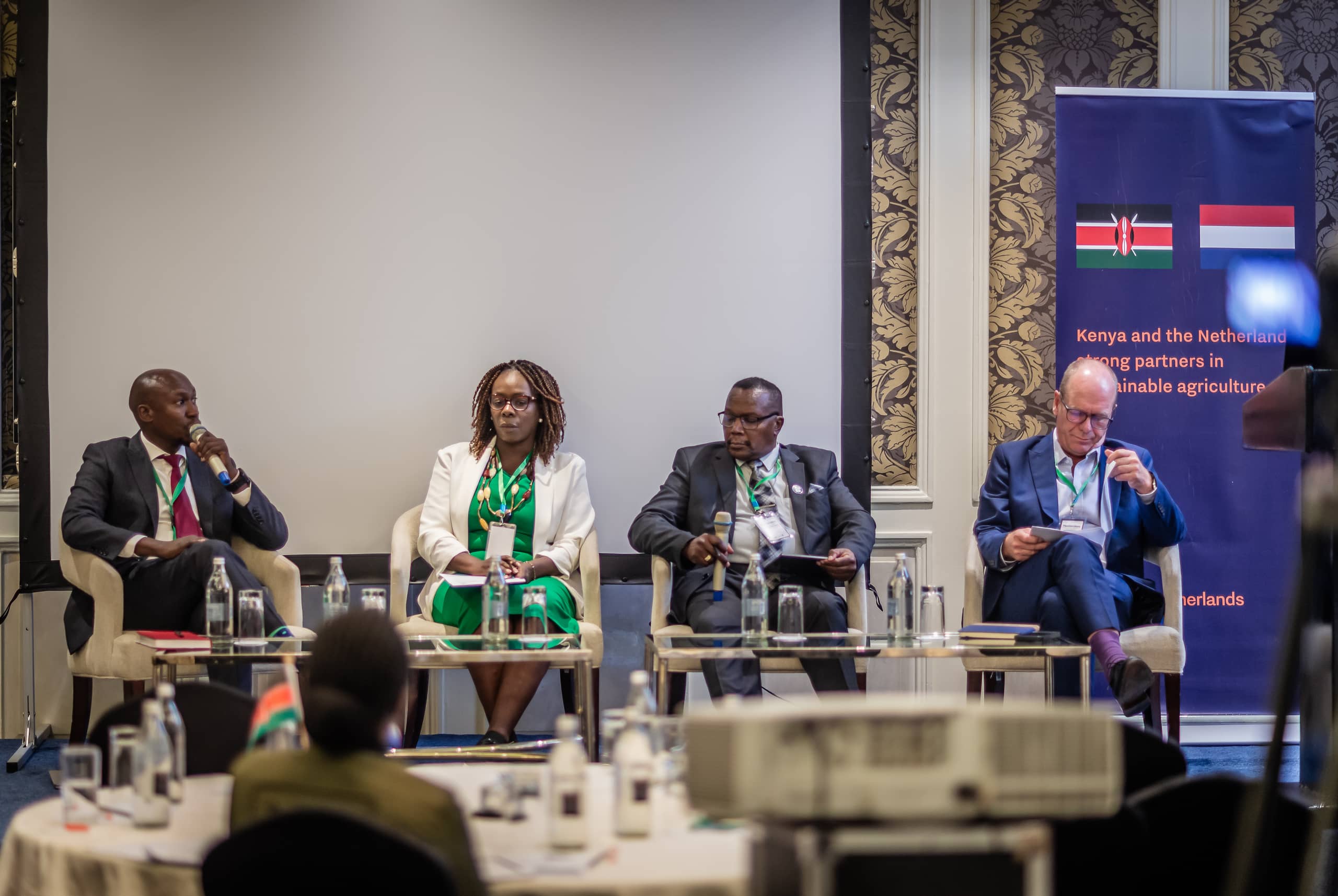
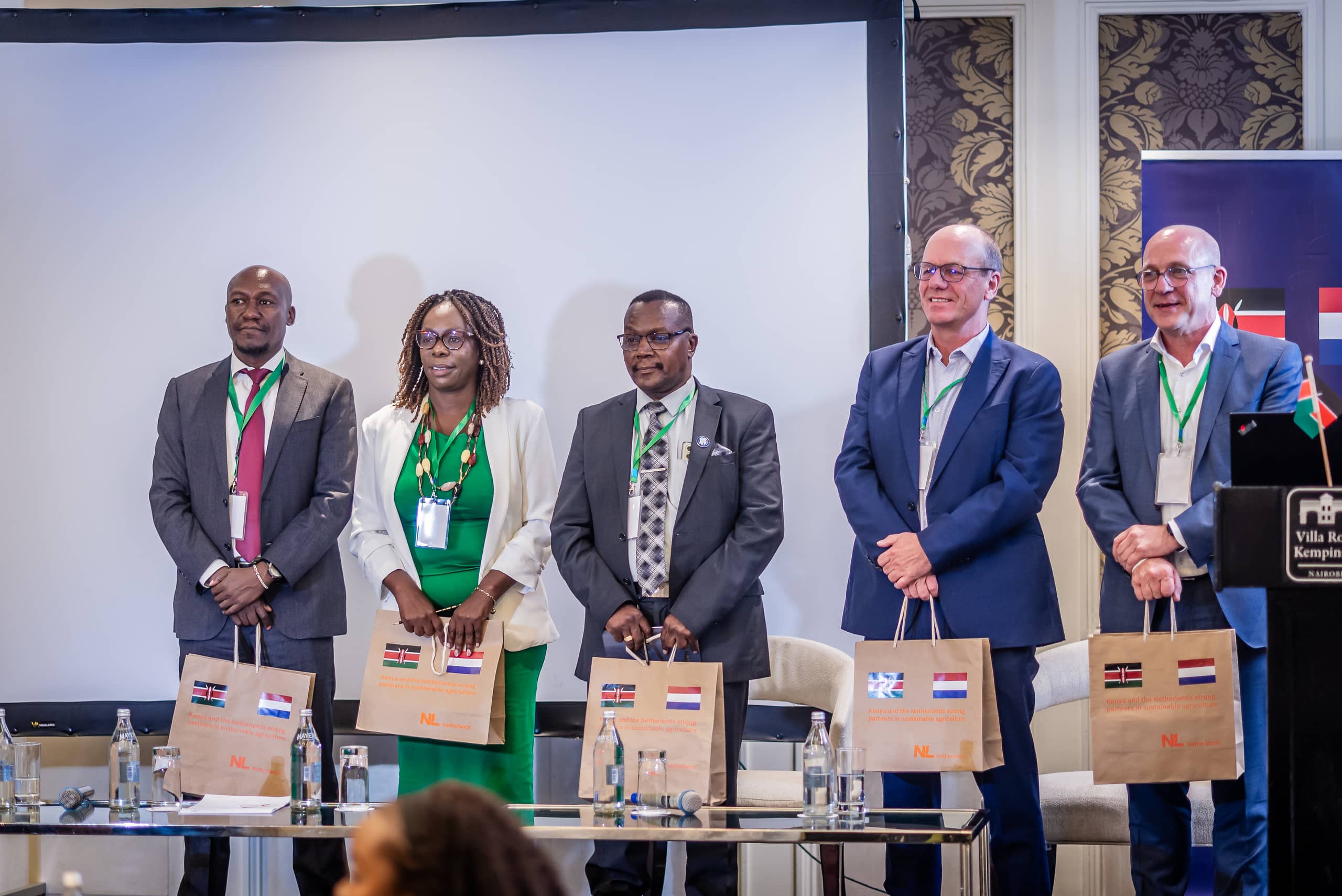
The Poultry Masterclass by B2Africa was a sign that the region is ready to reimagine what is possible, that partnerships work, and that the journey towards a modern, competitive poultry industry has truly begun. The time to act is now, and the responsibility rests with all of us. The future of poultry in East Africa will not be shaped by chance, but it will be built by those who show up, collaborate, and stay the course.
More information
For more information this subject or in case of questions for the Agricultural Counsellor, feel free to contact us via NAI-LVVN@minbuza.nl .
For the latest updates, follow us on LinkedIn, Twitter (X) and/or register for our newsletter by sending an email to NAI-LVVN@minbuza.nl