
Healthy fish stocks are vital for our marine ecosystems and the future of fisheries. While progress has been made in managing fish stocks in European waters, challenges remain for several species and regions. At the same time, we need to explore how we can continue to provide healthy, nutritious food in a sustainable way. Aquaculture is an important part of that conversation.
Beeld: © Seaculture
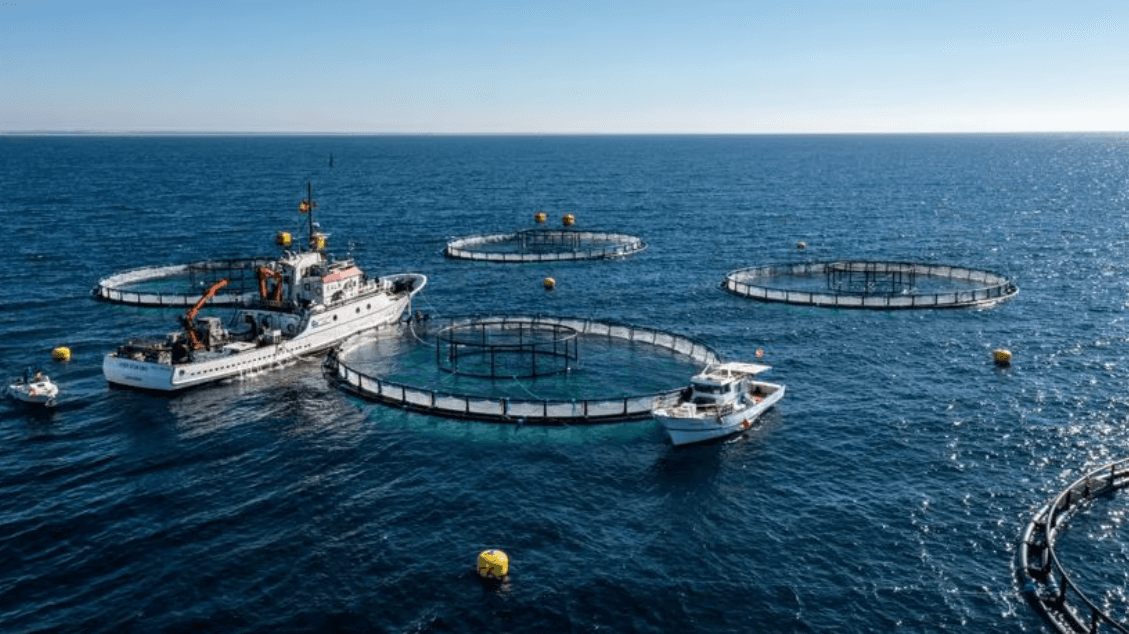
Recently, the LAN Team visited aquaculture facilities in Portugal to learn more about the sector and exchange experiences with Portuguese colleagues. It was a valuable opportunity to see aquaculture in practice, hear different perspectives and explore what the Netherlands and Portugal can learn from each other.
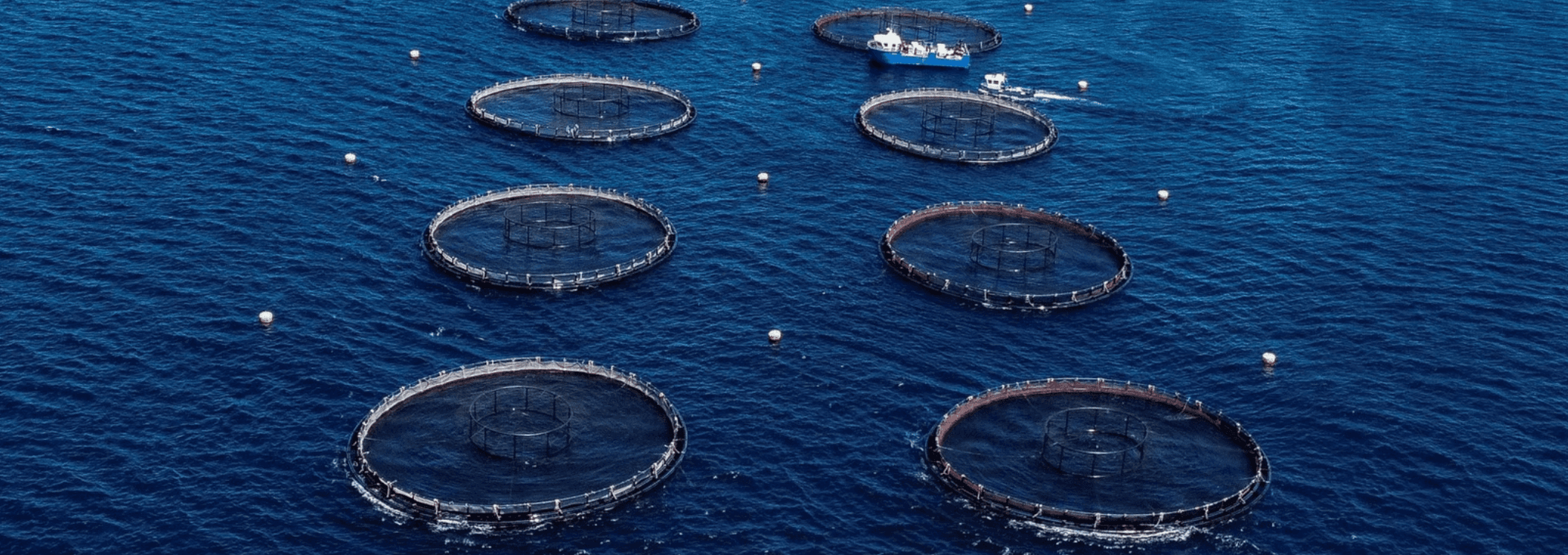
Together with Wageningen University & Research (WUR) and the Portuguese Directorate-General for Natural Resources, Safety and Maritime Services (DGRM) , we visited two aquaculture companies. Seeing different approaches to fish farming, from land-based production to operations in coastal waters, gave us a better understanding of the sector’s opportunities and the challenges that still need to be addressed.
Investing in People: A Key Challenge for Aquaculture
One thing became clear: innovation is essential for the future of aquaculture. New technologies, smarter production methods and the practical application of research can help the sector become more sustainable and efficient. But innovation is not just about technology. It is also about the people who develop, apply and improve these solutions.
That brings us to another important challenge: attracting and retaining people with the right skills. During our discussions with FOR-MAR and WUR, we explored how the Netherlands and Portugal could work together to strengthen education and training, exchange knowledge and encourage more young people to consider a career in fisheries and aquaculture.
Developing a future-proof sector takes more than ambitious plans. It requires practical experience, new ideas and people who are equipped and motivated to put those ideas into practice. By learning from one another, we can take meaningful steps towards a sustainable future for fisheries and aquaculture.
Beeld: © Seaculture