
June 2-4th 2026 marked the 13th edition of the International Floriculture Trade Expo IFTEX held in Nairobi – Kenya, under the theme "Shaping the Future of Floriculture,". This year's event comes at a time when the flower industry is navigating one of the most complex periods, against a backdrop of changing geopolitical dynamics, rising logistics costs, evolving phytosanitary regulations, changing consumer preferences, and increasing competition from emerging production regions. All these while positioning itself for future growth.

Nairobi became the global capital of flowers as growers, breeders, exporters, buyers, logistics companies, regulators, development partners, policymakers, and investors converged to discuss the opportunities and challenges facing one of Africa's most successful export industries. During the opening ceremony, Clement Tulezi- Kenya Flower Council CEO's noted that the story of Kenya's flower industry is not just about exports and market share. It has a human story, one that supports livelihoods, empowers women and youth, funds education, and strengthens rural economies. Participation in this event grew significantly compared to previous editions, demonstrating continued confidence in Kenya's floriculture industry despite ongoing global economic uncertainty and supply chain disruptions. Kenya remains the largest exporter of rose cut flowers into the EU market. Yet, beneath the optimism lies a sector under pressure. Freight costs now account for as much as 40 percent of production expenses, while growers continue to grapple with rising input costs, regulatory compliance requirements, taxation concerns, market access barriers, increasing demands from consumers for sustainability, traceability, ethical production, and emerging pests and diseases, that lead to interceptions. These challenges were repeatedly raised throughout the exhibition and echoed by both growers and buyers.
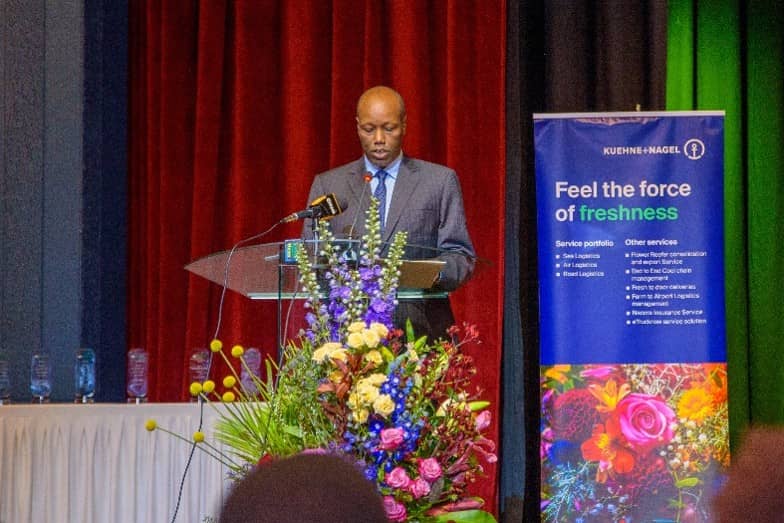
Beeld: Cabinet Secretary for Investments, Trade and Industry, Hon. Lee Kinyanjui
The Kenyan Government used the platform to reaffirm its commitment to supporting the industry. Cabinet Secretary for Investments, Trade and Industry, Hon. Lee Kinyanjui, acknowledged the concerns raised by stakeholders and committed to continued engagement aimed at improving VAT refund efficiency, strengthening logistics infrastructure, reducing compliance burdens, and expanding market access opportunities. This affirmed the government's committment to support public and private sector Collaboration.
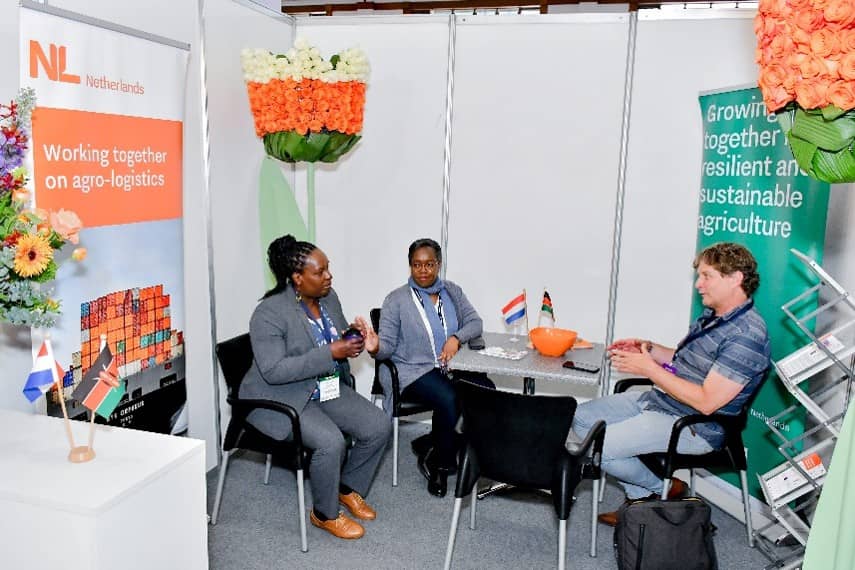
EU Partnership and Investment in Kenya’s Flower Exports
The European Union's presence at IFTEX further underscored the importance of Kenya's floriculture sector in global trade. Speaking during the opening ceremony, Filippo Amato, Head of Trade at the EU Delegation to Kenya, highlighted the longstanding partnership between Kenya and the European Union, noting that Kenyan flower exports to Europe exceed €500 million Euro annually. Through the Economic Partnership Agreement, Kenyan flowers continue to enjoy duty-free and quota-free access to the European market, supporting jobs, investment, and economic growth. The EU also reaffirmed its support through initiatives such as the Business Environment and Export Enhancement Programme (BEEEP) and the Global Gateway Strategy, which is exploring investments in cold-chain infrastructure and green logistics solutions aimed at improving competitiveness and reducing post-harvest losses.
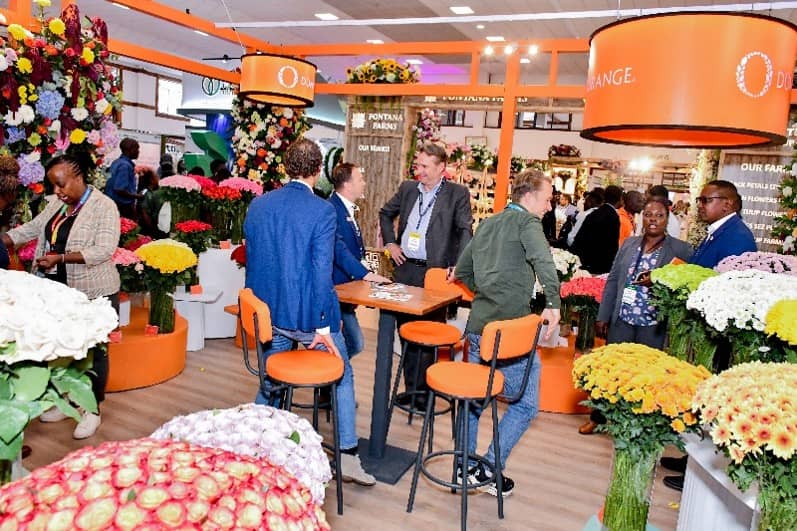
The Netherlands remains the world's leading flower trading hub and has played a significant role in the development of Kenya's floriculture sector through breeding, logistics, technology, investment, market access, and knowledge transfer. During IFTEX, the Netherlands floriculture value chain actors were represented through companies operating across the value chain. This included breeders, logistics providers, propagators, technology suppliers, exporters, and retailers. The Dutch Flower Group (DFG) -hosted a round table meeting on False Codling Moth, bringing together growers, retailers, certification bodies, and industry representatives, discussions focused on how the sector can remain commercially viable while responding to increasing sustainability expectations. Participants acknowledged that while demand for flowers continues to grow globally, value distribution along the supply chain remains uneven. Growers face escalating production costs, yet flower prices have largely remained stagnant over the last several years. There were calls for greater transparency across the value chain and more equitable pricing mechanisms that reflect the true cost of sustainable flower production. The discussions also highlighted broader market shifts currently shaping global floriculture. Climate change, carbon reduction targets, compliance requirements, rising labour costs, evolving consumer preferences, and increased competition from emerging markets, pushing the industry to rethink traditional business models.
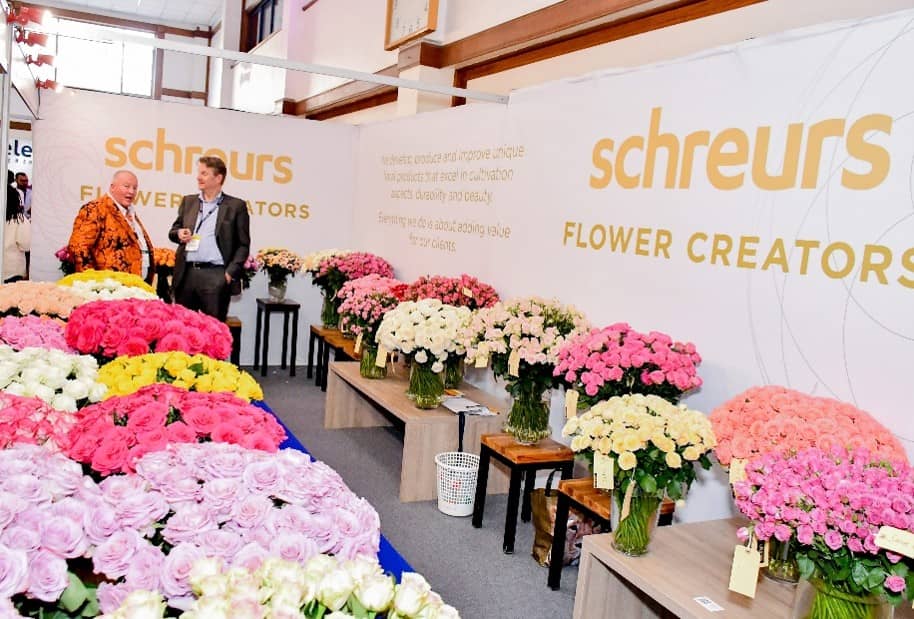
The consensus emerging from the dialogue was that the future of floriculture remains promising. However success will increasingly depend on innovation, sustainability, diversification, and stronger collaboration between producers, buyers, regulators, and retailers. That optimism was echoed during a visit by Ambassador Henk Jan Bakker of the Kingdom of the Netherlands to Kenya, who toured the exhibition and met with both Kenyan and Dutch companies operating in Kenya. Despite global disruptions, the Ambassador observed a remarkable level of confidence among exhibitors and buyers. His visit reflected the continued strategic importance of the Kenya-Netherlands partnership in floriculture and the growing focus on future logistics solutions, including greater utilization of rail and sea freight as the industry seeks to reduce its carbon footprint while improving efficiency.

False Codling Moth: Safeguarding Plant Health and Market Access
Beyond trade and sustainability conversations, one of the most critical discussions emerging from the week focused on plant health and market access.The False Codling Moth (FCM) stakeholder consultative meeting brought together regulators, growers, exporters, technical experts, researchers, and industry representatives. The discussions focused on a proposed project aimed at developing practical post-harvest interventions to reduce the risk of FCM interceptions in rose exports. The discussions reflected the urgency surrounding FCM, which remains one of the most significant phytosanitary concerns for Kenya's flower exports into the European Union. While KEPHIS-has reported encouraging progress through existing systems approaches and traceability mechanisms that have contributed to reduced interceptions over the past year, stakeholders agreed that additional interventions are required to strengthen compliance and safeguard market access.
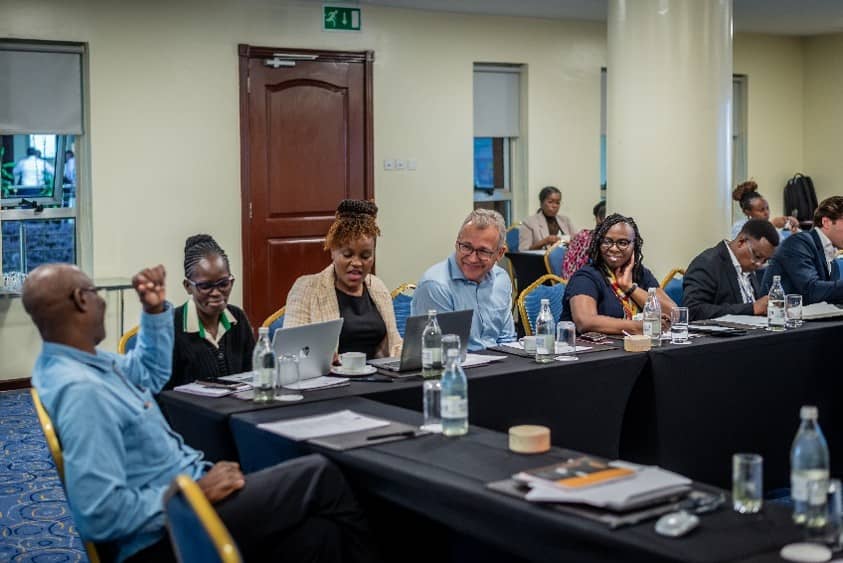
At the centre of the discussion was a proposed intervention that focuses on the use of non invasive treatments and temperature control aimed at reducing FCM risk before flowers reach export destinations. Participants emphasized that any solution must be scientifically robust, commercially practical, and cost-effective for both large exporters and smaller growers.
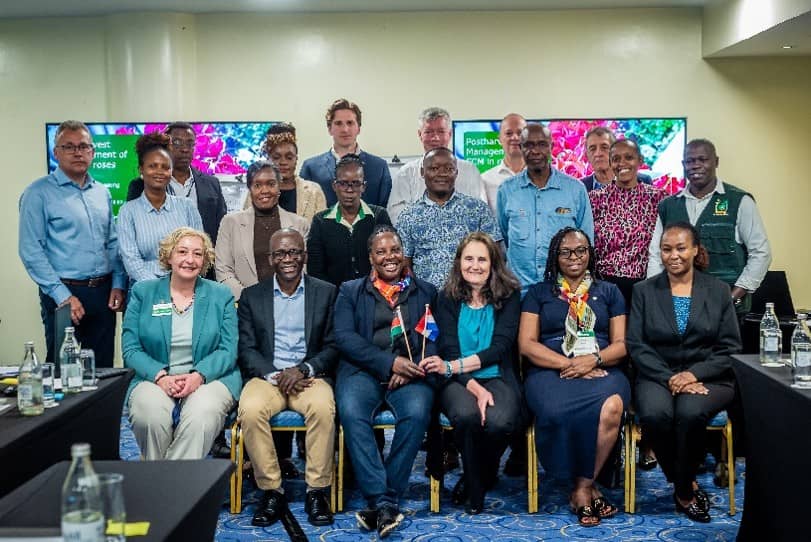
The team also drew parallels with successful cold treatment protocols used in global citrus, blueberry, and grape export systems. Discussions explored whether similar approaches could be adapted for floriculture, including multiple temperature-treatment combinations that provide flexibility under commercial shipping conditions.
In the long-run, collaborative action is essential for the floriculture industry to stay ahead of increasingly stringent market requirements. Collectively, the IFTEX conversations painted a picture of a globally competitive industry that understands the need to evolve, and is driven by stakeholders that are keen to collaborate towards building resilient solutions.
More information
For the latest updates, follow us on LinkedIn and / or register for our newsletter by sending an email to NAI-LVVN@minbuza.nl