
As Tanzania’s poultry industry grows, driven by the rising protein demands of an ever-growing population, there's a crucial conversation unfolding around the future of poultry health. With consumers increasingly prioritizing food safety, the emergence of shifting from preventive measures than treatments in poultry farming practices have never been more timely or necessary.

To support this ambition, The Netherlands Embassy, in collaboration with the Netherlands Enterprise Agency (RVO), hosted an insightful seminar in Dar es Salaam and Pwani regions, aimed at veterinary practitioners and stakeholders across the poultry sector. This event was pivotal in promoting sustainable poultry farming practices, emphasizing the reduction of antibiotic reliance and highlighted the importance of preventive measures.
The seminar kicked off with powerful opening remarks from the Deputy Ambassador of the Netherlands to Tanzania, Mr. Onno Koopmans. He stressed that antibiotics and medications should be the last option for poultry farmers, advocating for effective disease prevention strategies. “To protect our youth’s future, we must focus on improved management practices instead of medications,” he asserted, resonating with a growing demand for safe and healthier poultry products.

Program of the seminar
Among the highlights of the seminar was Ms. Josje Hakker from Aeres Training Center, who provided valuable insights on biosecurity, chick quality, comprehensive farm treatment plans, and innovative strategies to prevent and manage diseases like Gumboro. This sparked lively discussions on best practices, illuminating pathways for collaboration between the Netherlands and Tanzania in transforming the poultry sector.
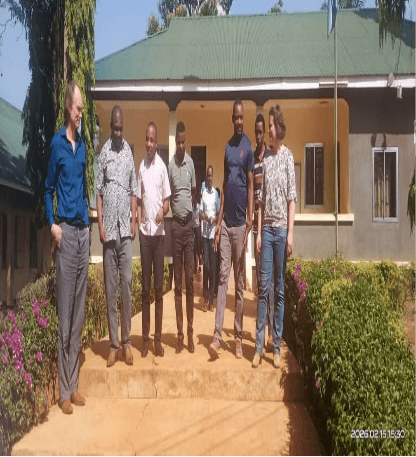
Participants engaged enthusiastically, with professionals like Mr. Azory Mbuma emphasizing that adopting best practices can yield healthy poultry without excessive reliance on medications. This shift could significantly reduce dependency on drugs for disease management among farmers, fostering a healthier poultry environment.
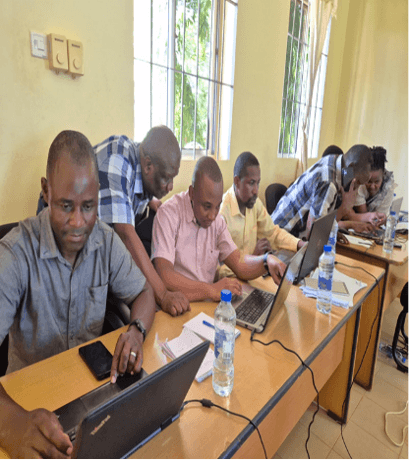
In a parallel initiative, Ms. Hakker, alongside Mr. Ard Sonneveld, a curriculum development specialist from Aeres, collaborated with the Livestock Training Agency (LITA) to design a specialized poultry curriculum aligned with NACTVET guidelines. This effort aims to embed sustainable practices into educational frameworks, ensuring that knowledge is widely shared among future poultry professionals.

More than just presentations
The experts not only contributed to curriculum development at LITA’s Morogoro campus but also engaged with students and teachers, observing local teaching methods and sharing insights from their experiences in the Netherlands. This interaction is integral to equipping Tanzania's poultry industry with the essential skills for a sustainable transformation and promoting ethical poultry farming practices.
A heartfelt thank you goes to LITA for its dedicated efforts in spearheading the curriculum drafting process, to Aeres for generously sharing their expertise, and to all the veterinary professionals who actively participated in the seminar.
More information
For more information about poultry farming practices in Tanzania, you can reach out to the Netherlands Agricultural Network team at the Dutch Embassy in Dar es Salaam: dar-lvvn@minbuza.nl.