
A follow-up biodiversity project supported by the Netherlands Agricultural Network in Rabat is widening the focus of waterbird monitoring in Morocco. Building on the work begun in 2025, the extension targets three additional areas, helping students, conservation staff and local volunteers develop the skills needed to collect reliable information about birds and their wetland habitats.
For a bird migrating between Europe and Africa, protection depends on conditions along its entire route. The Black-tailed Godwit, known in the Netherlands as the Grutto, is one of the species connecting the two countries. Its dependence on wetlands beyond Dutch borders gives cooperation with Morocco a direct relevance to Dutch conservation efforts.
Building on the first phase
The initial project combined practical training with tools for conservation planning. As reported by Agroberichten Buitenland in January 2026, more than 70 participants took part in training linked to Smir, Merja Zerga and Sidi Boughaba. The project also produced an atlas of wintering shore and meadow birds and four national conservation action plans.
The follow-up addresses the next challenge: extending that knowledge to places where trained observers and opportunities for field training remain limited. Its focus is on helping people living or working near wetlands contribute to regular monitoring over time.
Reaching different wetland landscapes
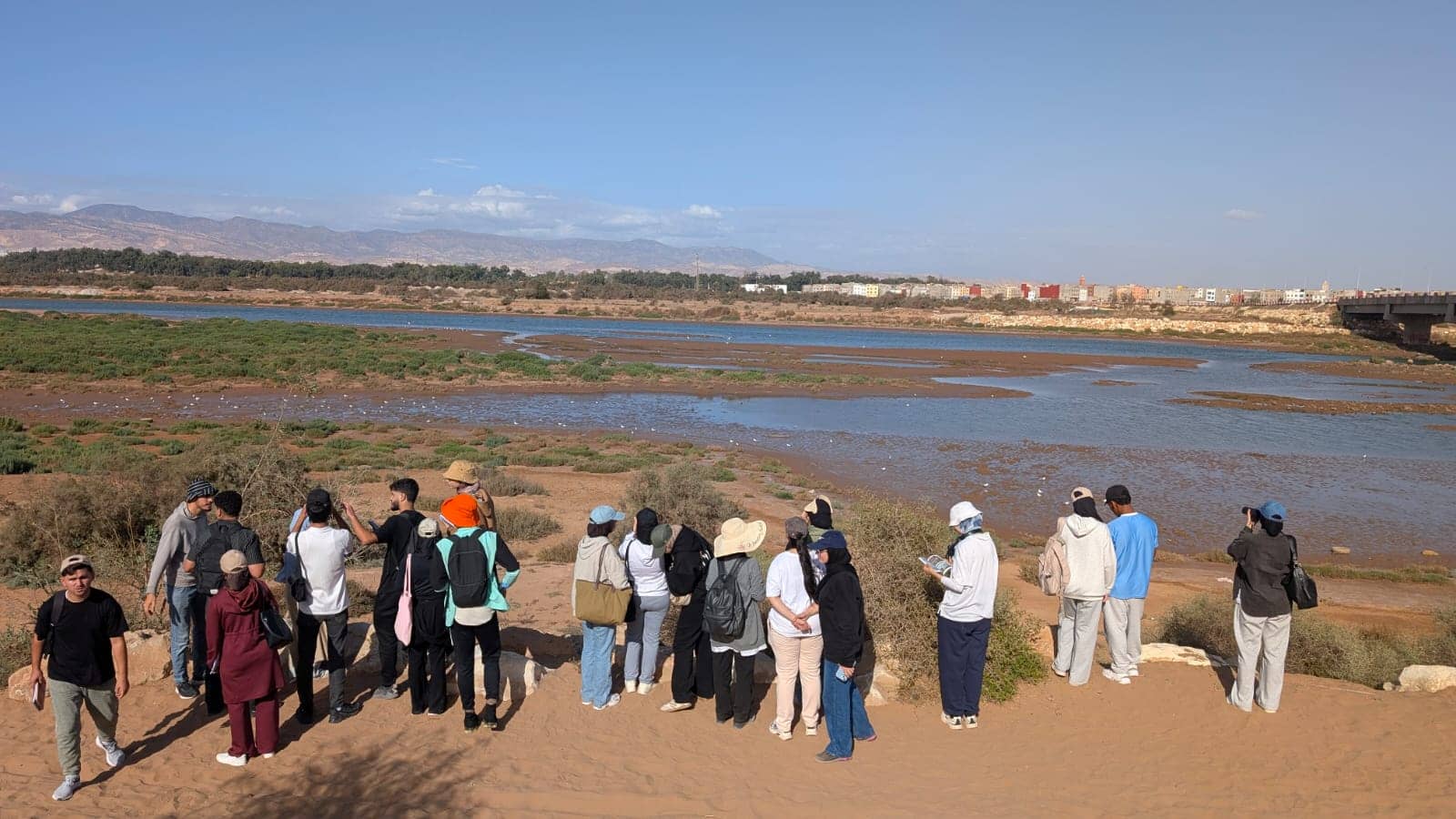
The 2026 program targets the Souss and Massa estuaries near Agadir, the Moulouya Estuary in northeastern Morocco and Merzouga Lake in the southeast. Together, they bring Atlantic, Mediterranean and inland wetland environments into the training program.
These settings present different monitoring needs. The Souss and Massa estuaries offer opportunities to connect field observations with protected-area management. At the Moulouya Estuary, monitoring can help document changes in a wetland affected by pressures on land and water. Merzouga’s temporary lake brings an inland dimension: when water is present, it provides habitat for waterbirds in an otherwise arid landscape.
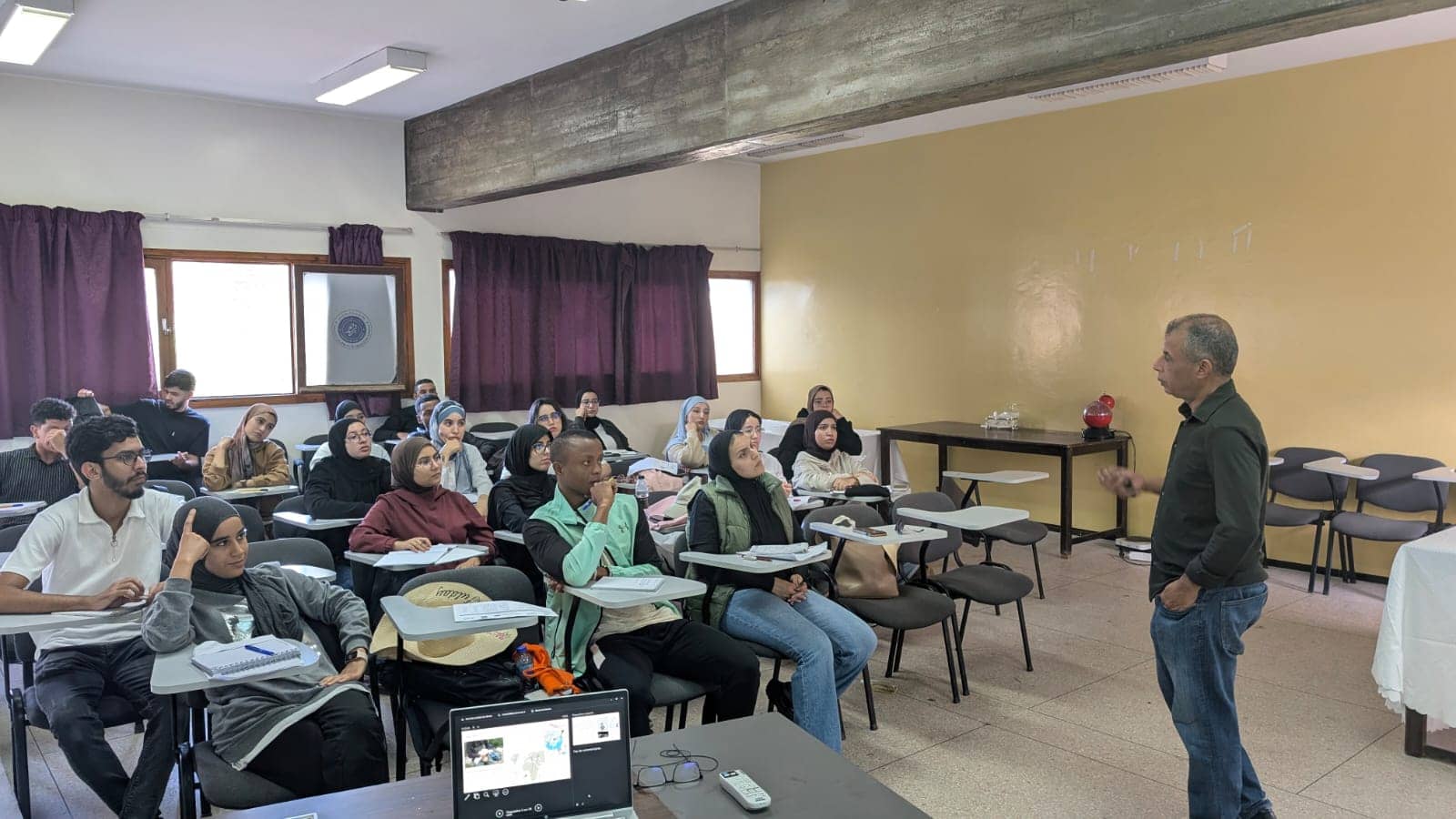
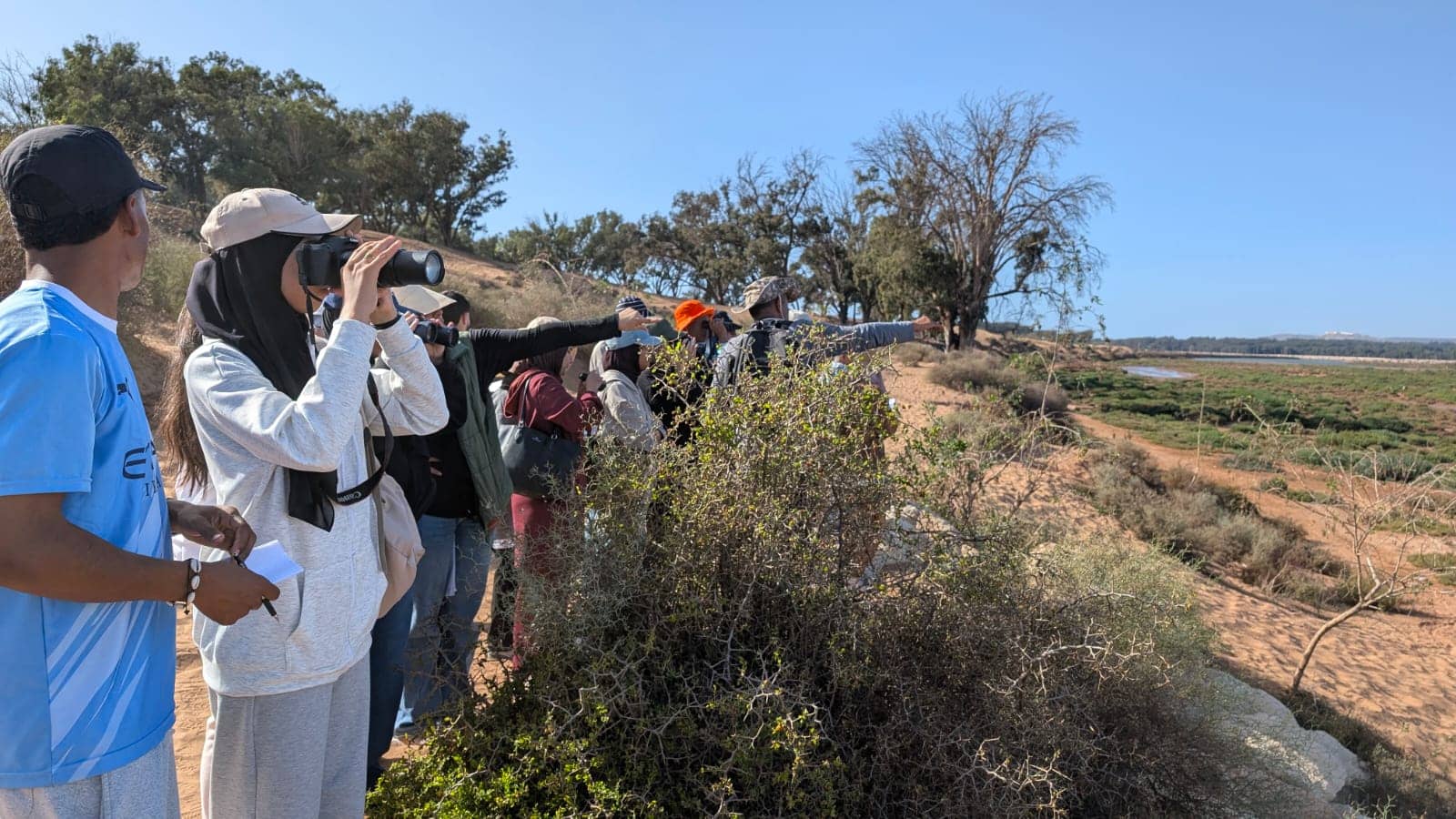
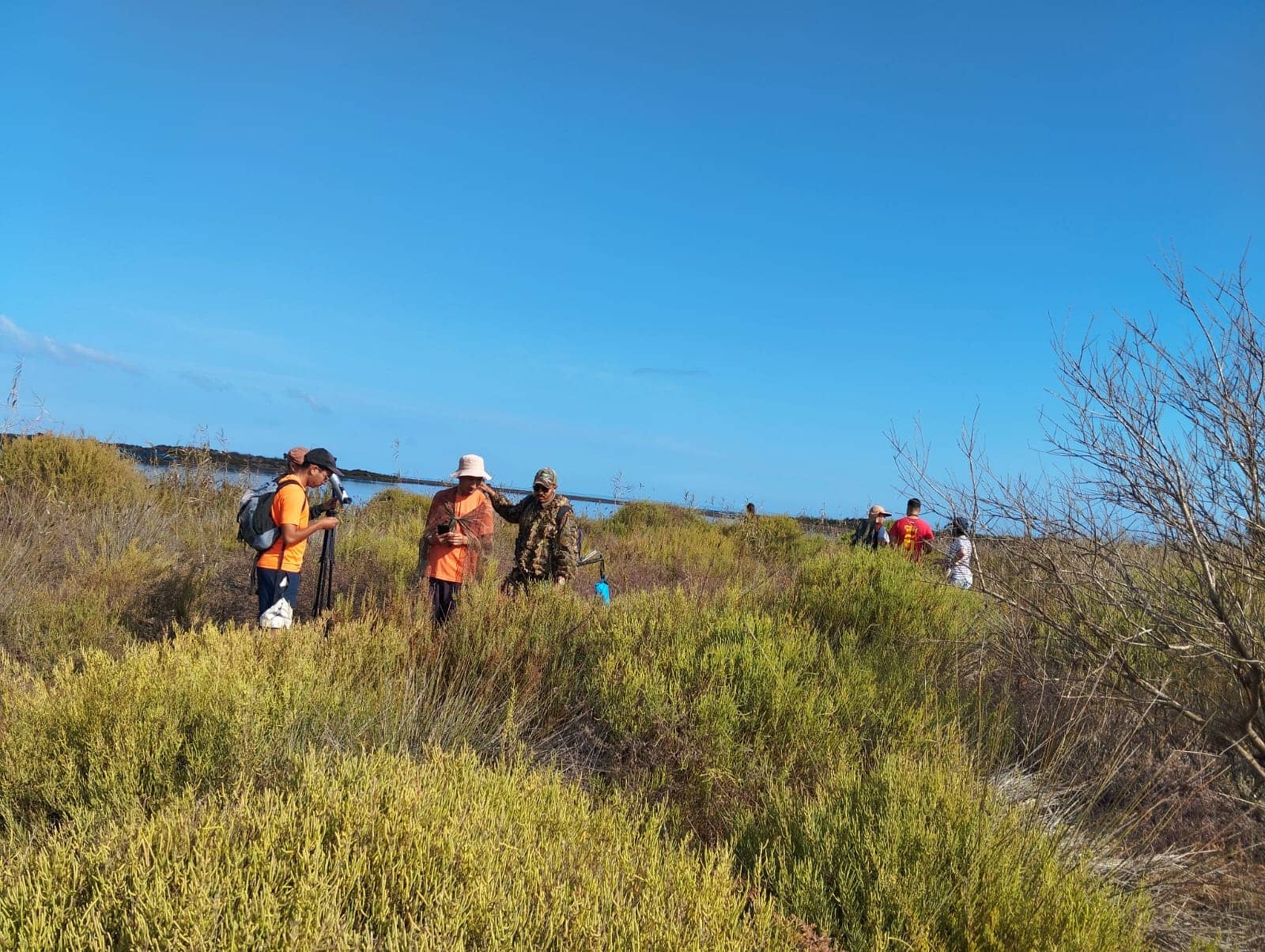
The program aims to train at least 60 participants through three-day courses combining classroom learning and fieldwork. Moroccan experts cover species identification, bird counts, wetland ecology and the recording and reporting of observations. The intended participants include university students and researchers, staff of the National Agency for Water and Forests (ANEF), and members of local associations.
Beeld: © LAN
Making field observations useful
Reliable monitoring depends on consistency. Identifying species accurately, following agreed counting methods and recording observations carefully make it easier to compare results between sites and across years. The extension therefore links practical birdwatching skills with the methods needed to contribute usable data to national monitoring programs.
Beeld: © LAN
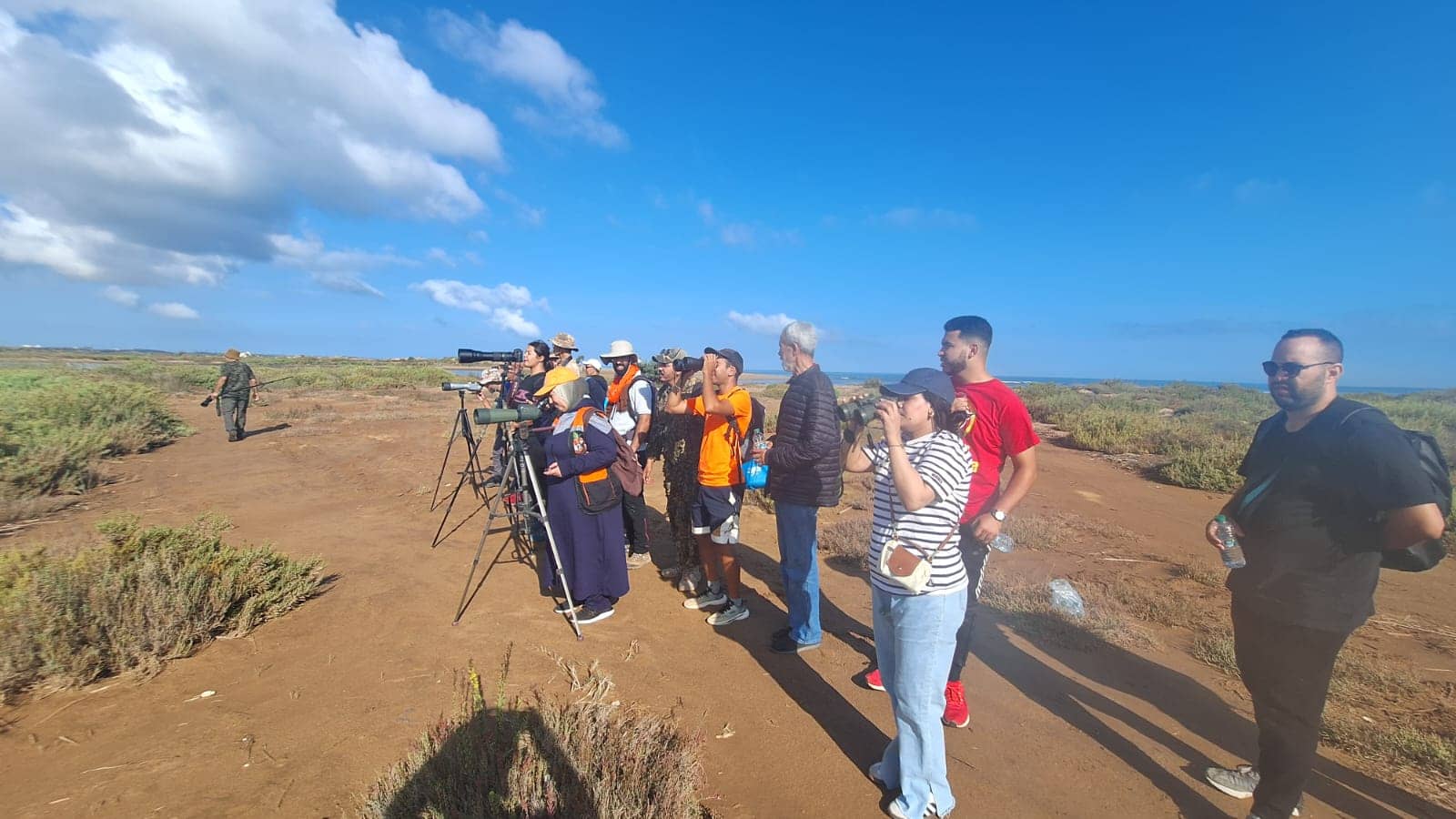
A central aim is for trained participants to join regular counts, including the International Waterbird Census. The project also envisages equipping local monitoring teams and strengthening contact between observers, researchers and site managers. These arrangements are intended to help participants keep using their skills after the courses end.
The follow-up proposal brings together ANEF, the Institut Scientifique at Mohammed V University in Rabat, GREPOM/BirdLife Maroc and WWF North Africa, alongside local organizations and universities. LAN Rabat supports the work through project oversight and follow-up with partners.
Beeld: © LAN
Beeld: © Yes
Connecting biodiversity with water and agriculture
Morocco’s wetlands support biodiversity while forming part of landscapes that also supply water and sustain agriculture. Drought, changes in water availability and development pressures make decisions about their management increasingly difficult.
Bird monitoring contributes one part of the evidence needed for those decisions. Combined with information on water and habitat conditions, repeated observations can help managers recognize changes and identify where further investigation or conservation action is needed. This connects the project with LAN Rabat’s wider work on agriculture, water and the sustainable use of biodiversity.
Looking beyond the current extension
The immediate priority is to turn training into sustained participation in monitoring. Looking further ahead, there is an ambition to build on Morocco’s experience through closer exchanges with other countries and partners elsewhere along the East Atlantic Flyway. Shared training & development and more comparable data could strengthen cooperation between countries used by the same migratory birds.
These ideas are proposals for future cooperation, subject to further agreement and funding.
For now, the extension focuses on the people and practical skills needed to make regular monitoring possible in more Moroccan wetlands.
Beeld: © LAN