
How can agricultural education better prepare students for the realities of labor market? A pilot program in the Kurdistan region of Iraq is bringing universities and agribusiness closer together to help answer that question.
Participants of the program
This year, the year looked a little different for 60 agriculture students in the Kurdistan Region of Iraq. Instead of spending all their time at university halls, they found themselves working at modern greenhouses, packing houses, orchard farms, hydroponic projects, and sitting down with the people who actually own the region's biggest agricultural and food businesses.
The program took place in two rounds — one in Erbil, one in Sulaimani — and was led by Netherlands Agricultural Network (LAN) team in Iraq together with the University of Salahaddin in Erbil and the University of Sulaimani. The idea came about from a familiar problem many agriculture graduates face: university teaches you the theory, but it doesn't always prepare you for what employers actually need, namely practical experience and the right connections in the industry.
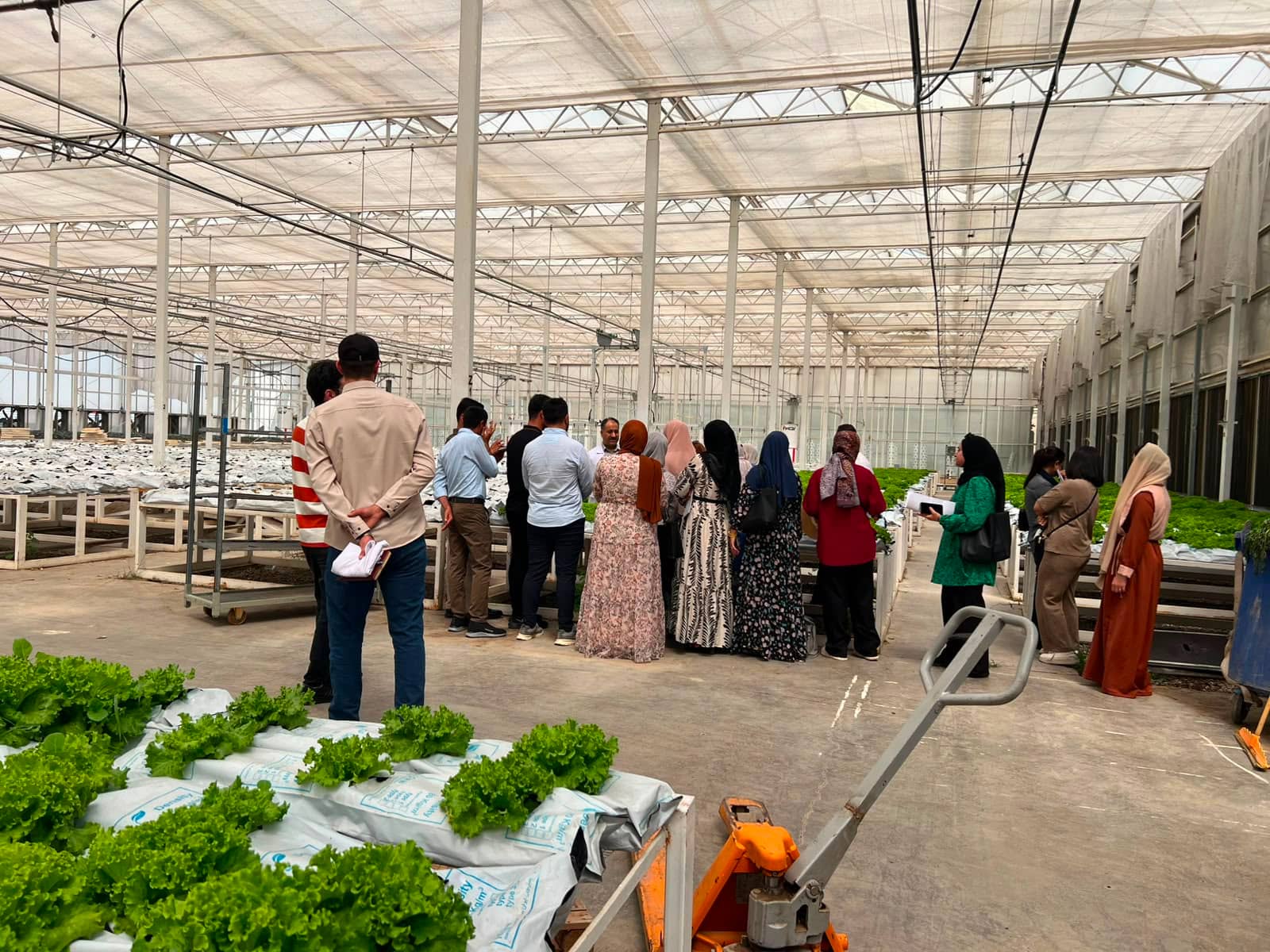
On-site training at Al Rawatan Farm, Erbil, led by the project manager 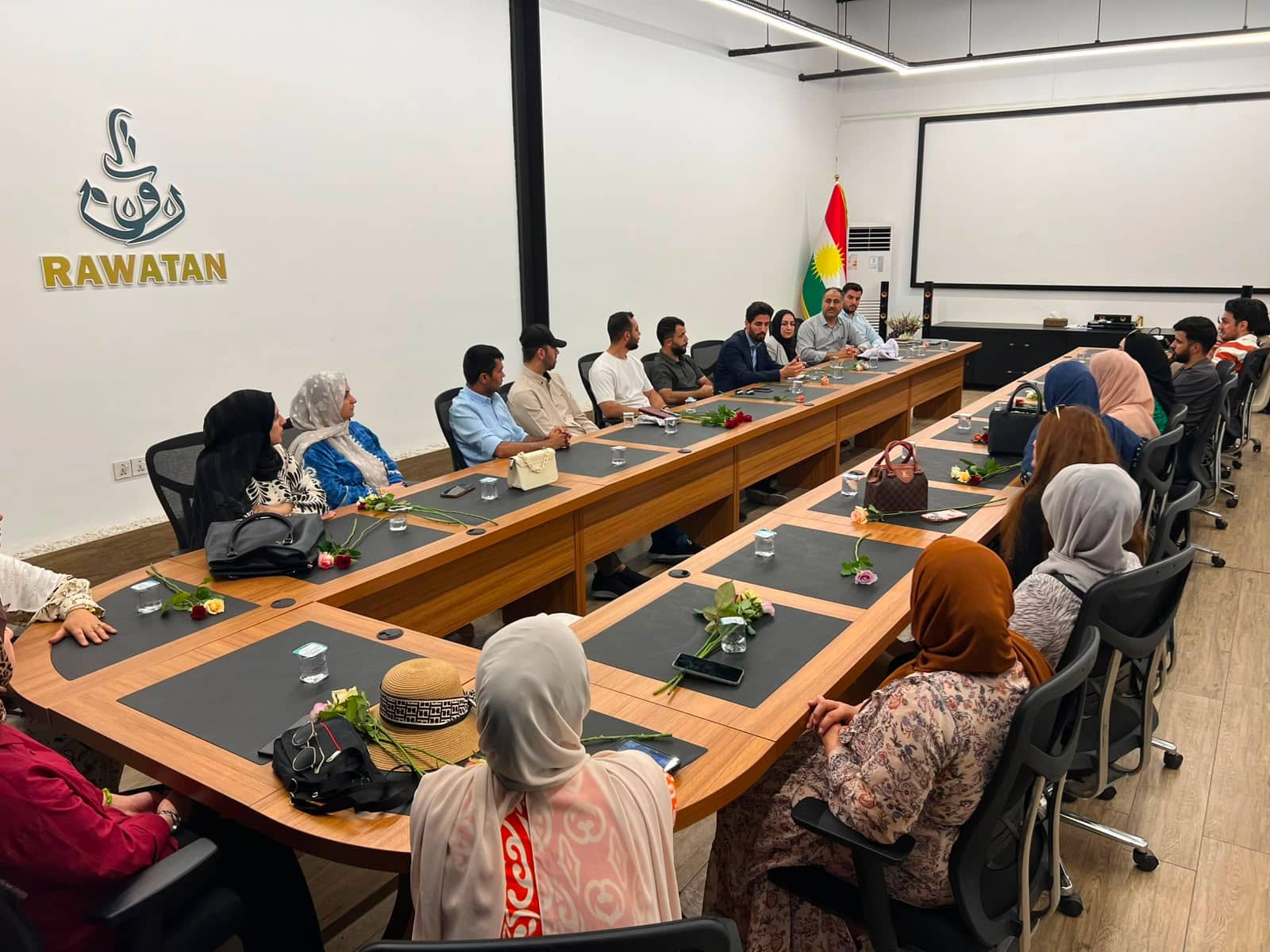
Students at Rawatan
A generation the sector needs to win back
Across the region, agriculture remains one of the most important sources of employment — yet it still struggles to attract young people. Many see it as difficult, low-paying work rather than a real career path, and that perception keeps the youth from even considering studying in this field. Meanwhile, agribusinesses face the opposite problem: they can't find graduates who actually understand how a modern farm or food company operates.
For many, it was the first real look at what a career in the sector could actually look like.
That gap is exactly what the program “Development of Agricultural and Food Skills: Connecting University Students to the Agribusiness Sector in the Kurdistan Region” was designed to close, giving students four weeks of training sessions, farm visits and direct engagement with agribusinesses. For many, it was the first real look at what a career in the sector could actually look like.
Students get hands-on experience at Kotal Hydroponic Farm, one of the program’s partners- Dukan, Sulaymaniyah
Building bridges: connecting university and industry
In Iraq, universities and the private sector often work in separate silos — with little dialogue between what's taught in the classroom and what agribusinesses actually need. The training set out to challenge that, built on the idea that stronger public-private partnerships are essential for preparing graduates who are ready for the job market.
Pairing university curricula with real agribusinesses meant that what students learned in the classroom didn't stay theoretical. It was tested, questioned and sharpened by what employers actually need on the ground — a small but meaningful step toward closing the gap between education and industry in the Kurdistan Region.
Students visit a local farm as part of the program
A final gathering of experts, officials and students
The closing event featured presentations from both Dutch and local experts, bringing together the university staff, private sector, organizations and students for a final round of insights before the program wrapped up. The presentations centered on a shared message: partnerships with the private sector should not be optional, but a core part of preparing graduates for real jobs. Speakers touched on the roles that students, university staff and industry each play in making that connection work, while also stressing the need to keep evolving university curricula so they stay aligned with what the private sector actually needs.
Participants at the closing event in Sulaymaniyah
More information
For more information about Dutch agricultural cooperation in the Kurdistan Region, you can contact the Netherlands Agricultural Network (LAN) team at the Dutch Consulate-General in Erbil: erb-lvvn@minbuza.nl.