
In the heart of Tanzania, the interplay between nature and agriculture is not only vital for food security but also essential for sustaining biodiversity. Agricultural lands serve as crucial ecosystems that support a variety of flora and fauna, demonstrating the inherent connection between farming practices and environmental conservation. Recognizing this vital relationship, the Ministry of Agriculture, Fisheries, Food Security and Nature of the Netherlands has extended support to the Agriculture Growth Corridor of Tanzania (AGCOT) Centre in Tanzania to implement a nature - based solution through the Spice Agroforestry Project, aimed at landscape restoration and biodiversity conservation in the Morogoro region.
A Holistic Approach to Agricultural Sustainability through Spice Agroforestry Interventions
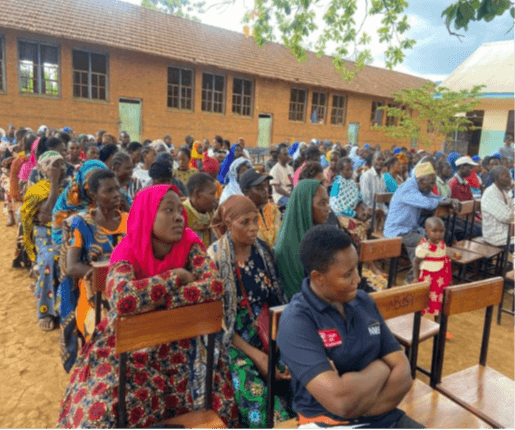
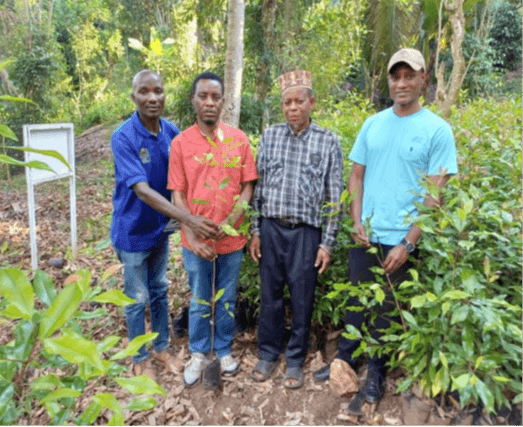
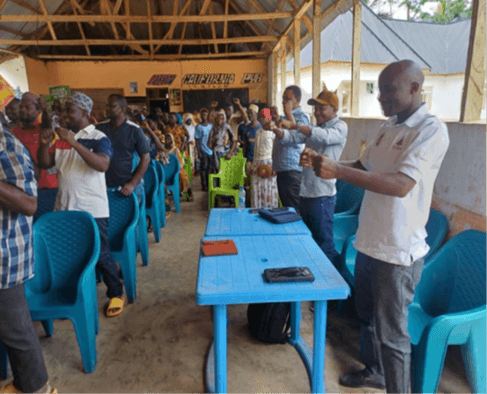
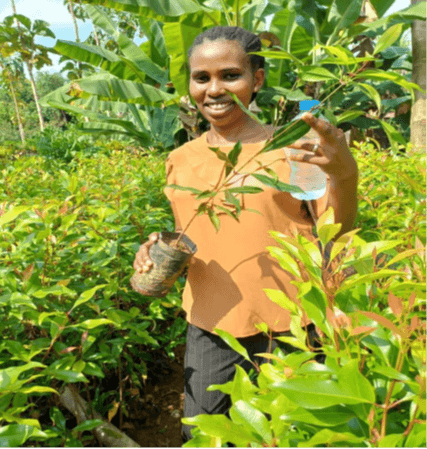
The Spice Agroforestry Project, implemented in the Tawa, Mkuyuni, and Konde Wards, significantly benefits women and youth by integrating spice agroforestry with biodiversity conservation and livelihood development. Training sessions and Farmer Field Schools have empowered 1,211 farmers where 51% youth and 24% women in Good Agricultural Practices (GAP) and value addition. The project has established community-led tree nurseries for soil and water conservation, enhancing buffer zones and watershed management. 580 spice farmers have been identified and mapped where 274 from Mkuyuni, 197 from Tawa, and 109 from Konde, facilitating efficient outreach and collaboration. Additionally, 20,000 spice seedlings have been produced and planted, covering about 328.07 hectares under Climate-Smart Agriculture (CSA). These efforts not only improve agricultural productivity but also strengthen local ecosystems, promoting biodiversity in the region.
Linking biodiversity to Market Development Initiatives for sustainability
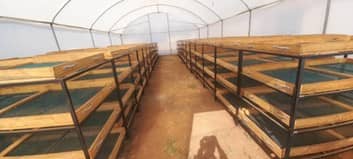
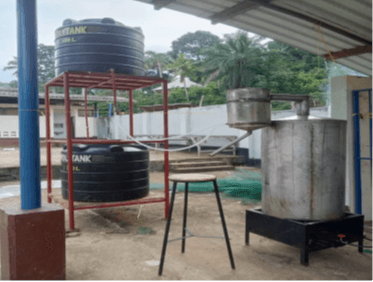
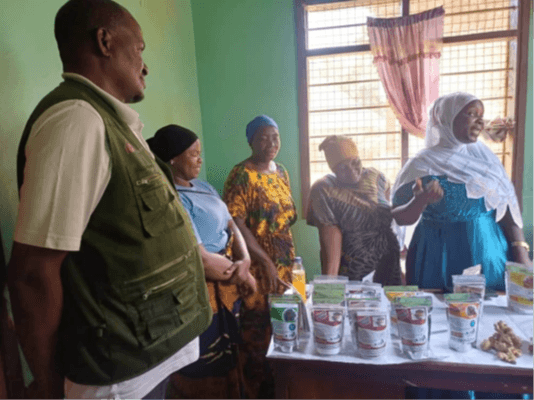
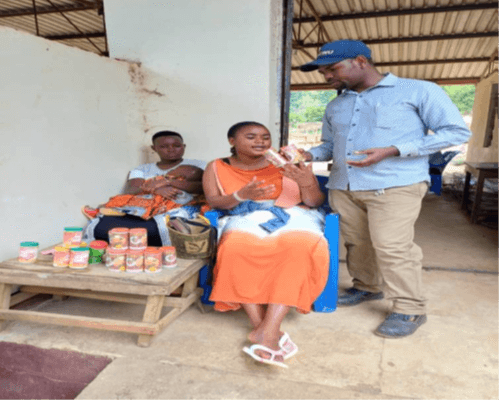
The project has also made strides in bridging the gap between biodiversity, rural farmers and market access. The establishment of a one-stop spice processing centre in Tawa Ward has created five full-time and 20 part-time jobs, facilitating value addition in the spice sector. Over 1,200 farmers are now linked with key buyers and processors, enhancing price transparency and increasing income opportunities for local producers.
A notable outcome of the project's multi-stakeholder engagement is the formation of the Morogoro Spice Strategic Partnership, a robust platform for collaboration aimed at sustaining and enhancing the local spice industry. A localized platforms in each ward have been instituted, alongside a high-level structure at the Regional Secretariat level to for local ownership and assurance that activities would continue smoothly beyond project time.
Challenges and Lessons Learned
Despite these successes, the project faces challenges, including a lack of formal spice markets that limits farmers' abilities to access fair and competitive prices for their produce. Spice price fluctuations pose another major concern; for instance, cloves that sold at TZS 25,000 per kg in the 2023/24 season plunged to TZS 12,000 in 2024/25, discouraging farmers from continuing their cultivation efforts. Furthermore, the burden of double taxation on crop cess hinders fair trade in the spice value chain, particularly in Tawa, Konde, and Mkuyuni Wards. The challenges have been mitigated by the public private platforms where dialogues on enabling environment would take place. To assure market price stability, prior contracts were made with identified markets during the project time.
Lessons learned from the project include consolidating processing centers, which were reduced from three to one based on consultations with local authorities to align with government priorities. This decision to centralize processing not only reduces duplication but also enhances operational efficiency. Increased media outreach, particularly via radio, has proven effective in raising awareness and promoting project objectives.
Conclusion
The Spice Agroforestry Project enhances spice value chains and fosters landscape restoration and biodiversity conservation. With established processing and market systems, it supports sustainable production while addressing climate risks. This collaborative initiative between Tanzania and the Netherlands exemplifies how agriculture and conservation can thrive together.
More information
For more information, you can reach out to the Netherlands Agricultural Network team in Dar es Salaam via dar-lvvn@minbuza.nl.