
Kenya’s agricultural sector is undergoing a gradual but important shift as the role of biopesticides gains prominence within the broader conversations on sustainable food systems. For years, crop nutrition and protection in Kenya has largely relied on conventional fertilizers and pesticides, driven by the need to ensure increased productivity, management pest outbreaks, aimed at meeting market demands.
However, increasing concerns around environmental impact, human health, export compliance, and pest resistance have accelerated the push towards safer and more sustainable alternatives. Biopesticides, which are derived from natural materials such as microorganisms, plants, and semiochemicals are now at the center of this transition, offering a pathway toward integrated pest management and climate-smart agriculture.
This shift has been driven by a combination of regulatory evolution, driven by private sector demand, international market requirements, and growing awareness among consumers, farmers and agribusinesses. Export-oriented value chains, particularly in horticulture, have played a critical role, as global markets continue to tighten restrictions on chemical residues. At the same time, development partners and industry associations have stepped in to bridge knowledge gaps, build capacity, and support policy alignment. Within this ecosystem, the Pest Control Products Board (PCPB) has remained central, acting as the national regulator responsible for the registration, evaluation, and oversight of pest control products in Kenya.
Recent developments signal a more deliberate and structured approach to strengthening the biopesticide sector. One of the most significant milestones has been the review of data requirements for the registration of biopesticides, covering categories such as macrobials, microbials, botanicals, and semiochemicals. This review process, which brought together stakeholders from government, industry, and international partners, intended to help clarify previously unclear regulatory areas and establish more practical, science-based guidelines. As highlighted during the consultative meeting held on 30th March 2026 at PCPB headquarters, these refinements are expected to provide a clearer and more predictable pathway for companies seeking to register biopesticide products in Kenya.

The establishment of a dedicated biopesticides division within PCPB’s registration department further indicates the regulator’s commitment to this transition. This move is expected to enhance the efficiency and specialization of dossier evaluations, ensuring that applications are handled by teams with the appropriate technical expertise. It also reflects a broader recognition that biopesticides cannot simply be regulated under frameworks designed for conventional chemicals, but require tailored approaches that reflect their unique characteristics and risk profiles.
Collaboration has been a defining feature of this progress. The partnership between PCPB, the Agrochemicals Association of Kenya (AAK-GROW), the Integrated Biopesticides Manufacturers Association (IBMA-Kenya), and the Embassy of the Kingdom of the Netherlands has created a platform for continuous dialogue and co-creation of solutions. Through joint activities such as sensitization workshops, technical reviews, and consultative forums, these stakeholders have worked to align regulatory processes with industry realities while maintaining safety and efficacy standards.
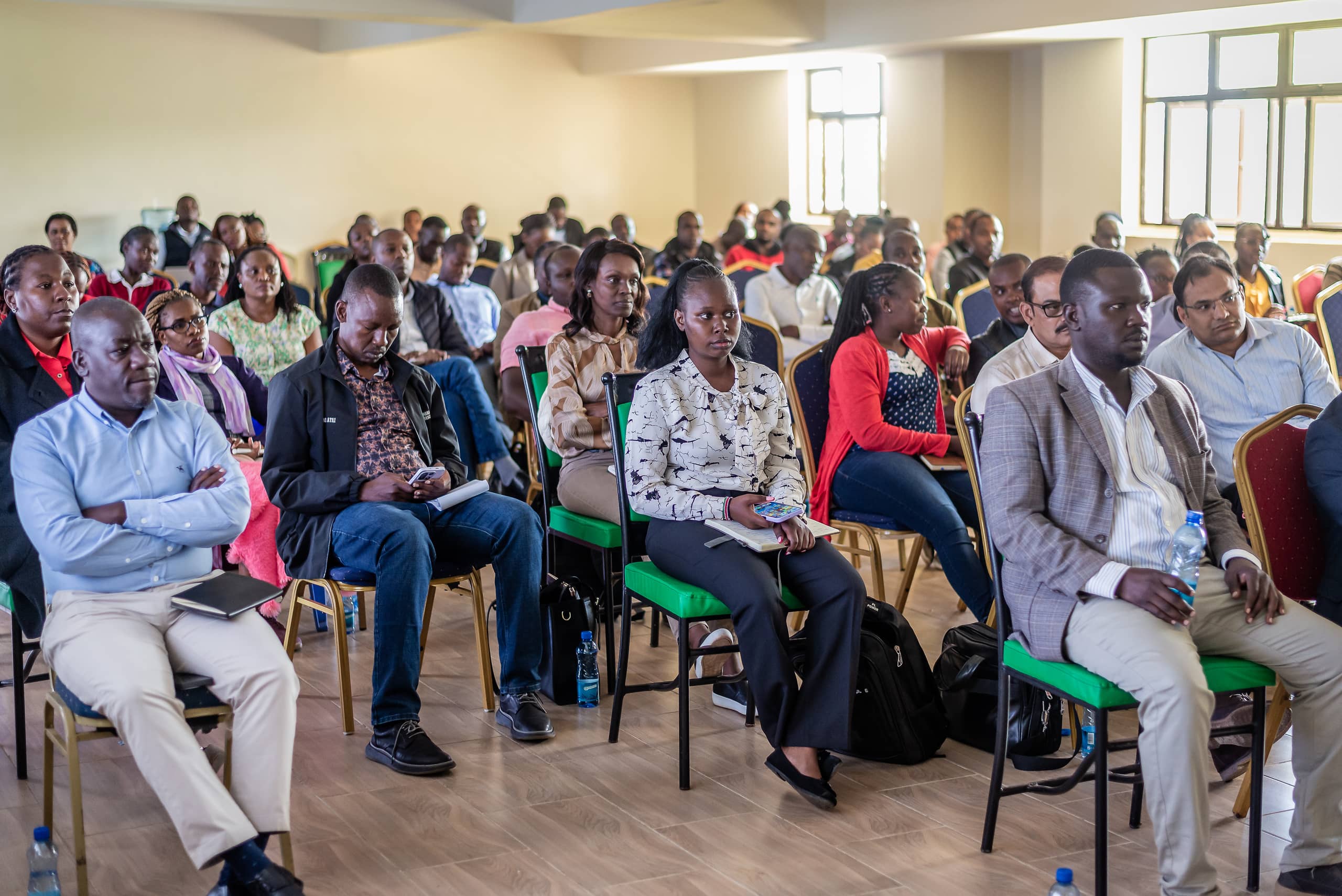
Stakeholder engagement
At the event, industry stakeholders recognized that progress has been made in improving pesticide registration systems. At the same time, they noted several practical challenges that still require attention. Technical issues in digital platforms, combined with complex procedures, were highlighted as factors that slow down applications and create uncertainty.
Stakeholders also pointed out differences between national and regional requirements, which continue to cause confusion and underline the need for better alignment. Looking ahead, they emphasized the need to prepare and share a clear document outlining the updated EAC guidelines for biopesticide registration. This document will serve as a practical reference for industry players, helping translate discussions into clear actions. Stakeholders also stressed the importance of continued engagement to resolve remaining issues, improve systems, and monitor progress over time.
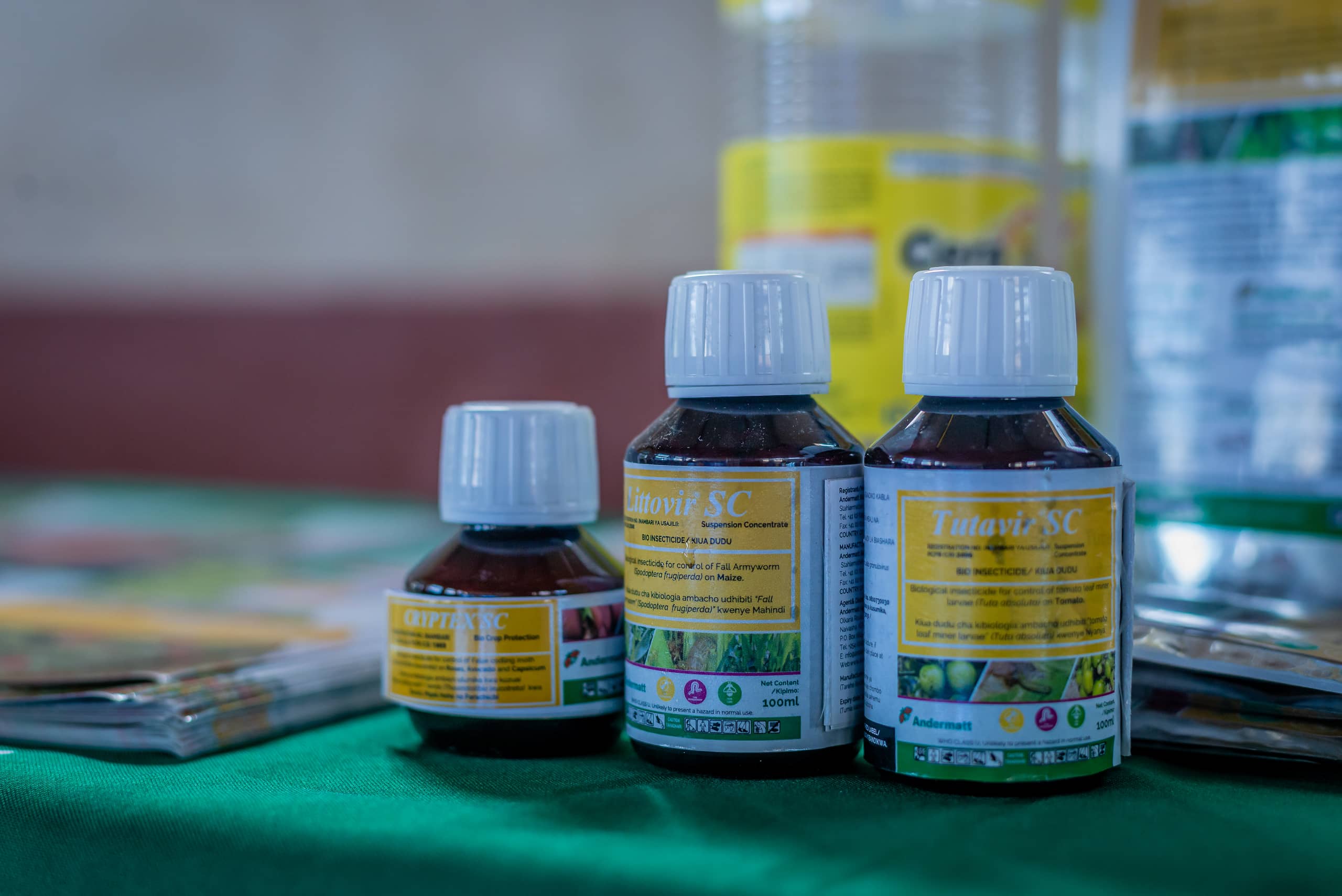
Encouragingly, stakeholders emphasized that these discussions are leading to practical solutions. They highlighted forward-looking recommendations to strengthen the sector. One key proposal is the development of a Generally Regarded as Safe (GRAS) list for Kenya, which would simplify the evaluation of low-risk products and speed up approvals. Another recommendation is to create a repository for local microbial isolates, led by IBMA-Kenya with partners such as PCPB and the National Museums of Kenya. This would support research, innovation, and the development of locally adapted biopesticide solutions.
Stakeholders noted that the trajectory of biopesticides in Kenya shows a sector moving from early-stage adoption toward more structured and scalable growth. The combination of regulatory improvements, strong industry engagement, and international support provides a solid foundation for further progress. Continued involvement of the private sector, government, the Embassy, and organizations such as CABI was seen as essential to maintain momentum, support innovation, and position Kenya as a regional leader in sustainable crop protection.
For more information on this subject or in case of questions for the Agricultural Counsellor, feel free to contact us via NAI-LVVN@minbuza.nl .
For the latest updates follow us on LinkedIn, Twitter (X) and/or register for our newsletter by sending an email to NAI-LVVN@minbuza.nl