
This week LAN Belgrade presents three developments that highlight Serbia’s focus on resilience, compliance and practical results: scaling sustainable farming, protecting pollinators and aligning systems more closely with EU standards.
Beeld: Illustration by D.R.
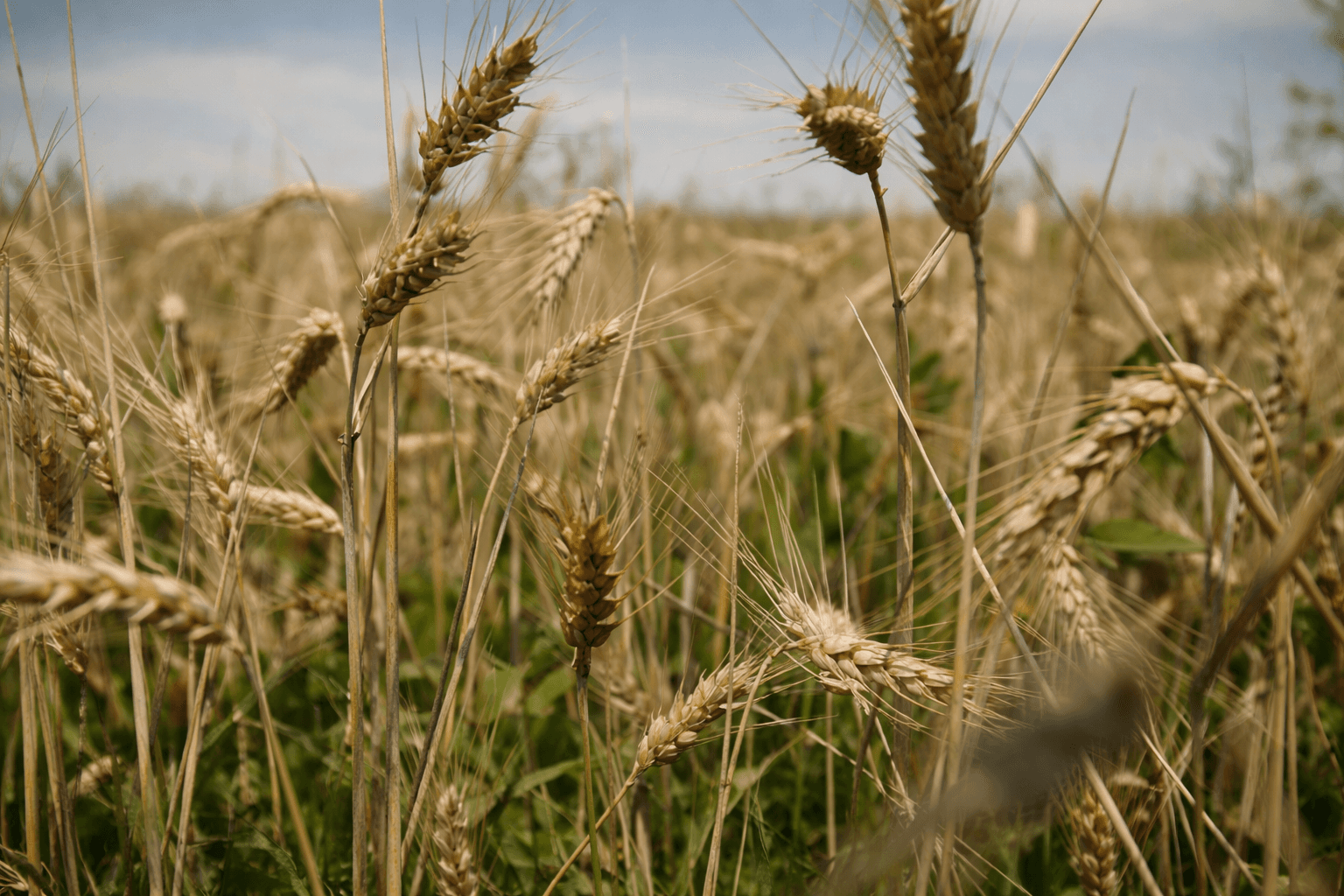
Serbia puts data-driven organic farming in the spotlight with Lighthouse Farm Academy
A new initiative highlighting the future of sustainable agriculture will take place in Serbia in early June, as the Lighthouse Farm Academy launches its first Serbian Lab. The program will feature a visit to LoginEKO, a pioneering example of data-driven organic farming.
LoginEKO is part of the Global Network of Lighthouse Farms, established by Wageningen University and Research (WUR). This network brings together 14 farms worldwide that serve as real-life examples of agricultural innovation. Each Lighthouse Farm represents leading practices within its specific context, ranging from organic to agroecological systems, and from large-scale enterprises to smallholder farms, offering a diverse global perspective on how agriculture can evolve to meet future challenges.
Scheduled for June 1–5, the Serbian Lab will bring together international participants that work across the food system, to explore innovative approaches to farming systems. A central component of the program is LoginEKO, which operates as a “living laboratory” where farmers and software engineers collaborate to develop and test farm management and traceability tools.
LoginEKO is a large-scale organic farm that integrates advanced data technologies into everyday organic and sustainable agricultural practices. All field operations are monitored and recorded in real time, generating data that supports decision-making, improves efficiency, and enhances transparency throughout the production process. This model positions data as a key agricultural input, minimizing dependance on external inputs while maintaining both productivity and economic viability.
The farm demonstrates how digital tools can be successfully applied in practical, large-scale organic systems. Data collected on-site are used to guide crop rotations, improve soil management, and ensure full traceability from field to market.
The Lighthouse Farm Academy, an initiative of Wageningen University & Research and the Global Network of Lighthouse Farms, focuses on equipping stakeholders with the knowledge and tools needed to redesign food systems through field-based learning and international collaboration.
Beeld: Unsplash
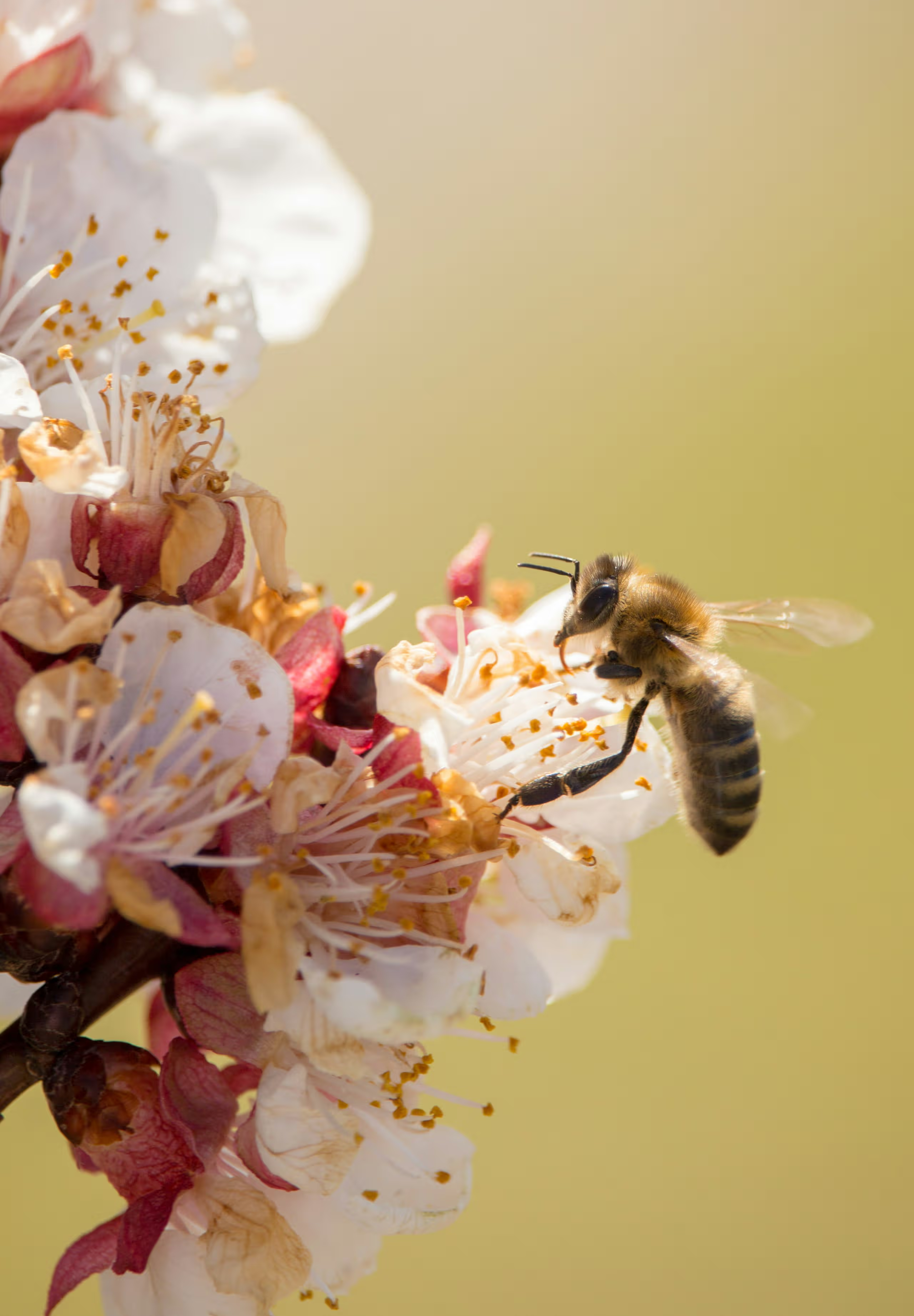
Higher risk of bee poisoning prompts caution in pesticide use
As fruit orchards, oilseed rape and other crops enter the flowering period, Serbian beekeepers and agricultural authorities are warning of a higher risk of bee poisoning and urging farmers to use plant protection products with particular care.
The warning has wider relevance for agriculture, as bees are essential for pollination, yields and fruit quality. Improper pesticide use can harm bee populations, weaken pollination and reduce both output and product quality.
The Plant Protection Directorate has reminded producers that Serbia’s Law on Plant Protection Products prohibits the use of pesticides toxic to bees during flowering, as well as the aerial application of products harmful to pollinators.
Farmers are also advised to remove flowering weeds before treatment, as these can attract bees even when the main crop is not in bloom. Additional caution is needed in oilseed rape and soybean production, where insecticides dangerous to bees are banned during flowering, while shorter-residual products are recommended before flowering.
The Serbian Federation of Beekeeping Association said that cooperation with the Plant Protection Directorate helped prevent several planned treatments of flowering oilseed rape last season. The association also warned about aerial mosquito spraying, especially when it coincides with the flowering of linden and other nectar-rich plants. It is calling on local authorities to carry out mosquito and tick control from the ground, using products that are not toxic to bees and applying them in the evening, when bees are no longer active.
Protecting bees is a shared interest of both farmers and beekeepers, and an important condition for stable and high-quality food production.

Beeld: Illustration by D.R.
Serbia moves closer to simpler pet travel rules with the EU
Travel with pets from Serbia to EU countries is expected to become easier after the European Commission confirmed that Serbia meets the conditions for inclusion on the list of third countries under Article 13(2) of Regulation (EU) No 576/2013 on the non-commercial movement of pet animals.
According to Serbia’s Ministry of Agriculture, Forestry and Water Management and the Veterinary Directorate, the decision follows long-term efforts to strengthen the national veterinary system and align animal health standards with EU requirements.
A key factor in the assessment was progress in rabies control, improved surveillance and the consistent application of preventive measures.
In practical terms, Serbia’s inclusion on the list will simplify procedures for travelling with pets to the EU, including the removal of certain additional administrative and laboratory requirements. The move is expected to make travel easier for citizens, support mobility and strengthen links with EU member states.
The decision also signals confidence in Serbia’s veterinary institutions and in the country’s ability to apply high European and international standards in animal and public health protection.
The Ministry and the Veterinary Directorate said they will continue working with the European Commission and other international partners to further improve the system and strengthen institutional capacity.