
Serbia’s latest policy and market developments point to a wider shift across the food and agriculture sector. From tighter consumer protection rules and inflation driven by weaker harvests to the mainstreaming of regenerative agriculture and growing interest in poultry innovation, the common thread is clear: resilience, transparency and smarter production systems are moving higher up the agenda.
Beeld: Illustration by D.R.
Serbia moves to tighten consumer protection and price transparency
The Government of Serbia has adopted a Draft Law on Consumer Protection that introduces stricter transparency rules for retailers and extends consumer protections across both physical and online sales.
A central provision requires traders to update price lists in real time whenever prices change, so that published information always reflects actual prices in stores and online. Retail chains will also be obliged to publish daily product price lists on their websites and through their accounts on the National Open Data Portal.
The draft law also brings online sales more firmly into the regulatory framework by aligning the obligations of sellers on digital platforms with those of traditional retailers.
In parallel, the legislation strengthens protections for minors and public health. The existing ban on the sale of tobacco products to minors is set to be expanded to cover related products, including electronic devices for heating tobacco or herbal products, as well as e-cigarettes.
With these changes, the government is seeking to improve consumer information, strengthen oversight of modern retail channels, and raise accountability across the market.
Beeld: Illustration by D.R.
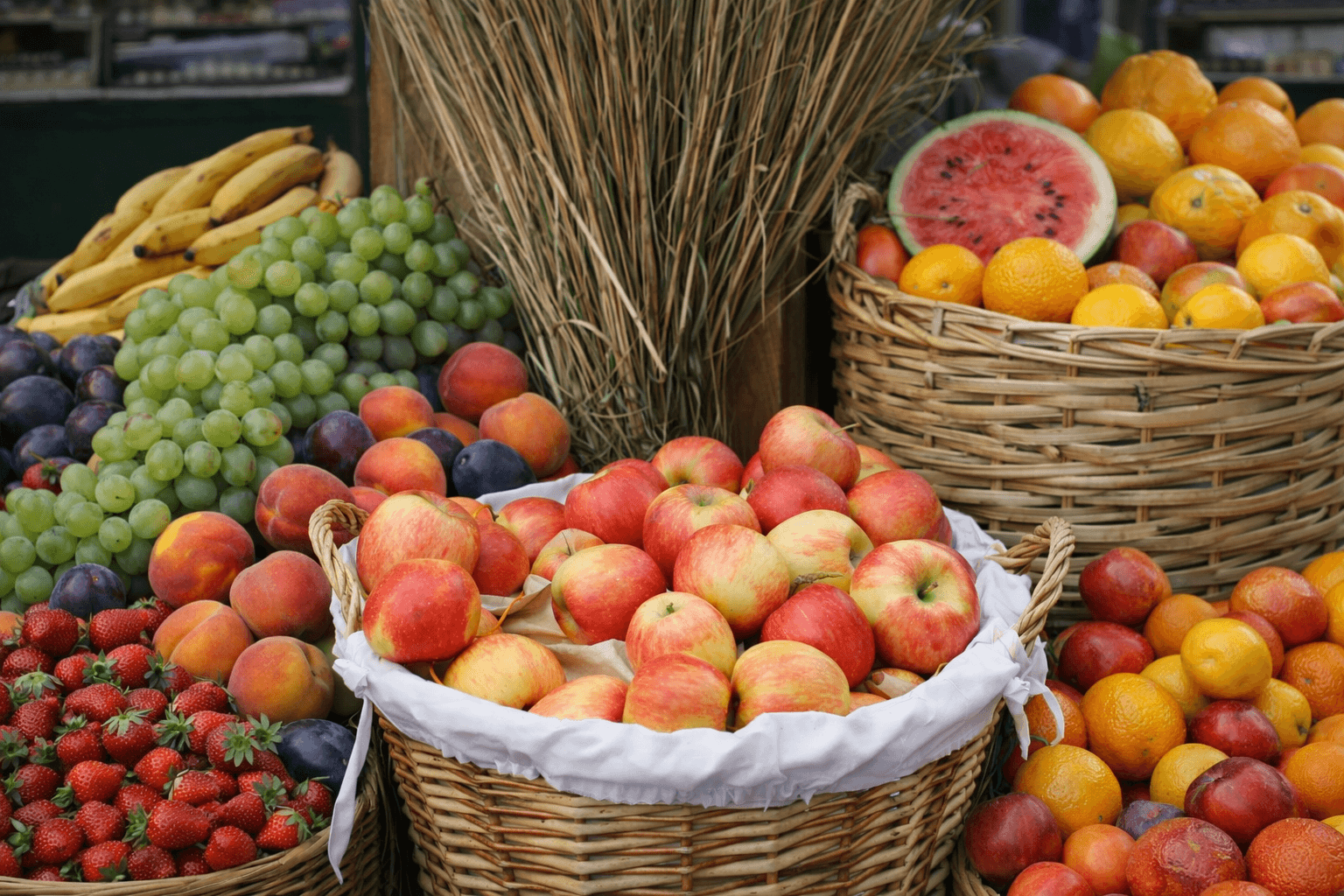
Fruit prices drove inflation in Serbia in 2025
Fruit was the main driver of consumer price growth in Serbia in 2025, according to the Statistical Office of the Republic of Serbia (RZS) in its Trends, Fourth Quarter publication.
Fruit prices rose by 18.7% over the year, with apples contributing the most. Apple prices jumped 37.1%, as lower yields, early spring frosts, drought, higher production costs and stronger export demand tightened supply on the domestic market.
Other fruit categories also saw sharp increases. Lemon prices rose 30.1%, mandarins 21.1%, peaches 51.5%, while cherries recorded the steepest surge, up 116.9%.
The report also points to broader price growth in other categories. Non-alcoholic beverages rose 11.6%, driven in part by a 25.9% increase in ground coffee prices, while tobacco prices were up 6.7%. Prices of medicines and medical services rose 5.2%, and utility costs increased 13.6%, with water supply prices up 12.1%.
The figures show that weaker harvests, adverse weather, and higher production, import and transport costs were key factors behind inflation in Serbia in 2025.
Beeld: Takovo Berry
Regenerative agriculture enters Serbia’s development strategy
Regenerative agriculture has been included in Serbia’s draft Agriculture and Rural Development Strategy for 2026–2034, marking a notable shift toward more sustainable soil management and climate-resilient farming. NALED described the move as an important first step in bringing regenerative practices into the policy mainstream.
The draft, open for public consultation until 30 March, also includes a wider set of reforms, including market modernisation, an electronic subsidy register, a unified land parcel registry, and milk premiums linked to quality. Together, these measures reflect Serbia’s broader EU accession trajectory, a direction reaffirmed during the EU–Serbia Subcommittee on Agriculture meeting held in Belgrade on 26 March under the Stabilization and Association Agreement.
State Secretary at the Ministry of Agriculture Stana Božović said food sovereignty remains a strategic priority, stressing that Serbia has the capacity to secure its food supply through domestic production. She added that state support will continue to target small and medium-sized producers and cooperatives, while also backing major exporters that strengthen competitiveness.
According to NALED, agriculture employs more than 500,000 people in Serbia and generates around EUR 5 billion in annual exports, even as the sector comes under increasing pressure from soil degradation and rising CO₂ emissions. NALED’s Sustainable Development Department Director Slobodan Krstović said more than half of carbon dioxide emissions come from primary production, while regenerative practices could reduce emissions by 50% to 60% in the first year alone. He also announced pilot regenerative biodistrict projects with support from the Government of Sweden, alongside efforts to secure investment incentives for equipment purchases.
In regenerative agriculture, the Netherlands has become an important reference point for the region. What was once seen as a niche approach is increasingly moving into the mainstream of Serbian and regional farming. With that shift underway, LAN-Belgrade has been advocating for regenerative agriculture to be formally embedded in the legislative framework and recognised as a strategic priority for soil preservation, lower CO₂ emissions, greater biodiversity, improved water retention, and stronger resilience to climate stress. It is also calling for a dedicated subsidy scheme that would help producers manage the transition from initial adoption to long-term implementation.
Beeld: D.R.
Panovo seminar brings poultry innovation and Dutch expertise into focus
Panovo’s expert seminar in Belgrade highlighted the practical forces reshaping modern poultry production, from genetics and nutrition to flock health, emissions reduction and precision management. The LAN-Belgrade team attended the event, which was opened by Regional Agriculture Attaché for the Western Balkans, Michiel van Erkel. Organised by Panovo in cooperation with Hendrix Genetics, the seminar focused on the future of production and the evolving needs of producers, bringing international expertise closer to the Serbian market.
Hendrix Genetics was among the key contributors with leading sessions on laying-hen performance, ISA Brown and DEKALB White nutrition, and management in modern production systems. With more than a century of experience in layer breeding, the Dutch company presented an approach centered on robust hens, longer productive life, egg quality and more sustainable performance, while underlining the importance of nutrition for both profitability and flock results.
The seminar also showed Panovo’s role in linking global genetics expertise with the day-to-day realities of poultry production in Serbia. For producers, its value lays not only in the exchange of technical knowledge, but also in the clearer picture it offered of where the sector is heading: toward more data-driven, efficient and sustainability-oriented systems.