
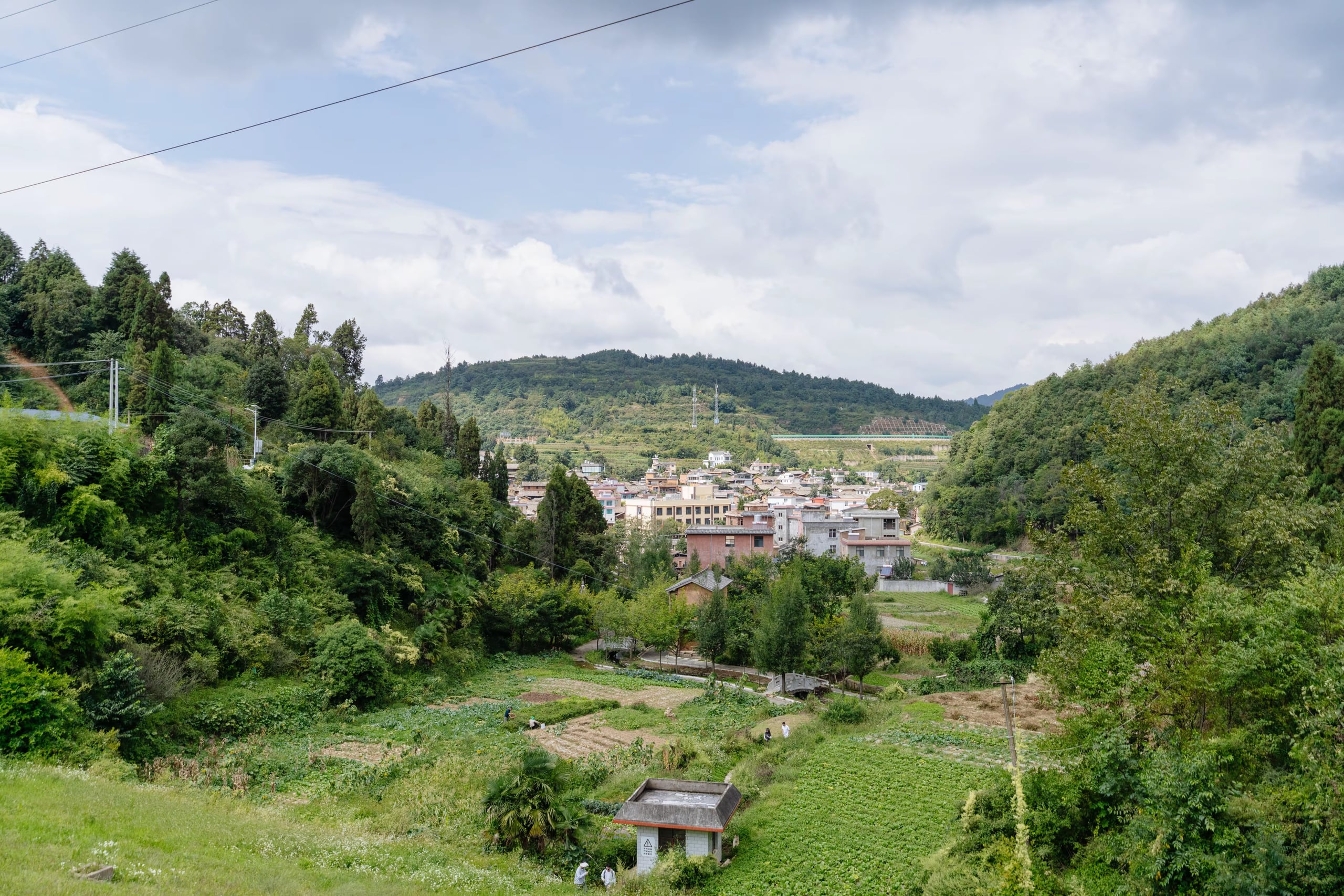
The International Day of Forests 2026 provides an opportunity to highlight the interlinkages between agriculture and forests. Agroforestry evolves as a promising pathway towards sustainable agriculture and resilient rural livelihoods.
Agroforestry is increasingly recognised as a strategic approach to creating resilient and sustainable agricultural landscapes. By integrating trees with crops and livestock, this land-use system promotes sustainable and multifunctional land management while delivering a wide range of ecological, economic, and social benefits.
This is the main takeaway from a recent comparative study by The Alliance of Bioversity and CIAT, CGIAR and the China LVVN Attaché Network to agroforestry in the Netherlands and China aiming at identifying collaboration based on shared opportunities.
Policy emphasis
The research finds that primary purposes of agroforestry are:
- enhancing soil and water conservation
- improving agrobiodiversity
- strengthening ecosystem stability and resilience
- diversifying the rural livelihood and farmer income
Trees within agricultural systems help reduce erosion, improve soil fertility, regulate water cycles, and provide habitats for diverse species. At the same time, agroforestry contributes to carbon sequestration, playing a meaningful role in climate-smart solutions.
The spatial distribution of agroforestry practices varies across ecological zones in both the Netherlands and China. These systems are commonly found in regions with strong mixed farming traditions and in landscapes targeted for ecological restoration programs. Farmers adapt agroforestry models to local climates, soil conditions, and land-use patterns, resulting in regional variations that reflect environmental and cultural contexts.
Governance characteristics
Although the adoption rate of agroforestry is gradually increasing, it still represents a relatively small share of total agricultural land. To encourage adoption, governments provide subsidies and policy incentives, including financial support, technical guidance, and research programs.
Advancing agroforestry involves a wide range of stakeholders, including government agencies, research institutions, non-governmental organizations, farmer associations, and private enterprises. Through collaboration among these actors, agroforestry continues to evolve as a promising pathway toward sustainable agriculture and resilient rural livelihoods.
In conclusion
While the Netherlands focuses on landscape based, ecosystem service driven models, China showcases large-scale integration of agroforestry into rural economic development strategies. These research insights provide ample opportunity to further explore synergies in agroforestry practices between China and the Netherlands.
Please contact pek-lvvn@minbuza.nl to be informed of follow up from this comparative study.
Overview of the agroforestry report findings