
The dairy farming sector is an important sector in Romania, especially from the point of view of food security but also for keeping up the vitality of rural areas. Despite some visible challenges, its future development is unquestionable, according to experts.
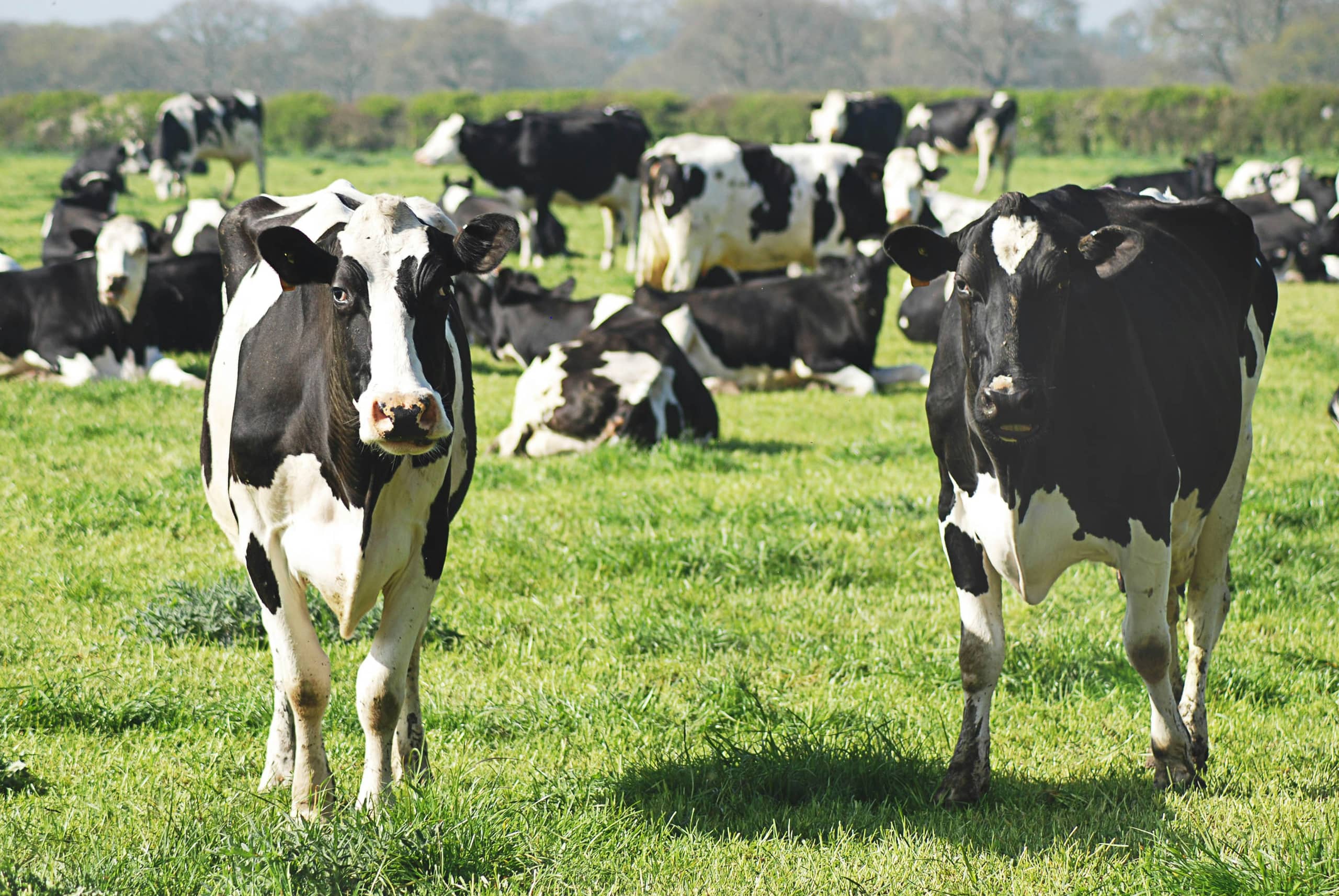
Beeld: Unsplash
Clear advantages
Romania has competitive advantages which, with a good valorisation strategy, could be converted into sources of progress. These include:
- Availability of large feed resources (13 mln ha of agricultural land)
- Relatively low labour costs
- Access to European funds
- Growing demand for local dairy products.
In order to turn these advantages into real economic gains, the process of technological modernization needs to be accelerated, together with a consolidation / concentration of production – currently highly fragmented.
Beeld: © DG Agri
2023 yield of dairy cows (ton/head) for each EU country. EU average 7.82 ton/head
Insufficient competitiveness
Although endowed with considerable natural resources, Romania is struggling to become more competitive and reach similar results as in western Europe. Despite investments facilitated by EU funds, Romania’s dairy sector is still characterised by a low degree of economic concentration and low technological efficiency.
According to the data of the National Statistics Institute (INS), the cattle population declined from 2.5 million head in 2007 to approximately 1.85 million in 2023, of which only around 20% were raised on commercial farms. Average milk production per head is below 4,000 litres/year - well below the European average and placing Romania at the bottom of the EU ranking.
Challenges
Romanian dairy farmers are facing multiple challenges, of which many are structural in nature. The small size of farms, low level of capitalisation, insufficient use of technology, and limited access to digital innovations considerably limit their competitiveness.
Romania accounts for approximately a third of the total number of agricultural holdings in the EU, but most of these are small, with an average size of 4.4 ha/holding, compared to the EU average of 15 ha/holding (Eurostat, 2023). This fragmentation reduces economic efficiency and makes market access difficult. In addition, it is an obstacle in attracting significant investments. According to the Romanian Ministry of Agriculture (2022), Romania has over 134,000 small dairy farms (under 10 heads), many of which are below the profitability threshold.
Be part of these developments now
The Romanian dairy sector and its future development cannot be ignored. It is ranked seventh position in the EU in terms of dairy cow numbers (after Germany, France, Poland, Italy, the Netherlands and Ireland), though it has the lowest milk yield/cow despite the substantial feed base, In order to reach its full potential, Romania is keen to make investments in genetics, breeding, feeding and housing technology, robotisation and digitalisation.
Interested in the Romanian dairy sector opportunities? Consider the dairy mission to Romania scheduled for 20 - 24 April 2026. In addition, on 22 April 2026 the Netherlands Agricultural Network (LAN) team in Romania will organise a network event for the Dutch agribusiness community in the area of Cluj - where also the Agraria fair will take place from 23 - 26 April. A great opportunity to learn and share experiences in doing agribusiness in Romania.
More information will be available soon.