
Morocco has experienced an exceptionally wet season since September 2025. Between 1 September 2025 and late January 2026, cumulative rainfall averaged 138-150 mm nationwide, approximately 35-42% above the long-term average (1990s-2010s). Snowfall in the Atlas Mountains was equally remarkable: in January, snow cover reached around 55,000 km², with depths locally peaking at two meters. In this article you can read about the impact this weather had on agriculture and water management in Morocco.
Beeld: © LAN Morocco
Citrus trees flooded
Impact on water management
From early February 2026, a series of intense storms hit northern and central Morocco. Between 1 and 4 February, rainfall totals reached 100-200 mm in key river basins, including Loukkos, Sebou and Bouregreg. In Tangier, cumulative rainfall since September exceeded 1,500 mm, three to four times the seasonal norm.
The heavy rainfall led to swelling rivers and overflowing reservoirs. In the Loukkos basin, dams such as Oued El Makhazine reached approximately 160% of normal capacity, necessitating large emergency discharges. Authorities issued red weather alerts and evacuated more than 140,000 people from flood-prone areas.
Beeld: © LAN Morocco
Barrage Oued El Makhazine
Impact on agriculture
Floodwaters submerged urban infrastructure and inundated up to 110,000 hectares of agricultural land in northwestern Morocco. While floodwaters largely receded by mid-February in the northwest, some southern and rain-shadow regions continue to require assistance. Importantly, the extreme flooding remained largely confined to the northern basins, with other key agricultural regions experiencing a very different impact.
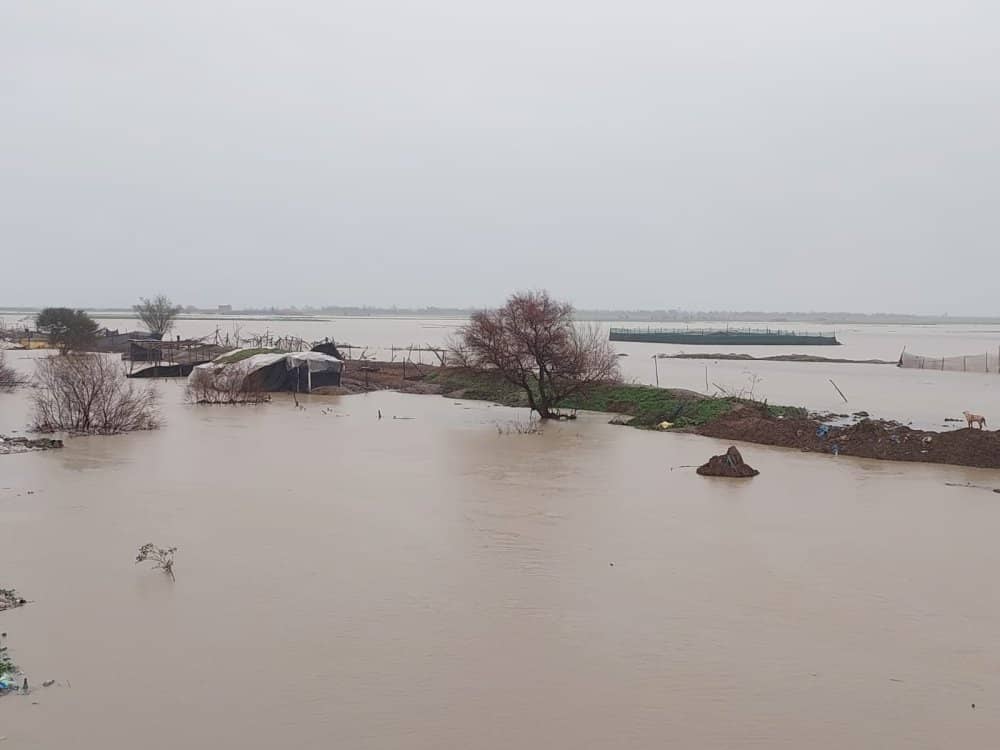
Land flooded 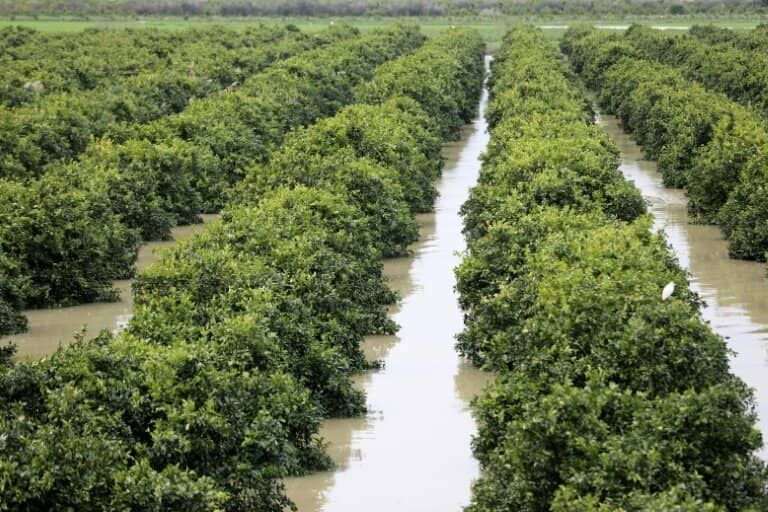
Orchard flooded
How is Morocco addressing the situation?
On 12 February 2026, the Council of Government issued a decree declaring the recent floods an “événement catastrophique” (translation: catastrophic event) and naming Larache, Kénitra, Sidi Kacem and Sidi Slimane as “zones sinistrées”(translation: sinister zones).
In Moroccan law, this status allows exceptional measures: public procurement rules are waived, funds can be disbursed immediately, and solidarity mechanisms (caisse nationale de solidarité) are activated.
A 3 billion MAD aid package was announced: 775 MDH for housing and relocation, 300 MDH for direct farm and livestock compensation, plus funds for emergency supplies and infrastructure. The decree explicitly states that farmers and herders in the disaster zones will receive indemnities for destroyed crops and livestock, and residents will get housing repair grants.