
Food prices in Serbia keep rising as fuel, fertilizer, and climate challenges hit farms. The government steps in with dairy levies and fruit incentives, and the Novi Sad Agricultural Fair highlights opportunities for innovation, investment, and international collaboration in the agri-food market.
Beeld: Unsplash
Why food remains expensive in Serbia
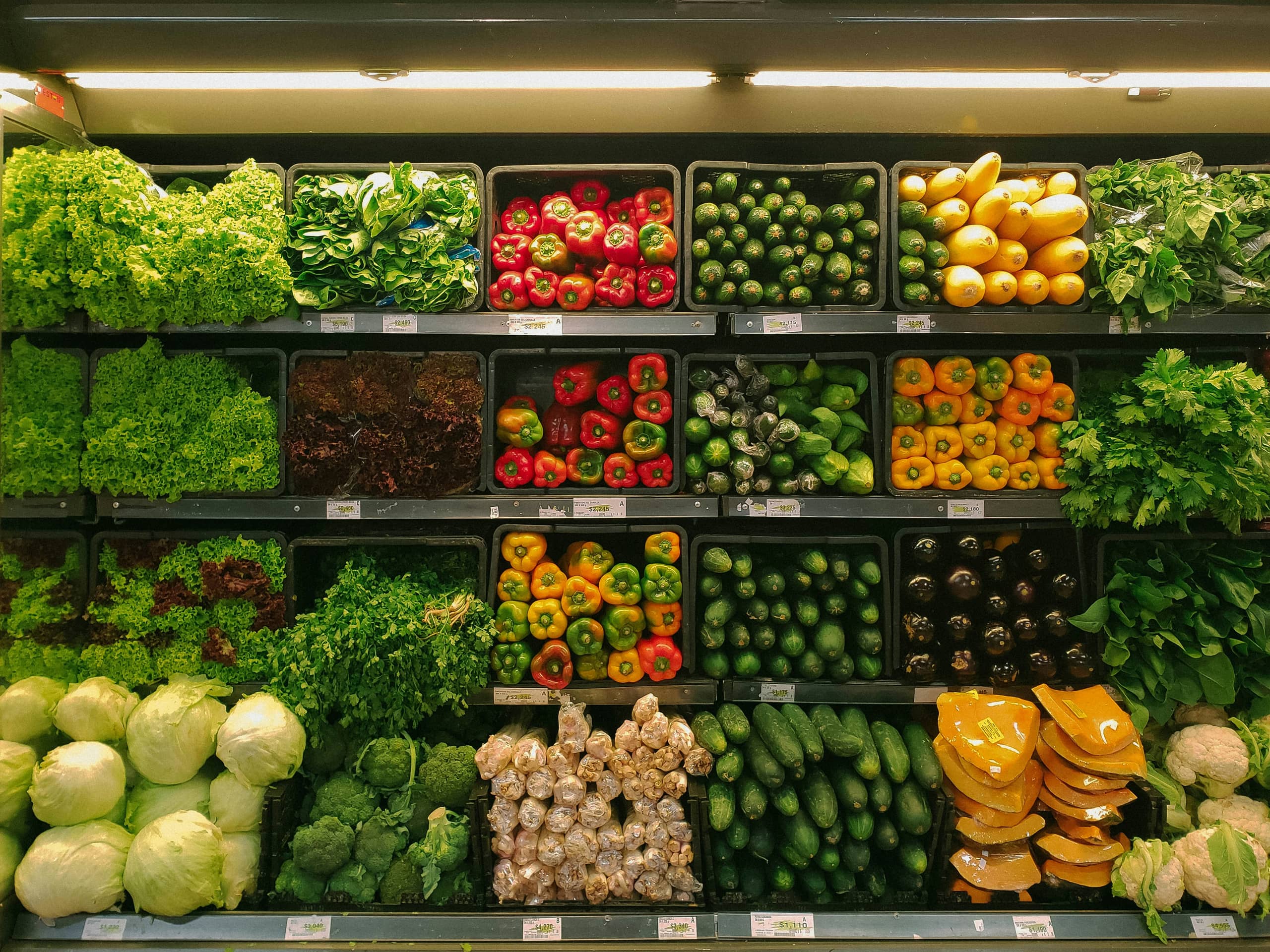
According to Lidington Research, food prices in Serbia are staying high and experts say retail margin caps won’t fix it. Since the 2022 global energy and food crisis, rising fuel, energy, and fertilizer costs have pushed up expenses across farming, processing, and transport. Fuel costs alone jumped up to 40% per hectare.
Despite government controls, economists warn these measures only delay the impact. Serbia relies heavily on imported oil and gas, driving “imported inflation” and higher production costs at home.
The burden is growing: households spend over 60% of their income on food, energy, and housing, while food prices now rival or exceed EU averages, with far lower purchasing power.
Add climate change to the mix. Droughts and extreme heat in 2025 cut yields and pushed raw food prices higher.
Long-term price stabilization will require systemic producer support, improved energy access, climate-resilient agricultural practices, and consistent economic policy. Administrative controls alone cannot sustainably contain food price growth.
Beeld: Freepik
Ministry signals possible levies as milk imports surge
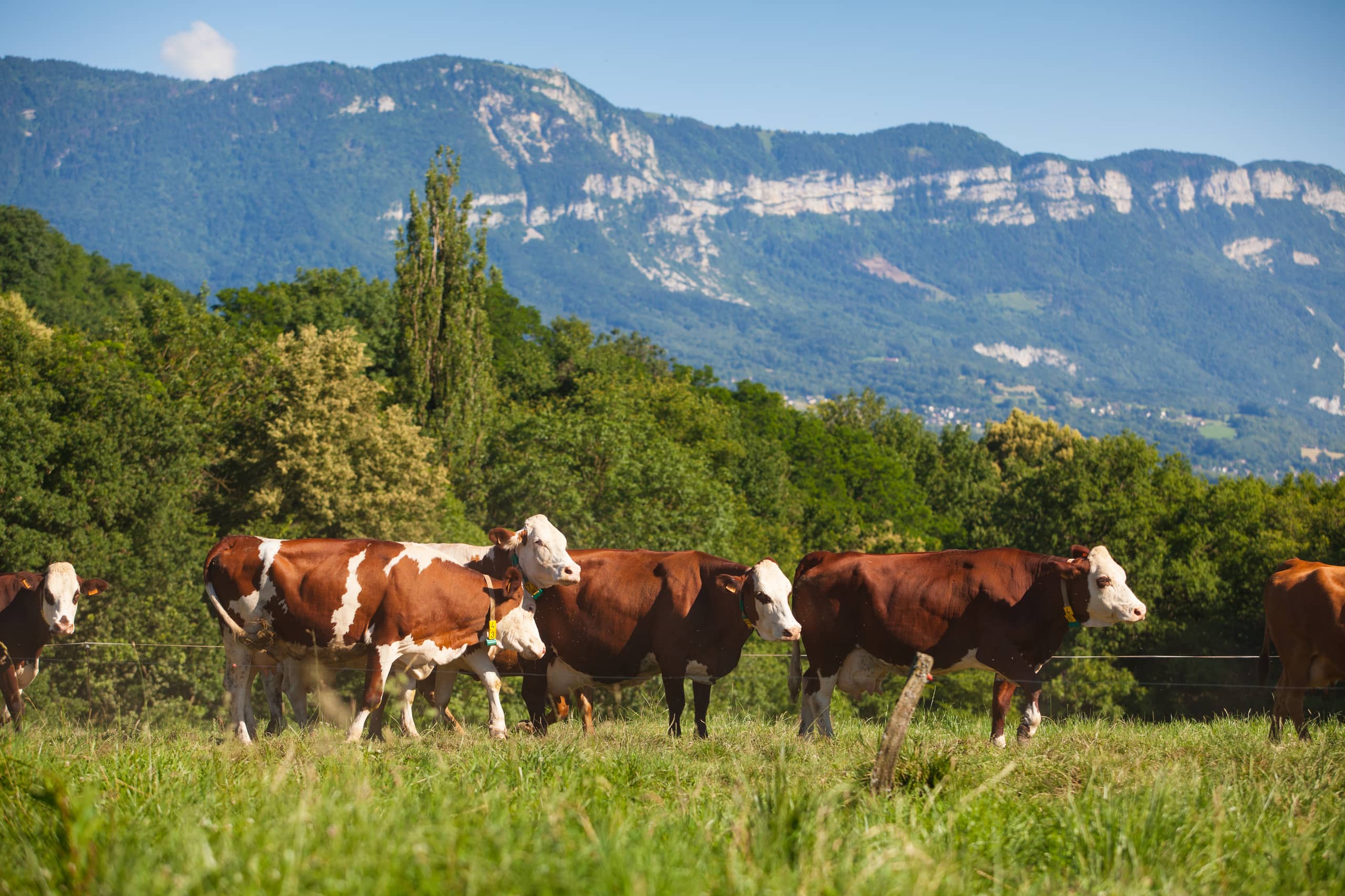
The Ministry of Agriculture has warned it may introduce protective levies if excessive milk imports at dumping prices disrupt the domestic market. The measure would offset the price gap between cheaper imports and higher-cost Serbian milk.
The announcement followed discussion between the Prime Minister, key ministers, dairy producers, and retailers, after farmers raised concerns over falling farmgate prices and growing import pressure.
Officials stressed Serbia will not allow the European dairy downturn to spill over into the domestic market. Producers are calling for tighter import controls and action against unfair purchasing practices by some dairies. The ministry also cautioned milk buyers, particularly smaller dairies, against unjustified price cuts, pledging to act against practices that undermine fair market conditions.
Signal to the market: Serbia is prepared to shield its dairy sector if import pressure intensifies.
Beeld: Freepik
Higher incentives for fruit growers
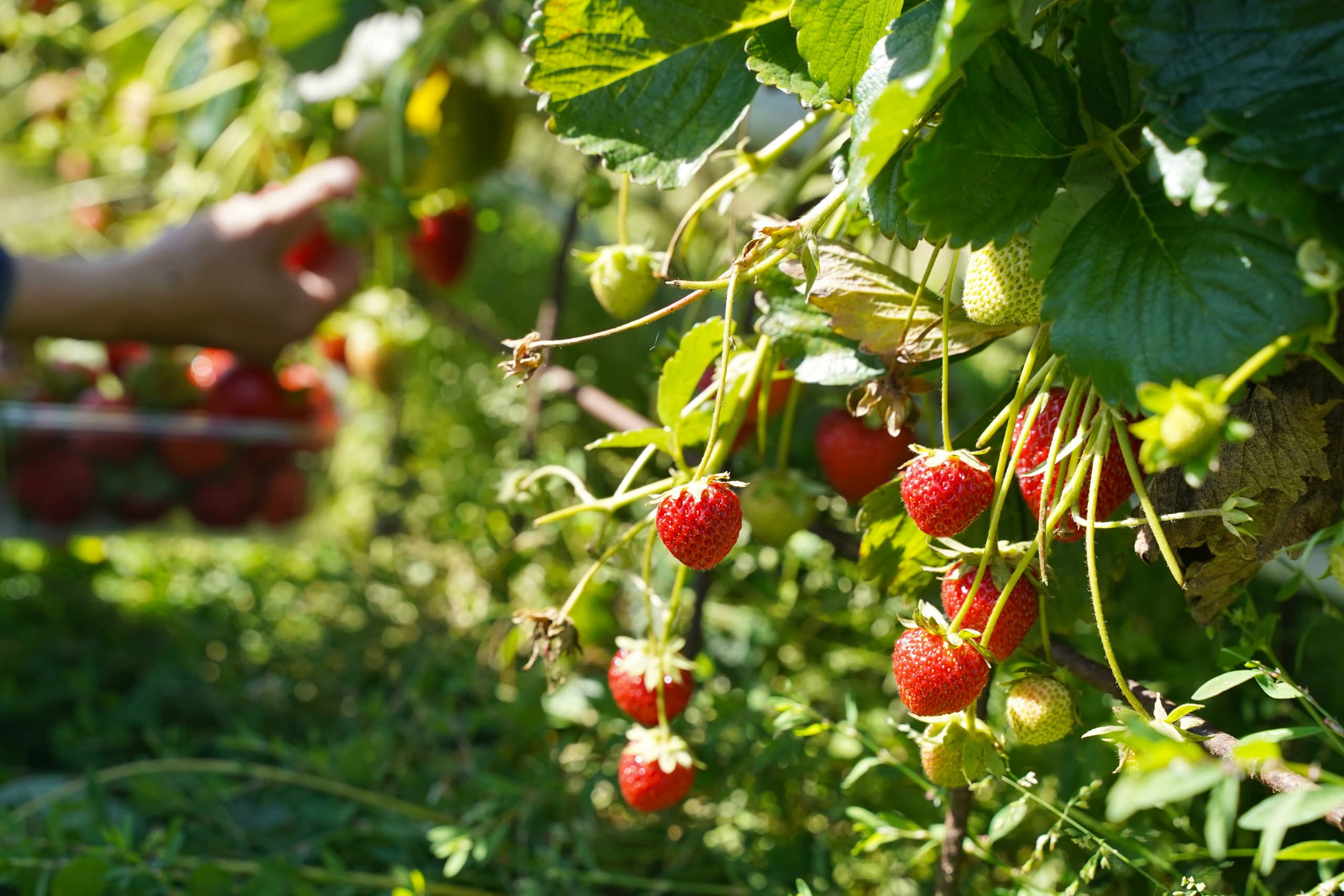
The new Rulebook on incentives for investments in the physical assets of agricultural holdings allows producers of blueberries, raspberries, and strawberries to receive up to €42,700 per year from the state, up from €30,000.
The Ministry of Agriculture, Forestry, and Water Management also announced higher maximum incentive amounts for the purchase of fruit and hop seedlings, while funds for support structures and land preparation have also increased.
"With these amendments, the Ministry continues to improve incentives for the development of agricultural holdings, providing producers with clear conditions and stronger financial support for establishing high-quality perennial plantations. This approach encourages investment activity, production modernization, and the long-term sustainability of the agricultural sector," the statement said.
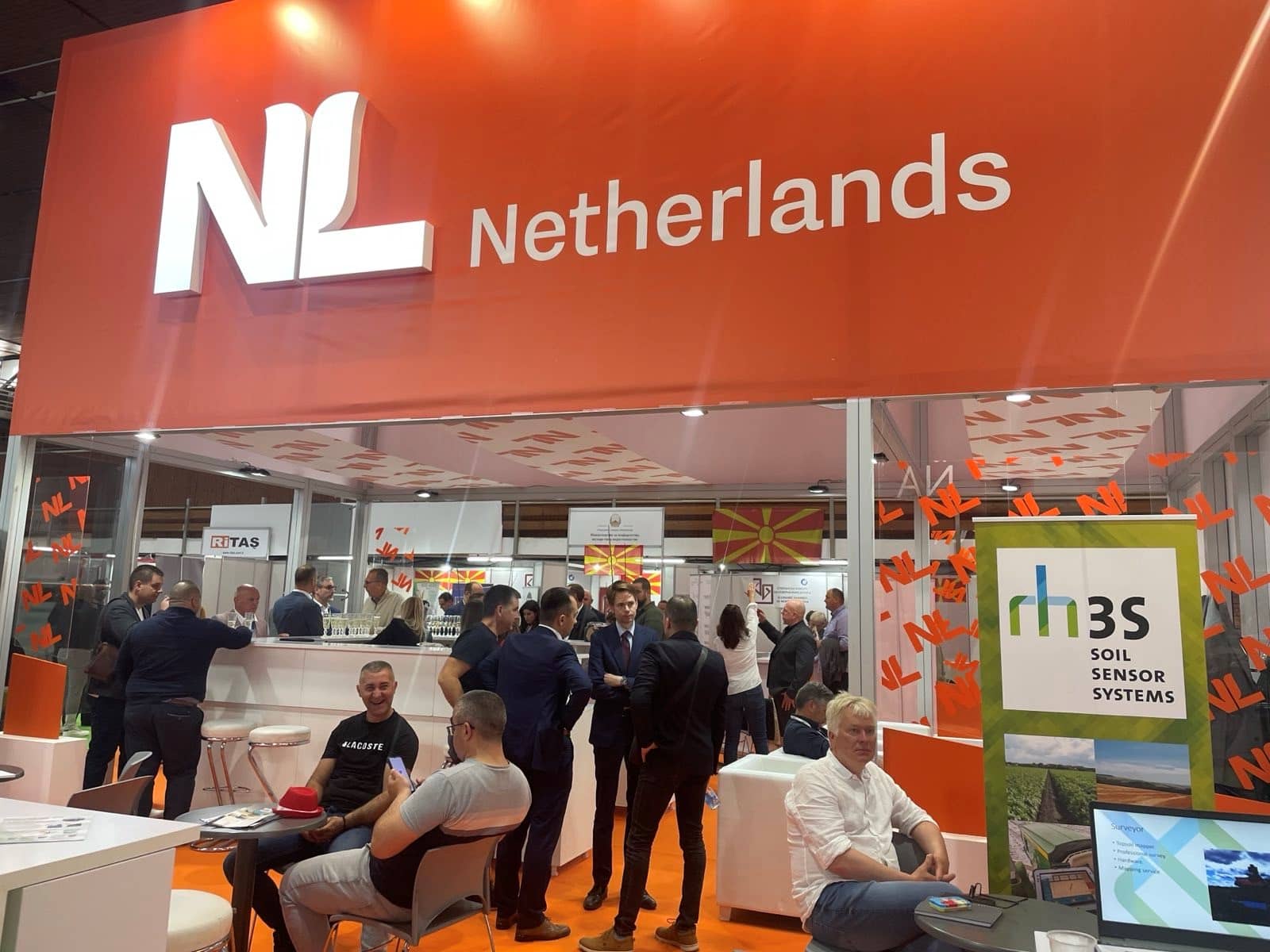
The LAN team reminds that from 16–21 May 2026, Novi Sad will host the 93rd International Agricultural Fair, the largest and most influential agricultural fair in the Western Balkans. Attracting up to 300,000 visitors, including officials and agri-industry leaders, the fair provides a key platform for innovation and partnerships. For Dutch Agritech companies, it offers direct access to a rapidly developing agri-food sector seeking modern, sustainable, and efficient solutions - areas where the Netherlands excels globally
More information
Interested in expanding your business in the Western Balkans? Join the Netherlands’ Orange Pavilion at the Novi Sad Fair and connect directly with regional partners.
To move forward with planning, specifically reserving space and starting stand construction, we kindly ask you to confirm your participation by replying YES or NO by Friday, 23 January 2026.
For more information, please contact the LAN team in Belgrade via BEL-LVVN@minbuza.nl