
From 1 January 2026, Ukraine has officially introduced new animal welfare requirements for the keeping of farm animals, marking a step in the country’s ongoing alignment with European Union standards. These regulatory changes are part of Ukraine’s broader commitments under the EU–Ukraine Association Agreement and aim to modernise national practice, strengthen consumer confidence, and support access to EU markets.
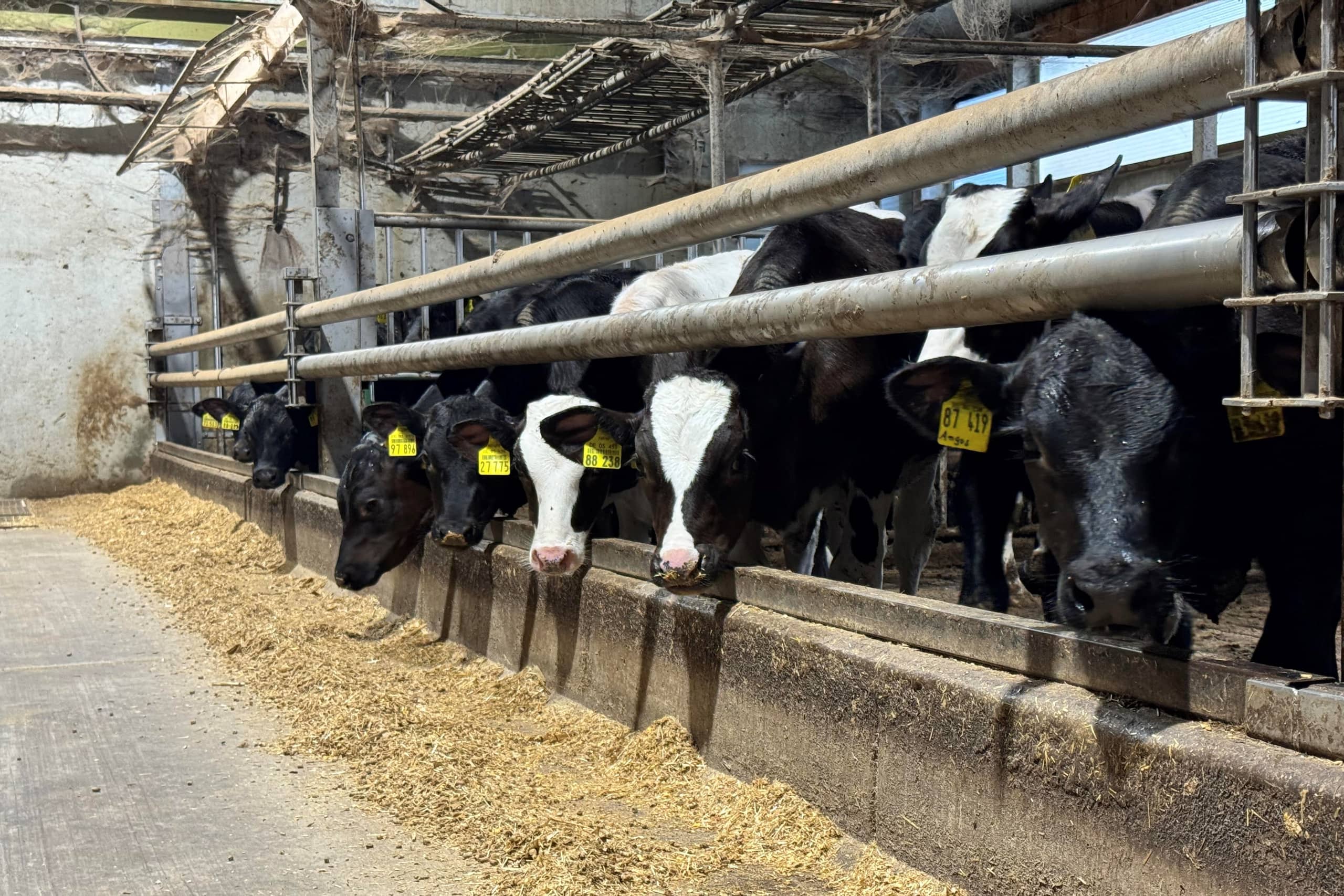
Beeld: © #UAgroNL
What’s new: mandatory animal welfare standards
The new rules were established in Order No. 224 of 8 February 2021, “On the approval of requirements for the welfare of agricultural animals during their keeping,” and they came into force on 1 January 2026 after a long transitional period. These standards define minimum conditions for the care, housing and treatment of farm animals and set clear obligations for animal keepers and owners.
Under the new framework:
- Livestock facilities and animal environments must ensure conditions that meet physiological and behavioural needs, including space, lighting, ventilation and indoor microclimate.
- Animals must have continuous access to appropriate feed and water.
- Practices that cause unnecessary suffering or restrict natural behaviour are prohibited.
- Keepers are obliged to monitor animal health regularly, provide timely veterinary care, and maintain detailed records of treatments, mortality, health changes and preventive interventions.
- Staff working with animals must receive appropriate training on welfare requirements.
The rules apply to all market operators keeping farm animals, irrespective of ownership or scale of operations, including private farms and larger enterprises.
The introduction of these standards brings national legislation closer to EU practice and reflect science-based approaches to animal welfare.
Alignment with European standards has practical implications for:
- Animal health and welfare outcomes, contributing to reduced disease, stress and mortality in livestock.
- Food safety and quality, building trust for local and international consumers.
- Trade relations, by laying groundwork for deeper integration with EU agricultural markets and supply chains.
- Business transparency, as compliance is documented and becomes part of official control systems.
Context from the dairy sector
Ukraine’s dairy industry has been actively preparing for these changes, recognising that the new welfare standards are essential for harmonisation with EU legislation and future competitiveness. A recent project brought together Ukrainian dairy associations and universities to focus on adaptation to these standards and on updating educational programmes so that future professionals are trained in modern, EU-aligned animal welfare practices.
The Netherlands has played an important role in this process, both through cooperation projects and by sharing expertise in sustainable livestock management and EU-compliant welfare systems. Such collaboration supports Ukraine’s reforms and creates opportunities for Dutch expertise in animal welfare, education and consulting to contribute directly to sector development (More details - Dutch-Ukrainian Cooperation Strengthens Dairy Sector and Animal Welfare Standards in Ukraine | Agroberichten Buitenland).
Next steps and outlook
While the welfare requirements for keeping animals came into force on 1 January 2026, related rules on animal transport and humane slaughter will be phased in during 2026 and beyond. Efforts are underway to establish official control systems and train inspectors to ensure effective implementation.
The Netherlands remains a consistent and reliable partner in supporting Ukraine and the development of its agricultural and agri-food sectors. Through long-term cooperation, knowledge exchange and technical assistance, Netherlands has been actively contributing to the modernisation of Ukraine’s agriculture, including animal health, animal welfare, sustainability and regulatory alignment with the European Union.
This partnership reflects a shared commitment to resilient food systems, responsible production and Ukraine’s continued integration into European and global agricultural markets.