
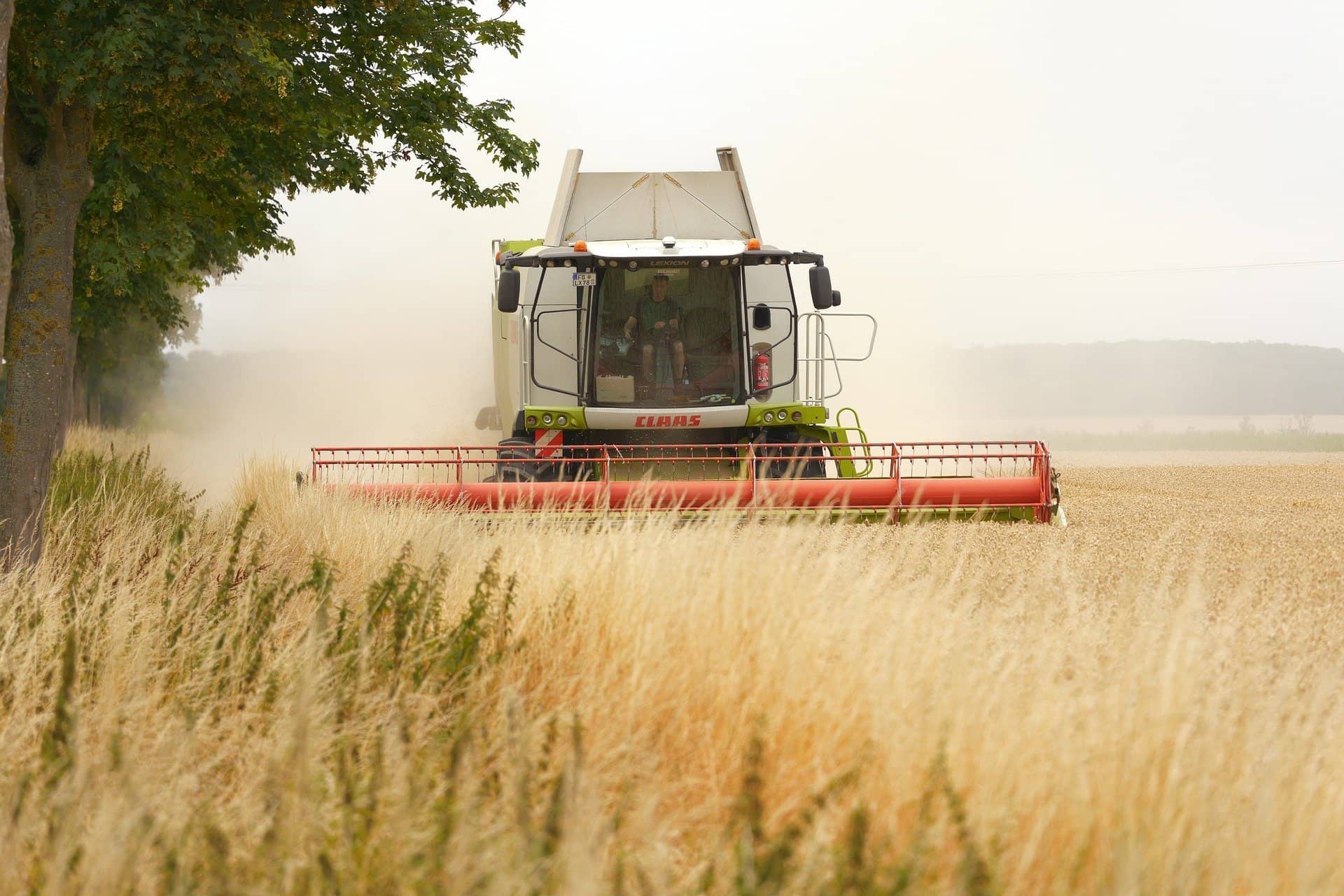
Kazakhstan is undertaking a systemic transformation in crop production to boost efficiency and promote sustainable farming, according to the Government’s press service.
As reported by Kazinform this initiative is being carried out as part of the President’s Address, “Fair Kazakhstan: Rule of Law, Economic Growth, Public Optimism,” as well as other directives of the Head of State.
A key priority for the sector is crop diversification and the adoption of water-saving technologies. This year, the wheat cultivation area was reduced by 884,600 ha to 12.3 million ha, while oilseed crops increased by 1 million ha to reach 4 million ha. At the same time, the structure of sugar beet cultivation is being optimized.
“The Head of State instructed that water-saving technologies be introduced annually on up to 150,000 ha. By the end of 2024, this target was surpassed, reaching 158,000 ha. This year, such technologies have already been applied on 109,800 ha, bringing the total irrigated area using them to 580,000 ha,” said Kazakh Minister of Agriculture, Aidarbek Saparov.
Dutch touch
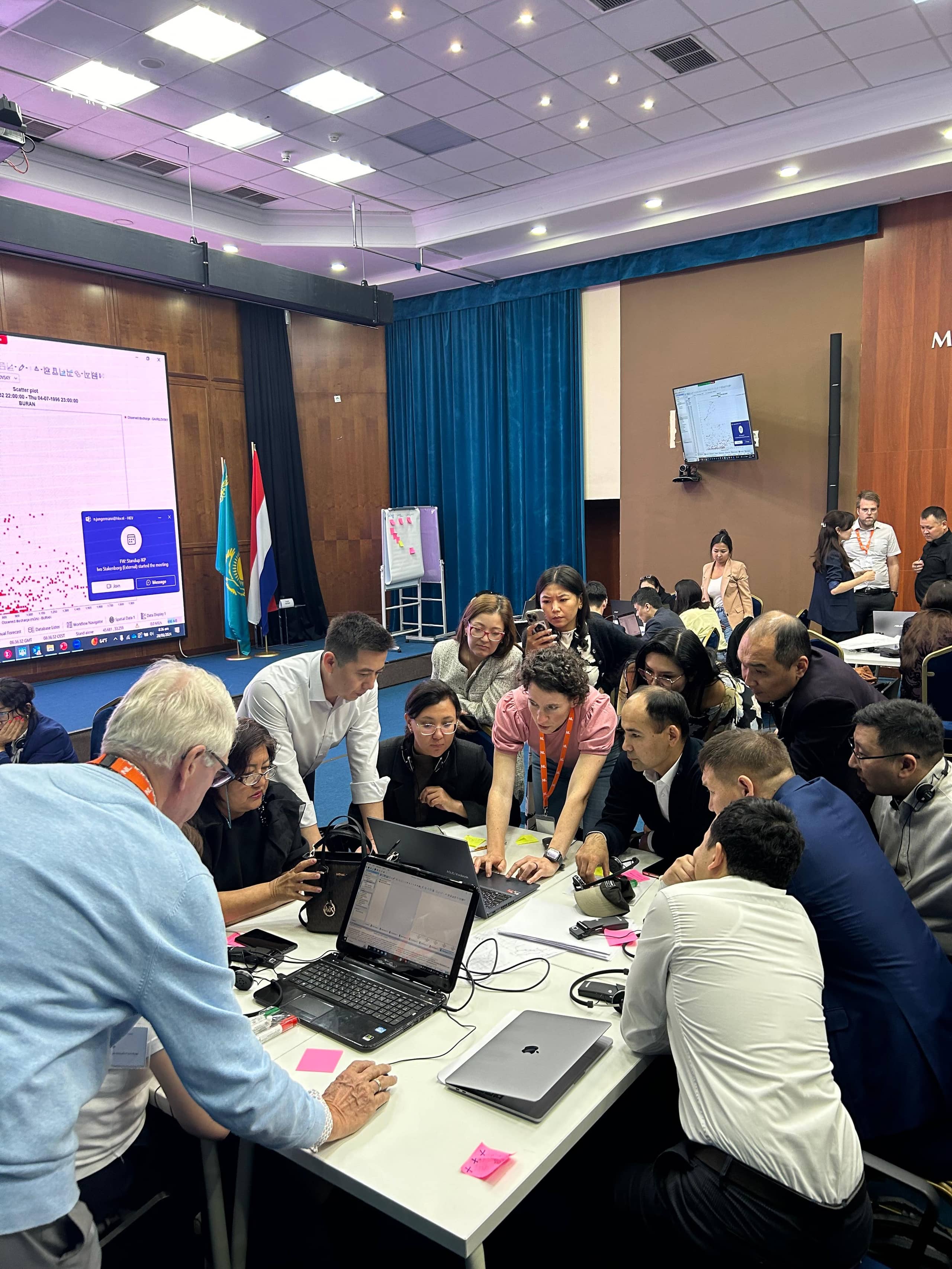
Training process. Dutch experts: Nicole Jungermann, HKV and Rieks Bosch with the staff from relevant water and flood management institutions in Kazakhstan (Ministry of Emergency Situations; Ministry of Water Resources and Irrigation; Institute of Geography and Water Security; Kazhydromet; Kazakhstan Garysh Sapary and Kazakh scientific research institute of water economy).
Integral to this agricultural modernization is Kazakhstan’s collaboration with the Netherlands, a global pioneer in water management and sustainable farming practices. Following severe floods in 2024, the Dutch Disaster Risk Reduction and Response (DRRS) team provided essential training to Kazakh authorities on advanced flood risk management and water forecasting. This partnership included joint efforts to develop a national flood forecasting system and strengthen the country’s capacity to manage water-related disasters.
The Dutch expertise in precision irrigation and flood resilience has direct benefits for Kazakhstan’s agriculture. Improved water management protects farmland from flood damage, optimizes irrigation schedules, and ensures steady water supply—all vital for maintaining high yields amid climate uncertainties. This collaboration highlights how integrating disaster risk reduction with sustainable agriculture can create a more resilient food production system.