
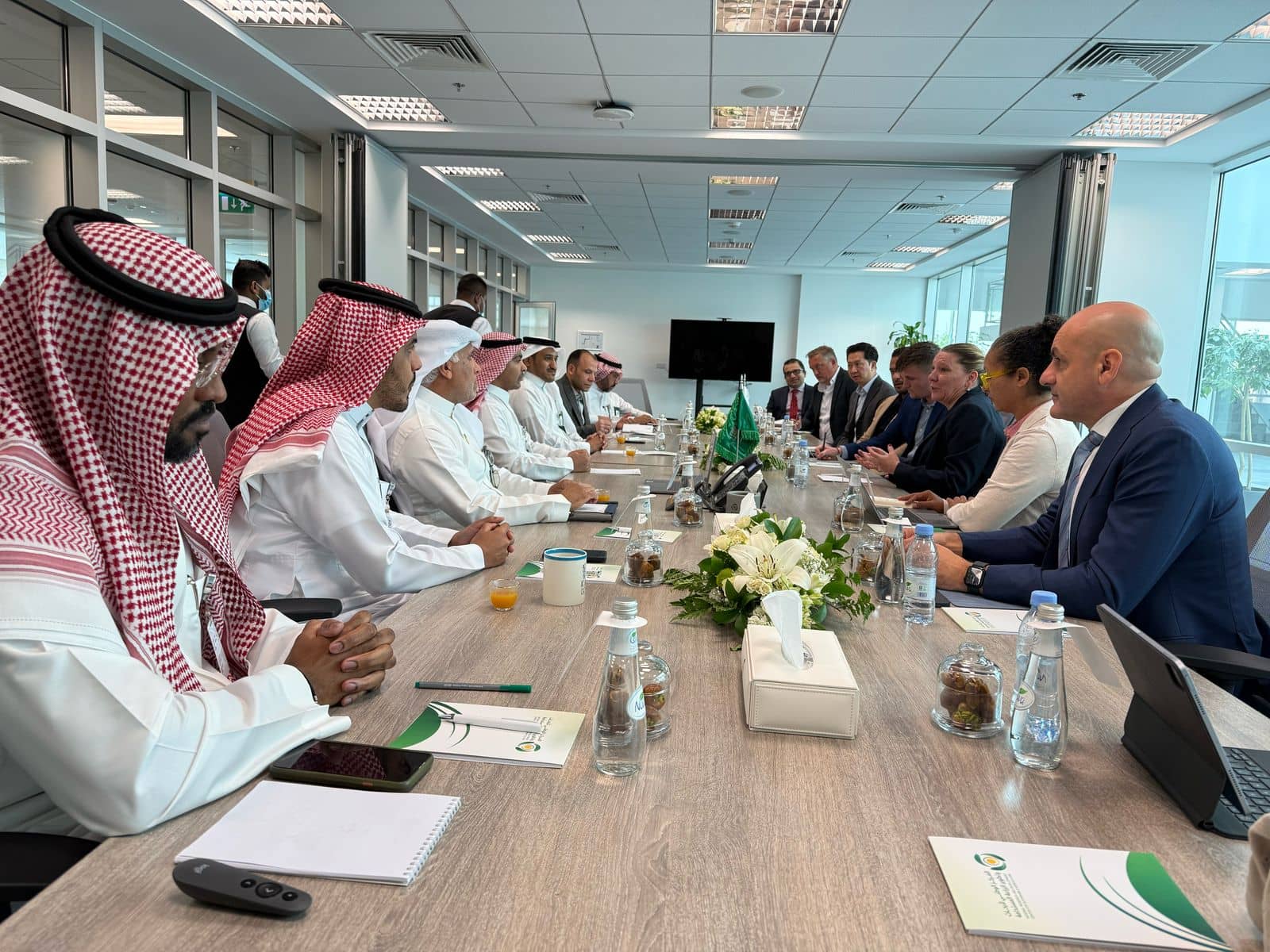
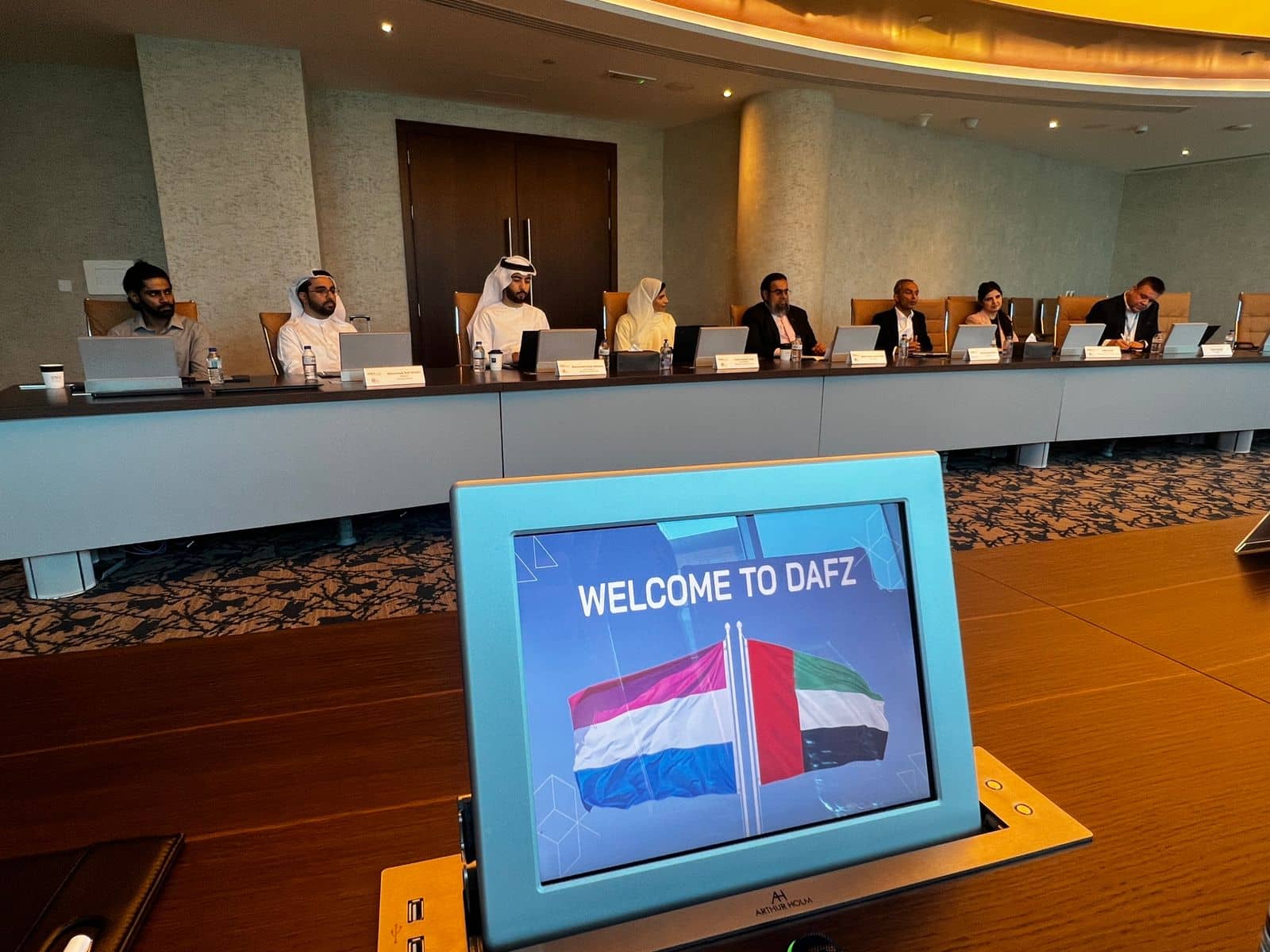
Following a comprehensive desk study earlier this year, the Netherlands Agricultural Network in the Gulf region organized a high-level fact-finding mission to the UAE and Saudi Arabia from 25–29 May 2025 to gain hands-on insight into local agro-logistics systems and identify opportunities for Dutch companies to contribute to improving cold chain, post-harvest and food distribution systems. What the delegation found was clear: Gulf countries are making serious investments in food security and supply chain efficiency—but they face persistent logistical, technical, and operational challenges that Dutch expertise is well-positioned to address.
A region with big food security ambitions
The UAE and Saudi Arabia are actively implementing long-term national food security strategies. Yet despite these efforts, food loss remains stubbornly high—up to 35% in some segments—due to fragmented cold chains, inefficient last-mile logistics and limited post-harvest handling capabilities.
In both countries, post-harvest losses are not just a result of infrastructure gaps, but also of human and systemic factors:, low adoption of advanced technologies and poor coordination between actors across the supply chain.
The mission offered valuable insights into these issues, while also opening doors for partnerships with government agencies, logistics companies, retailers and food producers seeking sustainable, scalable solutions.
Key insights from the ground
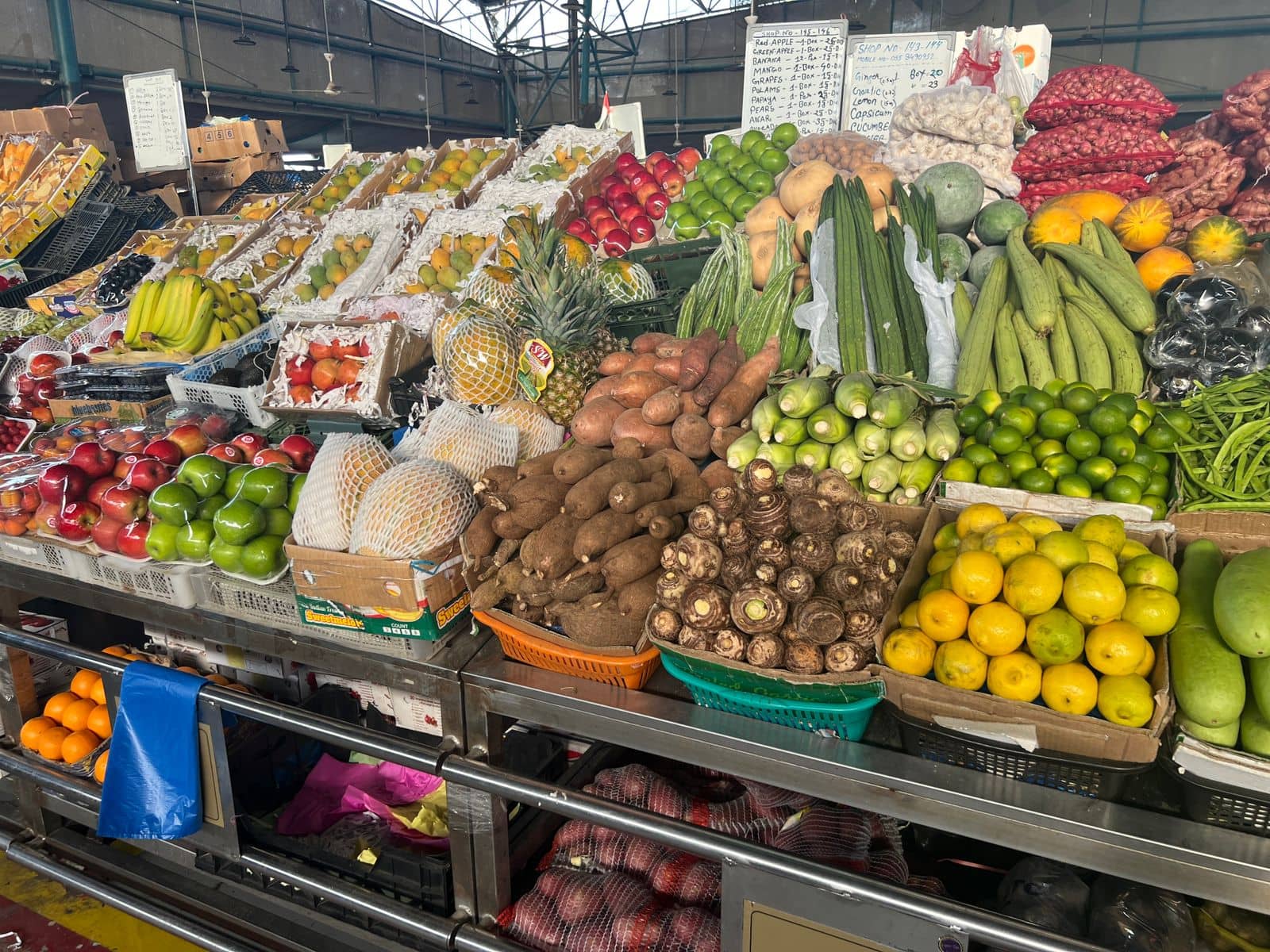
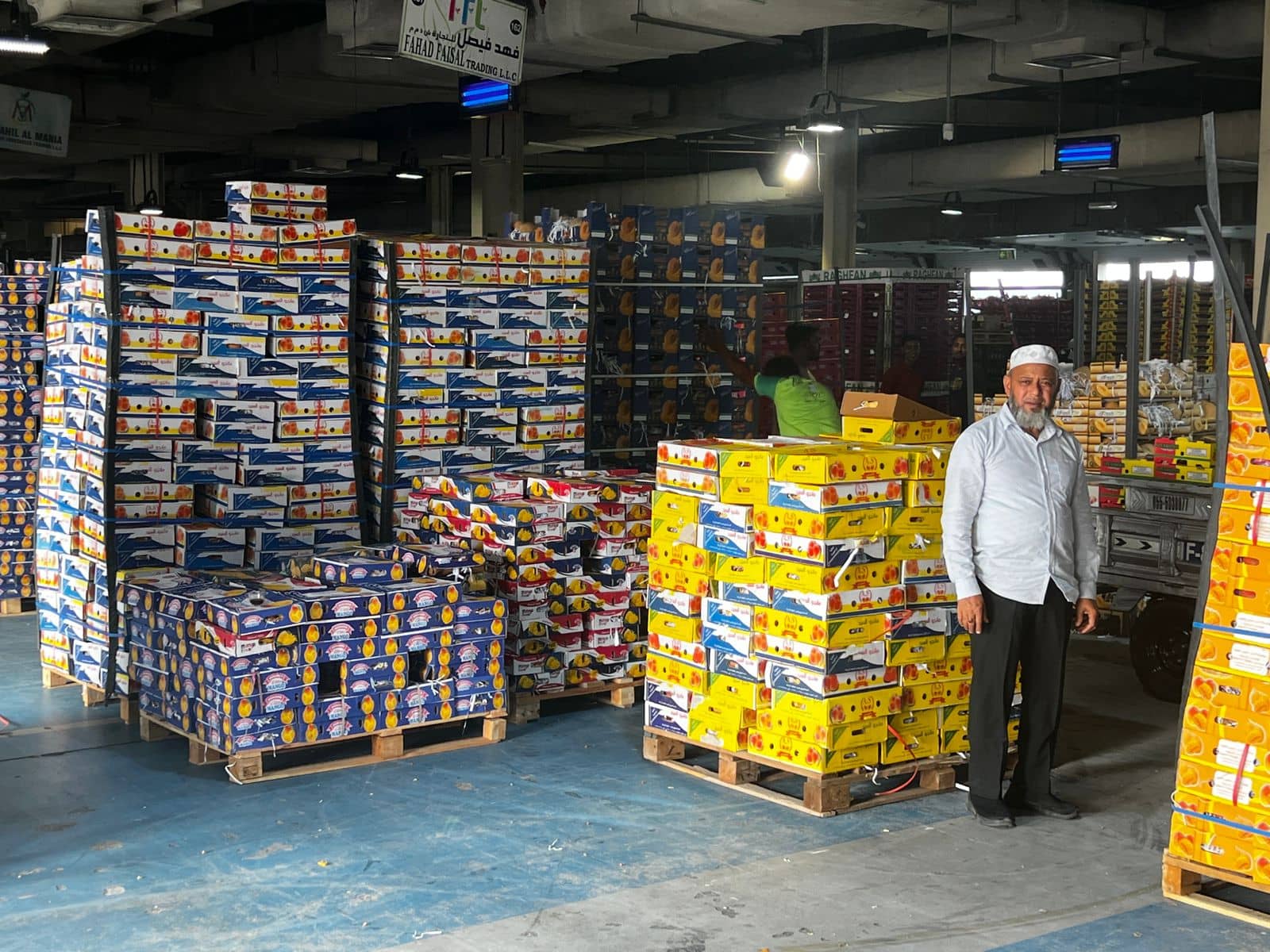
The fact-finding mission included site visits to distribution centers (Spinneys, NADEC), logistics parks (Agility, Dubai Fruit & Vegetable Market by DP World) and roundtables with ministries (MEWA, MISA), retailers (Lulu, Tamimi) and key stakeholders (DAFZ, Kezad, DNATA, Estidamah, ARASCO).
These revealed several recurring themes:
- Food loss happens at every stage
- Temperature fluctuations are frequent, even for locally grown produce meant for nearby urban markets.
- Poor infrastructure limits the ability to store or transport perishable goods properly.
- Long wait times during cross-docking and delays in airfreight clearance, worsen the problem.
- Post-harvest technology Is underused
- Vacuum cooling, modified atmosphere packaging and real-time condition monitoring are not widely implemented, despite their proven effectiveness in extending shelf life.
- Dutch innovations in this space could be rapidly piloted and scaled.
- People & processes are the hidden weak links
- Many cold chain breaches are caused not by equipment, but by lack of training, poor protocols or inconsistent human handling.
- Operational lapses like open dock doors, poor offloading practices and unmonitored storage areas lead to food quality degradation.
- Digitalization, innovation and energy efficiency are emerging priorities
- Interest is growing in AI-driven logistics, digital temperature monitoring and smart inventory systems—especially in the context of energy transitions.
- Several new facilities are incorporating solar power and sustainable insulation, indicating a shift in mindset.
- Knowledge and skills matter just as much as technology
- Stakeholders across the board emphasized the need for technical and vocational training, particularly for warehouse, logistics and quality control personnel.
- Knowledge-to-knowledge (K2K) exchanges were frequently highlighted to improve understanding of how to maintain high standards in temperature-sensitive supply chains.
Beeld: © GCC LVVN-Fact Finding Mission
Follow-up actions to deepen engagement
Building on the momentum of the mission, the Netherlands Agricultural Network and partners are now working on a number of follow-up initiatives to convert insights into action and position the Netherlands as a long-term partner for GCC food system transformation.
- Trade mission on cold chain and post-harvest solutions to the GCC
A dedicated Netherlands trade mission to the UAE and Saudi Arabia is currently being developed for 2026. This mission will bring Dutch companies to the Gulf to:
- Showcase Dutch solutions in cold chain logistics, digital tracking, sustainable cooling, post-harvest handling and food loss reduction
- Meet with Gulf stakeholders to explore B2B and public-private partnerships
- Align with major sector events (e.g. Saudi Warehousing and logistics, Saudi Agriculture, Cold Chain Expo)
- Focus on scalable applications for Dutch technology and collaborative pilot projects
- Technical training & knowledge-to-knowledge exchange
The fact-finding mission reinforced that knowledge transfer is as critical as technology transfer. As such, LAN is exploring partnerships with Dutch training institutes, vocational education providers and applied research centers to:
- Facilitate research & development exchanges or K2K tracks for GCC public sector and universities
- Targeted inbound mission to the Netherlands
To maintain engagement with key stakeholders met during the fact-finding mission, the LAN is also considering a GCC stakeholder visit to the Netherlands, bringing together ministries, logistics leaders and retail players to:
- Experience Dutch cold chain and supply chain innovations first-hand
- Learn from best practices in post-harvest efficiency, energy-smart warehousing and digital infrastructure
- Explore opportunities for long-term institutional cooperation
Beeld: © GCC LVVN-Fact Finding Mission
Key takeaways
The fact-finding mission confirmed that Gulf countries are serious about reforming their food systems and they are looking for trusted partners who can offer both technical excellence and practical implementation. The Netherlands, with its proved expertise in agro-logistics and commitment to sustainability, is well placed to step into this role.
Interested in a copy of the full report?
Please contact the Netherlands Agricultural Network in the Gulf region via riy-lvvn@minbuza.nl to request your copy.