
A Royal GD fact-finding mission in February 2025 assessed poultry disease diagnostics in Tanzania by visiting three TVLA labs. Key challenges included limited testing capacity, especially in PCR and ELISA for poultry diseases like Gumboro, Newcastle, and ILT. The project launched with a Dutch embassy event and aims to improve diagnostics through training, bi-weekly peer consultations, and capacity building in sample handling, histopathology, and lab protocols.
Background
From 28 January 28 to 2 February 2024, a successful poultry study visit took place in the Netherlands, featuring representatives from Tanzania's public and private poultry sectors. The mission showcased innovative poultry health management practices that had the potential to greatly benefit Tanzania. Following this visit, the Tanzanian Ministry of Livestock and Fisheries expressed interest in collaborating with Royal GD Animal Health, a leading Dutch laboratory known for conducting over 4 million animal health diagnostics annually. The partnership aimed to enhance the diagnostic capabilities of the Tanzania Veterinary Laboratory Authority (TVLA) in identifying poultry diseases through knowledge and technology exchange, particularly in sample collection and analysis.
To support this initiative, Royal GD Animal Health sent veterinary expert Dr. Robert-Jan Molenaar to Tanzania for a fact-finding mission from February 9 to 15, 2024. During this visit, Molenaar evaluated three TVLA laboratories in Dar es Salaam, Mwanza, and Arusha, identifying opportunities for capacity building. He also sought to gain insights into the broader challenges faced in diagnosing poultry diseases across the country, including key poultry diseases, diagnostic limitations encountered by veterinarians, and existing protocols and gaps in sample collection, analysis, and reporting.
As part of the ‘training for poultry disease diagnostics’ project, three TVLA laboratories were visited by a veterinary pathologist from Royal GD, specialised in poultry (Dr. Robert Jan Molenaar) together with the Diagnosis Director of TVLA, Dr. Zacharia Makondo and Agriculture Advisor of the Netherlands Embassy, Ms. Theonestina Mutabingwa.
Project kick-off event
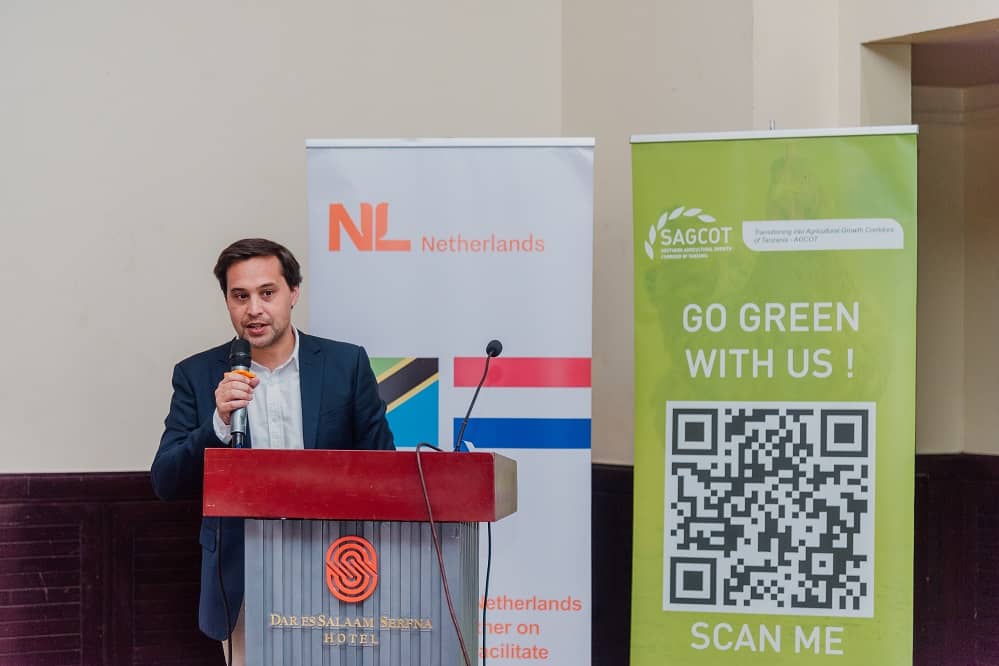
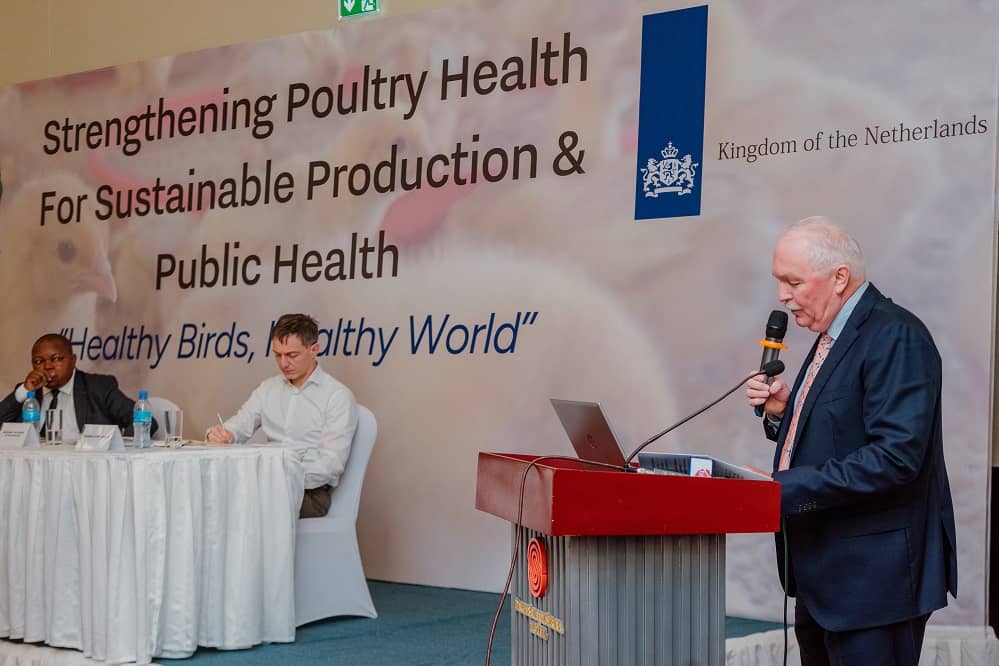
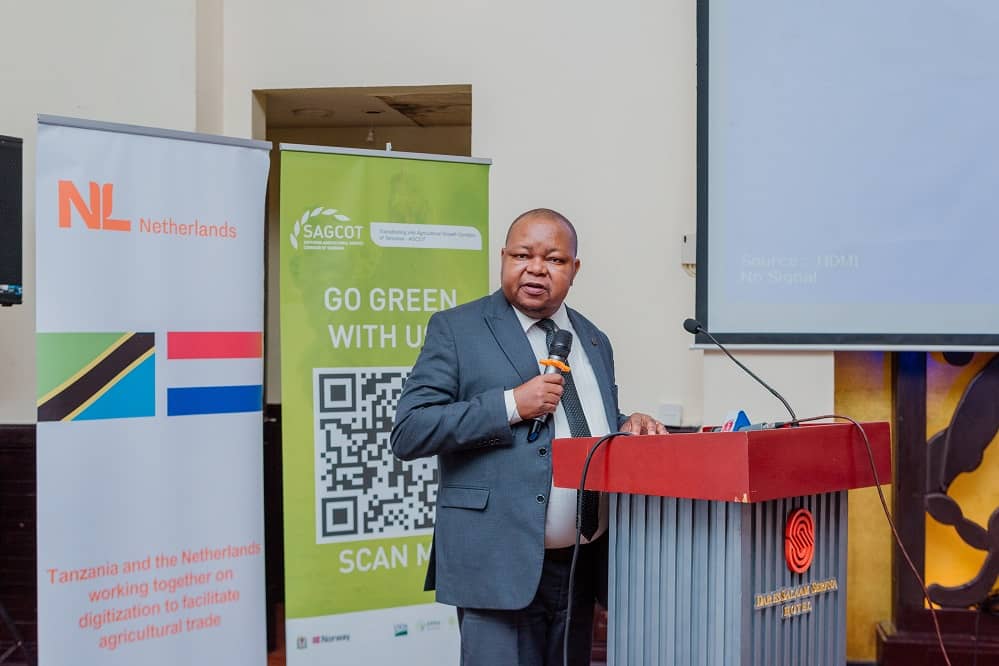
On 10th February,2025, the Dutch embassy held a kick-off meeting to address the challenges facing the Tanzanian poultry industry, gathering a diverse range of stakeholders. The event was officially inaugurated by Prof. Riziki Shemdoe, the Permanent Secretary of the Ministry of Livestock, alongside H.E. Wiebe de Boer, the Ambassador of the Netherlands Embassy in Tanzania, and Mr. Bart Pauwels, the Agricultural Counsellor for Tanzania.
Over 50 participants from both the public and private sectors attended, actively contributing to the discussions. Dr. Benezet Lutega, the Director of Veterinary Services, provided an overview of the national situation, leading to insights on critical diagnostic challenges. Key diseases identified included Newcastle disease, which causes significant losses due to vaccine failures; coccidiosis, noted for its substantial economic impact; and Salmonella, particularly non-motile strains affecting the layer industry. Other diseases such as Gumboro and Infectious Bronchitis Virus (IBV) were also highlighted, alongside concerns regarding coryza, fowl cholera, and staphylococcus problems.
Visits methodology
Three laboratories were selected by TVLA based on their geographical location, size, diagnostic capabilities, and relevance to the organization: Dar es Salaam, Mwanza, and Arusha. At each location, the following activities were jointly conducted by TVLA officials and Royal GD experts:
- A tour of the facilities with the local TVLA manager, evaluating the testing capabilities available for poultry.
- A presentation on poultry post-mortem techniques delivered by Royal GD.
3. Distribution of:
- FTA cards for later use in the project, along with an explanation of their application.
- Submission forms to be utilized later in the project.
- IBDV rapid tests, which included a presentation on their usage and a practical demonstration.
3. A joint post-mortem on poultry, organized and conducted by the local TVLA team.
4. A networking lunch or dinner to foster relationships among participants, who would also take part in the later online peer-consultation sessions.
Expert’s observations per location
1. Dar es Salaam
The TVLA laboratories at Dar are extensive. Besides normal facilities for the region, such as post-mortem, there are additional diagnostic capabilities that can be used by other TVLA labs, such as histopathology and feed analysis using amongst others HPLC. The bacteriology section has MALDI-TOFF for typing. The PCR department has multiple machines operational, and equipment aimed to performed on-site testing. PCRs for poultry pathogens are not routinely performed in the disease monitoring. Different parts of the lab are physically separated from each other, limiting the potential for cross-contamination.
A quick scan of the diagnoses performed and recorded by the laboratory as of month of January 2025, show E. coli, Vitamin deficiencies (E and A) and coccidiosis to be important diseases.
During the visit multiple cases were presented for post-mortem:
- A case of Gumboro in young laying hens. The diagnosis is confirmed using the rapid test.
- Broilers with femur head necrosis, suspected of BCO.
- Old laying hen in poor condition with numerous white spots in the liver, suspected of hepatic granulomas due to bacterial infection. The local vets note that they would consider this a case of fowl typhoid. Confirmation by culture is not normally done in such cases.
The centre for infectious diseases and biotechnology (CIDB) is also located on the premises and is visited. The lab is strictly separated from the rest and has a BSL 1 part that is used for training of students and a BSL2 part that is used for diagnostics. The main areas included: Serology, which offers ELISA tests (although currently not for poultry) and the NCD HAR test. Cell culture, which is currently not in use due to technical problems. PCR, with three separate rooms for the different steps and which offers for poultry IBDV, Marek, NCD and AI tests. These are non-quantitative PCR tests. Sequencing should be performed off-site but is normally not needed or requested. A separate room offers enclosed space for manipulation of high-risk biological agents such as rabies of HPAI. There are PhD students involved in running the PCR tests.
2. Mwanza
The TVLA lab at Mwanza is undergoing renovations that should be finished in the coming month. In the current situation test-facilities were largely unavailable or barebones, with limited bacteriology being available and PCR equipment not installed. The planned lay-out of the lab could potentially induce some cross-contamination risks for the PCR and the post-mortem room is small, but a fair assessment was not possible in this state. Location of the lab at the end of a poorly maintained road is suboptimal for acquisition of samples and TVLA-employees regularly visit locations in the field to take samples instead. Exacts numbers were not available, but this seemed to set this location apart from the other two
The team at Mwanza encounters a wide arrange of poultry diagnostic challenges. An overview of the last month includes cases of fowl pox, Gumboro, fowl typhoid, coccidiosis and Coryza, besides many more incidental cases. Of note is the much higher incidence of fowl pox that they encounter compared to the colleagues at the other sites; it is possible that the location near Lake Victoria, and the associated high number of mosquitoes, plays a role in this. ILT is named as a potential important disease that should receive extra attention in the project.
The team had arranged a chicken for post-mortem which was in general poor condition, suffered mild chronic pericarditis, severe intestinal disorder with moderate amounts of juvenile Ascarids. Overall, an excellent case with good options for remarks. During the follow-up discussion Dr Makondo explains the risks of tunnel vision when performing post-mortems and encourages use of the SOP
he team at Mwanza encounters a wide arrange of poultry diagnostic challenges. An overview of the last month includes cases of fowl pox, Gumboro, fowl typhoid, coccidiosis and Coryza, besides many more incidental cases. Of note is the much higher incidence of fowl pox that they encounter compared to the colleagues at the other sites; it is possible that the location near Lake Victoria, and the associated high number of mosquitoes, plays a role in this. ILT is named as a potential important disease that should receive extra attention in the project.
The team had arranged a chicken for post-mortem which was in general poor condition, suffered mild chronic pericarditis, severe intestinal disorder with moderate amounts of juvenile Ascarids. Overall, an excellent case with good options for remarks. During the follow-up discussion Dr Makondo explains the risks of tunnel vision when performing post-mortems and encourages use of the SOP.
3. Arusha
The Arusha lab is in the middle of the city, at a location that is easy to reach for customers in the area. The lab sports a PCR are and a serology department, but these currently offer no tests for poultry. The bacteriology department can perform basic bacteriology, but also Salmonella culture. The latter is used for breeder flocks and hatcheries. The post-mortem facilities are in a separate building. Facilities are clean and hygiene measures are good, limiting the risks of cross contamination between the PM-room and the rest of the lab. When discussing current disease challenges Gumboro is named a very important one in this area. The possibilities of implementing an IBDV ELISA to determine the optimum vaccination age was advised by GD and shortly discussed. The team has arranged a case of high mortality (400 in a flock of 8000) for post-mortem. The diagnosis of IBDV is confirmed using the rapid test.
Next Steps
Shortly, the project encompasses this weeklong visit, followed by bi-weekly online peer-consultation meetings discussing avian pathology cases with the three selected laboratories. In addition, laboratories are to participate in proficiency testing schemes (PTS) and online consultation sessions are planned with the histopathologists, focussing on the central lab (Dar Es Salaam) which performs the histology for TVLA.
Conclusions and focus point
After all discussions and visits, a clear view on the focus points for the collaboration via bi-weekly meetings is gained.
- Disease-wise: Gumboro, Newcastle Disease, ILT and strain-typing of IBV are thought to be especially important.
- For the laboratory tests: An improvement of bacteriology and identifying potential usage of PCR-tests are important goals, besides the planned training on histopathology.
- Additionally, ELISA testing for Gumboro could help to assist farmers in formulating the correct time of vaccination.
The Embassy provides regular updates on developments in the agriculture sector. To receive the updates follow us on our X (Twitter) account @NLAgriTanzania and/or subscribe to our newsletter by sending an email to dar-lvvn@minbuza.nl.