
At the end of April 2025, 'El Instituto del Aguacate de México' (Mexican Avocado Institute) launched a strategic initiative aimed at improving environmental management in the avocado export sector, called the "Route to Sustainability." A few months before, the Mexican government announced that it would implement a program for deforestation-free agricultural exports with formal employment.
Beeld: © LAN Mexico
Avocado Production in Mexico
With 26.6% of the world's harvested area, Mexico is the world's largest avocado producer. Mexican avocado production and exports have increased significantly in recent years. According to information in the Avocado Annual published by the USDA Foreign Agricultural Service, Mexico's 2025 avocado production will increase by 3% compared to 2024. The United States is Mexico's number one export market and is the destination for 80% of exports by volume. The United States is followed by Canada (7%) and Japan (3%). Mexico’s per capita avocado consumption is also on the rise, and grew nearly 10% in 2024 to 12.3 kilogram.
Deforestation and growing concern
Unfortunately, a growing avocado sector does not only lead to success stories. An increase in the surface of avocado orchards has different environmental impacts and has led to significant deforestation in certain parts of Mexico. The documented involvement of criminal groups, who identified that avocado trade generates a lot of income, has made this extra hard to combat. There is growing concern about the environmental impact of the Mexican avocado industry. This was one of the reasons why in 2023, the Embassy of the Kingdom of the Netherlands in Mexico commissioned a study on the environmental impact of the avocado production and trade with Europe. As follow-up, the Embassy and the Dutch government program Partners for Water will launch a project in La Laguna de Zapotlán in Jalisco for watershed restauration, including reforestation and biological corridors in August 2025.
Ruta hacia la Sostenibilidad
The Mexican Avocado Institute (*) has launched 'La ruta hacia la Sostenibilidad', a strategic plan for the Mexican avocado industry, which consolidates and expands existing sustainability efforts.
The strategy focuses on four priority areas:
- Water: A sustainable water resource management program will be implemented in all production areas, including orchards and packing houses, by 2026. The initiative complements current watershed conservation efforts, such as handing out 690 thousand pine plants
- Biodiversity: This year, the industry will introduce a strategy and action plan to conserve biodiversity and ecological connectivity, protecting and restoring local ecosystems. Current initiatives include integrated pest management and pollinator protection.
- Climate: The Mexican avocado industry aims to measure and reduce its carbon footprint, paving the way toward net-zero greenhouse gas emissions across the entire avocado supply chain by 2035.
- Deforestation: By 2035, the industry plans to achieve zero net deforestation through collaboration with government authorities. This year, a baseline study will be conducted to identify forest areas in need of protection, management, and restoration. It is important to mention that since 2011 APEAM has promoted reforestation initiatives by planting more than 3.6 million forest trees.
Five interdependent programs
The 'Ruta hacia la Sostenibilidad' is based on a set of actions and milestones organized into five interdependent programs: Corporate Governance for Sustainability, Sustainable Orchards, Sustainable Packing Plants, Sustainable Distribution and Marketing, and Biodiversity, Forest, and Watershed Restoration. Each of the five programs are directly intertwined to create a sustainability framework throughout the avocado supply chain.
Together, these programs aim to represent an approach to sustainability, driving significant change and real impact across the entire avocado export supply chain.
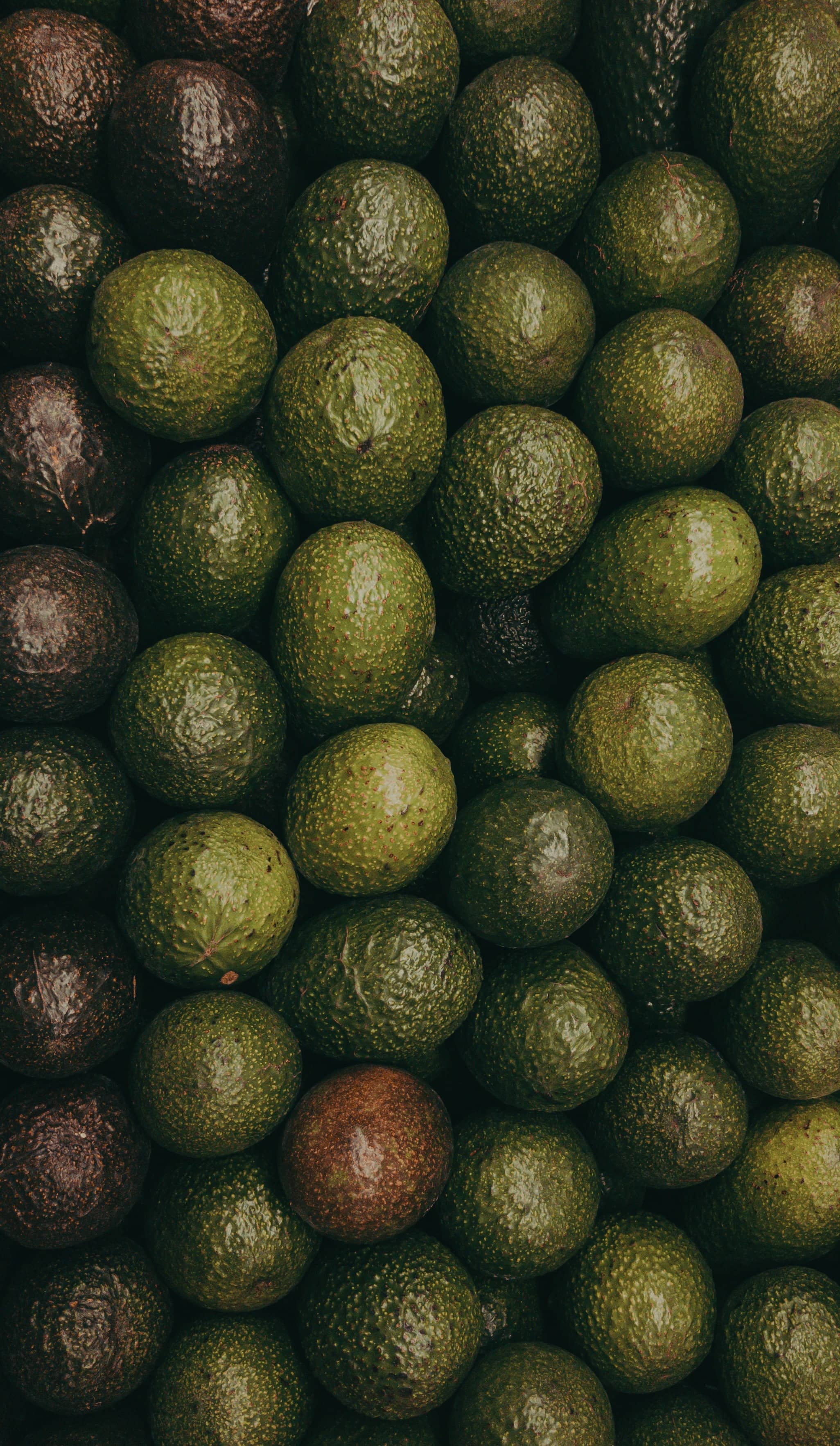
Beeld: Photo by Alejandro Duarte on Unsplash
Agro-exports free of deforestation and with formal employment
Earlier this year the Mexican federal government launched a program that seeks to add value to the national agricultural sector by ensuring that all agricultural exports comply with labor and environmental laws, as well as phytosanitary requirements. This program ensures that agricultural exports respect labor rights, occupational health and safety, are deforestation-free, and use natural resources responsibly.
The program will begin with the entire avocado production chain. Afterwards it will be implemented progressively for all Mexican agricultural export products.
The purposes of the program are:
- Respect the dignity and labor rights of agricultural workers.
- Guarantee the sustainable use of the country's natural resources.
- Maintain a trade surplus without expanding the agricultural frontier.
Both the Ruta hacia la Sostenibilidad and the program which was launched by the Mexican federal government are meant to strengthen the Mexican position in international markets, making it a global leader in the sustainable and fair production and marketing of agricultural and agro-industrial products.
(*) The Mexican Avocado Institute has been created by the parent organizations Avocados From Mexico (AFM), APEAM A.C. (Asociación de Productores y Empacadores Exportadores de Aguacate de México) and Mexican Hass Avocado Importers Association (MHAIA).