
Now more than ever, we are witnessing the need to critically assess how we utilize our resources. The Netherlands' central government is collaborating with various institutions to discover smarter and more efficient ways to use products and raw materials. By 2050, it is expected that the Dutch economy will be completely circular. However, achieving a circular economy in the Netherlands requires changes on a global scale. The circular economy calls for systemic transformation, as economies are interconnected worldwide. Raw material supply chains, production processes, and waste flows transcend borders.
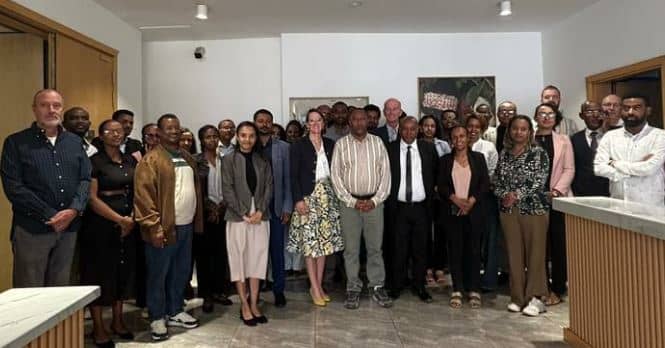
The Embassy of the Kingdom of the Netherlands, in collaboration with the Climate and Energy Response Facility (CERF), organized a masterclass on building circular capacity in agribusinesses and development programs on February 12. CERF is a flexible facility focused on climate change mitigation, sharing expertise in several high-impact sectors, including offshore wind, hydrogen, solar energy, and the circular economy. The Embassy partnered with the ACEN Foundation to deliver this inspiring masterclass.
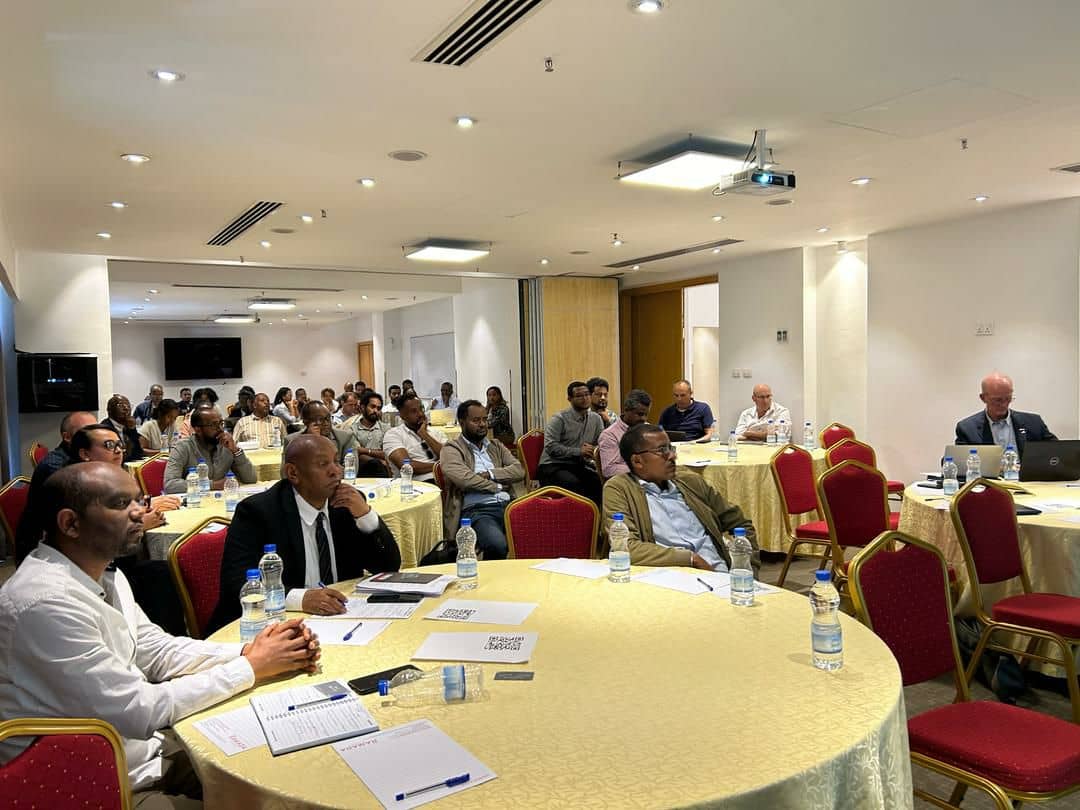
The masterclass was attended by numerous participants from development program implementing organizations, including many Dutch private businesses. It aimed to equip them with the tools needed to transform development programs and operations on the journey to becoming waste-free.
In her opening remarks, Deputy Ambassador Paula Schindeler, acknowledged that, despite several critical challenges in doing business, it is essential to focus on what truly matters. She urged participants to embrace the challenge of implementing circular economy principles in their operations. This approach not only enhances processes but also benefits the environment. For development practitioners, she emphasized that no development work is complete unless it addresses the challenges posed by climate change.
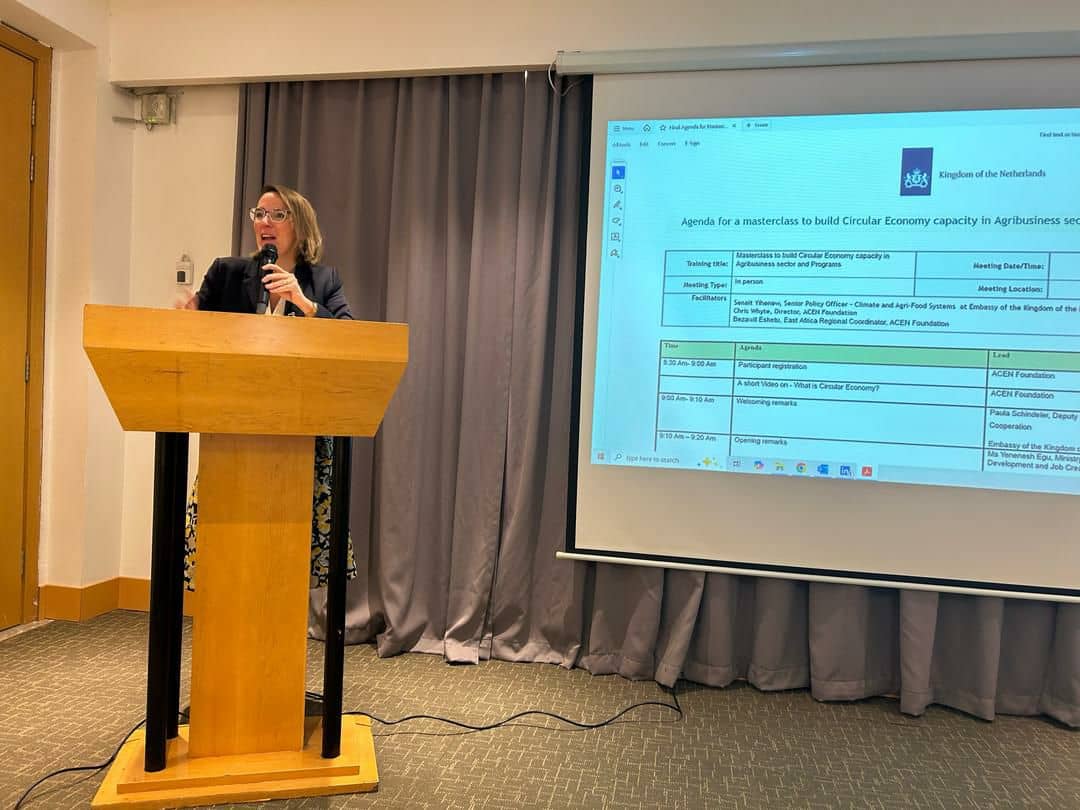
The masterclass received positive feedback from participants, covering key topics such as identifying opportunities and challenges for integrating the circular economy into business operations and development programming, developing soft and technical skills for practical implementation along the value chain, and exploring financing options for transitioning from a linear to a circular economy.