
The war often forces Ukrainian farmers to leave their land plots due to either active hostilities, mining or destroyed infrastructure and logistics. That is why the Embassy of the Kingdom of the Netherlands is supporting a project that will contribute to better understanding of what processes will occur on abandoned agricultural land over the time in regard to nature and biodiversity.
Nataliia Pashkevych and Volodymyr Gorobchyshyn - project team by Safe Confinement of Chornobyl Nuclear Power Station. June 2024
Subject of the project
The subject of the project is the survey of old arable fallows of the exclusion zone within the boundaries of the Chornobyl radiation-ecological biosphere reserve, formerly agricultural fields and gardens. The fallows under survey were not used after the accident at the nuclear power plant in 1986.
First field trip
The first field trip of the project experts took place in early June. Despite the "attacks" of midges and mosquitoes, the trial landfills were selected on abandoned agricultural landscapes and natural areas nearby.
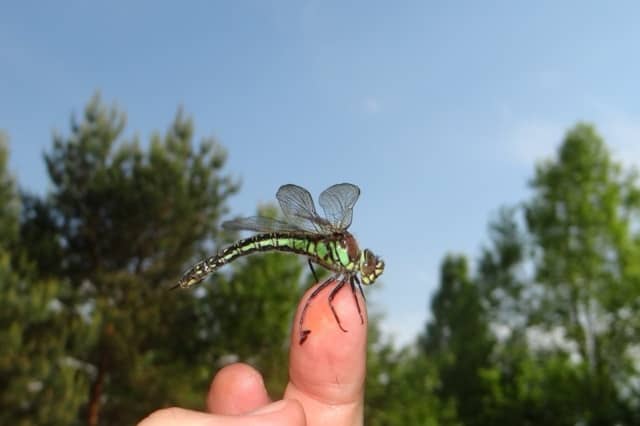
Brachytron pratense in Chornobyl radiation-ecological biosphere reserve 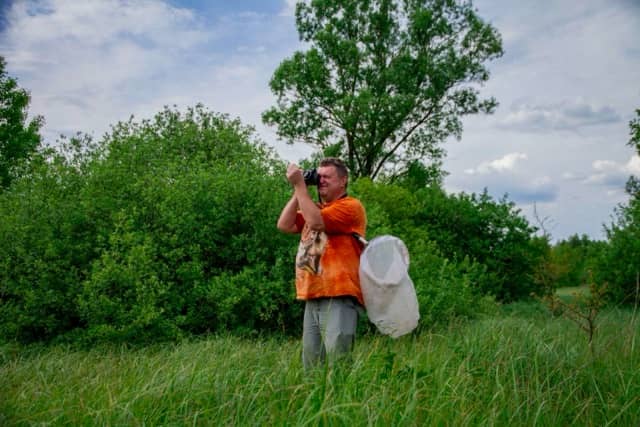
Volodymyr Gorobchyshyn (project expert)
Vegetation of the trial areas
The assessment of the vegetation and the biodiversity of some groups of insects in these areas was done on the fallows.
Stipa borysthenica and invasive Heracleum sosnowskyi Manden near the city of Chornobyl
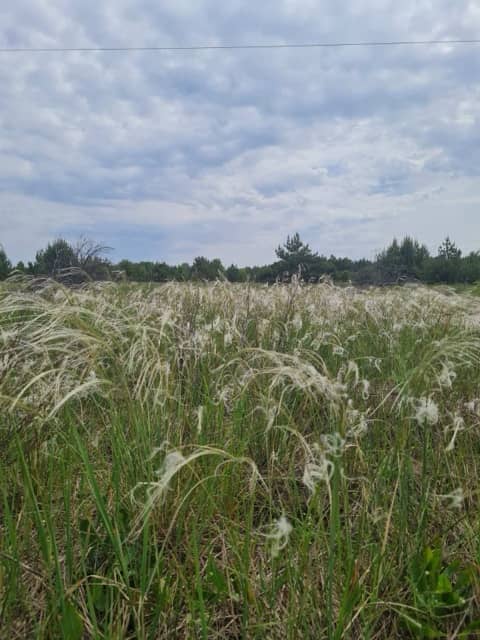
Stipa borysthenica in Chornobyl radiation-ecological biosphere reserve 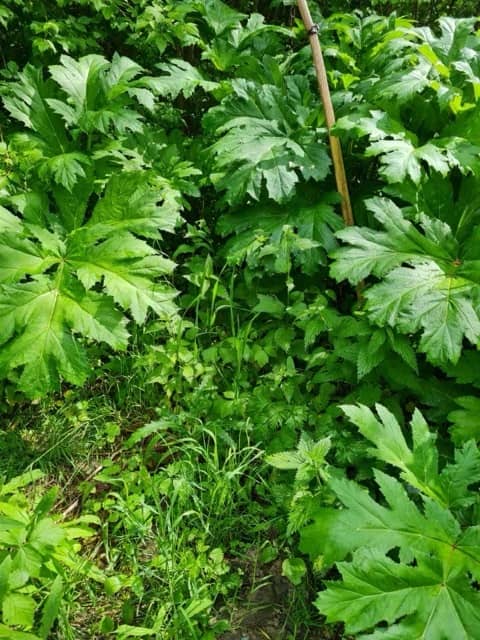
Invasive Heracleum sosnowskyi Manden in Chornobyl radiation-ecological biosphere reserve
Beeld: © #UAgroNL
Nataliia Pashkevych and Volodymyr Gorobchyshyn - with the samples of invasive plants (Robinia pseudoacacia). June 2024
With the help of the staff members of Chornobyl reserve, invasive plant species were mapped.
Nataliia Pashkevych and Volodymyr Gorobchyshyn on the bottom of the cooling reservoir of Chornobyl Power Plant
One of the focus area for the research is the drained (in 2016-2017) bottom of the cooling reservoir of the Chernobyl NPP
Impressive recovery of territories
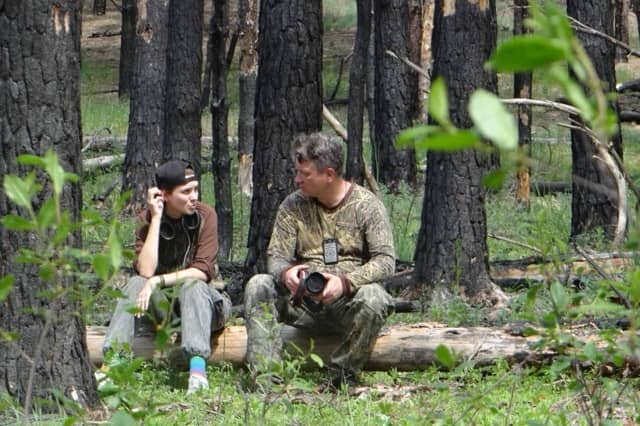
The recovery of the territories in areas of fallows and forests after the fires is impressive. Meeting the local residents of Chornobyl natural reserve, the Przewalski's horses, was a bonus for the expedition. Przewalski's horses have been introduced to Chernobyl natural reserve 25 years ago and despite the severe fires, hostilities and occupation of the area in 2022 their population is doing fine.
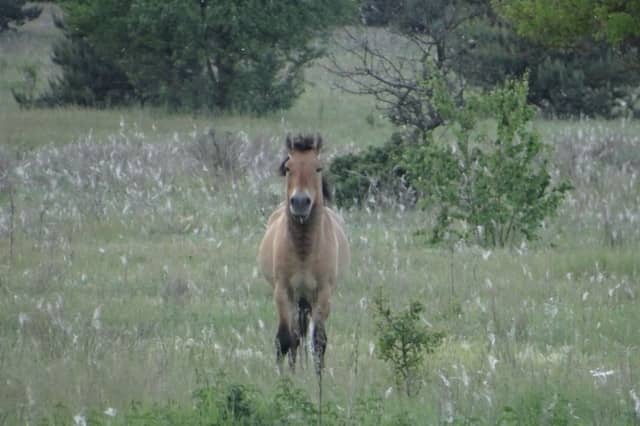
Przewalski's horse in Chornobyl natural reserve
Red Deer in Chornobyl radiation-ecological biosphere reserve
A red deer was spotted while tasting the flowers of an invasive acacia near the drained reservoir-cooler
Stay updated
Follow this and other projects supported by the Dutch Government in Ukraine here